

 Simon Cress

Tattooing is one of the oldest forms of art known to humanity—an expressive, permanent medium that blends craftsmanship, anatomy, symbolism, and storytelling. Whether you want to pursue tattooing as a full-time profession or as a creative extension of your illustration skills, the journey into this field requires far more than simply buying equipment. Tattooing demands artistic discipline, technical understanding, proper training, legal compliance, and an unwavering commitment to hygiene and safety.
This article explores what you need to start tattooing, from artistic fundamentals and professional tools to health regulations and career-building practices. It offers foundational knowledge—but does not provide procedural or instructional directions for performing tattoos, as tattooing requires hands-on training under a licensed professional.
1. A Strong Artistic Foundation
Before touching a tattoo machine, every aspiring tattoo artist must build a solid portfolio rooted in traditional drawing skills. Tattooing is just one of many ways to apply art—it cannot compensate for weak fundamentals.
Key areas to master:
- Line work: Clean, confident lines are the backbone of tattoo art.
- Anatomy: Understanding form ensures designs fit the body’s curves.
- Shading: Tattoos rely heavily on depth, gradients, and value control.
- Color theory: Tattoo ink behaves differently than paint or digital color.
- Composition: Designs must be readable from a distance and age well.
Why this matters:
Tattooing is permanent. Clients trust tattoo artists because they demonstrate skill, consistency, and artistic maturity long before they touch skin.
2. A Professional Apprenticeship (Non-Negotiable)
Tattooing is a skilled trade practiced on human skin—requiring mentorship and regulated learning. No article, tutorial, or online video can substitute for professional training.
What an apprenticeship provides:
- Safe handling of equipment
- Hygiene and sterilization protocols
- Studio procedures and regulations
- Client communication and design consultation
- Observational learning from experienced artists
- Hands-on practice under supervision
Aspiring artists typically apprentice for 1 to 3 years before tattooing clients independently. A reputable shop will require you to demonstrate artistic readiness before accepting you.
Why it’s essential:
Learning without guidance risks injury, infections, legal trouble, and long-term damage to clients—and to your professional reputation.
3. Legal Requirements and Licensing
Tattooing is regulated differently depending on your country or region. Before practicing, you must research legal requirements.
Common regulations include:
- Tattoo artist licensing
- Bloodborne pathogens certification
- Age restrictions for clients
- Studio health inspections
- Registration with local health departments
While this article cannot provide location-specific instructions, every aspiring tattoo artist must comply with their local laws before beginning.
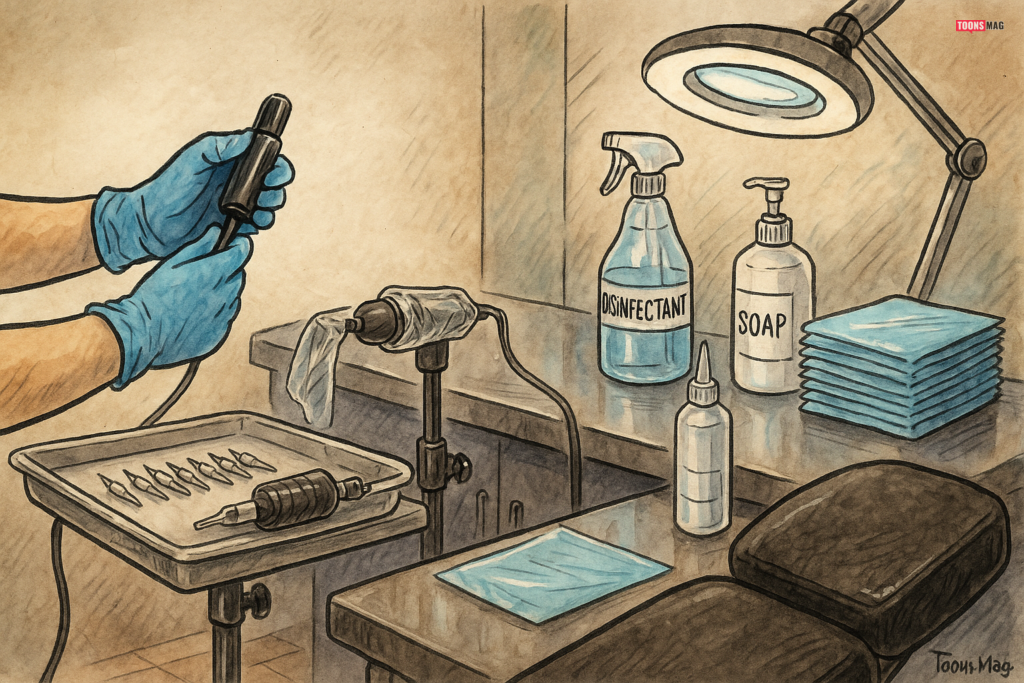
4. A Hygienic, Sterile Workspace
Tattooing is a procedure that opens the skin. Therefore, a tattoo environment must meet strict hygiene health standards.
Typical studio requirements include:
- Nonporous work surfaces
- Medical-grade cleaning supplies
- Proper disposal containers for sharps
- Sterile storage areas
- Adequate lighting
- A designated hand-washing sink
Safety first:
Clients judge tattoo artists not only by their art but by their adherence to cleanliness and professionalism. Hygiene is fundamental—not optional.
5. Tattoo Machines, Power Supplies, and Cords
Modern tattooing uses either coil machines or rotary machines:
Coil Machines:
- Traditional, strong line work
- Adjustable and customizable
- Tend to vibrate more
Rotary Machines:
- Smoother, quieter operation
- Versatile for lining and shading
- Often preferred by beginners under mentorship
Other required hardware includes:
- Power supply
- Foot pedal
- Clip cords
- RCA cords or proprietary cables
Tattoo machines must always be used under professional guidance—misuse can be dangerous or cause permanent skin damage.
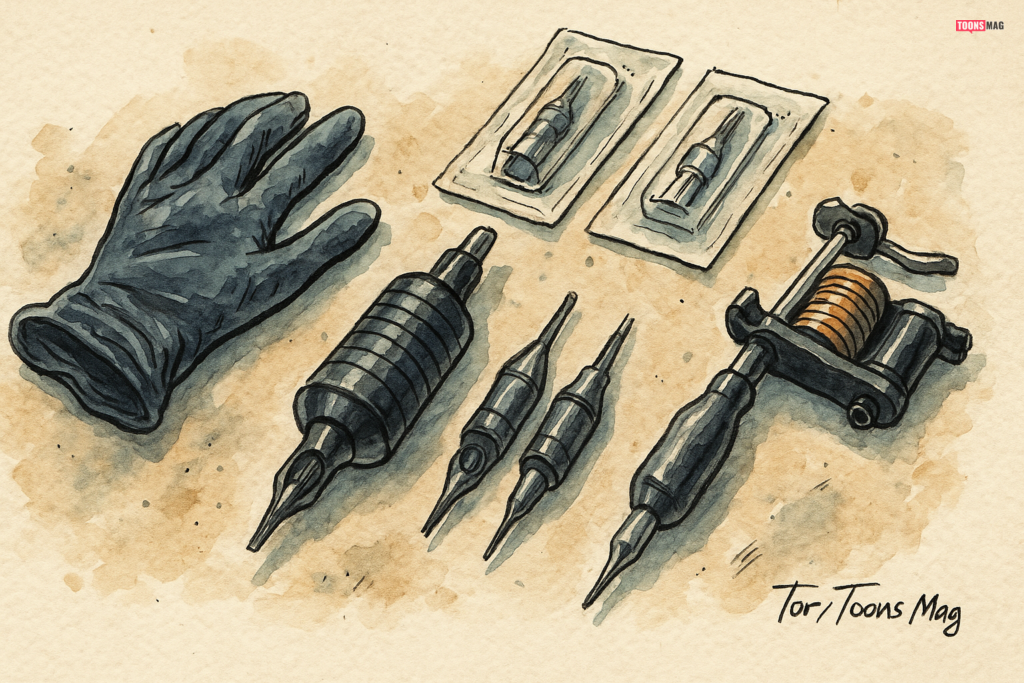
6. Needles, Cartridges, and Inks (Professional-Grade Only)
High-quality tattoo supplies are essential for safe, consistent work. Professionals use pre-sterilized, single-use needles or cartridge systems.
Professional-grade supplies include:
- Standard tattoo needles (liners and shaders)
- Needle cartridges (in compatible machines)
- Certified tattoo inks
- Disposable tubes and grips
These materials must meet health regulations and be sourced from reputable manufacturers.
7. Personal Protective Equipment (PPE)
Safety protects both the artist and the client. Tattoo artists are required to wear:
- Disposable gloves
- Face masks when necessary
- Protective aprons
- Barrier film for equipment
- Clean, professional attire
Tattooing without proper protective gear violates hygiene regulations and endangers clients.
8. Sterilization Equipment and Cleaning Supplies
Tattoo studios must maintain a sterile environment. This includes using:
- Approved disinfectants
- Single-use barriers
- Sterilization pouches
- Cross-contamination protocols
- Autoclaves (where regulated)
Learning correct sterilization practice is part of your apprenticeship—not something to learn online.
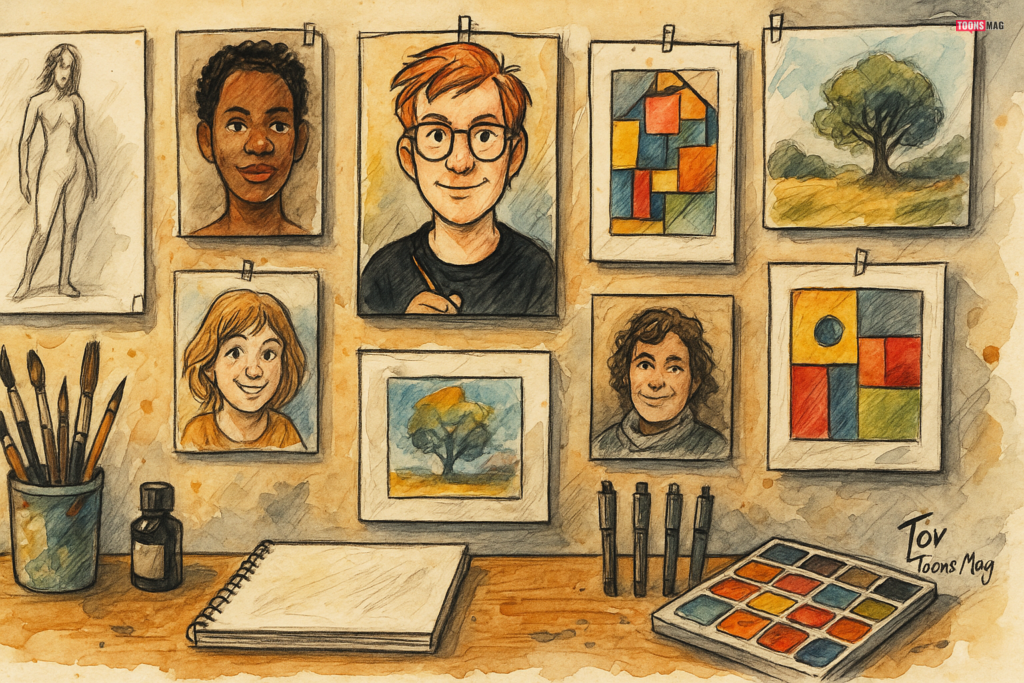
9. A Professional Portfolio
Before entering a shop or seeking an apprenticeship, you need a polished portfolio demonstrating artistic potential.
What to include:
- Line drawings
- Black-and-gray shading studies
- Color designs
- Style variety (traditional, neo-traditional, realism, manga, geometric, etc.)
- Personal creative projects
- Anatomy and perspective practice
Why it matters:
Your portfolio shows commitment, creativity, and readiness for mentorship. It also communicates your emerging style and artistic personality.
10. Business Knowledge and Communication Skills
Tattooing is both an art and a business. Tattoo artists must understand:
- Client communication and expectations
- Portfolio presentation
- Booking systems
- Pricing ethics
- Taxes and self-employment rules
- Social media branding and marketing
Clients choose tattoo artists based on trust, clarity, and professionalism—skills that go beyond drawing ability.
11. Ongoing Practice on Synthetic Materials (Never on People)
Before tattooing human skin, aspiring artists practice under supervision on:
- Synthetic skin
- Silicone panels
- Pig skin (in some training environments)
- Digital drawing tablets
This practice helps artists understand machine handling, hand stability, and shading flow—but only under trained guidance.
Warning:
Self-teaching tattoo techniques or tattooing without mentorship is unsafe and often illegal.
12. A Supportive Creative Community
Tattooing is a demanding profession that requires peer learning, critique, and artistic exchange. Many artists grow through:
- Tattoo conventions
- Artist meetups
- Portfolio reviews
- Online communities
- Cross-disciplinary collaborations
- Studying classic and modern tattoo styles
Communities like those featured in Toons Mag foster cross-cultural inspiration and artistic evolution through comics, cartoons, and illustration.
Tattooing Begins With Art, Discipline, and Responsibility
To start tattooing, you need far more than a machine or a desire to create body art. You need:
- Strong artistic fundamentals
- A professional apprenticeship
- Licensing and legal compliance
- Sterile procedures and safe equipment
- Ethical business practices
- A commitment to lifelong learning
Tattooing is an ancient art with modern responsibilities. As an aspiring tattoo artist, your journey begins not with ink on skin, but with dedication to craft, safety, and respect for the human canvas.
This post was created with our nice and easy submission form. Create your post!







One Comment