

 Ulf Járnsíða

Cartooning and Health Education: Health education is a crucial component of public health, providing individuals and communities with the knowledge and skills needed to make informed decisions about their well-being. However, conveying complex health messages in a way that is accessible, engaging, and memorable can be a significant challenge. This is where the power of cartooning comes into play. Through humor, simplicity, and vivid visuals, cartoons have the ability to break down complex health topics and communicate important messages effectively to a broad audience.
In this article, we will explore the role of cartooning in health education, examining how it helps convey important health messages, raise awareness about public health issues, and promote healthy behaviors. We will also look at the various ways cartoons are used in health education, the benefits they offer, and the potential challenges and ethical considerations associated with their use in communicating health messages.
The Power of Cartooning in Health Education
Cartoons have long been used as a tool for communication, especially when it comes to educating the public about important societal issues. They are effective because they combine visual imagery with humor, making information more accessible and engaging. This makes them a particularly powerful tool in health education, where complex topics such as disease prevention, nutrition, mental health, and public health campaigns need to be communicated in ways that are easy to understand and remember.
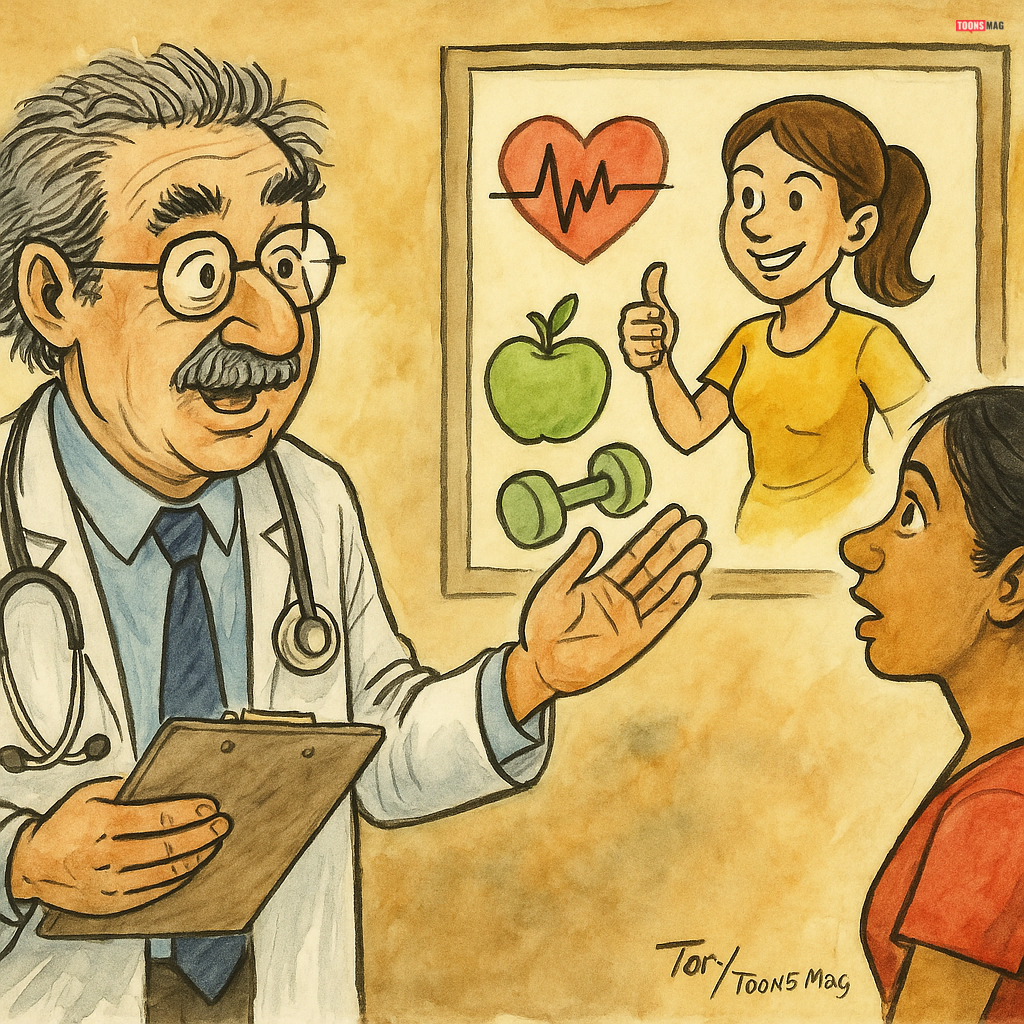
Why Cartoons Are Effective in Health Communication
One of the main reasons why cartoons are so effective in health communication is their ability to simplify complicated information. Health topics often involve scientific jargon or abstract concepts that can be difficult for the general public to understand. Cartoons, with their visual and often exaggerated style, can break down these barriers, presenting key information in a clear and relatable way.
Moreover, cartoons have the ability to evoke emotions and create a strong connection with the audience. Humor is a powerful tool for engaging people, and when used in health education, it can make sensitive topics more approachable. Whether addressing issues like sexual health, mental health, or infectious diseases, cartoons can reduce the stigma around these topics and encourage open discussions.
Engaging and Entertaining the Audience
Health education can sometimes be perceived as dry or intimidating, especially when it involves serious issues such as chronic illness, vaccination, or mental health. Cartoons, however, add an element of entertainment that can capture attention and maintain interest. By using familiar characters, humorous situations, and visual storytelling, cartoons can make learning about health more fun and less overwhelming.
Cartoons also have the ability to reach diverse audiences, including children, adolescents, and adults, making them a versatile tool for health education. For example, cartoons designed for children can use playful characters and simple messages to teach basic hygiene practices or encourage healthy eating. On the other hand, more sophisticated cartoons can address issues like substance abuse or sexual health for older audiences.
The Role of Cartoons in Public Health Campaigns
Public health campaigns are essential for raising awareness about critical health issues and promoting positive behaviors in society. Cartoons play a significant role in these campaigns, often used by government organizations, non-profits, and health professionals to reach large audiences with important messages. Whether it’s promoting vaccination, encouraging physical activity, or educating about disease prevention, cartoons help communicate these messages effectively and memorably.
Vaccination Awareness Campaigns
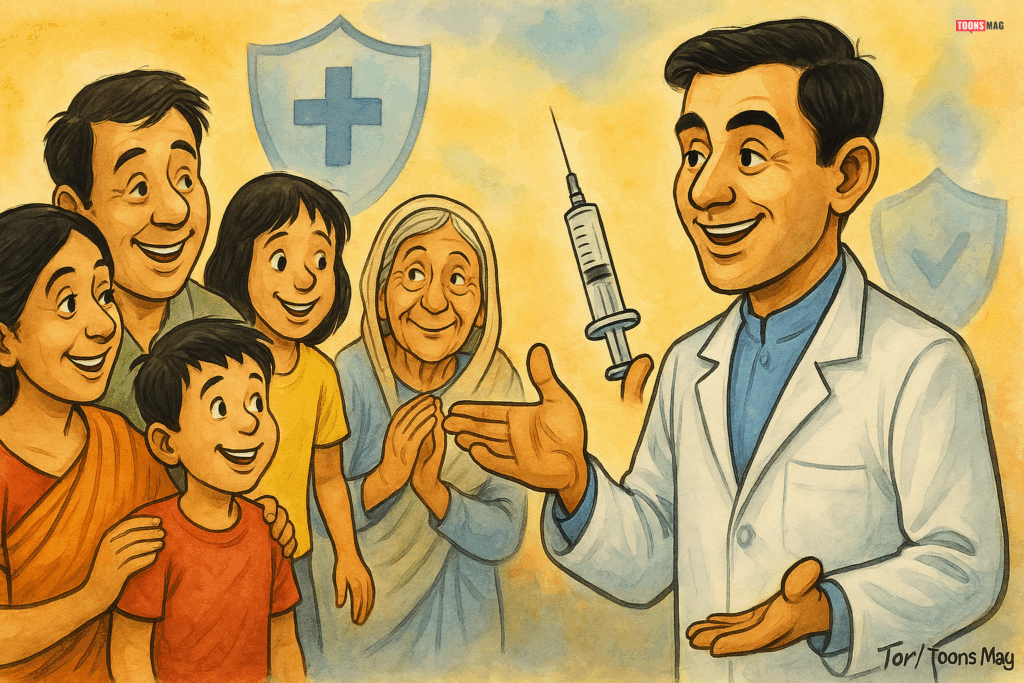
One of the most important areas where cartoons have been used in health education is in vaccination campaigns. Vaccination is a critical tool in preventing infectious diseases, but despite its importance, there is often resistance to vaccination due to misinformation, fear, or lack of understanding. Cartoons can help combat these challenges by presenting factual information in a friendly, engaging, and accessible manner.
For instance, the World Health Organization (WHO) has used cartoons to educate the public about the safety and efficacy of vaccines, dispelling myths and encouraging people to get vaccinated. These cartoons often feature cartoon characters that go on a journey to understand vaccination, addressing common concerns and questions along the way. By using humor and relatable characters, these cartoons make the topic less intimidating and more approachable for people of all ages.
Promoting Healthy Behaviors
In addition to vaccination, cartoons are frequently used to promote healthy behaviors such as exercise, healthy eating, and proper hygiene. Health organizations often use cartoons to encourage people to engage in physical activities or make healthier food choices. For example, a cartoon featuring a fun and energetic character exercising can motivate viewers to adopt a more active lifestyle.
Similarly, cartoons can teach children the importance of washing their hands, brushing their teeth, and eating nutritious foods. These topics, which are essential for preventing illness and promoting well-being, can be made fun and engaging through the use of colorful characters and playful situations.
Mental Health Awareness
Cartoons also play an important role in raising awareness about mental health issues, an area that has historically been underrepresented in health education. Mental health issues are often stigmatized, and many individuals hesitate to seek help due to fear of judgment or misunderstanding. Cartoons, with their ability to tackle sensitive topics in a light-hearted and approachable way, can break down these barriers and promote open conversations about mental health.
For example, cartoons addressing anxiety, depression, or stress management can depict characters dealing with these challenges in a relatable way. By using humor and empathy, these cartoons help normalize mental health issues and encourage individuals to seek support when needed. Mental health advocacy groups have used cartoons in campaigns to educate the public about the importance of mental well-being and to reduce the stigma surrounding mental health treatment.
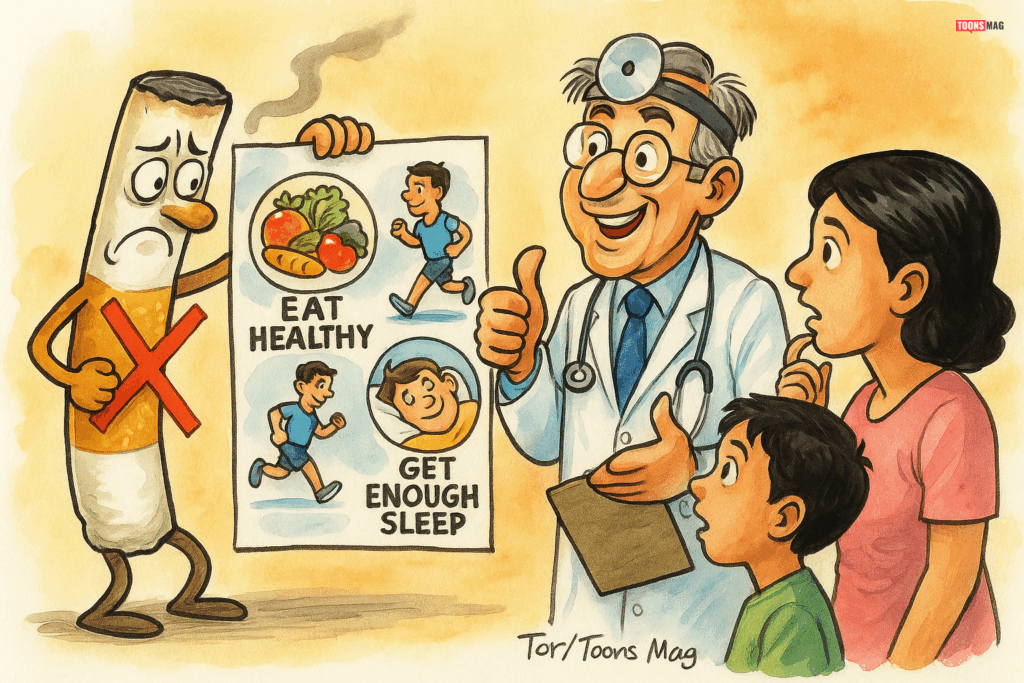
How Cartoons Educate Children About Health
One of the most significant contributions of cartoons to health education is their ability to educate children. Children are at an impressionable age, and teaching them about healthy behaviors early on can have a lasting impact on their future health choices. Cartoon characters, who are often seen as friends or role models, can play a pivotal role in conveying important health messages to young audiences.
Teaching Hygiene and Preventing Illness
Cartoons are widely used to teach children about basic hygiene practices, such as handwashing, brushing teeth, and covering their mouth when coughing. These simple habits can prevent the spread of germs and illness, yet many children need encouragement and reminders to adopt them. Cartoons can make these messages fun and memorable, using catchy songs or humorous situations to reinforce the importance of good hygiene.
For example, the “Germs Are Not for Sharing” campaign by the Centers for Disease Control and Prevention (CDC) used a series of colorful cartoon characters to teach children about the importance of handwashing, especially during flu season. The characters would wash their hands with exaggerated motions, making the process appear exciting and fun. By associating hygiene with fun visuals and characters, children are more likely to adopt these habits into their daily routines.
Promoting Healthy Eating and Active Lifestyles
Cartoons have also been used to promote healthy eating habits and physical activity among children. Animated characters, often in the form of superheroes or friendly animals, can model healthy behaviors, showing kids how fun and rewarding it is to eat fruits and vegetables or engage in physical activity.
Cartoons such as Sesame Street have been instrumental in teaching children about the importance of a balanced diet. The characters Elmo, Cookie Monster, and others encourage kids to eat healthy snacks, exercise, and practice good eating habits. This type of health education is particularly important in a time when childhood obesity rates are on the rise, and many children struggle to understand the importance of good nutrition and physical activity.
Addressing Emotional Well-Being
In addition to physical health, cartoons also address emotional well-being. Issues such as self-esteem, bullying, and mental health can be challenging for children to navigate. Through cartoons, children can learn how to manage their emotions, deal with stress, and build resilience.
For instance, characters in cartoons might model coping mechanisms for anxiety or demonstrate how to handle difficult situations like conflict with friends or family. These visual lessons can help children build emotional intelligence and develop the skills necessary to navigate life’s challenges in a healthy, positive way.
Cartooning for Health Education in Schools and Communities
Cartoons are not just limited to educational campaigns—they are increasingly being used in schools and communities to promote health and wellness. Many schools incorporate cartoon-based health education programs into their curriculum, helping children learn about personal hygiene, nutrition, exercise, and emotional well-being in an engaging and interactive way.
Cartoon-Based Health Education in Schools
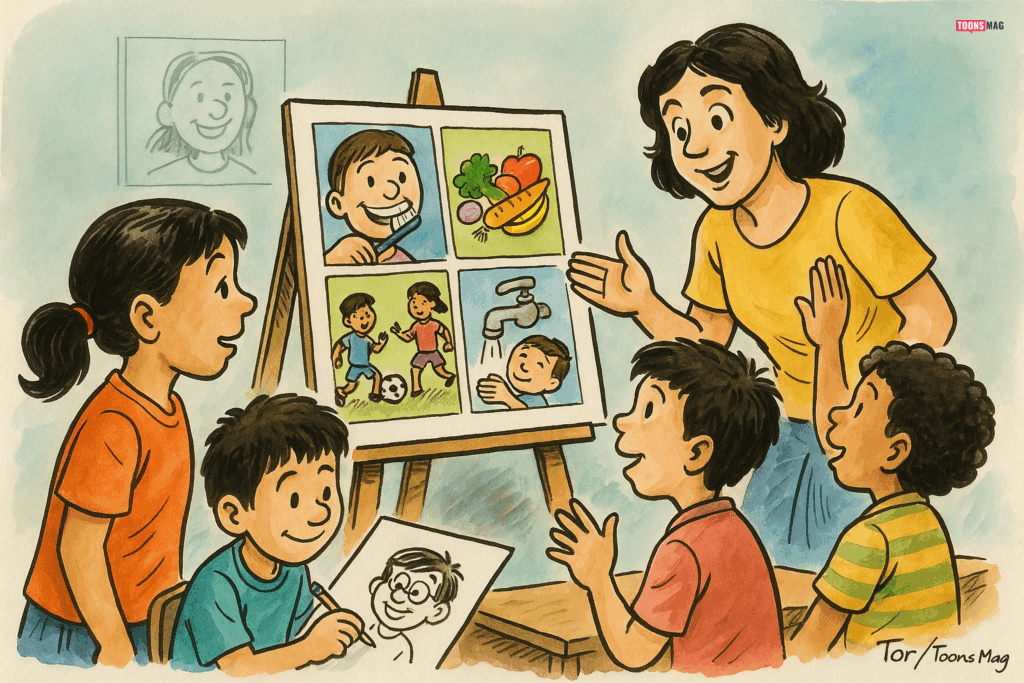
In the classroom, teachers and health educators use cartoons to introduce health topics in a way that resonates with children. Cartoon-based resources such as books, posters, videos, and online materials are used to supplement traditional teaching methods, making health education more engaging and accessible. By utilizing cartoons, educators can capture the attention of students and ensure that they retain key health messages.
Some programs even involve students in creating their own cartoons to address health topics. This participatory approach not only allows students to express their understanding of health concepts but also empowers them to think creatively about how to communicate important messages to others. These student-created cartoons can be shared within the school community, fostering a sense of ownership and engagement with health education.
Community Health Campaigns and Public Service Announcements
Cartoons are also a valuable tool for community health education. Local health departments and non-profit organizations often use cartoons in public service announcements (PSAs) and community outreach campaigns. These cartoons can address a wide range of health topics, from smoking cessation and alcohol abuse prevention to sexual health and injury prevention.
For example, public health campaigns aimed at raising awareness about smoking often use cartoons to depict the negative effects of tobacco use in a humorous, but impactful way. By using cartoon characters to show the dangers of smoking, these campaigns make the message more relatable and less confrontational, which can encourage individuals to consider quitting.
The Challenges and Ethical Considerations in Using Cartoons for Health Education
While cartoons are an incredibly effective tool for health education, their use does come with challenges and ethical considerations. The simplicity and humor of cartoons can sometimes oversimplify complex health issues, potentially leading to misunderstandings or misinterpretations. Moreover, cartoonists must be sensitive to cultural differences and avoid perpetuating stereotypes or misinformation.
Balancing Humor and Sensitivity
Health education often involves sensitive topics, such as mental health, addiction, or chronic illness. While humor can help break down barriers, it must be used carefully to ensure that it does not trivialize the severity of the issue or offend the target audience. For instance, a cartoon about mental health should avoid reinforcing harmful stereotypes about mental illness, and a cartoon about chronic diseases should not minimize the struggles of those affected.
Ensuring Accuracy in Health Information
Cartoons are most effective when they provide accurate, evidence-based information. Health educators and cartoonists must work closely together to ensure that the information conveyed in cartoons is scientifically sound and free from misleading or harmful content. Cartoons that misrepresent health issues or spread false information can undermine the effectiveness of health education and potentially harm the very people they are intended to help.
Cultural Sensitivity in Cartoons
Health messages are often tailored to specific cultural or demographic groups. Cartoons must be sensitive to cultural norms and values to avoid alienating or offending particular communities. What may be humorous or relatable to one group may not be appropriate for another. It is crucial for cartoonists to consider the diversity of their audience and ensure that their cartoons reflect the values and experiences of those they are trying to educate.
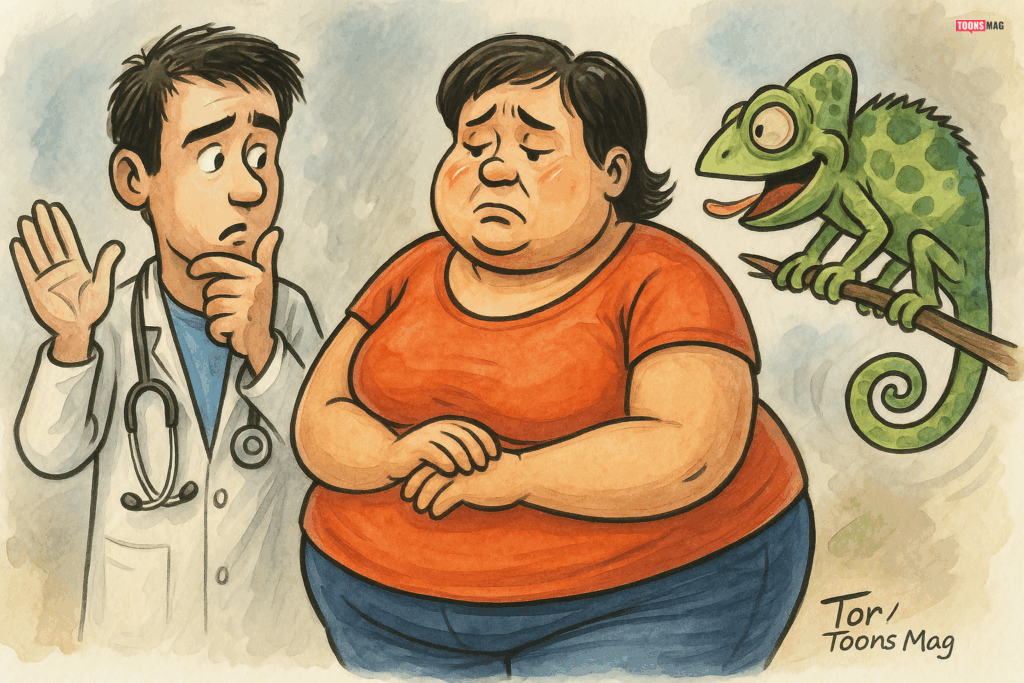
Cartooning and Health Education
Cartooning plays a powerful and essential role in health education, offering a creative and engaging way to communicate important health messages. Through humor, visual storytelling, and simplified messaging, cartoons help to break down complex health issues, make them more accessible, and encourage positive behaviors. Whether it’s promoting healthy eating, raising awareness about disease prevention, or addressing mental health, cartoons have the power to inspire change and empower individuals to take charge of their health.
By using cartoons in public health campaigns, schools, and communities, health educators can reach diverse audiences and make critical health information more engaging and memorable. However, as with any educational tool, it is important to approach cartoon-based health education with care and responsibility, ensuring that the information is accurate, culturally sensitive, and sensitive to the issues at hand.
As the world continues to face new health challenges, cartooning will undoubtedly remain a vital tool in health education, helping individuals to draw on their creativity and dream of a healthier future. Through cartoons, we can communicate, educate, and inspire the world toward better health and well-being.
For a deeper insight into how cartoons are revolutionizing medical education, you might find this video informative:
This post was created with our nice and easy submission form. Create your post!



One Comment