
 Emma White

How to Design a Cartoon Mascot for Your Brand: A cartoon mascot can be the heart and soul of your brand, a friendly face that tells your story, evokes emotion, and sets you apart in a crowded market. From brainstorming ideas to refining your final design, creating an effective mascot involves a blend of creative inspiration, strategic planning, and iterative refinement. This guide will take you through the essential steps to design a cartoon mascot that not only looks eye-catching but also resonates with your target audience and strengthens your brand identity.
1. The Power of a Mascot
A well-designed cartoon mascot does more than just represent your brand—it becomes an ambassador, instantly recognizable and memorable. Mascots can inject personality into your marketing, create emotional connections with consumers, and even turn into viral icons. Think of iconic mascots like the Geico Gecko, the Kool-Aid Man, or even Tony the Tiger. These characters are not just logos; they tell stories and build trust with audiences.
2. Why Choose a Cartoon Mascot?
2.1 Benefits for Your Brand
- Emotional Connection: A friendly, engaging mascot humanizes your brand and makes it relatable.
- Brand Recall: A unique character stands out in consumers’ minds, boosting recognition and recall.
- Versatility: Mascots can be used across various media—from websites and social media to packaging and advertising.
- Storytelling: They offer a visual narrative that can encapsulate your brand values and message.
2.2 Mascots in Marketing
Successful brands use mascots to create a consistent identity and tone. Whether you’re looking to inject humor, warmth, or innovation, a cartoon mascot can be tailored to communicate your brand’s unique personality.
3. Defining Your Brand Identity
Before diving into design, you must understand your brand inside and out.
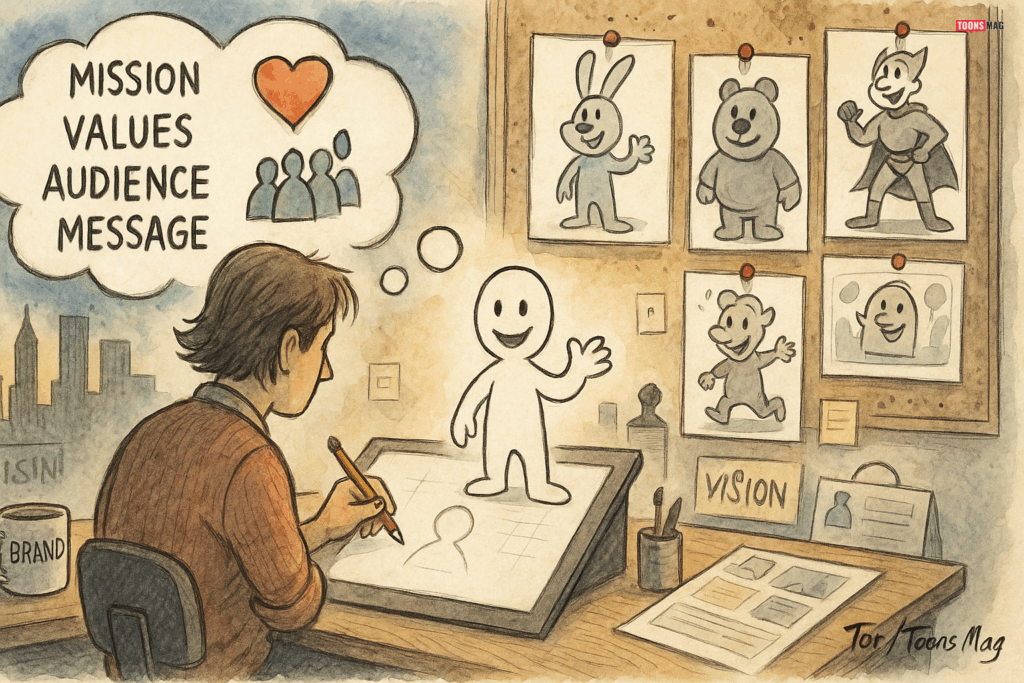
3.1 Know Your Brand’s Mission and Values
- Core Message: What do you want your brand to say?
- Audience: Who are you targeting? What appeals to them?
- Tone: Is your brand fun and quirky, professional and sleek, or perhaps bold and adventurous?
3.2 Analyzing Competitors
- Differentiation: Look at mascots in your industry. What works? What can you do differently?
- Market Positioning: Determine how your mascot can highlight your brand’s unique selling points.
4. Research and Brainstorming
4.1 Collecting Inspiration
- Mood Boards: Create a digital or physical mood board with colors, styles, and images that inspire you.
- Mascot Case Studies: Research successful mascots from various industries to see what elements make them work.
- Cultural Relevance: Consider symbols, motifs, and styles that resonate with your target audience.
4.2 Brainstorming Ideas
- Word Association: Start with keywords that represent your brand. Let these words spark ideas for character traits and visual elements.
- Sketch Sessions: Doodle rough ideas without worrying about perfection. The goal is to generate a variety of concepts that capture different aspects of your brand personality.
5. Developing Your Mascot’s Personality
A mascot’s personality is key to its effectiveness. It should reflect your brand’s values and be relatable to your audience.
5.1 Defining Character Traits
- Adjectives: List descriptive words that define your mascot (e.g., friendly, adventurous, quirky, bold).
- Backstory: Create a brief backstory for your mascot. Where does it come from? What drives its behavior?
- Voice and Tone: Decide how your mascot “speaks” through its expressions and body language. This will influence your design choices.
5.2 Sketching Initial Concepts
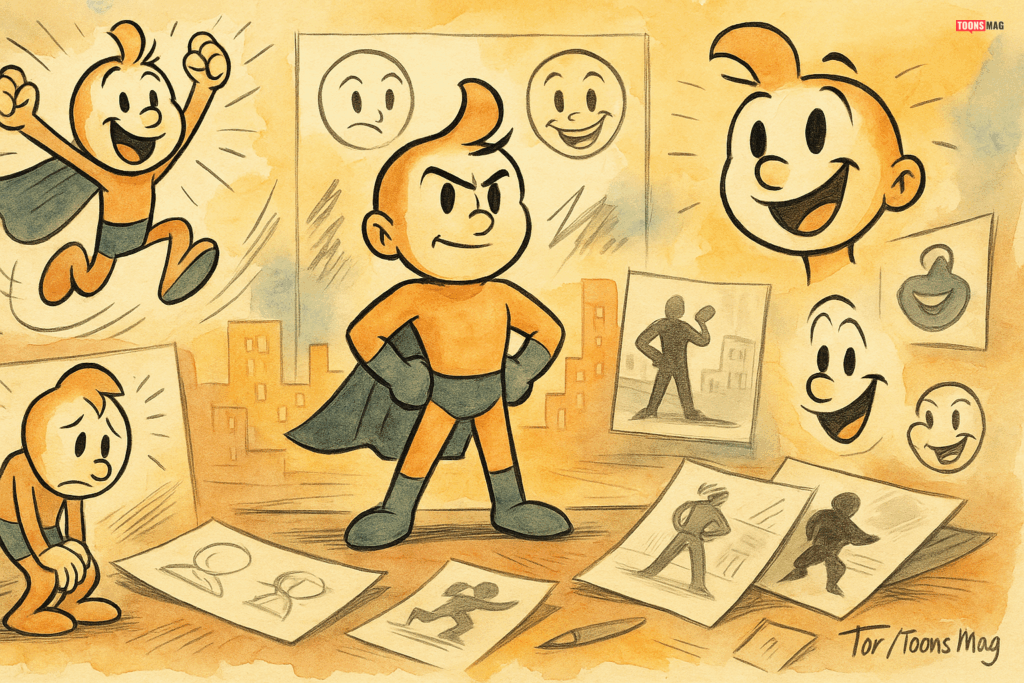
- Silhouette Studies: Draw several simple silhouettes to capture different body types and postures.
- Facial Expressions: Experiment with a range of expressions to convey various emotions.
- Variations: Produce multiple iterations that tweak features such as size, proportion, and style until one concept stands out.
6. Sketching the Basic Structure
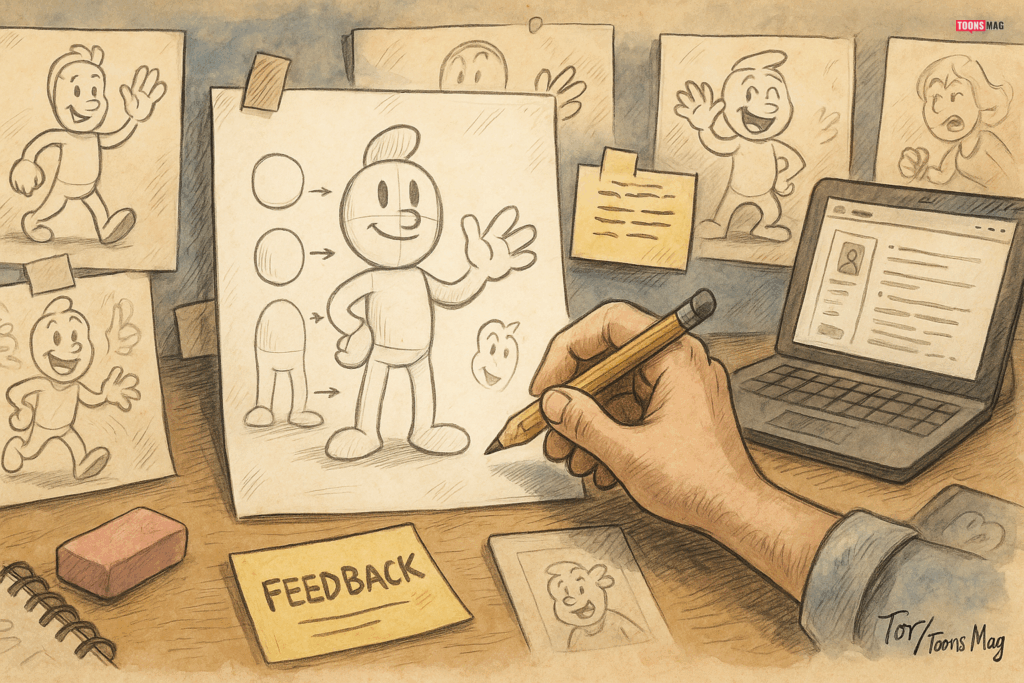
6.1 Using Basic Shapes
- Head: Start with a circle or oval as the base.
- Body: Create the torso using rectangles or ovals.
- Limbs: Use simple lines or cylinders to form arms and legs.
- Guidelines: Draw light guidelines for facial features and body alignment to maintain consistency.
6.2 Iterative Sketching
- Multiple Drafts: Don’t be afraid to sketch several versions of your mascot to explore different ideas.
- Feedback: Share your initial sketches with peers or online communities (e.g., r/learnart) for constructive critique.
- Refinement: Gradually refine your favorite concept by adjusting proportions, expressions, and details.
7. Focusing on Expressive Facial Features
7.1 Eyes as Windows to Personality
- Shape and Size: Larger eyes can evoke innocence, while sharper, narrower eyes might suggest cunning or determination.
- Emotion: Practice drawing various expressions—surprise, joy, sadness, and mischief.
- Detailing: Add highlights, eyelids, and eyebrows to intensify the emotion.
7.2 Crafting the Mouth and Smile
- Basic Lines: Begin with simple curves to represent smiles or frowns.
- Variations: Experiment with open vs. closed mouths to convey different emotions.
- Integration: Ensure the mouth’s expression aligns with the eyes and overall character personality.
7.3 Enhancing with Eyebrows and Other Features
- Eyebrows: Use different shapes and angles to further express mood—arched for excitement, furrowed for anger.
- Nose and Ears: Keep them simple but distinctive, so they contribute to the character without overwhelming the face.
8. Mastering Body Language and Poses
8.1 Dynamic Poses
- Gesture Drawing: Practice quick, dynamic poses to capture energy and movement.
- Action Lines: Use a central action line to guide the flow of the pose.
- Balance and Proportion: Ensure the body language reflects the character’s personality—confident, playful, or shy.
8.2 Integrating Facial and Body Expressions
- Complementarity: Ensure that the body language supports the facial expression. A wide smile should accompany an open, relaxed posture.
- Storytelling: Think of each pose as a silent narrative that tells your audience something about the character’s mood or situation.
9. Choosing the Right Colors and Style
9.1 Establishing a Color Palette
- Brand Alignment: Use colors that align with your brand identity.
- Contrast and Harmony: Choose contrasting colors for emphasis, but ensure they work well together.
- Consistency: Keep a consistent color scheme across all elements of your mascot design.
9.2 Style Considerations
- Cartoon vs. Semi-Realistic: Decide whether your mascot should have exaggerated cartoon features or a slightly more realistic look.
- Cultural Relevance: Consider color symbolism and design trends that resonate with your target audience.
- Adaptability: Ensure your style works well across different media—from digital platforms to print materials.
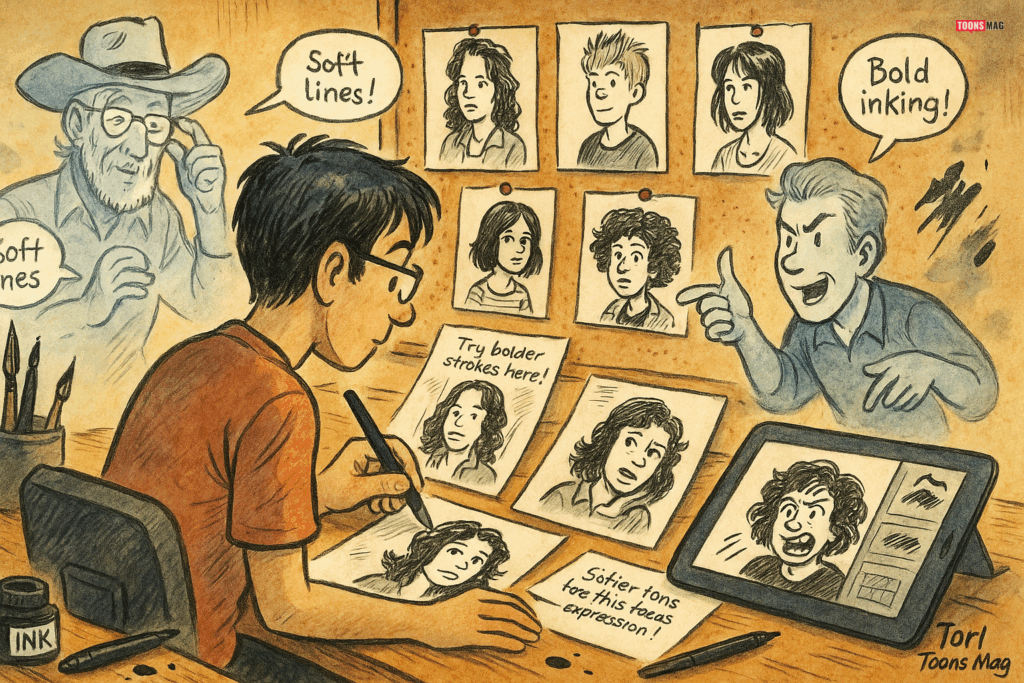
10. Inking and Refining Your Design
10.1 The Role of Inking
- Clean Lines: Inking solidifies your sketch into a definitive image.
- Expressive Techniques: Experiment with line weight and texture to add depth and personality.
- Tools: Whether traditional or digital, choose inking tools that complement your drawing style.
10.2 Digital vs. Traditional Inking
- Traditional: Dip pens, brush pens, and fine liners offer a tactile feel.
- Digital: Software like Clip Studio Paint or Procreate offers layers and undo features for precise editing.
- Hybrid Approaches: Many artists scan their hand-drawn sketches and enhance them digitally to blend the best of both worlds.
11. Adding the Final Touches
11.1 Shading and Highlights
- Depth and Volume: Use shading to add dimension and realism to your mascot.
- Light Source: Establish a consistent light source to ensure your shading looks natural.
- Texture: Incorporate cross-hatching or digital effects to simulate different textures (e.g., fur, fabric).
11.2 Background and Context
- Simple Backdrops: A minimal background can make your mascot stand out.
- Brand Integration: Consider adding subtle brand elements—like your logo or brand colors—in the background.
- Versatility: Ensure that your final design works well on various mediums, from websites to merchandise.
12. Testing and Gathering Feedback
12.1 Sharing Your Design
- Online Communities: Post your mascot on platforms like Reddit’s r/learnart or DeviantArt to get constructive criticism.
- Focus Groups: If possible, gather feedback from a small group of potential customers or team members.
- Iterative Refinement: Use the feedback to make necessary adjustments and improve the design.
12.2 Analyzing Response
- Engagement Metrics: Look at likes, comments, and shares if you post online.
- Direct Feedback: Ask specific questions about what works and what could be improved.
- Continued Testing: Don’t hesitate to revise your design multiple times until it fully resonates with your audience.
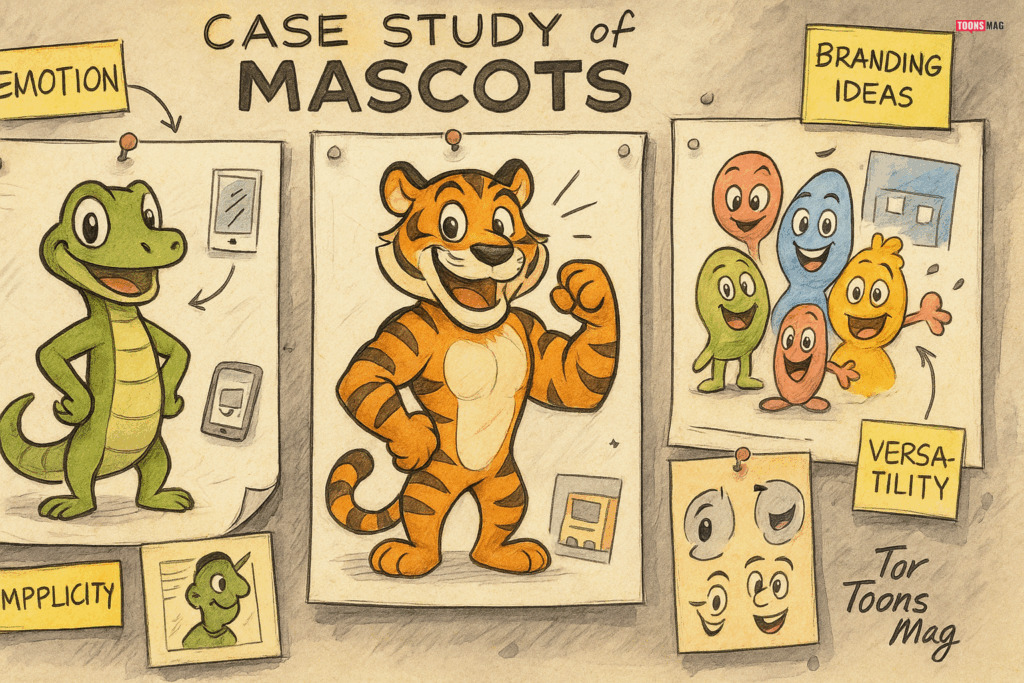
13. Case Studies: Successful Cartoon Mascots
13.1 Iconic Mascots in Branding
- The Geico Gecko: Simple yet memorable, this mascot uses humor and clear design to stand out.
- Tony the Tiger: Bold colors and an energetic personality have made Tony an enduring symbol for Kellogg’s Frosted Flakes.
- M&M’s Characters: Each M&M has its own personality, created through unique designs and vibrant color schemes.
13.2 Lessons Learned from the Masters
- Simplicity: The best mascots are often simple and easy to remember.
- Emotion: Effective use of facial expression and body language is key.
- Versatility: A mascot should be adaptable to various media and applications—from digital ads to physical merchandise.
Tip: Analyze these examples to understand the common threads that make a mascot effective, and apply these insights to your own design.
14. Incorporating Your Mascot into Your Brand
14.1 Branding Strategy
- Consistency: Ensure your mascot design is consistent across all platforms—website, social media, packaging, and advertisements.
- Integration: Use your mascot as a central element in your brand’s visual identity.
- Storytelling: Let your mascot tell your brand’s story through its design, personality, and the narrative it represents.
14.2 Marketing Applications
- Digital Presence: Use your mascot in social media posts, email campaigns, and online ads.
- Merchandise: Consider creating branded merchandise featuring your mascot to enhance brand recognition.
- Corporate Culture: Incorporate your mascot into your internal branding and company events to foster a cohesive brand identity.
15. How to Design a Cartoon Mascot for Your Brand: Your Mascot, Your Brand’s Ambassador
Designing a cartoon mascot is a creative adventure that marries art with strategy. It begins with understanding your brand’s core values, exploring various design elements, and iterating until you find the perfect representation of your identity. Your mascot should not only capture attention but also create an emotional bond with your audience, becoming a memorable symbol of your brand.
Remember, the best designs come from a mix of inspiration, hard work, and continuous refinement. As you embark on your mascot design journey, stay open to feedback, experiment boldly, and trust your creative instincts. Over time, your mascot will evolve into a powerful emblem that communicates your brand’s unique story and connects with customers on a personal level.
Whether you choose to work traditionally, digitally, or a blend of both, the process is a rewarding journey of self-expression and innovation. With dedication and the right tools at your disposal, you can create a cartoon mascot that not only stands out but also becomes an integral part of your brand’s identity.
This post was created with our nice and easy submission form. Create your post!


One Comment