
 Sondre Borg

Caricature is a unique art form that captures the essence of a subject through exaggeration. By stretching, distorting, and amplifying distinctive features, caricature artists create images that are instantly recognizable, humorous, and often surprisingly insightful. This article explores how caricature artists use exaggeration to create humor, the historical evolution of the style, the psychological impact of exaggeration, and practical tips for artists who want to develop their own distinctive caricature style.
1. The Art of Exaggeration
Exaggeration is at the heart of caricature. It is the process of emphasizing and distorting certain features of a subject to reveal personality, evoke humor, and often make a social or political commentary. Unlike realistic portraiture, which seeks to capture a subject’s likeness as accurately as possible, caricature intentionally distorts reality to highlight what makes the subject unique. This deliberate distortion can be both humorous and thought-provoking, serving as a mirror that reflects the quirks, foibles, and idiosyncrasies of its subject.
Caricatures are found everywhere—from political cartoons in newspapers and magazines to street art and gallery exhibitions. They provide a playful, sometimes satirical, commentary on society and culture while celebrating individuality. In understanding how caricature artists exaggerate features for humor, we delve into techniques that have been refined over centuries, blending artistic tradition with modern sensibilities.
2. Historical Roots of Caricature
2.1 Early Beginnings in Europe
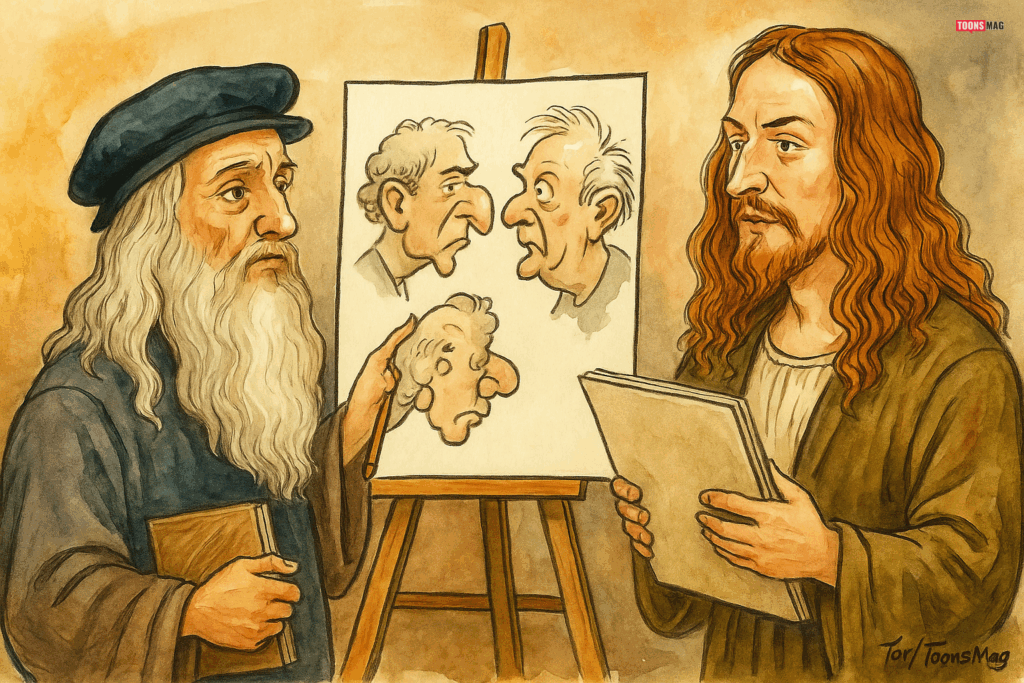
Caricature has a long history that stretches back to the Renaissance and beyond. Early European artists began to experiment with exaggeration to make satirical points about public figures, social classes, and political events. In the 16th century, artists like Leonardo da Vinci and Albrecht Dürer made early studies of human features, noting the differences in facial structure and expression. However, it was in the 18th century that caricature as we recognize it began to flourish.
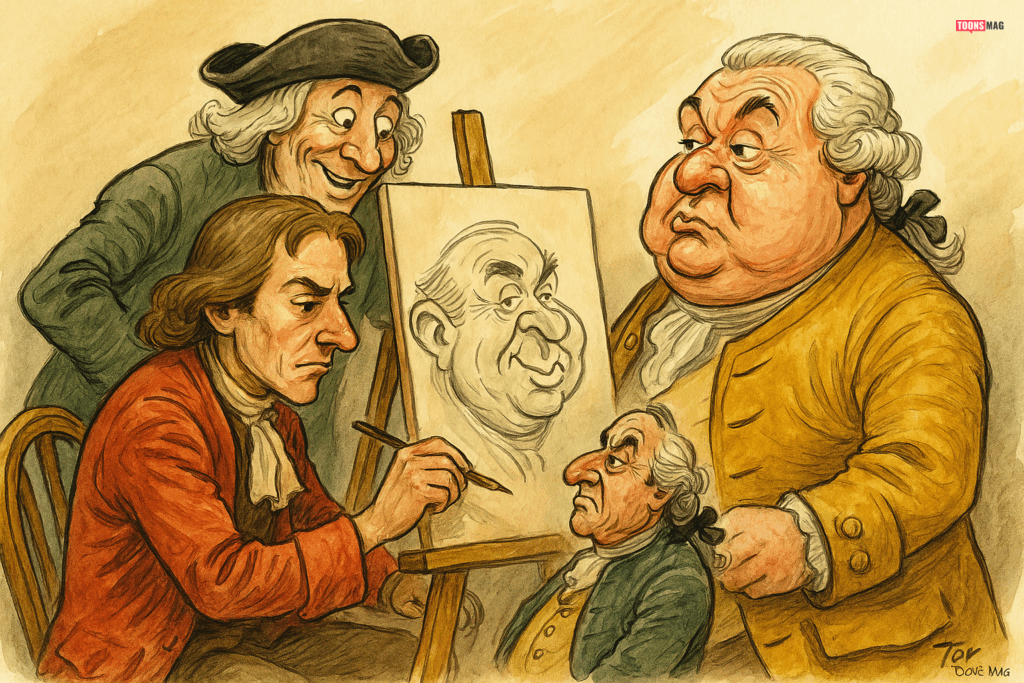
In Britain, artists such as James Gillray and George Cruikshank became famous for their biting political cartoons. Their work exaggerated the features of political leaders to ridicule their policies and personalities. These caricatures were not only humorous; they also served as powerful social and political commentaries. The exaggerated features, such as bulging eyes, elongated noses, and exaggerated expressions, captured the public’s attention and communicated complex ideas in a single, impactful image.
2.2 The Evolution in America
In America, caricature found a home in editorial cartoons and later in comic strips. Artists like Thomas Nast, known as the “Father of the American Cartoon,” used exaggeration to shape public opinion on issues such as corruption and political scandals during the late 19th century. Nast’s cartoons helped define the visual language of American political satire, where symbols like Uncle Sam and the Republican elephant were born from his exaggerated depictions of reality.
Over time, American caricature evolved with the rise of popular culture and mass media. As television and magazines became prominent, caricature artists adapted their techniques to comment on the rapidly changing social landscape. Today, political and entertainment cartoons continue to draw on centuries-old traditions while incorporating modern influences.
3. Psychological Foundations of Exaggeration
3.1 The Role of Exaggeration in Human Perception
Humans are naturally drawn to extremes. Our brains are wired to notice unusual or heightened features because they stand out from the norm. This psychological principle is one reason caricatures work so effectively. By exaggerating certain aspects of a person’s face or body, the artist creates an image that is immediately attention-grabbing and memorable.
Exaggeration taps into our cognitive biases: we are more likely to remember and react to stimuli that deviate from average. In the context of a caricature, exaggerated features—such as an oversized nose or a wide, expressive smile—become symbols of the subject’s character. This amplification not only enhances recognition but also provides a shorthand for conveying personality traits or behavioral tendencies.
3.2 Humor Through Distortion
Humor often arises from the unexpected. When familiar features are distorted in a playful or absurd manner, it can create a comic effect that surprises and delights the viewer. Caricature artists use this principle by taking recognizable traits and amplifying them until they become caricatures of themselves. The exaggeration can be absurd, yet it resonates because it is rooted in truth—capturing a real aspect of the subject’s appearance or demeanor.
Moreover, humor in caricature is not just about making someone laugh; it also provides a way to critique or celebrate a person’s character. The very act of exaggeration forces the viewer to confront the subject’s identity in a new light, often prompting a re-evaluation of stereotypes or conventional views.
3.3 Emotional Impact and Viewer Engagement
Exaggerated features in caricature can evoke strong emotional responses. A cartoon with a comically large grin or a furrowed brow can instantly communicate feelings such as joy, anger, or surprise. This emotional clarity is one reason why caricatures have remained popular: they simplify complex emotions into visual cues that are universally understood.
By exaggerating particular traits, artists can guide the viewer’s emotional response. For example, an overly large, expressive pair of eyes can evoke empathy or curiosity, while an exaggerated frown might suggest disapproval or humor. This direct connection between visual exaggeration and emotional response is what makes caricature a powerful tool in both art and satire.
4. Techniques for Exaggerating Features
4.1 Observational Skills and Proportions
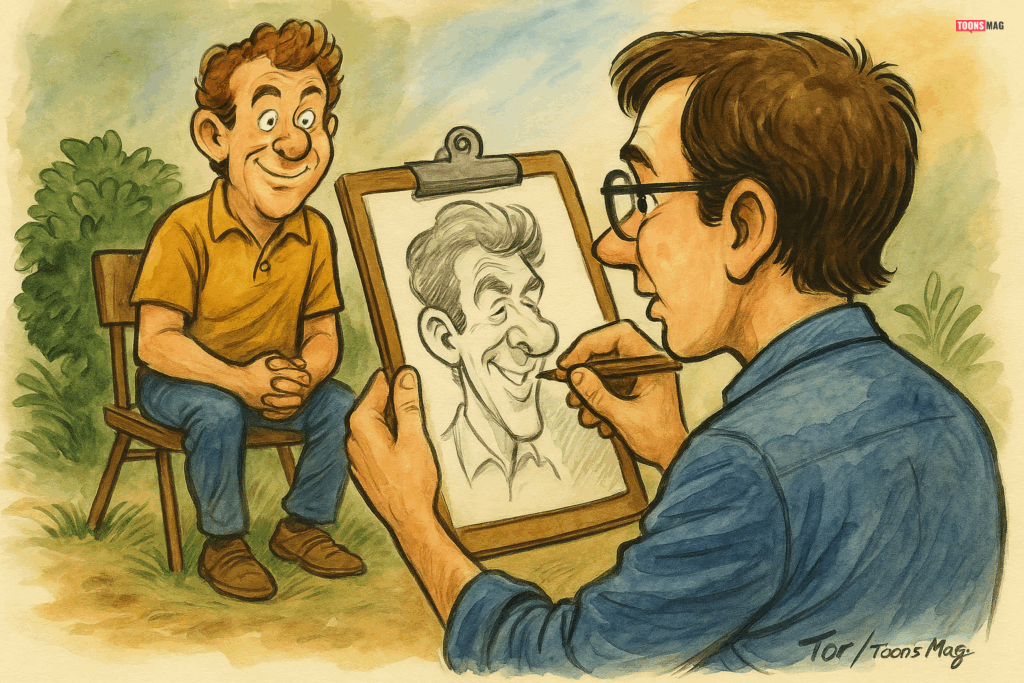
The first step in creating a compelling caricature is keen observation. Caricature artists study their subjects carefully, noting the unique characteristics that define them. This might include a prominent chin, a distinctive hairstyle, or an unusual expression. Once these features are identified, the artist can begin to experiment with exaggerating them.
Proportions play a crucial role in this process. While the overall structure of the face or body should remain recognizable, certain features are deliberately altered in size, shape, or placement. This manipulation of proportions is what transforms a realistic portrait into a humorous caricature.
4.2 Line Art and Sketching
Line art is the foundation of any drawing, and in caricature, it’s especially important. Caricature artists use lines to define shapes and contours while leaving room for exaggeration. The type of line used—thick, thin, curved, or angular—can dramatically affect the portrayal of a feature.
- Bold, Thick Lines: These are often used to emphasize the main features of the face, such as the jawline or eyes.
- Curved Lines: These can exaggerate expressions, such as a wide smile or a deep frown.
- Fluid, Dynamic Strokes: These help convey movement and energy, essential for capturing a subject’s personality.
Many artists start with pencil sketches, gradually refining their work with ink or digital tools. This iterative process allows them to experiment with different degrees of exaggeration until the desired balance is achieved.
4.3 Digital Tools and Software
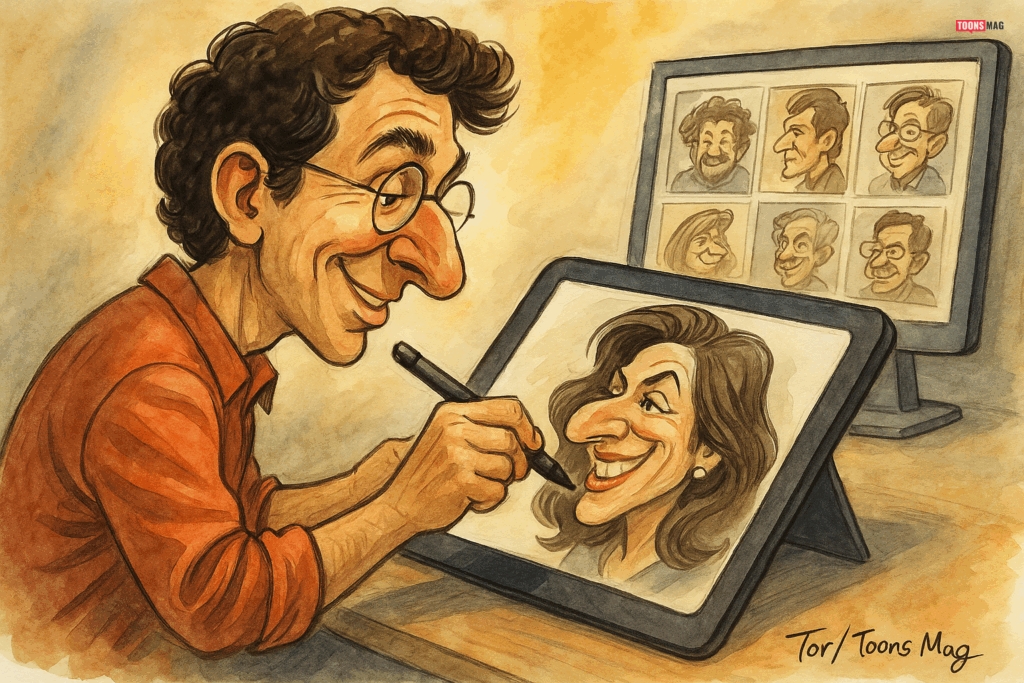
In the modern era, digital tools have become indispensable for caricature artists. Software like Adobe Photoshop, Clip Studio Paint, and Procreate offer a range of brushes and effects that can simulate traditional media. Digital illustration allows for easy adjustments, layering, and experimentation with colors and textures—making it simpler to refine exaggerated features.
Digital tools also enable artists to work non-destructively. Layers, masks, and undo functions let artists experiment with various exaggeration levels without losing their original work. This flexibility has opened up new possibilities in caricature, allowing for intricate details and creative effects that enhance the humorous impact of the artwork.
5. The Role of Exaggeration in Character Design
5.1 Creating a Memorable Silhouette
A distinctive silhouette is crucial for any caricature. The exaggerated features should contribute to a strong, recognizable outline that captures the essence of the subject. Simplifying the form into bold, easily identifiable shapes ensures that even at a glance, the caricature is unmistakable. This is why many famous caricatures feature enlarged heads, distinctive hairstyles, or exaggerated facial expressions.
5.2 Emphasizing Key Features
Not all features are exaggerated equally. A skilled caricature artist focuses on amplifying those characteristics that are most unique or expressive. For instance, a politician might be caricatured with an oversized nose or a comically small mouth to highlight perceived traits. By concentrating on these elements, the artist not only creates humor but also communicates a commentary on the subject’s personality or public image.
5.3 Balancing Exaggeration and Likeness
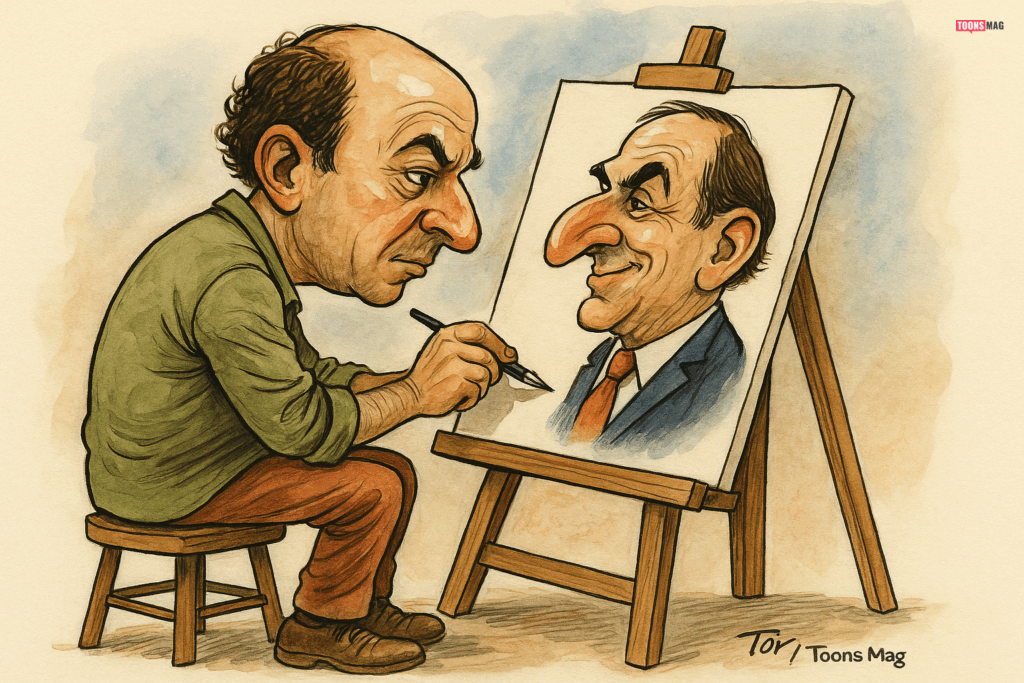
While exaggeration is key to caricature, maintaining a balance is critical. The subject should still be recognizable. If the distortion is too extreme, the viewer may lose the connection with the subject. The art lies in finding the sweet spot where the exaggeration enhances the character’s traits without erasing their identity. This delicate balance is often achieved through careful observation and multiple iterations of the drawing.
6. Exaggeration Techniques in Practice
6.1 Facial Expressions and Emotions
One of the most effective uses of exaggeration is in conveying emotion. Caricature artists often amplify facial expressions to communicate feelings such as joy, anger, or surprise. For example:
- Eyes: Enlarged, expressive eyes can evoke empathy or create a sense of wonder.
- Mouth: A wide, exaggerated smile or frown can instantly convey strong emotions.
- Eyebrows: Arched or heavily drawn eyebrows can add drama or emphasize a particular mood.
These techniques make the character’s emotional state immediately clear, enhancing the overall humor and impact of the caricature.
6.2 Body Proportions and Movement
Exaggeration isn’t limited to the face. The body, too, can be manipulated to convey a character’s personality or physical traits. By altering the proportions—such as elongating limbs, enlarging torsos, or shrinking heads—artists can create dynamic, humorous representations of their subjects. These adjustments can also suggest movement or emphasize a particular pose, adding a sense of energy and fluidity to the work.
6.3 Symbolic Exaggeration
Sometimes, the exaggeration in caricature is not just about physical features but also about symbolic elements. Objects, clothing, and even background elements can be distorted to reinforce a particular message or commentary. For example, a caricature of a celebrity might include oversized accessories that represent their public persona or cultural influence. This form of symbolic exaggeration enriches the narrative and adds layers of meaning to the artwork.
7. The Humor of Exaggeration: Why It Works
7.1 The Unexpected and the Absurd
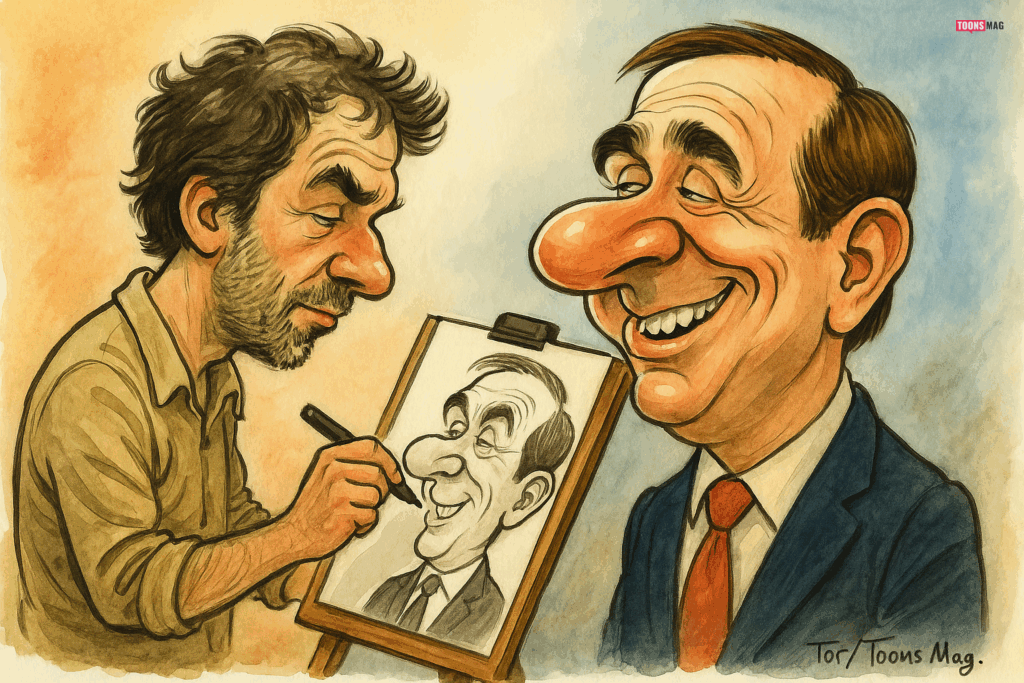
Humor often arises from the unexpected. When an artist takes familiar features and twists them in surprising ways, it creates a sense of absurdity that is inherently funny. The exaggeration disrupts our expectations, leading to a humorous revelation. This surprise factor is a powerful tool in caricature, making the artwork memorable and engaging.
7.2 Satire and Social Commentary
Caricatures are not just meant to be funny—they often carry a critical edge. By exaggerating certain features, artists can comment on political figures, celebrities, or social norms. This satirical approach allows the artist to critique or highlight aspects of their subject’s personality or behavior in a way that is both humorous and pointed. The exaggeration becomes a form of visual shorthand for conveying deeper societal observations.
7.3 Relatability Through Amplification
Exaggeration can also make characters more relatable. By amplifying features that are already present, caricature artists tap into shared cultural perceptions and stereotypes. When done skillfully, this amplification creates an image that resonates with the audience, inviting them to see the subject in a new, humorous light. The humor lies in the familiar made extraordinary—a face or gesture that is instantly recognizable, yet presented in a way that is larger than life.
8. Cultural Impact of Caricature
8.1 Political and Social Satire
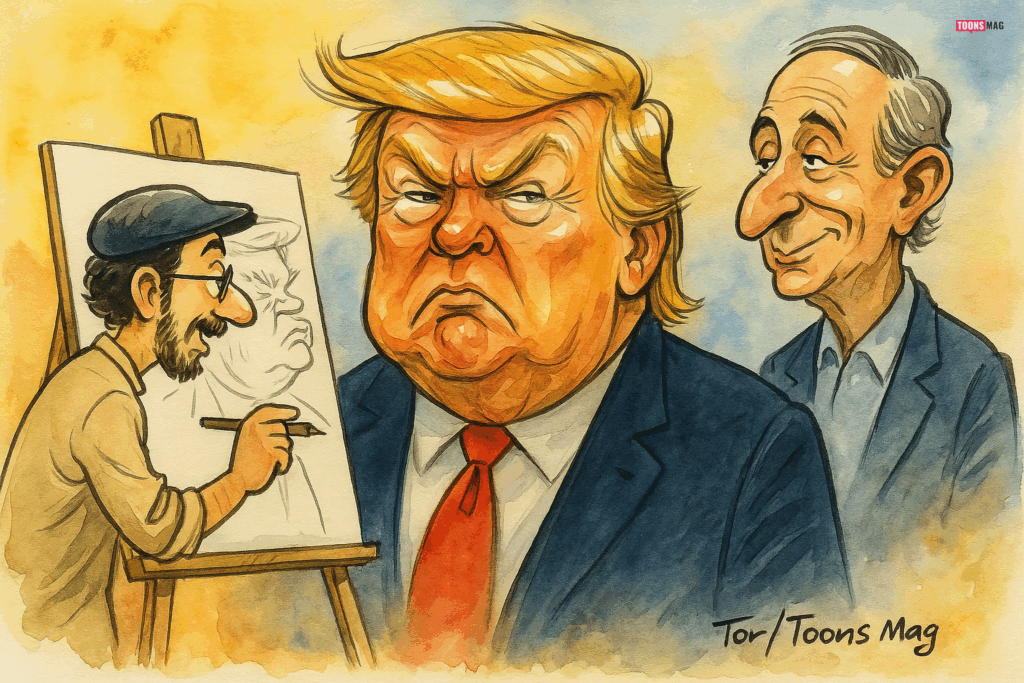
Caricature has long been used as a tool for political and social commentary. Political cartoons, for example, rely on exaggeration to criticize public figures and government policies. These images, often published in newspapers and magazines, can shape public opinion by making complex issues more accessible and digestible. Exaggerated features in these caricatures help reinforce the perceived flaws or virtues of a subject, making the political commentary more immediate and impactful.
8.2 Entertainment and Pop Culture
In popular culture, caricatures have become synonymous with humor and creativity. From animated shows and comic strips to editorial cartoons and celebrity sketches, the exaggerated style has permeated various forms of media. This widespread use of caricature has not only entertained millions but also influenced fashion, advertising, and even digital art. The distinctive visual language of caricature continues to evolve, reflecting changes in technology, society, and cultural trends.
8.3 Global Influence
While caricature has deep roots in Western art traditions, its influence is truly global. Artists from various cultures have adopted and adapted caricature techniques to reflect their own societal contexts. In countries around the world, caricature remains a popular form of expression, whether in political satire, street art, or digital media. This global reach speaks to the universality of exaggeration as a means of communication—it transcends language and cultural barriers, delivering humor and insight in a single, striking image.
9. Practical Tips for Aspiring Caricature Artists
9.1 Start With a Strong Foundation
Before diving into exaggeration, it’s important to develop strong drawing skills. Practice realistic portraiture to understand the underlying anatomy and proportions of your subjects. This knowledge will serve as the baseline from which you can begin to exaggerate features effectively.
9.2 Identify Key Features
When creating a caricature, identify the features that define your subject. Look for elements that are unique or especially expressive—such as a prominent nose, distinctive eyes, or a memorable hairstyle. Focus your exaggeration on these aspects while maintaining enough similarity so that the subject remains recognizable.
9.3 Experiment With Proportions
Don’t be afraid to play with proportions. Try stretching or compressing certain features to see how it affects the overall look and feel of your drawing. Experiment with different levels of exaggeration until you find a balance that is both humorous and true to your artistic vision.
9.4 Use Reference Material
Collect photographs, sketches, and even previous caricatures as references. Study how other artists have approached exaggeration and note what works and what doesn’t. Analyze the techniques used in political cartoons, editorial caricatures, and even animated shows to understand various approaches to exaggeration.
9.5 Practice Expressive Line Work
Focus on developing your line art skills. Practice using different types of lines to convey movement, emotion, and character. Experiment with inking techniques, both traditional and digital, to find a style that complements your approach to caricature.
9.6 Embrace Digital Tools
While traditional media is invaluable, don’t overlook digital tools. Software such as Adobe Photoshop, Clip Studio Paint, and Procreate can enhance your ability to experiment and refine your caricatures. Digital tools allow you to easily adjust proportions, try different color schemes, and incorporate unique textures that might be challenging to achieve with pen and paper alone.
9.7 Seek Feedback and Iterate
Share your work with peers, mentors, and online communities. Constructive criticism can provide valuable insights and help you refine your style. Be open to feedback, and use it as a guide to improve your techniques and develop a more cohesive artistic voice.
9.8 Study the Masters
Examine the work of famous caricature artists and cartoonists. Learn from artists such as Al Hirschfeld, who was known for his elegant line work and humorous exaggerations, or political cartoonists like David Levine, whose keen observations and sharp wit brought out the essence of his subjects. Studying their work can inspire you to push your creative boundaries.
10. The Future of Caricature in the Digital Age
10.1 Evolving Aesthetic Trends
The digital era has opened up new avenues for caricature art. With digital platforms, artists can share their work globally, receive instant feedback, and collaborate with creators from diverse backgrounds. As technology evolves, so too does the aesthetic of caricature—combining traditional techniques with innovative digital effects to create images that are both timeless and contemporary.
10.2 Integration with Multimedia
Modern caricature is no longer confined to static images. Animated caricatures, interactive digital art, and even augmented reality applications are expanding the possibilities of the medium. These innovations allow caricature artists to tell stories in dynamic ways, merging humor with interactivity and creating immersive experiences for audiences.
10.3 The Role of Social Media and Global Communities
Social media platforms such as Instagram, TikTok, and Twitter have become vital spaces for caricature artists to showcase their work. These platforms not only provide a global audience but also foster communities where artists can exchange ideas, collaborate, and inspire one another. The interconnectedness of today’s digital world means that caricature, as an art form, is more accessible than ever—and its potential for cultural impact is immense.
11. The Impact of Caricature on Society and Culture
11.1 Political and Social Commentary
Caricatures have long been used as a tool for political and social commentary. By exaggerating the features of public figures, caricature artists can highlight perceived flaws or absurdities, often with a humorous twist. This form of satire is a powerful way to engage the public in political discourse and challenge authority through art.
11.2 Shaping Public Perception
The exaggerated nature of caricature makes it an effective tool for shaping public perception. A well-crafted caricature can become an iconic image that encapsulates the essence of a public figure or social phenomenon. These images often linger in the collective memory, influencing how we view our leaders, celebrities, and cultural icons.
11.3 Inspiring Creative Expression
Beyond their immediate humor, caricatures inspire both viewers and fellow artists. They remind us that art can be playful, irreverent, and thought-provoking all at once. This spirit of creativity encourages new generations to experiment with form, embrace the power of exaggeration, and find their own unique voices in visual storytelling.
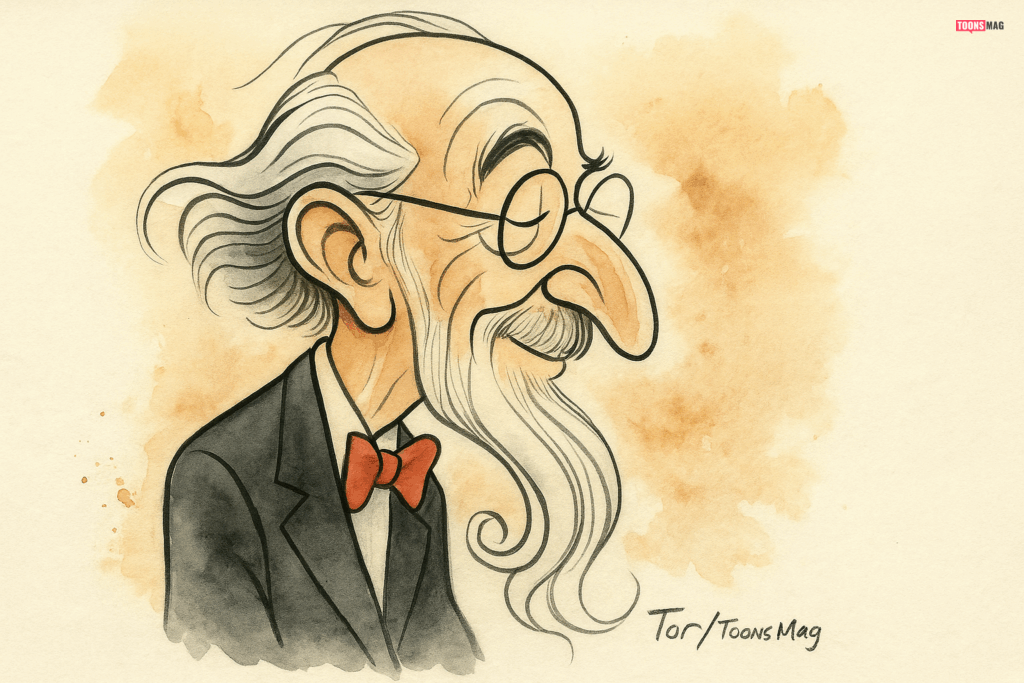
12. Case Studies: Notable Caricature Artists and Their Techniques
12.1 Al Hirschfeld
Al Hirschfeld is one of the most renowned caricature artists, celebrated for his delicate line work and the subtlety of his exaggerations. His drawings, which often featured Broadway stars and cultural icons, captured the essence of his subjects with minimal strokes. Hirschfeld’s ability to convey personality and emotion with just a few lines remains a benchmark for caricature artists today.
12.2 David Levine
David Levine was a master of political caricature whose work appeared in major publications like The New York Review of Books. Levine’s caricatures were known for their sharp wit and incisive commentary. He exaggerated the facial features and expressions of his subjects to make bold statements about politics and society, influencing a generation of editorial cartoonists.
12.3 Contemporary Voices
Today, artists continue to push the boundaries of caricature. With the advent of digital tools, many contemporary artists are blending traditional techniques with modern technology to create innovative, humorous, and socially relevant caricatures. These artists often engage with global audiences through social media, transforming caricature into a dynamic form of digital expression.
13. Challenges and Ethical Considerations
While exaggeration is a powerful tool, caricature artists must navigate the fine line between humor and offense. Exaggerating features can sometimes reinforce harmful stereotypes or caricature a subject in a way that is demeaning. Artists must be mindful of cultural and social sensitivities, ensuring that their work is both humorous and respectful.
13.2 The Balance Between Critique and Admiration
Caricature often serves as a form of critique, but it can also be a form of homage. The challenge for artists is to balance their commentary with a respect for their subject. Successful caricatures capture the essence of a subject in a way that is both affectionate and critical—a duality that invites viewers to laugh while also reflecting on the deeper truths behind the image.
13.3 Copyright and Originality
The practice of borrowing and exaggerating features from photographs or previous illustrations raises questions about originality and copyright. While caricature is inherently an act of transformation, artists must consider how much of the source material is being used and whether it falls within acceptable limits. Respecting the intellectual property of others while still pushing creative boundaries is a challenge that many caricature artists face.
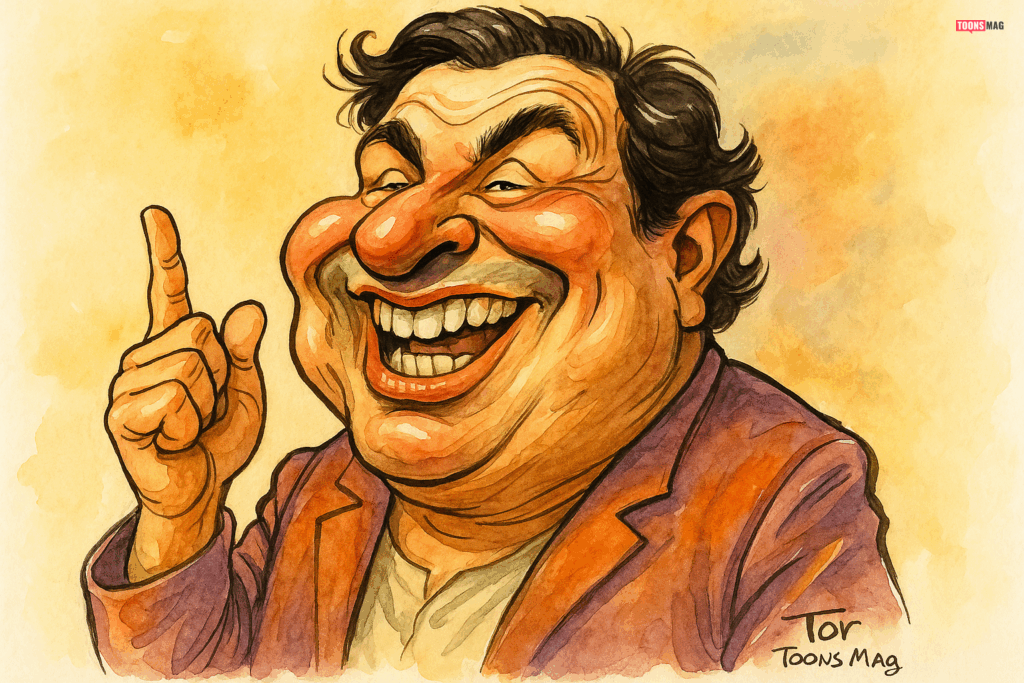
14. The Enduring Power of Exaggeration
Caricature is a vibrant art form that harnesses the power of exaggeration to reveal truths, spark humor, and provoke thought. Through the deliberate distortion of features, caricature artists create images that are not only entertaining but also deeply resonant with cultural and social commentary. Whether used for political satire, celebrity caricature, or simple comic relief, the art of exaggeration remains a vital tool in visual storytelling.
As technology evolves and global communication expands, the techniques of caricature continue to adapt, inspiring new generations of artists to explore the limitless possibilities of the form. The legacy of caricature lies in its ability to connect with audiences on an emotional level—reminding us that sometimes, by laughing at ourselves and those around us, we can see the world in a clearer, more human light.
For aspiring artists, the journey toward mastering caricature is as much about understanding human anatomy and expression as it is about finding your unique artistic voice. With practice, observation, and a willingness to take risks, you can harness the power of exaggeration to create works that are both humorous and insightful.
In the ever-changing landscape of art and media, caricature stands as a testament to the enduring power of the simple line and the bold, unexpected twist of reality. It challenges us to look beyond the surface, question our perceptions, and embrace the beauty of imperfection. As we celebrate the art of caricature, we recognize that the ability to exaggerate—and thereby reveal the truth—remains one of the most compelling forms of creative expression.
Final Thoughts
The influence of exaggeration in caricature is a multifaceted phenomenon that goes beyond mere humor. It is a means of communication, a tool for social commentary, and a form of artistic expression that continues to evolve with each new generation. By studying the techniques and practices of renowned caricature artists and embracing your own creative journey, you can learn to capture the essence of your subjects in a way that is both visually striking and deeply meaningful.
Whether you’re creating political cartoons, celebrity sketches, or personal artistic explorations, the art of exaggeration offers endless possibilities. With practice, feedback, and a keen eye for detail, your caricatures can not only entertain but also inspire reflection and dialogue. In a world where images often speak louder than words, the power of a well-crafted caricature lies in its ability to transform the ordinary into something extraordinary—one exaggerated feature at a time.
This post was created with our nice and easy submission form. Create your post!