

 Eric Dixon

The Creative Process of Don Rosa: Don Rosa’s work in the Duck universe isn’t just about drawing—it’s a journey of passion, research, and creative risk-taking. Known for his deep respect for Carl Barks’s legacy, Rosa has elevated the art of duck comics by blending engaging storytelling with astonishing attention to detail. In this article, we’ll peel back the layers of his creative process, uncovering how he transforms ideas into intricate panels that continue to captivate fans worldwide.
1. A Journey into the Duck Universe
Imagine a world where every line on the page is infused with adventure and history. That’s the universe Don Rosa creates with his Duck comics. From humble sketches to elaborate sequential narratives, his process is a masterclass in creative determination. Whether you’re a longtime fan or new to his work, join us as we explore the artistry and passion behind each drawing.
2. Who is Don Rosa?
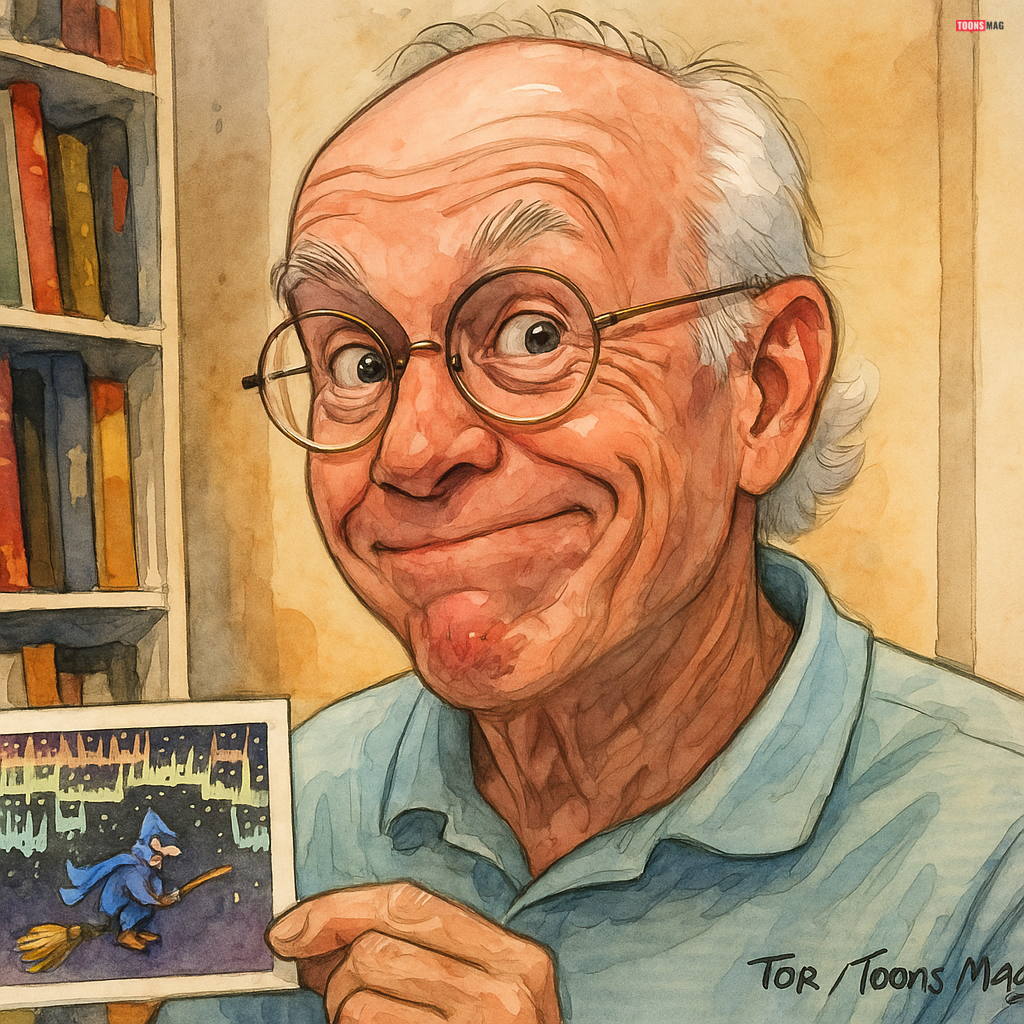
Don Rosa is much more than a comic artist—he’s a storyteller with an unyielding devotion to the classic tales of Donald Duck and Uncle Scrooge. Inspired by Carl Barks, Rosa spent years honing his craft and researching the rich history of the Duck universe. His work has garnered him a dedicated following, and he’s celebrated for how he breathes new life into familiar characters.
3. The Legacy of Carl Barks
Before diving into Rosa’s process, it’s important to understand the foundation laid by Carl Barks. Barks, the legendary creator of the Duck universe, set the stage with imaginative stories and detailed illustrations. Rosa’s journey began with a deep admiration for Barks’s work. He absorbed every nuance of the original stories, learning the art of storytelling from a true master.
- Inspiration: Rosa’s early sketches and studies of Barks’s comics provided a blueprint for his own artistic evolution.
- Homage: Many of Rosa’s stories include nods to Barks’s signature elements, ensuring that the legacy continues.
4. Diving Deep into Research
One of the hallmarks of Don Rosa’s creative process is his commitment to research. Before putting pen to paper, Rosa immerses himself in the history, geography, and lore of the Duck universe.
4.1 Historical Research
Rosa doesn’t just create a fun story—he weaves historical context into every narrative.
- Authenticity: His tales are peppered with historical references that give his stories a sense of depth.
- Detail-Oriented: Whether it’s researching old maps, reading history books, or studying period artifacts, Rosa ensures that his comics have a solid factual backbone.
4.2 Personal Notebooks
Rosa is known for his extensive notebooks filled with sketches, notes, and historical tidbits.
- Idea Vault: These notebooks serve as a treasure trove where he captures fleeting thoughts that later evolve into key story elements.
- Storyboarding: They allow him to map out complex storylines and interweave subtle details that enrich the narrative.
5. Brainstorming and Concept Development
Once the research is in place, Rosa begins the brainstorming process. His approach is dynamic and exploratory:
- Mind Mapping: Rosa often creates visual mind maps to connect ideas and plot points.
- Sketching Rough Drafts: He starts with rough sketches that outline the main action and characters, focusing on the overall flow rather than perfect details.
- Balancing Action and Subtext: His early drafts ensure that the adventure and hidden references work hand in hand to deliver a story that entertains and educates.
6. Detailed Storyboarding: Planning Every Panel
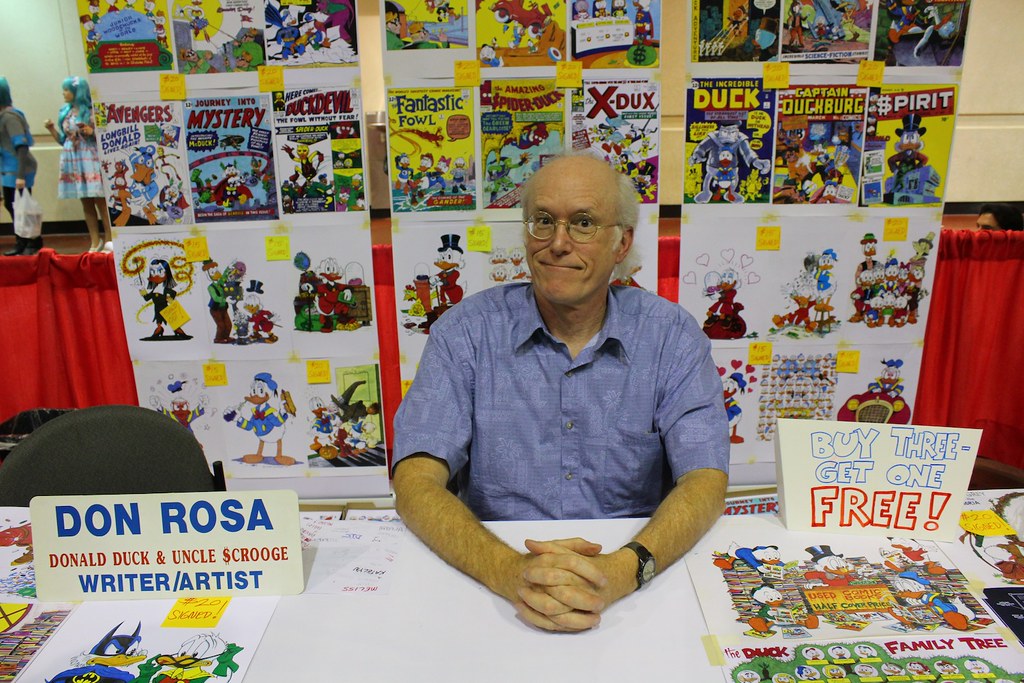
Storyboarding is where Rosa’s creative ideas begin to take structured form. Unlike many artists who rely solely on spontaneity, Rosa carefully plans each panel of his comics.
- Sequential Storytelling: His storyboards are like blueprints, laying out the pacing, character positions, and narrative progression.
- Visual Flow: Rosa designs each page so that the reader’s eye is guided naturally through the story, creating an immersive experience.
- Iteration: He revisits and refines his layouts multiple times to ensure that every detail contributes to the overall narrative.
7. The Drawing Process: From Rough Sketches to Final Art
Rosa’s drawing process is a fascinating blend of spontaneity and precision. His technique involves several key stages:
7.1 Initial Sketches
- Free Flowing Lines: In this stage, Rosa lets his ideas flow freely, capturing the essence of the scene without worrying about perfection.
- Dynamic Poses: He focuses on capturing the movement and energy of his characters—ensuring that every action feels lively.
7.2 Refining the Artwork
- Clean Lines: Once the rough sketches are set, he goes back over them with clean, deliberate lines. Each stroke is intentional, contributing to the overall clarity of the page.
- Emphasis on Expression: Rosa pays close attention to facial expressions and body language, knowing these elements are crucial to conveying the story’s mood.
7.3 Adding Details
- Textural Depth: After the main drawing is complete, Rosa adds intricate details that bring his scenes to life. Whether it’s the texture of a building or the subtle shading on a character’s face, these touches make his work stand out.
- Historical Accuracy: He often integrates historical or geographical details from his research, which enriches the visual narrative and adds layers of meaning.
8. Inking and Final Touches
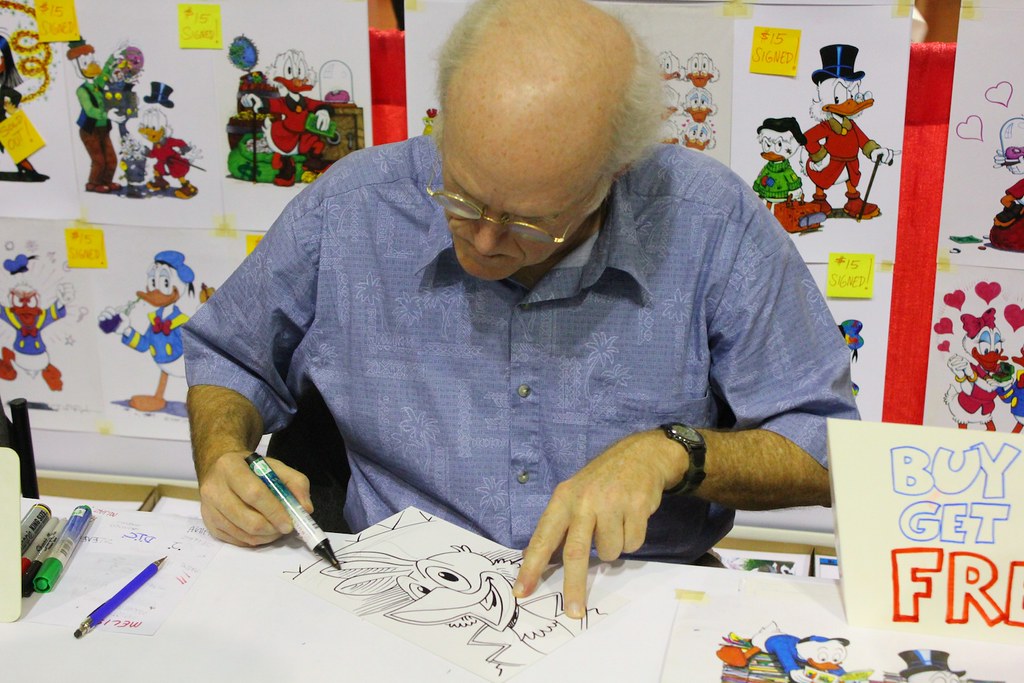
Once the drawing and detailing are done, Rosa moves to the inking stage. This is where his work becomes bold and ready for reproduction.
- Bold Inking: His inking style is characterized by crisp, decisive lines that enhance the clarity of his illustrations.
- Contrast and Focus: Inking helps set the contrast between foreground and background, ensuring that the main action stands out.
- Final Adjustments: Even at this late stage, Rosa is known to tweak and adjust elements to maintain a balanced composition.
9. Color and Finishing
Color plays a significant role in Don Rosa’s final work, even though many fans admire his line art most.
- Vivid Palette: Rosa chooses colors that not only enhance the mood of the scene but also echo the vintage charm of classic Duck comics.
- Subtle Gradients: His use of gradients and shading adds depth without overwhelming the clean lines of his drawings.
- Consistency: Every color choice is deliberate, ensuring that his pages have a harmonious and engaging look.
10. Integrating Dialogue and Narrative Text
For Rosa, the art is only one half of the story. Dialogue and narrative text are seamlessly woven into his illustrations.
- Dialogue Balloons: He carefully designs speech bubbles and captions so that they blend naturally with the artwork.
- Balanced Layout: Rosa ensures that the text complements rather than distracts from the visual storytelling.
- Character Voice: The dialogue reflects each character’s personality, adding another layer of depth to his narratives.
11. Research-Driven Easter Eggs
One of the most beloved aspects of Don Rosa’s comics is the hidden details—easter eggs that reward dedicated fans.
- Historical References: From subtle nods to real-world history to intricate maps of the Duck universe, Rosa’s work is filled with references that invite closer inspection.
- Cameos: Occasionally, characters or symbols appear that reference earlier stories or pay homage to other creators.
- Fan Engagement: These hidden gems have sparked countless discussions among fans and have cemented Rosa’s reputation as a master of layered storytelling.
12. The Importance of Consistency and Detail
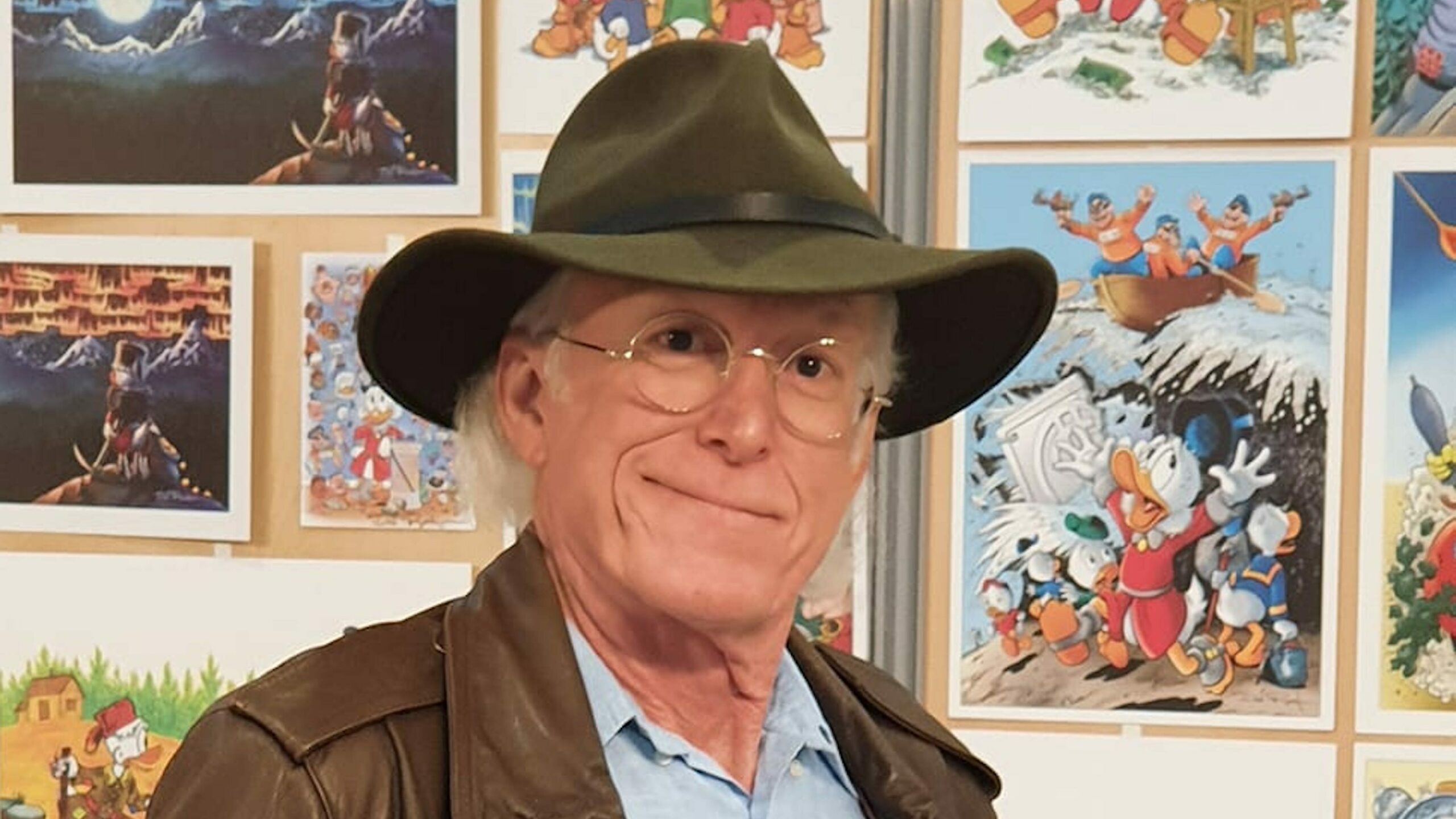
Rosa’s dedication to detail and consistency is one of his trademarks.
- Continuity: His comics maintain a tight continuity, with recurring characters and storylines that develop over multiple issues.
- Attention to Detail: Every element—from the background architecture to the minutiae in character costumes—is carefully rendered, giving his work a richly textured feel.
- Legacy Building: This consistency not only honors the legacy of the Duck universe but also allows readers to appreciate the evolution of his storytelling over time.
13. Collaborations and Influences
While Don Rosa is often celebrated as a solitary genius, his work is deeply influenced by the artists and stories that came before him.
- Honoring Carl Barks: Rosa has always credited Carl Barks as a major influence. Barks’s groundbreaking Duck comics paved the way for Rosa’s deep dive into the characters and their histories.
- Creative Collaborations: Over the years, Rosa has interacted with fellow comic artists, and these exchanges have enriched his storytelling techniques.
- Reader Feedback: Rosa valued the opinions of his fans. Many of his ideas evolved in response to reader insights and discussions in comic forums, adding another dimension to his creative process.
14. The Role of Passion and Persistence
Behind every panel and every meticulously drawn detail is a story of passion and persistence.
- Lifelong Dedication: Don Rosa spent decades perfecting his craft, continually pushing himself to explore new ideas and refine his techniques.
- Creative Drive: His unwavering enthusiasm for storytelling is evident in every page, as he consistently seeks to honor and expand the Duck universe.
- Challenges and Triumphs: Despite facing criticism and the inherent challenges of the comic industry, Rosa’s commitment never wavered. His journey is a reminder that true art demands persistence, hard work, and a love for the craft.
15. The Impact on Duck Comics and Beyond
Don Rosa’s creative process has left a lasting imprint on the world of duck comics.
- Revitalizing a Universe: By deepening the stories and adding rich details, Rosa elevated the Duck universe from a series of fun adventures to a sophisticated narrative tapestry.
- Inspiring New Generations: His work has inspired countless new artists to explore narrative depth, intricate drawing techniques, and the importance of research in comic creation.
- Cultural Legacy: The stories and artwork of Don Rosa continue to be celebrated by fans and have influenced not only comics but also other forms of storytelling and visual art.
16. Celebrating the Creative Process: What Fans Love Most
Fans of Don Rosa’s work often point to his creative process as one of the most captivating aspects of his artistry.
- Hidden Details: Readers love to hunt for the little historical references and easter eggs scattered throughout his comics.
- Narrative Depth: The way he weaves complex stories into each panel gives fans a richer experience, inviting them to revisit his work multiple times.
- Artistic Brilliance: From the clean line art to the dynamic page layouts, every element of his work is a testament to his dedication to quality storytelling.
17. The Future of Duck Comics: Rosa’s Enduring Influence
While Don Rosa has long been a celebrated figure in the comic world, his influence continues to shape the future of duck comics.
- New Interpretations: Modern artists continue to draw inspiration from Rosa’s approach to storytelling and illustration.
- Ongoing Discussions: Fans and scholars alike discuss his methods and the subtle details in his work, ensuring that his creative legacy endures.
- Cultural Relevance: The themes he explored—adventure, family, history, and the power of imagination—remain timeless, allowing his work to stay relevant for new generations.
18. Lessons from Don Rosa’s Creative Journey
What can aspiring artists and storytellers learn from Don Rosa?
- Do Your Homework: Research is key. Rosa’s in-depth exploration of history and the Duck universe adds layers of meaning to his work.
- Embrace Detail: Attention to detail enriches your storytelling. Each line and symbol in Rosa’s comics contributes to the larger narrative.
- Plan and Adapt: While creativity often involves spontaneity, planning your work can help you bring out the best in your art. Rosa’s detailed storyboards and iterative process are prime examples.
- Stay True to Your Vision: Despite external pressures, Rosa remained committed to his creative voice and the legacy of the Duck comics. His dedication is a lesson in artistic integrity.
19. Reflections: The Magic Behind the Art
For those who love comics, Don Rosa’s work is a vivid reminder of how much art can be both fun and profoundly layered. His process—from research and brainstorming to detailed drawing and final inking—transcends simple illustration; it’s a celebration of storytelling at its finest. Each page is an invitation to explore a universe where history meets fantasy and every detail is a brushstroke in a grand narrative.
Ask yourself: What inspires you to pick up a pencil or a pen? For Rosa, it was the thrill of delving into a rich tapestry of characters, history, and adventure. His creative journey is a testament to the power of art to transform ordinary ideas into unforgettable tales.
20. The Creative Process of Don Rosa: A Legacy Etched in Ink
The creative process of Don Rosa is a masterclass in how passion, research, and persistence can breathe life into a beloved universe. His work in Duck comics has redefined the boundaries of storytelling, inspiring a generation of readers and artists. By honoring the legacy of Carl Barks and adding his own intricate details, Rosa has left an indelible mark on the world of comics.
Today, as fans continue to marvel at the detailed panels and layered narratives in his work, we are reminded that great art is not an accident—it is the result of a tireless creative process. Don Rosa’s dedication, his thoughtful planning, and his unwavering commitment to his vision ensure that his legacy lives on, not just in the pages of his comics, but in the hearts of those who have been touched by his work.
From his deep research to his carefully crafted panels, every element of Don Rosa’s creative journey is a celebration of the art of storytelling. His influence on duck comics and his impact on the wider comic community are proof that when creativity is nurtured with care and passion, it can leave a lasting legacy for generations to come.
This post was created with our nice and easy submission form. Create your post!