

 Sondre Borg

The Story of Osamu Tezuka: Osamu Tezuka’s journey from a curious child with a sketchpad to the revolutionary artist who reshaped Japanese comics is nothing short of inspiring. Known as the Godfather of Manga, Tezuka’s work transformed how stories are told through pictures and dialogue. In this article, we’ll explore his early life, artistic breakthroughs, and the lasting impact his creations have had on global culture.
1. A Legend is Born
Osamu Tezuka’s name carries a weight that few can match. His creations have entertained millions and opened a new chapter in comic art. With a simple yet powerful style, he broke new ground and left an imprint on literature and art that still resonates today. Whether you are a longtime manga fan or just discovering this art form, Tezuka’s story is both fascinating and deeply human.
2. Early Life: Humble Beginnings in Japan
Born in 1928 in Osaka, Japan, Osamu Tezuka grew up in a modest household. His childhood was filled with curiosity and a passion for drawing that set him apart from his peers. While other children played outside, Tezuka spent his time sketching everything from animals to everyday scenes. These early experiences laid the foundation for a career that would eventually change the landscape of Japanese illustration and storytelling.

Growing up during a time of significant social change in Japan, Tezuka was deeply influenced by the rich cultural heritage around him. Family stories, local legends, and the art found in traditional Japanese scrolls all fed his imagination. Even at a young age, his drawings captured a lively energy that hinted at the brilliance to come.
3. Formative Years: Discovering His Artistic Voice
As a teenager, Tezuka attended art school where he immersed himself in both Western and Eastern styles of drawing. This period of study was crucial; it taught him to blend different influences and experiment with new techniques. He devoured comic books, animation, and classical art, slowly developing a unique style that was both innovative and accessible.
Tezuka’s time at school was also marked by an eagerness to learn from every source available. He read voraciously and practiced drawing every day, filling notebooks with sketches that captured moments of humor, drama, and wonder. This period of intense practice enabled him to develop a fluid style that would later become synonymous with his work.
4. Early Career: The Spark of Innovation
After completing his studies, Tezuka began working as a cartoonist and animator. He found employment at a small newspaper, where he quickly realized that he could use comics to tell stories in a way that was both engaging and visually striking. At this time, the Japanese comic scene was evolving, and Tezuka was determined to contribute his own fresh perspective.
He started publishing short comic series that were different from anything seen before. His early works combined humor with thoughtful commentary on society, a blend that would come to define his later masterpieces. With each new comic, he refined his style, experimenting with panel layout and character design in ways that would forever change how comics were created.
5. Pioneering Manga: A New Form of Storytelling
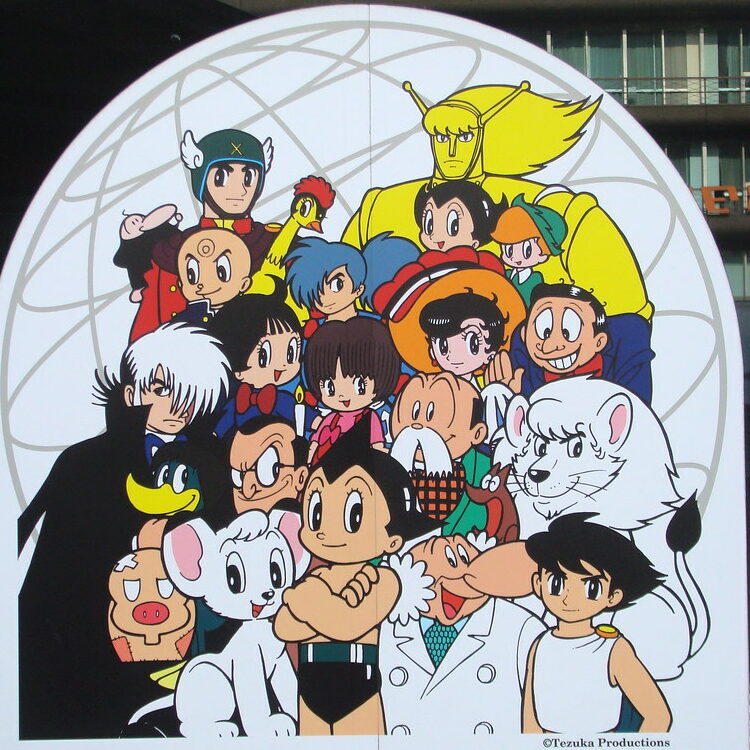
Osamu Tezuka is credited with pioneering a new form of storytelling in Japan. He introduced a dynamic visual style that used cinematic techniques—framing, timing, and sequential art—to create movement and emotion on the page. His approach was a dramatic departure from the static images that had characterized earlier comics.
Tezuka believed that every panel should convey a piece of the story, using both images and dialogue in a fluid manner. This method allowed readers to become deeply involved in the narrative. Each page was crafted with care, ensuring that the progression of scenes felt natural and engaging. It was this fresh narrative approach that set the stage for manga to evolve into a respected art form across Japan and later around the globe.
6. Astro Boy: A Breakthrough Classic
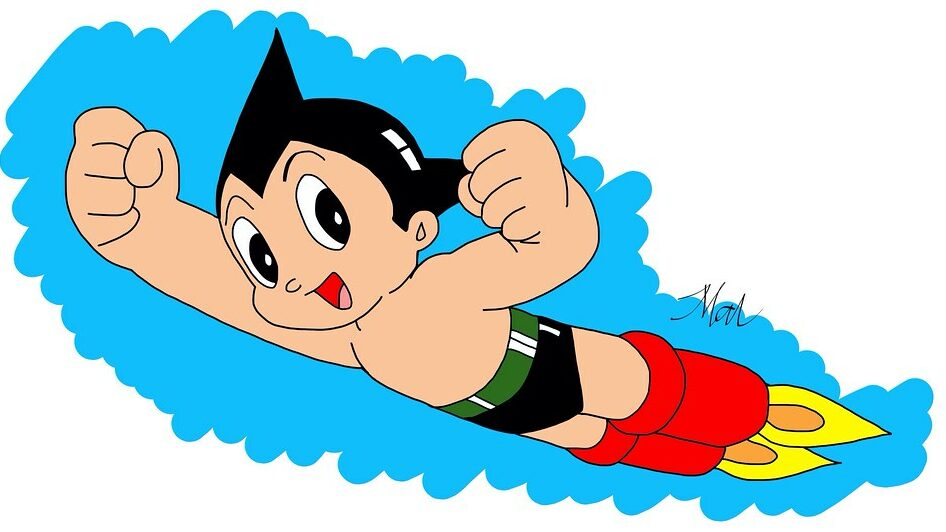
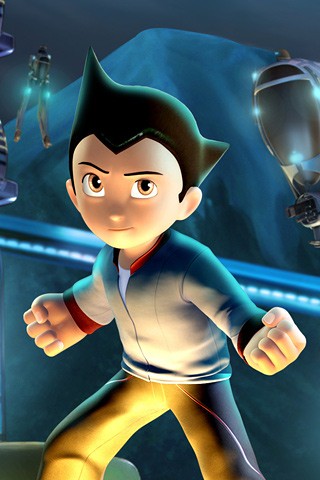
Perhaps Tezuka’s most famous creation is Astro Boy (known as Tetsuwan Atom in Japan). First published in the early 1950s, Astro Boy was more than just an entertaining comic—it was a commentary on technology, ethics, and the future of society. The story of a robotic boy with a heart challenged readers to think about the impact of science and the potential for machines to possess human qualities.
Astro Boy captured the imagination of readers with its vivid characters and thoughtful plot. Tezuka’s ability to mix futuristic ideas with touching moments of vulnerability gave the strip a universal appeal. The comic’s success was a turning point in Japanese popular culture, paving the way for future generations of manga artists to explore new themes and ideas.
7. Revolutionary Techniques: Cinematic Storytelling in Manga
One of Tezuka’s most significant contributions was the way he approached panel design. He drew inspiration from the world of film, using techniques like close-ups, wide shots, and dramatic transitions to tell a story. Each panel was crafted as if it were a frame in a movie, inviting the reader to experience the narrative in a vivid, almost cinematic way.
This fresh approach changed how readers interacted with comics. Rather than feeling like a series of isolated images, Tezuka’s work flowed naturally from one panel to the next, much like scenes in a film. This innovation not only enhanced the storytelling experience but also inspired other artists to adopt a more fluid, narrative-driven style in their own work.
8. Expanding the Universe: Beyond Astro Boy
While Astro Boy remains one of Tezuka’s most celebrated works, his creative genius extended far beyond a single character. He went on to create a diverse array of series, each exploring different genres and themes. Titles such as Kimba the White Lion, Black Jack, and Phoenix showcased his versatility as an artist and storyteller.
Each of these works carried its own unique message. For instance, Kimba the White Lion tackled issues of nature and leadership, while Black Jack explored the moral dilemmas faced by a brilliant but unconventional doctor. With Phoenix, Tezuka delved into philosophical questions about life, death, and rebirth. These series collectively demonstrated his ability to cross genre boundaries and connect with readers on multiple levels.
9. The Evolution of Manga Art: Impact on Visual Culture
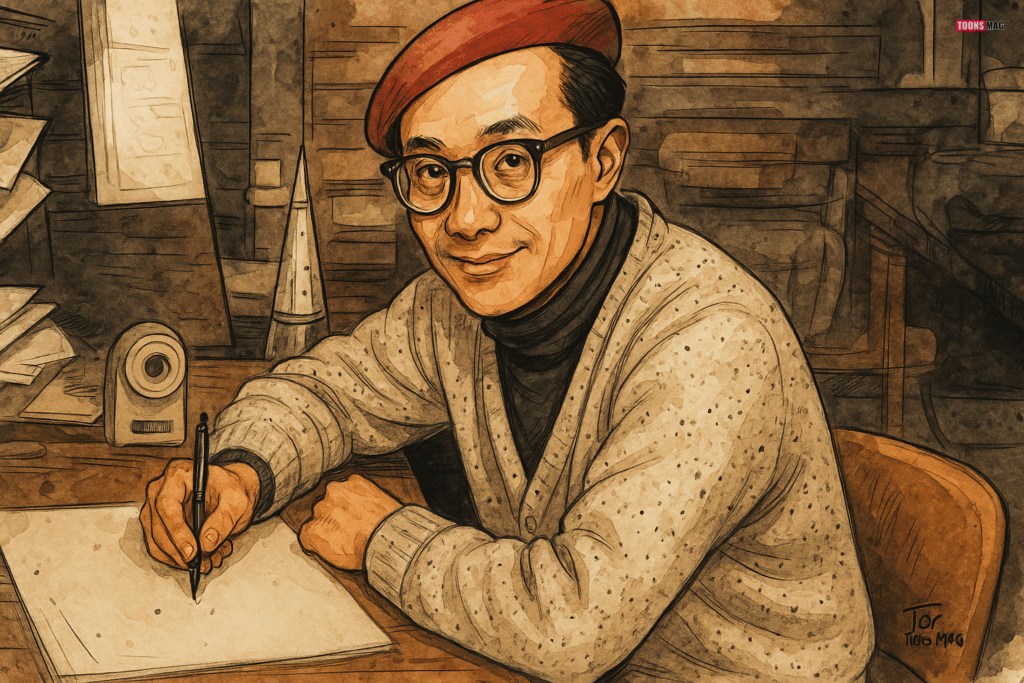
Tezuka’s artistic style and narrative techniques have had a lasting influence on the manga industry. His work laid the foundation for the modern manga aesthetic—a style characterized by expressive characters, dynamic panel layouts, and a seamless blend of text and imagery. His innovations have been studied and emulated by countless artists around the world, making him a permanent figure in the history of visual storytelling.
Today, the influence of Tezuka’s work is evident in the vast array of manga and anime produced worldwide. His pioneering methods helped elevate manga from a niche interest to a respected art form that spans genres and cultures. His legacy continues to shape the creative choices of contemporary artists, who often cite him as a major inspiration.
10. Social Commentary: More Than Just Entertainment
Beyond his artistic innovations, Tezuka used his work to comment on social issues. His stories frequently addressed topics such as the rapid pace of technological progress, the ethical dilemmas of modern society, and the need for compassion in an increasingly industrial world. Through his characters, he explored the consequences of progress and the importance of retaining one’s humanity in the face of change.
Tezuka’s work often prompted readers to reflect on their own lives. By blending action, humor, and serious themes, he created narratives that were entertaining yet thought-provoking. This balance allowed his comics to serve as a mirror to society, inviting discussions about topics that were both timely and universal.
11. A Passion for Perfection: Tezuka’s Creative Drive
Those who have followed Osamu Tezuka’s career know that his work was marked by an unyielding dedication to his craft. He spent countless hours refining his drawings, experimenting with different techniques, and ensuring that every page he produced was a testament to his artistic vision. His commitment to excellence drove him to push boundaries and explore new ideas, even when it meant challenging the norms of the industry.
Tezuka’s passion was not driven by commercial success but by a genuine love for storytelling and art. He viewed each comic as an opportunity to share a piece of his imagination with the world, and this sincerity has resonated with fans for decades. His personal approach to his work set a standard for artistic integrity that many creators continue to admire today.
12. Challenges and Triumphs: The Journey of a Trailblazer
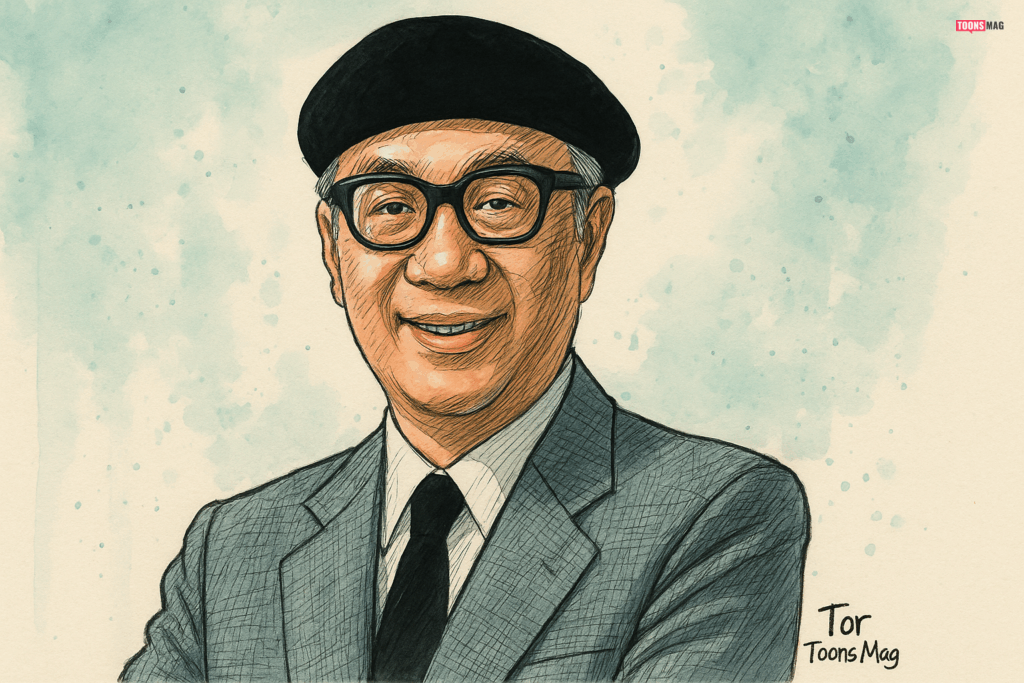
No great journey is without obstacles, and Tezuka’s career was no exception. He faced numerous challenges, from strict editorial guidelines and limited resources to the pressures of meeting deadlines on a daily basis. Yet, he managed to overcome these hurdles with a determination that inspired everyone who witnessed his work.
One of the most remarkable aspects of Tezuka’s career was his ability to maintain creative freedom. Even when faced with external pressures, he stayed true to his vision, refusing to compromise on the quality or message of his stories. His triumphs, both personal and professional, continue to serve as an encouragement for aspiring artists everywhere.
13. The Dual Legacy: Manga and Anime
Tezuka’s influence is not confined to the pages of manga; his work also laid the groundwork for the thriving anime industry. Many of his creations were adapted into animated series and films, bringing his visionary art to life in new and exciting ways. Astro Boy, for example, became one of the first successful anime series, capturing audiences both in Japan and internationally.
This cross-media success helped cement Tezuka’s reputation as a pioneer. His willingness to experiment with different formats and explore various storytelling techniques allowed him to leave an indelible mark on both manga and animation. Today, his legacy is celebrated in conventions, exhibitions, and scholarly discussions around the globe, ensuring that his contributions continue to inspire future generations.
14. Tezuka’s Personal Philosophy: Humanity in Every Line
At the core of Osamu Tezuka’s work was a deep-seated belief in the importance of human connection. He infused his stories with empathy, humor, and a genuine concern for the human condition. Whether through the innocent eyes of a robot boy or the quiet wisdom of a tiger friend, Tezuka’s characters often reminded us of the beauty and fragility of life.
His approach was simple: every drawing, every word, should reflect a piece of the human spirit. By portraying his characters with warmth and understanding, Tezuka encouraged readers to look at life with a compassionate lens. His philosophy remains a guiding light for many, proving that art can be a powerful force for empathy and change.
15. The Global Impact: Tezuka’s Enduring Influence
Osamu Tezuka’s work transcends national borders. His creations have been translated into countless languages and enjoyed by readers from all walks of life. The themes he explored—courage, loss, hope, and the wonder of discovery—are universal, making his work resonate with people far beyond Japan.
Today, manga and anime are celebrated worldwide, and much of this global success can be traced back to Tezuka’s pioneering efforts. His innovative techniques and heartfelt storytelling continue to influence not only the creators within Japan but also artists across the globe. His impact is seen in modern comics, animated films, and even graphic novels, proving that his vision has truly stood the test of time.
16. Celebrating a Visionary: Tributes and Honors
Osamu Tezuka’s contributions to art and culture have not gone unnoticed. Over the years, he has received numerous accolades and honors that celebrate his extraordinary achievements. Museums, exhibitions, and festivals dedicated to his work have sprung up, offering fans and scholars a chance to explore his legacy in detail.
One notable tribute is the Osamu Tezuka Manga Museum in Takarazuka, Japan. This museum showcases original artwork, rare publications, and personal memorabilia from Tezuka’s prolific career. It serves as a testament to his lasting influence and provides a space where visitors can appreciate the beauty of his creations firsthand.
17. The Future of Manga: Tezuka’s Lasting Lessons
The influence of Osamu Tezuka is evident in the continued growth and evolution of manga. New generations of artists draw inspiration from his bold ideas and innovative storytelling techniques. The spirit of creative freedom that Tezuka championed lives on in the work of countless manga creators who dare to challenge conventions and express their unique voices.
By studying Tezuka’s work, aspiring artists learn the importance of honesty in art. His example shows that true creativity comes from a willingness to explore, experiment, and express one’s genuine self. The lessons he left behind continue to guide the future of manga and animation, ensuring that his legacy will never fade.
18. Reflections on Legacy: Remembering the Godfather of Manga
As we look back on the life and work of Osamu Tezuka, it’s clear that his impact reaches far beyond the pages of manga. His vision transformed storytelling in a way that continues to influence how we see art today. Tezuka’s creative spirit, his innovative techniques, and his deep understanding of humanity have left a mark that will inspire artists for decades to come.
For many fans, his work is a reminder of a simpler time—a period when every comic strip and animated scene was crafted with care and passion. His legacy is celebrated not just in Japan, but around the world, where readers continue to find joy, comfort, and inspiration in his timeless creations.
19. Lessons for Aspiring Artists: Embracing Your Creativity
One of the most valuable takeaways from Tezuka’s life is his commitment to following his creative instincts. He dared to dream big, and he never let external pressures dictate the quality or direction of his work. For anyone with a passion for art, his story serves as a powerful reminder: trust your own vision and let your creativity shine.
Tezuka’s journey encourages us to experiment with our ideas, to learn from every mistake, and to always keep our hearts open to new possibilities. His life shows that art is not about perfection or fitting into a mold—it’s about expressing your unique perspective and sharing a piece of yourself with the world.
20. The Enduring Spirit of Osamu Tezuka
Osamu Tezuka’s life story is a vibrant tapestry of passion, innovation, and a deep love for storytelling. As the Godfather of Manga, he changed the way comics were drawn and read, blending heartfelt narratives with dynamic visuals. His work not only entertained millions but also inspired a new generation of artists to embrace their creativity without compromise.
Today, as manga and anime continue to capture hearts around the globe, we remember Tezuka not just for his technical brilliance, but for his ability to infuse every line with emotion and insight. His legacy is a testament to the power of art to transcend boundaries and touch lives in unexpected ways.
By sharing his journey—from his humble beginnings in Osaka to becoming a global icon—Osamu Tezuka reminds us that true greatness comes from a deep commitment to one’s passion. His enduring influence on visual storytelling is a gift that keeps on giving, inspiring artists and readers to see the beauty in every sketch and the potential in every idea.
In celebrating the life of Osamu Tezuka, we honor a visionary who showed the world that art can be a powerful medium for expression, empathy, and change. His story continues to inspire all who dare to dream and create, proving that even the simplest drawing can light up the hearts of millions.
This post was created with our nice and easy submission form. Create your post!