

 Bjørn Olaf

Women in Editorial Cartooning: Editorial cartooning has long served as a powerful medium for social and political commentary. For decades, the field was dominated by male artists, with women often relegated to the sidelines. Today, female cartoonists are stepping into the spotlight, offering fresh perspectives, dismantling outdated notions, and pushing the boundaries of visual satire. In this in-depth exploration, we examine the journey of women in editorial cartooning, the obstacles they have overcome, and the lasting impact of their work on public dialogue.
1. Introduction
Editorial cartoons condense complex political and social issues into a single, memorable image. In an era when a striking picture can spark global debate within minutes, female cartoonists have begun to reshape the conversation. This article delves into the history of women in editorial cartooning, highlights the challenges they have faced, and celebrates the trailblazers who are redefining the art form.
2. Historical Background: A Male-Dominated Field
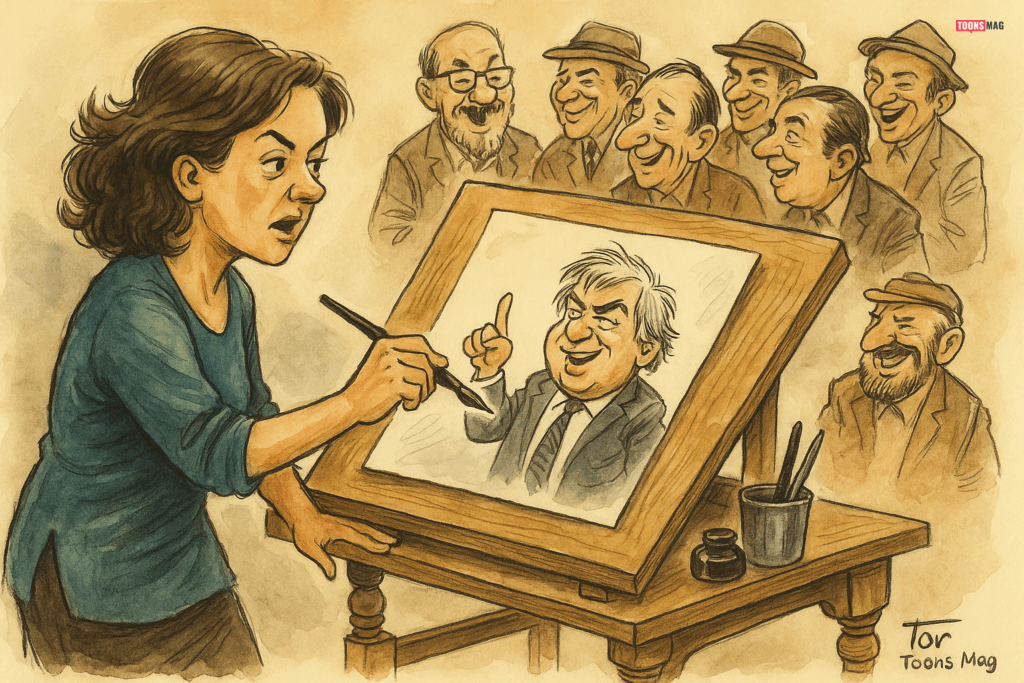
For much of its history, editorial cartooning was considered a male preserve. Early newspaper pages were filled with caricatures and satirical images drawn by men, leaving little room for female voices. Women who wished to express their views often found themselves excluded or pigeonholed into less visible roles. The bias was evident not only in publication opportunities but also in the way the work was received by critics and audiences.
3. Early Pioneers: Breaking the Glass Ceiling
Despite these obstacles, a few courageous women managed to enter the field and leave a lasting mark. In the early days, these pioneers often worked under pseudonyms or contributed anonymously, as societal expectations limited the acceptance of women in this area. Their work laid the groundwork for future generations by challenging stereotypes and proving that women had valuable insights to offer.
4. Overcoming Gender Bias in Editorial Cartooning
4.1 Societal Prejudices and Institutional Barriers
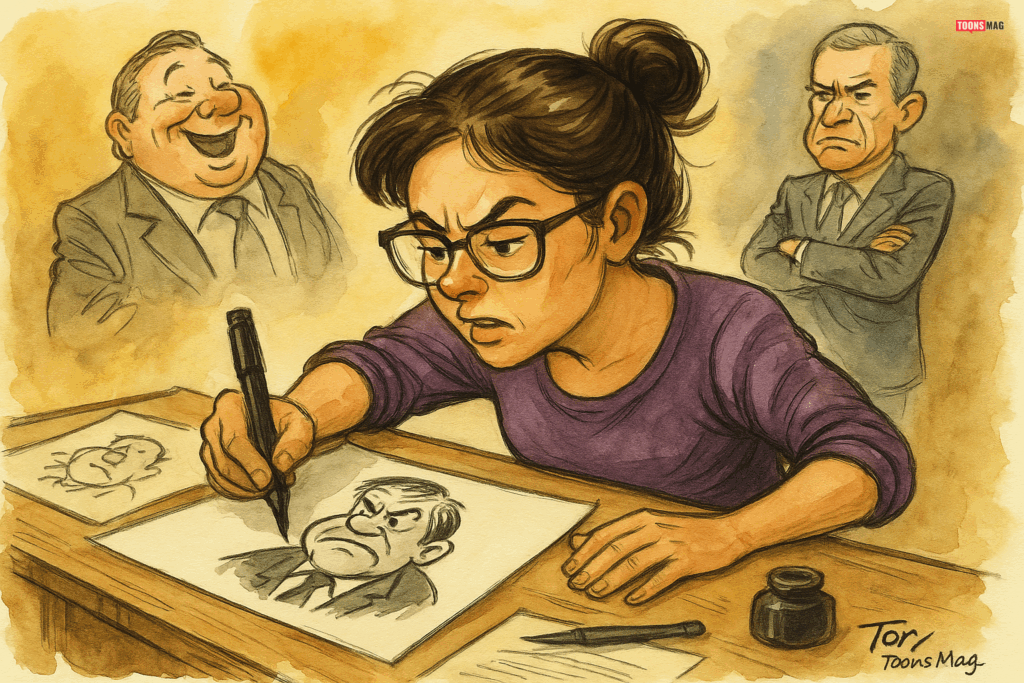
Women in editorial cartooning had to contend with widespread assumptions about gender roles. Many believed that humor and political critique were “masculine” pursuits, leaving women to fight for recognition in a competitive, closed environment. This bias manifested in several ways, from fewer job opportunities to dismissive attitudes from editors and peers.
4.2 Persistence in the Face of Discrimination
Female cartoonists persisted by honing their skills, developing a distinct style, and producing work that resonated deeply with audiences. Their determination helped shift public opinion and gradually opened doors within mainstream media. Over time, their contributions began to be acknowledged, even if slowly at first.
5. Notable Trailblazers in Editorial Cartooning
5.1 Roz Chast: Humor with a Personal Touch
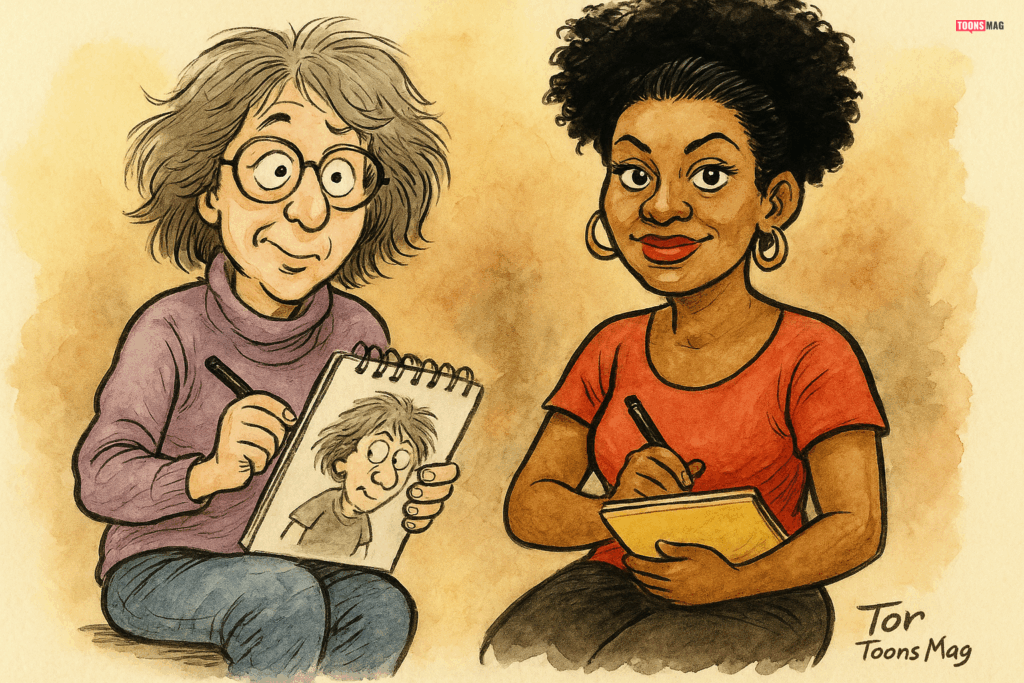
One of the most influential figures in modern cartooning, Roz Chast, has captivated audiences with her distinctive style and wry humor. Known for her work in The New Yorker, Chast uses everyday observations to highlight the absurdities of modern life. Her cartoons are a blend of self-deprecation and keen social insight, providing a unique window into personal and political issues.
5.2 Barbara Brandon-Croft: A Voice for the Underserved
Barbara Brandon-Croft broke new ground as one of the first African American women in the field. With her series, “Where I’m Coming From,” she not only addressed racial and social issues but also challenged the stereotypical portrayals of African Americans in the media. Her work paved the way for future generations of diverse voices in cartooning.
5.3 Other Influential Figures
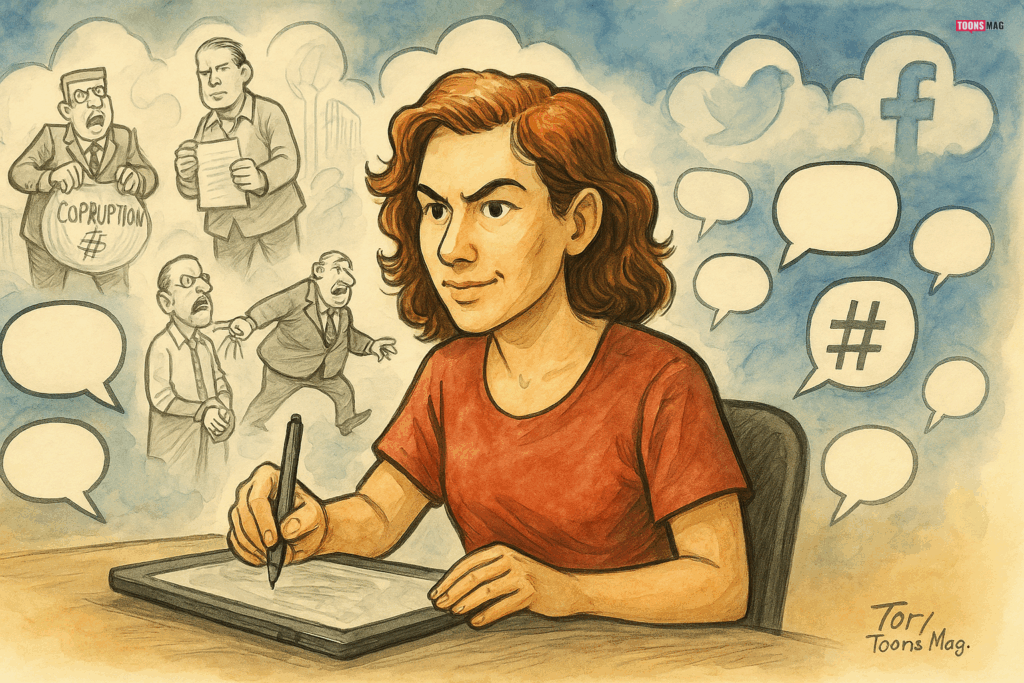
Numerous other women have made significant contributions. From those whose work appears in independent publications to artists thriving on digital platforms, female cartoonists have continuously pushed boundaries. Their work covers a wide range of topics—from gender inequality and reproductive rights to political corruption and cultural change.
6. Impact of Feminist Perspectives in Visual Commentary
6.1 Shifting the Narrative
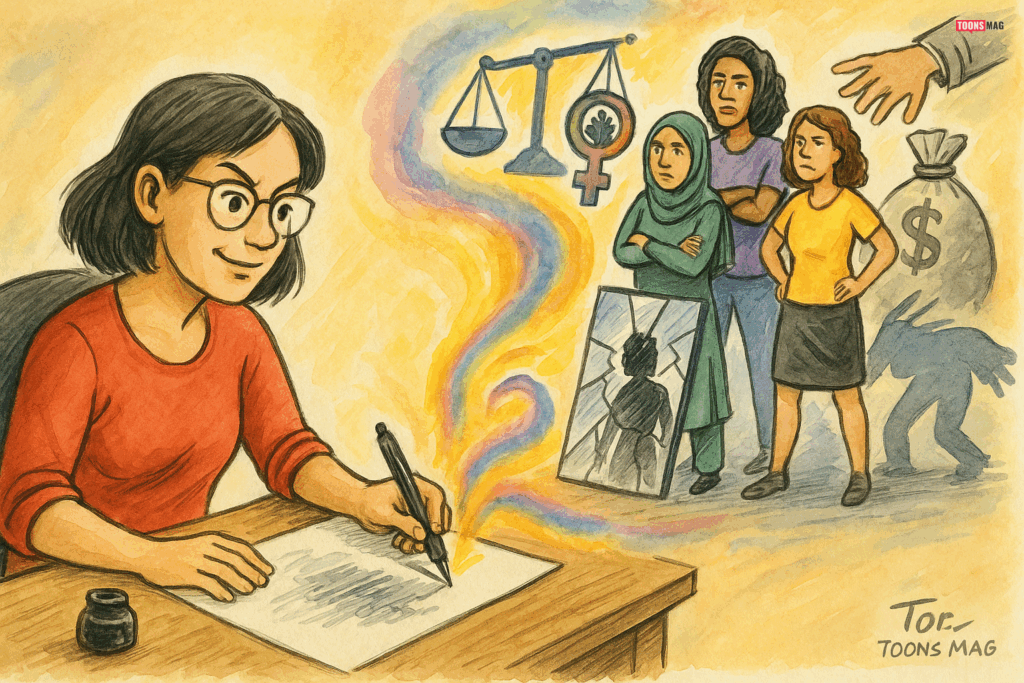
The inclusion of feminist viewpoints in editorial cartooning has altered how political and social issues are presented. Women cartoonists bring personal experience to their commentary, making their work relatable and emotionally resonant. Their cartoons often reflect the lived experiences of women, offering commentary on issues that may be overlooked by their male counterparts.
6.2 Addressing Gender Inequality Head-On
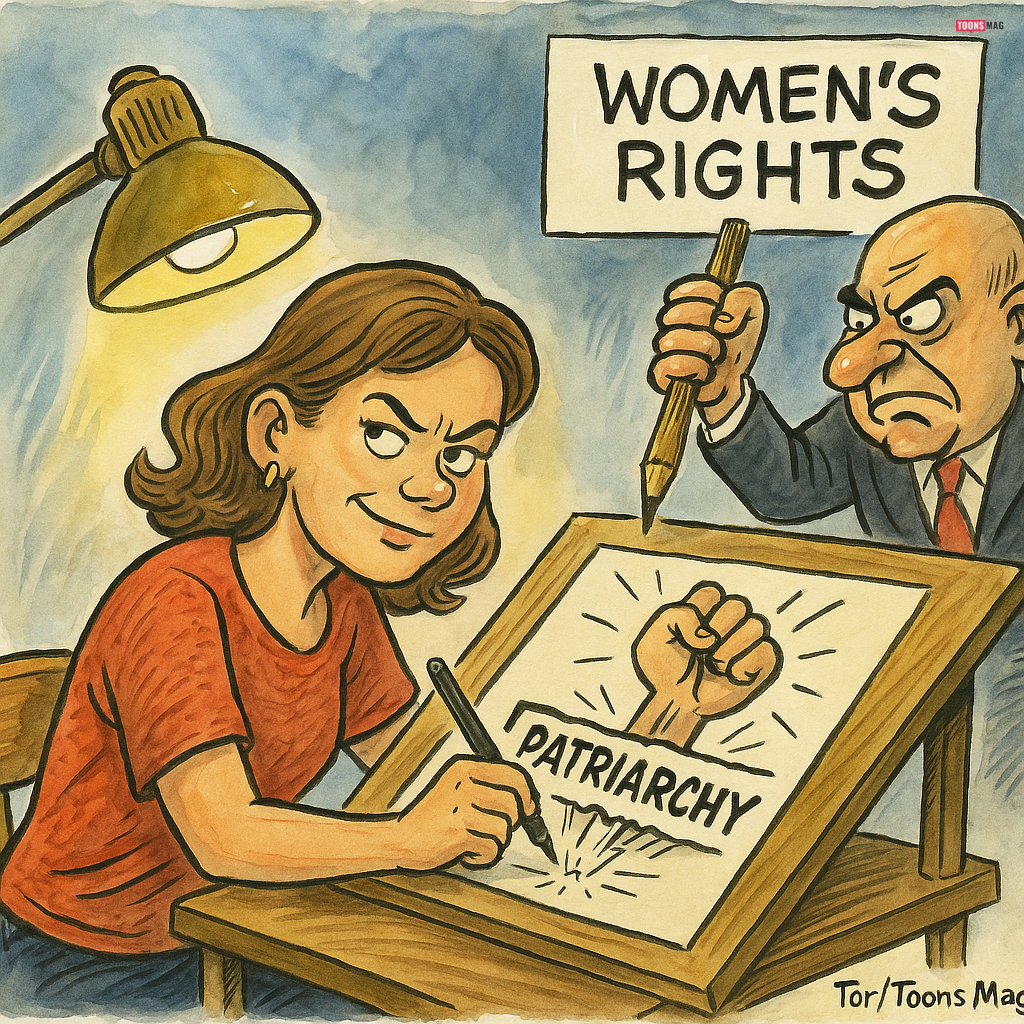
Through bold imagery and clever satire, female cartoonists confront stereotypes head-on. They depict issues such as unequal pay, workplace harassment, and societal expectations with a blend of humor and gravity. By putting these topics in the spotlight, they help foster public discussions and inspire change.
7. Editorial Cartoons as Tools for Social Change
7.1 Amplifying Marginalized Voices
Editorial cartoons serve as a vehicle for social commentary, and when women take the lead, they often amplify voices that have been historically ignored. Their work highlights the challenges faced by marginalized communities and advocates for justice and equality through powerful visual narratives.
7.2 Creating a Lasting Impression
A single, well-executed cartoon can capture the attention of millions. Women cartoonists use this power to break through cultural and political noise. Their images become icons—symbols of resistance and hope—that continue to inspire long after they are first published.
8. The Role of Social Media in Promoting Female Cartoonists
8.1 Reaching Global Audiences
Social media platforms like Twitter, Instagram, and Facebook have transformed the distribution of editorial cartoons. Female cartoonists now have the opportunity to share their work with a worldwide audience, bypassing traditional gatekeepers of print media. This direct access has helped their work go viral and reach people who might otherwise never encounter editorial cartoons.
8.2 Building Communities Online
Beyond reaching vast audiences, social media enables cartoonists to engage directly with their fans. Online communities foster dialogue, provide support, and encourage collaborative discussions. Female cartoonists often use these platforms not only to showcase their work but also to mentor emerging artists and share insights about the creative process.
Hashtags and trending topics have become invaluable tools for amplifying the reach of editorial cartoons. A clever cartoon accompanied by a timely hashtag can quickly become a trending topic, sparking debates and bringing important issues to the forefront. This viral potential ensures that the work of female cartoonists remains visible and influential in today’s digital news cycle.

9. Challenges Faced by Women in Editorial Cartooning Today
9.1 Online Harassment and Criticism
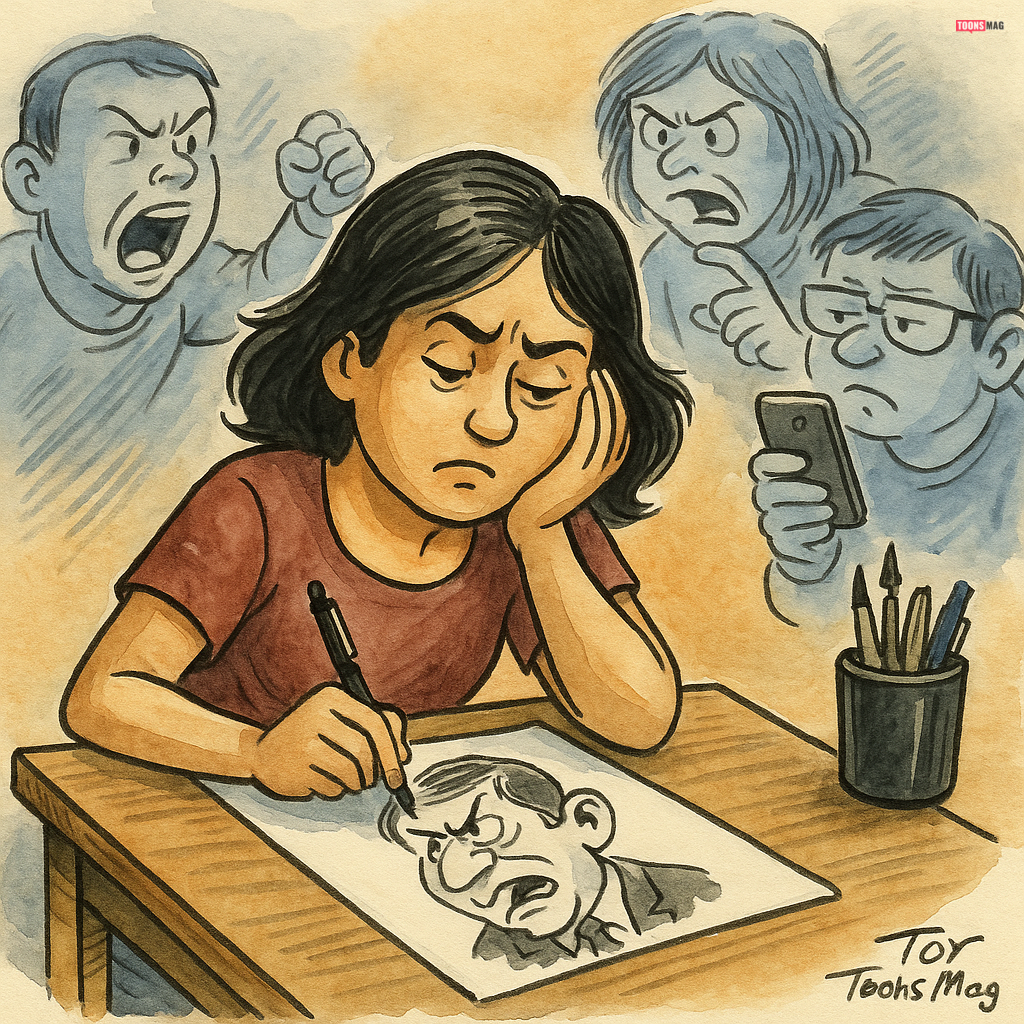
Despite their successes, female cartoonists often face harsh online criticism and harassment. Social media can be an unforgiving space, where personal attacks and biased comments sometimes overshadow constructive discussion. This persistent negativity can discourage emerging talent and add stress to an already demanding profession.
9.2 Institutional Barriers and Limited Opportunities
Although progress has been made, many women still encounter institutional obstacles when seeking positions in established media organizations. Traditional news outlets have historically favored male cartoonists, and while this is changing, female artists sometimes struggle to secure the same level of exposure or financial support as their male colleagues.
9.3 Balancing Personal and Professional Demands
The dual pressures of maintaining a personal voice while meeting professional expectations can be particularly challenging. Many female cartoonists juggle responsibilities outside of work, such as family or community obligations, making it harder to find the time and energy required to produce consistent, high-quality work.
10. Strategies for Overcoming Barriers
10.1 Leveraging Digital Platforms for Autonomy
By embracing digital platforms, female cartoonists can create independent channels to showcase their work. Self-publishing websites, blogs, and social media profiles provide a means to bypass traditional media gatekeepers and connect directly with audiences. This independence allows for greater creative freedom and the opportunity to experiment with innovative formats.
10.2 Forming Support Networks and Mentorship Programs
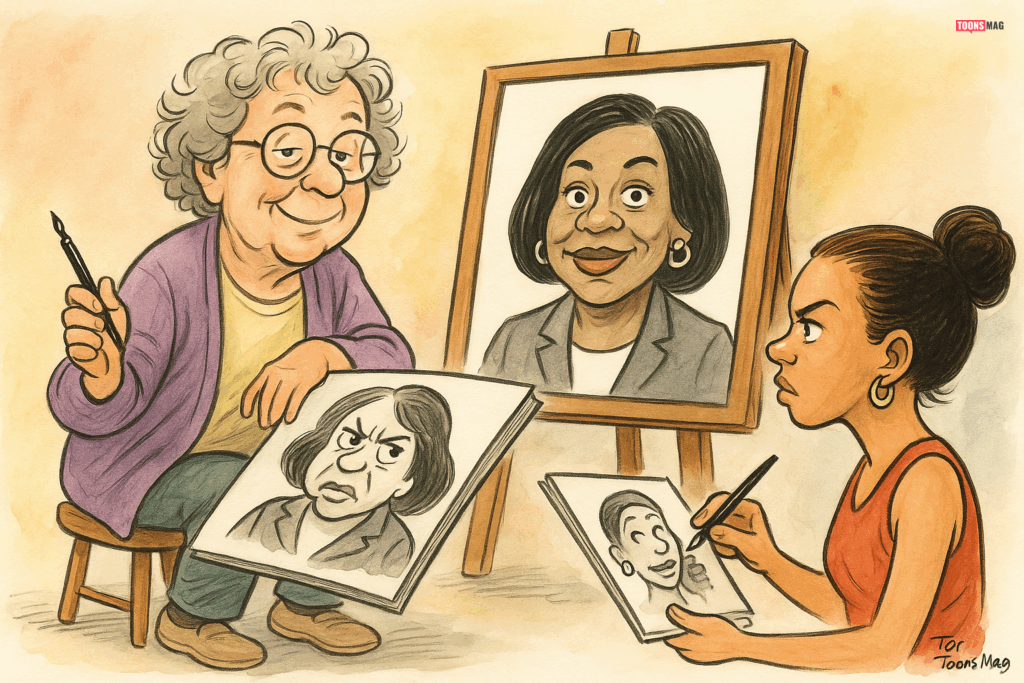
Building a strong network is essential for success. Many female cartoonists find support through professional associations, online forums, and mentorship programs. These networks offer guidance, share resources, and provide encouragement, helping artists to navigate industry challenges and celebrate their successes together.
10.3 Emphasizing Collaboration and Community Engagement
Collaboration can be a powerful tool for breaking down barriers. Female cartoonists are increasingly joining forces on projects, anthologies, and exhibitions. Collaborative efforts not only expand the reach of individual artists but also strengthen the collective voice of women in the field. Community engagement—through workshops, panel discussions, and online events—further helps to build visibility and promote shared learning experiences.
11. Case Studies: Successful Women in Editorial Cartooning
11.1 Roz Chast’s Signature Style
Roz Chast is celebrated for her unique, humorous approach to everyday life and politics. Her work in The New Yorker has earned her widespread acclaim for blending absurdity with sharp social observations. Chast’s cartoons often tackle the anxieties of modern life, using quirky characters and relatable scenarios to make a political point. Her success has inspired many aspiring artists to explore similar themes in their own work.
11.2 Barbara Brandon-Croft’s Groundbreaking Contributions
Barbara Brandon-Croft made history as a pioneer for both African American and female cartoonists. Her series provided a refreshing perspective on social issues, challenging stereotypes and offering a voice to communities that were often marginalized. Brandon-Croft’s work demonstrated that humor could be an effective tool for social change and set a precedent for future generations.
11.3 Emerging Voices and Digital Innovators
Across digital platforms, a new wave of female editorial cartoonists is emerging. These artists use a blend of traditional drawing techniques and digital tools to create visually striking cartoons that resonate with contemporary audiences. Their work often covers issues like political corruption, gender bias, and social justice, providing fresh commentary that reflects today’s concerns. Many of these artists have built substantial followings on platforms like Instagram and Twitter, proving that viral visual commentary is alive and well.
12. The Impact of Women’s Editorial Cartoons on Public Discourse
12.1 Shifting Perspectives in Political Commentary
Women’s contributions to editorial cartooning have broadened the scope of political commentary. By incorporating feminist viewpoints and personal experiences, female cartoonists have enriched the dialogue and provided insights that differ from traditional narratives. Their work has helped shift public opinion on critical issues by challenging long-held assumptions and encouraging more inclusive discussions.
12.2 Influencing Policy and Social Movements
The influence of editorial cartoons extends beyond the realm of art. Powerful images can inspire action, rally support for social causes, and even influence policy debates. Women cartoonists have been at the forefront of highlighting issues such as reproductive rights, workplace equality, and systemic discrimination. Their work often serves as a catalyst for change, sparking conversations that lead to real-world impacts.
12.3 Engaging Diverse Audiences
One of the strengths of editorial cartoons is their ability to communicate complex ideas quickly. Women in this field have proven that a single image can capture the attention of diverse audiences—from activists and policymakers to everyday citizens. This broad appeal has made their work a crucial component of modern political discourse, inviting people to engage with important topics in a visually compelling way.

13. The Business of Editorial Cartooning: Monetization and Funding
13.1 Traditional Media vs. Digital Revenue Streams
Historically, editorial cartoonists relied on print media for income. With the decline of traditional newspapers, many women in the field have turned to digital channels to sustain their work. Crowdfunding platforms like Patreon, subscription models on Substack, and ad revenue from personal blogs have become vital sources of income. These alternative funding streams not only provide financial support but also offer greater creative control.
13.2 Sponsorships and Partnerships
Partnerships with independent publications, online news outlets, and cultural institutions can offer additional revenue opportunities. By collaborating with organizations that value diverse voices, female cartoonists can secure projects that align with their artistic vision while reaching wider audiences. Sponsorships and commissioned work also provide a platform for sharing their unique perspectives with the public.
The digital age has brought challenges related to copyright protection. As images are easily shared and reproduced online, safeguarding intellectual property becomes crucial. Many female cartoonists are now learning to use digital watermarking and other security measures to protect their work. Additionally, legal support and advocacy through professional organizations help ensure that artists receive recognition and compensation for their creations.
14. Educating Future Generations of Female Cartoonists
14.1 The Importance of Mentorship and Training
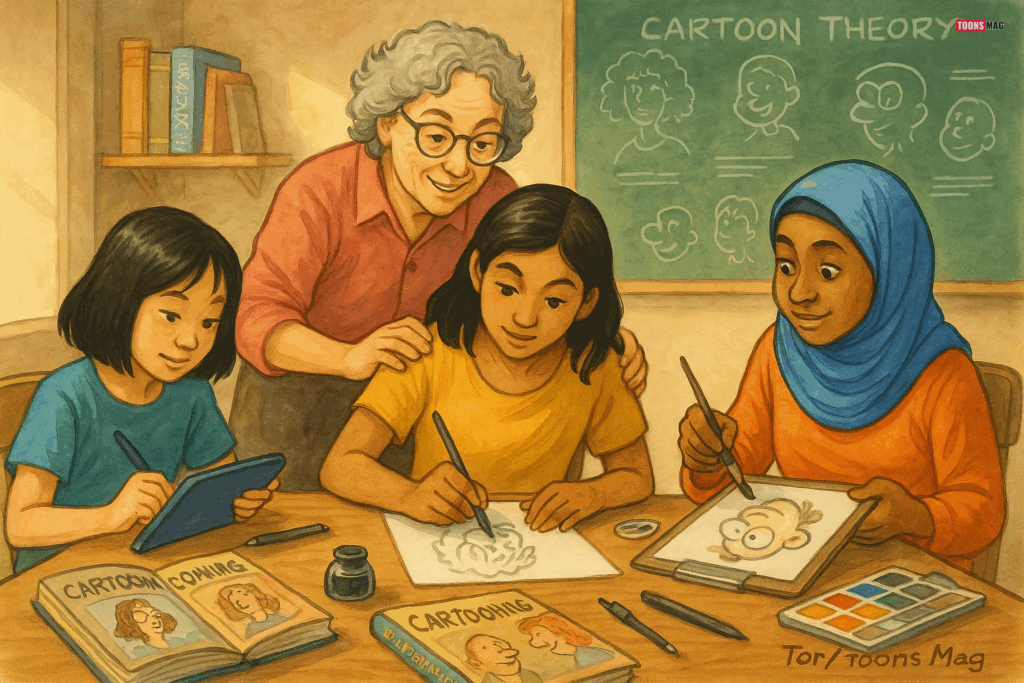
Mentorship plays a critical role in fostering new talent. Established female cartoonists often share their knowledge through workshops, online tutorials, and speaking engagements. These educational efforts help aspiring artists develop their skills, build confidence, and understand the unique challenges of the industry. By passing on their expertise, veteran cartoonists ensure that the next generation is well-prepared to continue breaking new ground.
14.2 Integrating Cartooning into Academic Curricula
Some educational institutions are beginning to incorporate editorial cartooning into their curricula. Courses on visual communication, political satire, and digital art provide students with a structured environment to learn and experiment. By integrating these subjects into academic programs, schools can cultivate creative talent and encourage a more diverse range of voices in media.
14.3 The Role of Online Communities in Learning
Online communities, forums, and social media groups offer additional support for emerging cartoonists. These platforms allow for the exchange of ideas, feedback, and encouragement, creating a virtual classroom where artists can learn from each other. The digital space serves as a valuable resource for knowledge sharing and professional growth, helping to sustain the legacy of women in editorial cartooning.
15. The Future: New Technologies and Expanding Horizons
15.1 Embracing Interactive Formats and Multimedia
The future of editorial cartooning is rich with possibilities. Advancements in technology are opening new avenues for interactive storytelling. Imagine cartoons that incorporate elements of animation or even allow viewers to interact with different panels to reveal more context. These innovations can make political commentary even more engaging, providing audiences with immersive experiences that extend beyond traditional print.
15.2 Exploring Virtual and Augmented Reality
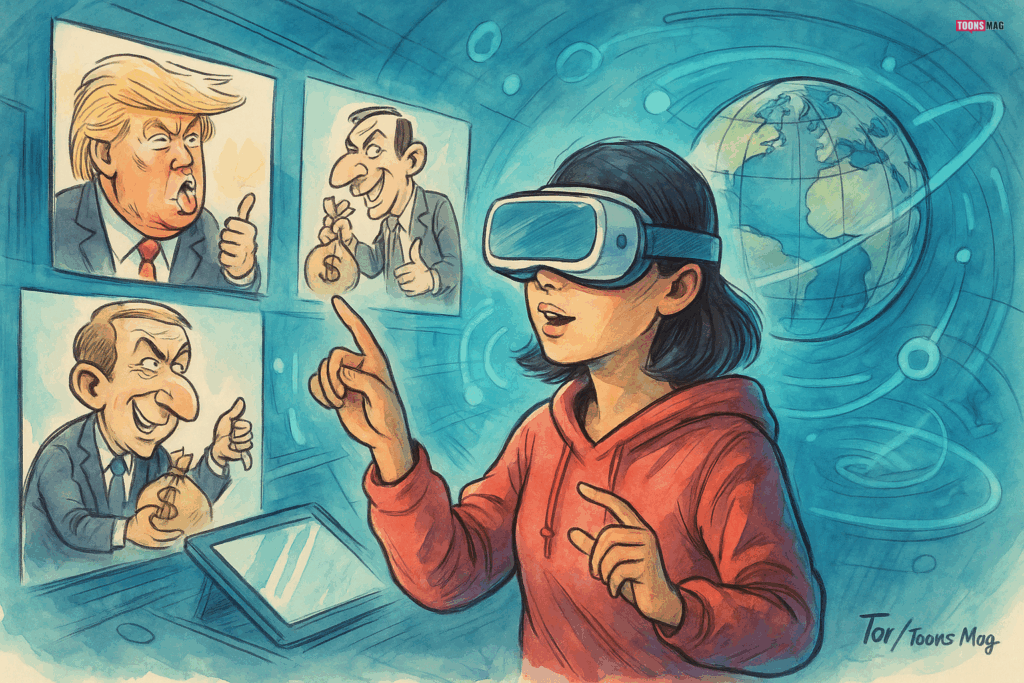
Virtual reality (VR) and augmented reality (AR) are beginning to influence creative fields across the board. In editorial cartooning, these technologies could offer entirely new ways to experience satire. Readers might step into a digital scene where they can explore the environment depicted in a cartoon, adding a layer of engagement that traditional formats cannot offer.
15.3 Artificial Intelligence and Creative Assistance
Artificial intelligence (AI) is already playing a role in many creative processes, and editorial cartooning is poised to benefit as well. AI tools can assist with tasks like color correction, layout suggestions, and even brainstorming ideas. While the core creative vision remains in the hands of the artist, AI can help streamline production and inspire new techniques. This partnership between technology and creativity promises to expand what is possible in visual commentary.
15.4 The Role of Global Digital Platforms
As digital platforms continue to grow, the opportunity to reach international audiences expands. Women cartoonists are now able to share their work with a global community, transcending cultural and geographic boundaries. This increased exposure not only enriches public discourse but also encourages a more diverse exchange of ideas. The connectivity of digital media ensures that powerful images and messages can circulate widely, impacting political debate on a global scale.
16. Celebrating the Legacy and Future of Women in Editorial Cartooning
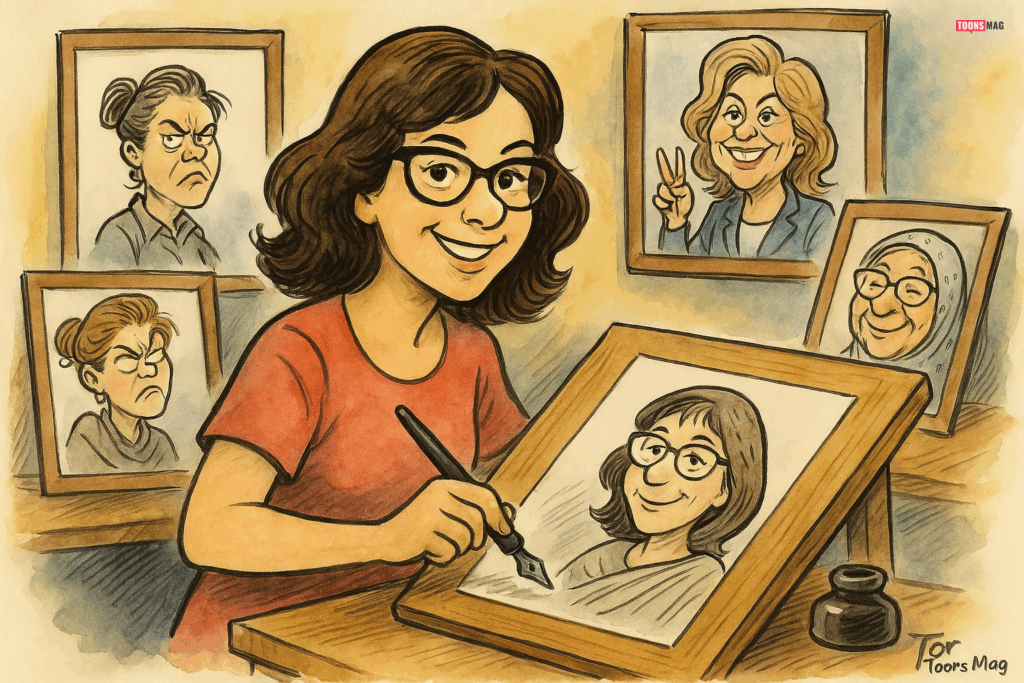
The journey of women in editorial cartooning is a testament to resilience, creativity, and the power of visual commentary. From overcoming institutional bias to harnessing digital tools for independent expression, female cartoonists have transformed the field and enriched public discourse. Their work challenges stereotypes, ignites conversations, and inspires change by providing unique insights into social and political issues.
As we celebrate their achievements, it is important to support and nurture the next generation of women cartoonists. By investing in education, building supportive networks, and embracing new technologies, the future of editorial cartooning looks bright. These artists remind us that a single image can spark debate, provoke thought, and even influence policy. Their contributions ensure that humor and insight remain at the forefront of political commentary, opening eyes and minds to new possibilities.
The progress made by women in this field is a celebration of courage and creativity—a reminder that art can break barriers and challenge outdated norms. Their voices, once marginalized, now enrich a diverse and dynamic conversation that continues to shape our society.
In a digital era where visuals travel fast and ideas spread quickly, the work of female editorial cartoonists stands as a powerful force. They have carved out their space in a challenging industry, proving that humor and wit are not confined by gender. As technology advances and audiences grow more interconnected, their influence will only expand, continuing to challenge stereotypes and inspire change for years to come.
This post was created with our nice and easy submission form. Create your post!