

 Noah Nguyen

Keno Don Hugo Rosa professionally known as Don Rosa, is a celebrated American comic book writer and illustrator born on June 29, 1951, in Louisville, Kentucky, United States. Best known for his work on Scrooge McDuck and other Disney characters, Rosa earned international fame for continuing the legacy of Carl Barks, the “Good Duck Artist.” Between 1987 and 2006, Rosa authored around 90 Disney Duck stories, gaining critical acclaim for his rich storytelling, historical depth, and intricate artwork.
Rosa’s magnum opus, “The Life and Times of Scrooge McDuck,” won the Eisner Award for Best Serialized Story in 1995 and solidified his reputation as the definitive successor to Carl Barks. Throughout his career, Rosa remained deeply connected to the legacy of Barks, crafting stories that expanded the Duck universe while adding his distinctive flair.
Infobox: Don Rosa
| Full Name | Keno Don Hugo Rosa |
|---|---|
| Born | June 29, 1951 |
| Birthplace | Louisville, Kentucky, U.S. |
| Occupation | Comic Writer, Artist, Inker, Penciller |
| Nationality | American |
| Spouse | Ann Payne (m. 1980) |
| Years Active | 1971–2006 (retired) |
| Notable Works | “The Life and Times of Scrooge McDuck” |
| Awards | Eisner Award (1995, 1997), Inkpot Award |
| Education | University of Kentucky (B.S. in Civil Engineering) |
Early Life and Inspirations
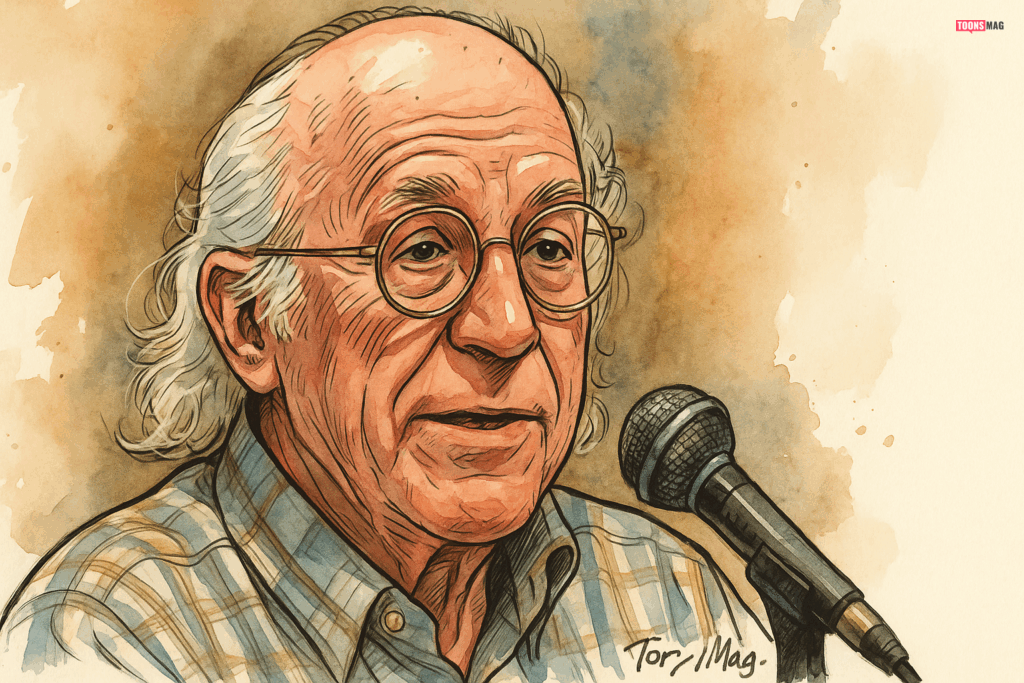
Don Rosa grew up in a comics-loving household in Louisville, Kentucky, particularly influenced by his older sister’s extensive comic book collection. She introduced him to the art of sequential storytelling and taught him to “read the pictures,” a skill that ignited his early fascination with visual narratives even before he became fully literate. This foundational experience fostered Rosa’s passion for visual storytelling and inspired his imaginative approach to comics later in life.
Among his earliest favorites were Uncle Scrooge by Carl Barks, Little Lulu, MAD Magazine, and Mort Weisinger-era Superman comics. He was captivated by the blend of humor, adventure, and subversive satire in these publications. Rosa also developed a strong appreciation for the artistic ingenuity found in The Spirit by Will Eisner and the political whimsy of Pogo by Walt Kelly. These formative influences would deeply inform his storytelling techniques, especially his emphasis on continuity, character depth, and comedic timing.
Rosa attended the University of Kentucky, where he pursued a degree in civil engineering, graduating in 1973. While his academic focus was technical, Rosa never abandoned his artistic pursuits. During his college years, he began experimenting with comic creation, contributing to campus newspapers and independently producing fanzines. He viewed cartooning as a personal outlet and hobby rather than a profession at that point, but the seeds of his future career were already taking root.
Career Beginnings
The Pertwillaby Papers and Captain Kentucky
Rosa’s first major work was “The Pertwillaby Papers”, a serialized comic strip he created for the University of Kentucky’s college newspaper, The Kentucky Kernel, in 1971. The series followed the satirical adventures of Lancelot Pertwillaby, a quirky and overly curious student who frequently found himself embroiled in complex political and global escapades. With a total of 127 episodes by the time Rosa graduated in 1973, the strip earned a loyal readership and laid the groundwork for many of the themes he would revisit in his later Disney work.
In 1979, Rosa created another comic strip titled “Captain Kentucky”, which was published weekly in the Louisville Times. This strip reimagined Lancelot Pertwillaby as a reluctant superhero navigating bizarre local crises in Kentucky. The strip ran until 1982 and totaled 150 episodes. While neither project achieved commercial success, both works were instrumental in shaping Rosa’s artistic identity. They displayed his early fondness for elaborate plots, dense visual storytelling, and the fusion of humor with high-concept narratives. These hallmarks would become defining traits of Rosa’s celebrated work in Disney comics.
Disney and the Rise to Fame
Gladstone Era
In 1986, Rosa submitted a Duck story titled “The Son of the Sun” to Gladstone Comics, marking his professional debut in Disney comics. The story quickly became a critical and fan-favorite hit, earning Rosa a Harvey Award nomination for “Best Story of the Year”—a remarkable achievement for a first-time professional comic creator. “The Son of the Sun” was a refined adaptation of one of his earlier Pertwillaby Papers adventures, transformed to fit the world of Scrooge McDuck, Donald Duck, and their nephews, Huey, Dewey, and Louie.
Set in the Andes and filled with treasure hunting, historical intrigue, and rivalry with Flintheart Glomgold, the story showcased Rosa’s signature storytelling traits: detailed art, historical accuracy, and energetic pacing. The overwhelming success of the story led Gladstone Comics to invite Rosa to continue producing Duck tales, effectively launching his professional career and making him a regular and highly anticipated contributor to Disney comic publications worldwide.
Egmont and The Life and Times of Scrooge McDuck
By the 1990s, Rosa was working with Egmont, a major Scandinavian publisher that distributed Disney comics across Europe, Asia, and other regions. Egmont offered Rosa broader creative opportunities and a larger readership, particularly in countries where Disney comics enjoyed a dedicated fan base. In 1991, Rosa embarked on his most ambitious project: “The Life and Times of Scrooge McDuck,” a meticulously researched 12-chapter epic that chronicled Scrooge McDuck’s journey from impoverished Scottish youth to the richest duck in the world.
Rosa spent years weaving Carl Barks’ fragmented character history into a cohesive and emotionally resonant narrative, adding historical authenticity and imaginative adventure to each chapter. The series was widely praised by fans and critics alike for its attention to continuity, richly detailed illustrations, and emotional storytelling, ultimately earning Rosa an Eisner Award in 1995 for Best Serialized Story.
Following the success of the original series, Rosa produced companion chapters, often referred to as “missing chapters” or side stories, that delved into events between or around the main chapters. These sequels and prequels were especially well-received in France and Finland, where Rosa developed a loyal and enthusiastic fan base. In Finland, his works became a cultural phenomenon, with fans appreciating his dedication to folklore and history, culminating in the acclaimed story “The Quest for Kalevala.” Rosa’s ongoing engagement with readers through European book tours and signings further cemented his reputation as one of the most beloved Disney comic creators of his era.
Artistic Style and Influence
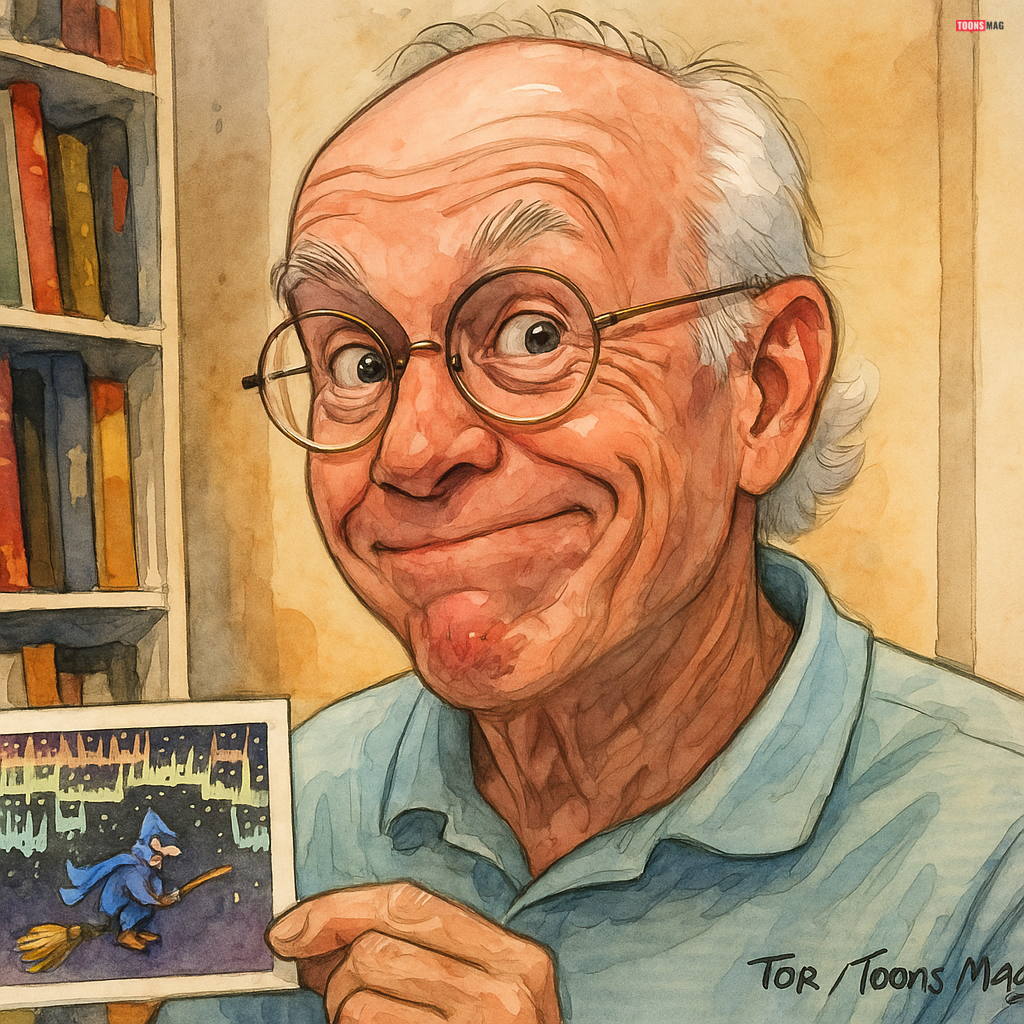
Though self-taught, Rosa used engineering tools such as templates, compasses, rulers, and even drafting curves to craft highly detailed and architecturally precise comic panels. He approached his comic pages with the meticulousness of an engineer, ensuring that backgrounds, buildings, and artifacts were drawn with accurate perspective and fine detail. His work is particularly known for its dense visuals, expressive character gestures, intricate historical settings, and signature Easter eggs such as hidden Mickeys, playful cultural references, and the discreet dedication D.U.C.K. (“Dedicated to Unca Carl from Keno”), often hidden cleverly within the artwork.
While Carl Barks focused on storytelling simplicity, light-hearted satire, and understated humor, Rosa brought a more elaborate narrative structure to Disney comics. He emphasized continuity, realism, and sentimental characterization, especially with regard to Scrooge McDuck’s complex personality and emotional depth. Rosa also inserted layered literary and cinematic references, particularly to classic adventure films like Indiana Jones and The Treasure of the Sierra Madre, as well as real-world history and geography, which gave his stories a sense of educational value and immersive world-building.
Retirement and Legacy
Rosa retired in 2006 due to a combination of serious eye health issues, mounting creative restrictions imposed by licensing arrangements, and ongoing frustration over the lack of royalties for the international reprinting and merchandising of his work. His declining vision, which included retinal detachment and multiple eye surgeries, made the meticulous level of detail in his illustrations increasingly difficult to maintain. Despite these challenges and his eventual departure from the industry, Rosa’s impact has only grown in subsequent years.
He remains revered, especially in Europe, where his comics continue to be celebrated and republished in high-quality, hardcover collections. Countries like Finland, Germany, Italy, and France consider Rosa a cultural icon, often inviting him to comic conventions, book fairs, and academic panels. His detailed storytelling and respect for continuity are used as educational examples in art and literature courses.
Don Rosa’s stories, especially “The Life and Times of Scrooge McDuck,” are now considered essential reading for both new and seasoned Disney comics enthusiasts. His reinterpretation of Carl Barks’ characters has earned him legendary status in the comic world, solidifying his role as one of the most significant figures in the history of Disney comics.
Awards and Recognition
- Eisner Award for Best Serialized Story (1995)
- Eisner Award for Best Artist/Writer – Humor (1997)
- Inkpot Award (2014)
- Multiple European Awards: Germany, Italy, Norway, Sweden, Spain, Denmark
Personal Life and Hobbies
Don Rosa married Ann Payne in 1980. Payne, a former middle school social studies teacher, has supported Rosa throughout his career, offering both emotional grounding and logistical help as he navigated fame and demanding deadlines. Known for his modest and introverted nature, Rosa often avoids the spotlight, preferring the company of close friends, books, and nature.
Rosa is a passionate collector with wide-ranging interests. His vast collections include vintage comic books, TV Guide issues, National Geographic magazines, fanzines, movie posters, White Castle memorabilia, pinball machines, and even historical documents related to pop culture. His collecting reflects the same meticulous attention to detail that defines his artwork.
On his rural Kentucky property, Rosa maintains a 30-acre private nature preserve, complete with wildflower fields and forested trails that he personally designed and tends. It serves as both a retreat and an ecological haven. He is also an experienced horticulturist, cultivating a wide variety of exotic chili peppers, which he often shares with fans during his tours.
Rosa is a frequent guest at European comic conventions, where he enjoys a superstar status. Fans in Finland, in particular, regard him as a national treasure, with his works featured in educational curricula and celebrated in mainstream media. His tours across France, Italy, Germany, and the Nordic countries consistently attract massive crowds, demonstrating his enduring legacy as one of the most beloved figures in modern comic art.
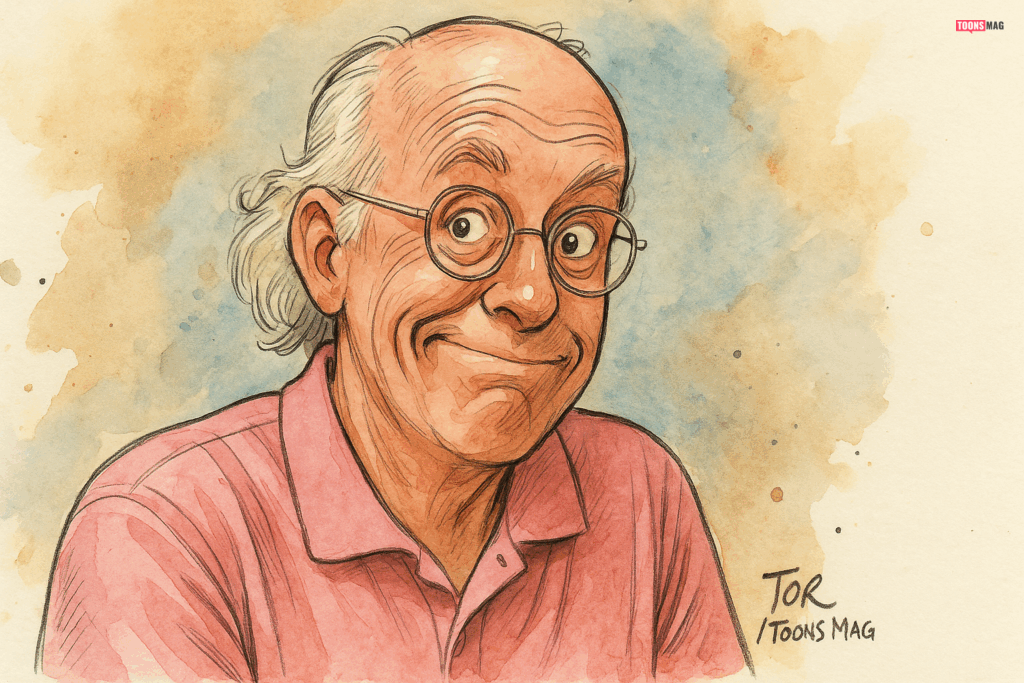
Don Rosa’s blend of meticulous research, visual complexity, and narrative continuity redefined Disney Duck comics for a new generation, breathing vibrant life into classic characters and timeless themes. His attention to historical authenticity and layered narratives elevated the standard for Disney comics and set a new benchmark for the genre. By combining adventure, sentimentality, and humor, Rosa’s storytelling brought a cinematic depth to the medium that resonated with readers around the world.
Revered as the spiritual successor to Carl Barks, Rosa embraced and expanded the Duck universe with unparalleled reverence and creativity. He was not just a cartoonist but a dedicated historian of the world he helped enrich, often incorporating real-world events, figures, and locations into his stories. Rosa’s ability to create complex emotional arcs—especially around Scrooge McDuck’s past—provided fans with a richer understanding of the character’s motivations, trials, and triumphs.
His comics, especially The Life and Times of Scrooge McDuck, are enduring tributes to the power of storytelling through the art of sequential panels. The series is now considered a cornerstone of modern Disney comics, blending historical fiction with family lore and psychological insight. Rosa’s work continues to influence generations of cartoonists and is studied not only for its artistic brilliance but also for its narrative sophistication and cultural impact.



One Comment