

 Sondre Borg

Minimalism in art is all about conveying the maximum impact with the minimum means. When applied to cartooning, it strips away the extraneous details to focus on the essential elements that define characters, emotions, and narratives. This approach not only creates visually striking images but also invites viewers to engage their imagination and interpret the work in personal ways. In this article, we explore the origins of minimalist cartoon art, examine its key features, and discuss how this style has influenced modern visual storytelling.
1. The Allure of Minimalism
Minimalist cartoon art is characterized by its clean lines, sparse details, and emphasis on form and composition. This style often features a limited color palette and simplified shapes that work together to convey complex ideas with clarity and elegance. The allure of minimalism lies in its ability to evoke strong emotions and tell a story without overwhelming the viewer with visual clutter. In today’s fast-paced world, where visual stimuli are abundant, minimalist art offers a refreshing respite—focusing the viewer’s attention on what truly matters.
1.1 What Is Minimalist Cartoon Art?
Minimalist cartoon art is an artistic style that uses simple, uncluttered lines and forms to represent characters and scenes. Unlike more detailed or realistic styles, minimalism in cartooning prioritizes clarity, balance, and efficiency. It’s a style that often leaves space for interpretation, inviting audiences to engage with the art on a deeper level.
1.2 Why Minimalism?
The philosophy of “less is more” is at the heart of minimalism. In cartooning, minimalism can communicate mood, character, and narrative with a surprising amount of power. The absence of superfluous detail can make images more memorable and emotionally resonant. For creators, embracing minimalism means challenging themselves to distill their ideas to their essence, ensuring that every line and shape has a purpose.
2. Historical Context: The Evolution of Minimalism in Cartooning
2.1 Early Influences: From Traditional Japanese Art to Western Simplicity
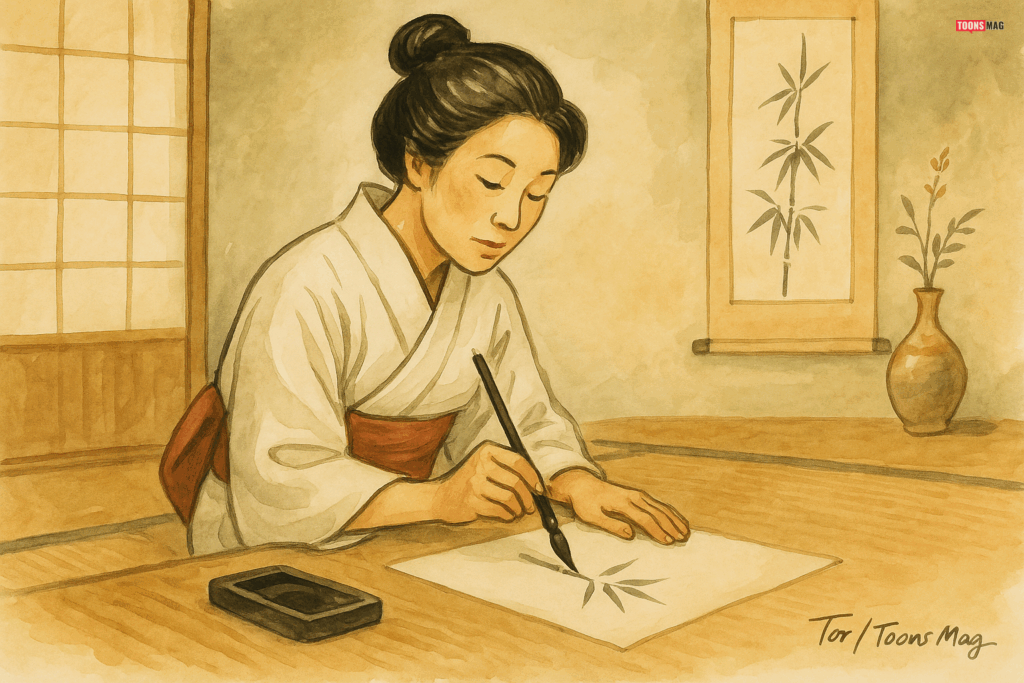
Minimalist principles can be traced back to various art traditions around the world. In Japan, for instance, the aesthetic of wabi-sabi—a concept that finds beauty in simplicity, imperfection, and transience—has influenced visual arts for centuries. Ukiyo-e woodblock prints and traditional calligraphy emphasize clean lines and balanced composition, elements that would later inform minimalist approaches in manga.
In the West, minimalism emerged as a formal movement in the mid-20th century, emphasizing simplicity and reduction of form. Early American cartoonists, even before the term “minimalism” was coined, often employed bold lines and clear shapes to convey their humor and narratives effectively. These early experiments with simplicity laid the groundwork for a style that would evolve independently in various cultural contexts.
2.2 The Transition to Minimalism in Modern Cartooning
As the medium of cartooning matured, many artists began to explore ways to express complex ideas through simple, clean visuals. Minimalist cartoon art emerged as a response to over-detailed styles that sometimes cluttered the narrative. By focusing on the essentials—clear outlines, a limited color palette, and strategic negative space—artists could create images that were both striking and emotionally engaging.
The evolution of printing and digital technologies further encouraged this trend. High-resolution printing and digital illustration tools made it easier to produce clean, precise lines that are the hallmark of minimalist art. As a result, minimalist cartoon art became a popular choice for both independent artists and major studios looking to create a distinct visual identity.
3. Characteristics of Minimalist Cartoon Art
3.1 Simplicity in Design
At its core, minimalist cartoon art is about simplicity. This doesn’t mean that the artwork is lacking in creativity or depth—in fact, it often requires even more skill to convey meaning through fewer elements. Minimalist cartoonists aim to remove unnecessary details, focusing instead on the fundamental shapes and lines that define their subjects. This results in clean, uncluttered images that capture the essence of a character or scene.
3.2 Emphasis on Line Quality
Line art is the backbone of minimalist cartooning. The quality of the line—its weight, texture, and flow—can dramatically influence the mood and personality of the drawing. Bold, confident lines can suggest strength and determination, while delicate, flowing lines might convey elegance or vulnerability. The careful manipulation of line quality is essential for creating dynamic, engaging artwork with a minimalist aesthetic.
3.3 Strategic Use of Negative Space
Negative space, or the empty space surrounding the main subject, plays a crucial role in minimalist art. Far from being a mere background, negative space can enhance the overall composition, guide the viewer’s eye, and create a sense of balance. By thoughtfully incorporating negative space, artists can ensure that each element in the drawing has room to breathe, thereby amplifying the impact of the visual message.
3.4 Limited Color Palettes
While many traditional cartoons rely on vibrant, varied colors, minimalist cartoon art often uses a restricted color palette. This limitation forces the artist to make deliberate choices about which hues to include, ensuring that every color has meaning. Whether it’s the use of monochromatic schemes or a few accent colors, the strategic use of color enhances the simplicity and clarity of the work.
4. Techniques and Tools for Creating Minimalist Cartoons
4.1 Traditional Tools: Pen and Paper
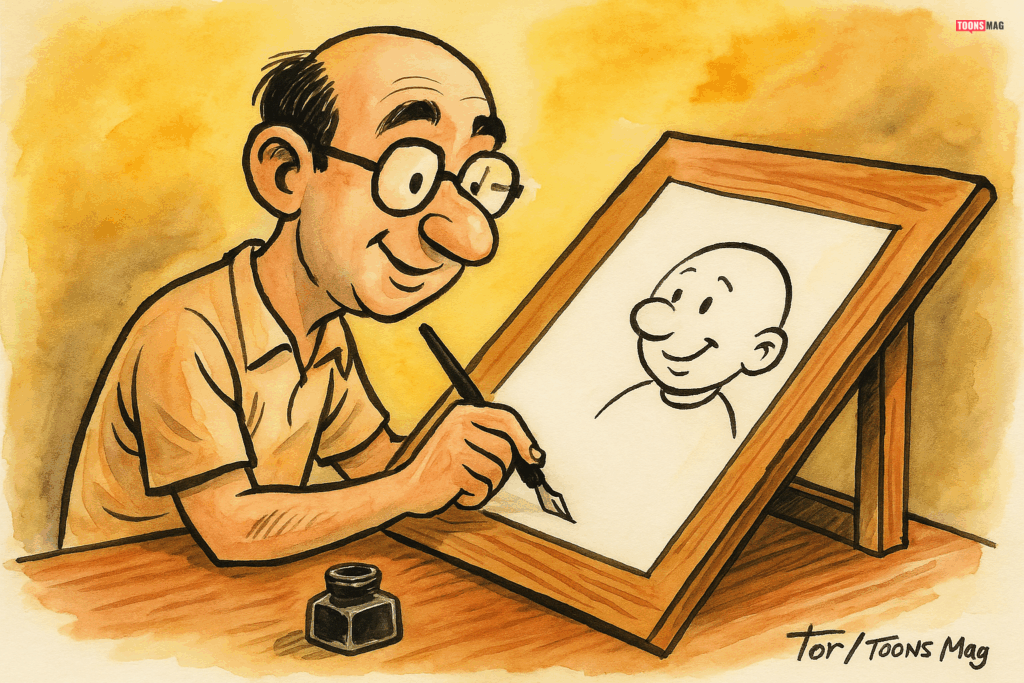
Many minimalist cartoonists start with traditional tools—pen, ink, and paper. The tactile experience of drawing by hand can help artists develop a sense of fluidity and control that is essential for creating clean, expressive line art. Techniques such as hatching, cross-hatching, and controlled inking are often employed to add texture and depth while maintaining simplicity.
4.2 Digital Tools: Enhancing Precision and Flexibility
Digital illustration has revolutionized the way artists create minimalist cartoons. Software such as Adobe Photoshop, Illustrator, and Clip Studio Paint offer a variety of brushes and tools that can simulate traditional pen-and-ink techniques with remarkable precision. Digital tools allow for easy experimentation with line weight, texture, and color, providing a level of flexibility that can help artists fine-tune their style.
4.3 Combining Traditional and Digital Methods
Many modern artists find that the most effective approach is to combine traditional and digital techniques. For instance, an artist might begin with hand-drawn sketches, then scan and refine these drawings digitally. This hybrid approach captures the organic feel of hand-drawn art while leveraging digital technology for precision and efficiency.
5. Developing Your Unique Minimalist Style
5.1 Experimentation: Finding Your Signature
Developing a unique cartooning style is an iterative process. Experiment with different techniques and tools until you find a combination that resonates with your creative vision. Don’t be afraid to experiment with variations in line thickness, negative space, and color schemes. Over time, these experiments will help you identify the elements that define your style.
5.2 Study and Analyze the Masters
Take time to study the work of artists known for their minimalist approach. Look at how they use lines, manage space, and simplify complex subjects into elegant compositions. Whether you’re drawn to the bold simplicity of American minimalist cartooning or the refined, subtle approach of Japanese manga minimalism, analyzing the work of masters can provide valuable insights and inspiration.
5.3 Iterative Refinement and Self-Critique
Regularly review and critique your work. Keeping a visual journal of your sketches and finished pieces can help you track your progress over time. Reflect on what works, what doesn’t, and how your style evolves with each new piece. Constructive self-critique is key to developing a refined, cohesive style.
5.4 Seeking Feedback and Mentorship
Engage with other artists and seek feedback from peers, mentors, and online communities. Constructive criticism can provide fresh perspectives on your work and help you identify areas for improvement. Join art forums, attend workshops, and participate in social media groups dedicated to cartooning to stay connected and inspired.
6. Minimalism in Character Design
6.1 Distilling Personality into Simple Forms
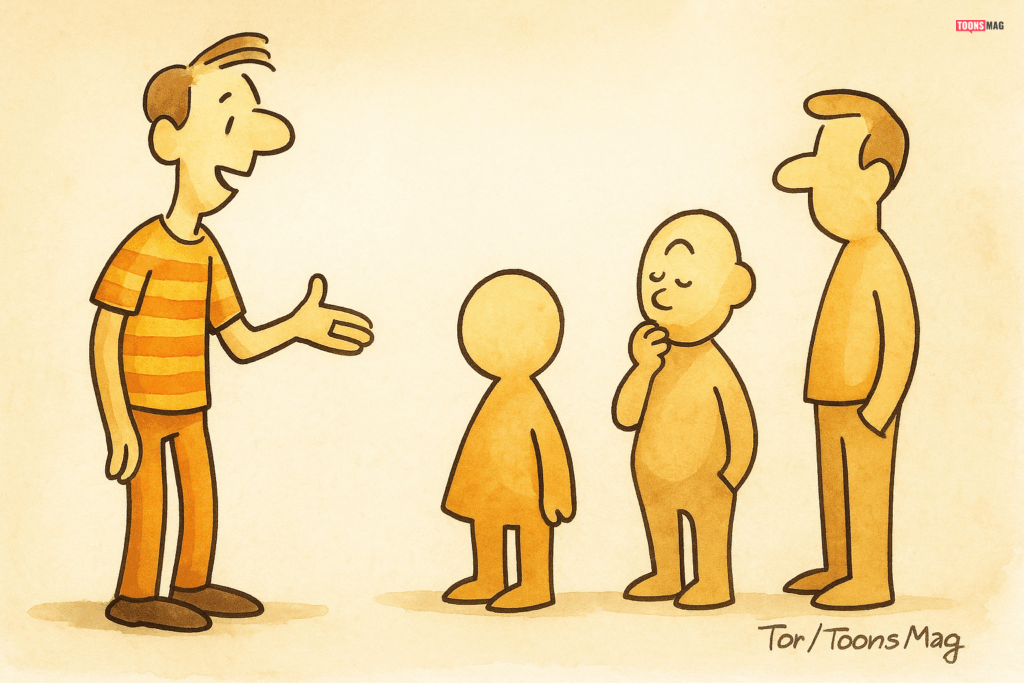
One of the biggest challenges in minimalist cartooning is capturing the essence of a character with as few lines as possible. Focus on creating strong, distinctive silhouettes that convey personality even without detailed facial features or textures. Experiment with simplifying features—like eyes, noses, and mouths—into basic shapes that still express emotion.
6.2 Balancing Simplicity and Expression
Minimalist character design requires a delicate balance between simplicity and expressiveness. Too few details can make a character appear flat or generic, while too many details can overwhelm the minimalist aesthetic. Strive for a balance where every line serves a purpose—whether it’s outlining a dynamic pose or hinting at the character’s mood.
6.3 Consistency Across Variations
As you develop a series of characters, ensure that there is a consistent visual language that ties them together. This can be achieved through similar line styles, color palettes, or compositional techniques. Consistency not only strengthens your overall style but also makes your characters instantly recognizable to your audience.
7. Using Negative Space to Enhance Visual Impact
7.1 The Art of Emptiness
In minimalist art, negative space is as important as the lines that form the subject. Embracing emptiness can lend a sense of elegance and clarity to your work. The deliberate use of negative space can draw attention to the subject, create balance, and evoke a feeling of openness. It is a powerful tool that helps prevent your work from feeling cluttered.
7.2 Techniques for Effective Negative Space
Experiment with leaving areas of your canvas intentionally blank. Consider how the shape of the empty space interacts with the drawn elements. Techniques like isolating a character against a simple background or using white space to emphasize a bold line can create a strong visual impact. Practice using negative space to guide the viewer’s eye through your composition.
8. The Role of Color in Minimalist Cartoon Art
8.1 The Philosophy of “Less is More” in Color
In minimalist cartoon art, color is often used sparingly to enhance the composition rather than dominate it. A limited color palette forces you to make deliberate choices about which hues best convey the mood and personality of your work. Whether you opt for monochrome designs or a few accent colors, the goal is to maintain a sense of simplicity while adding emotional depth.
8.2 Creating Harmony with Limited Palettes
Experiment with different color combinations to find a palette that complements your line art. Consider the psychological impact of colors—warm hues might evoke energy and passion, while cool tones can create a calm, contemplative atmosphere. Use color to highlight key elements, draw attention to important details, or create contrast within your composition.
8.3 Digital Color Techniques
Digital tools allow for intricate control over color. Explore features like gradients, opacity adjustments, and blending modes to add subtlety to your work. Even when working within a minimalist framework, digital color techniques can add layers of visual interest without compromising the overall simplicity of your design.
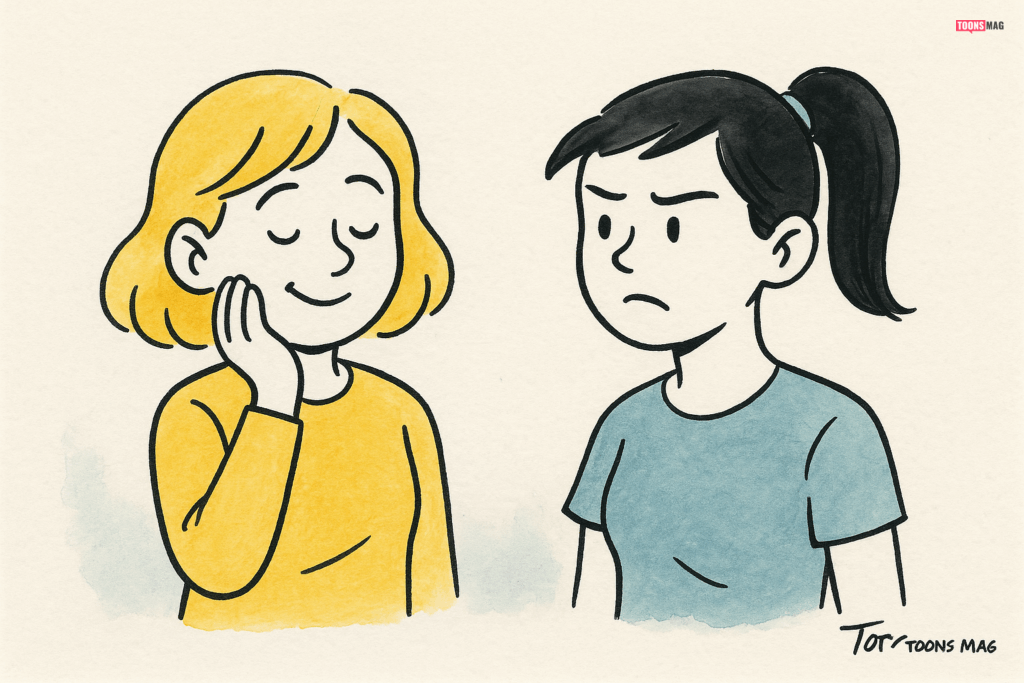
9. Balancing Commercial Appeal and Personal Expression
9.1 Finding Your Market
For many cartoonists, developing a unique style is not just about personal expression—it’s also about finding an audience. Identify the niche that resonates with your work, whether it’s in editorial cartoons, comic strips, or graphic novels. A distinctive style can help you stand out in a crowded market, attracting fans and potential clients alike.
9.2 Adapting to Different Projects
While your unique style is your signature, sometimes commercial projects require adjustments to meet client needs. Learning how to adapt your style without compromising its essence is a valuable skill. This flexibility can open up opportunities for collaborations, commissions, and freelance work while still allowing you to maintain your personal artistic voice.
9.3 Maintaining Artistic Integrity
It can be tempting to mimic popular trends for commercial success, but maintaining your artistic integrity is essential. Stay true to your vision and focus on creating work that reflects your unique perspective. Audiences and clients appreciate authenticity, and a consistent, genuine style will ultimately build a loyal following.
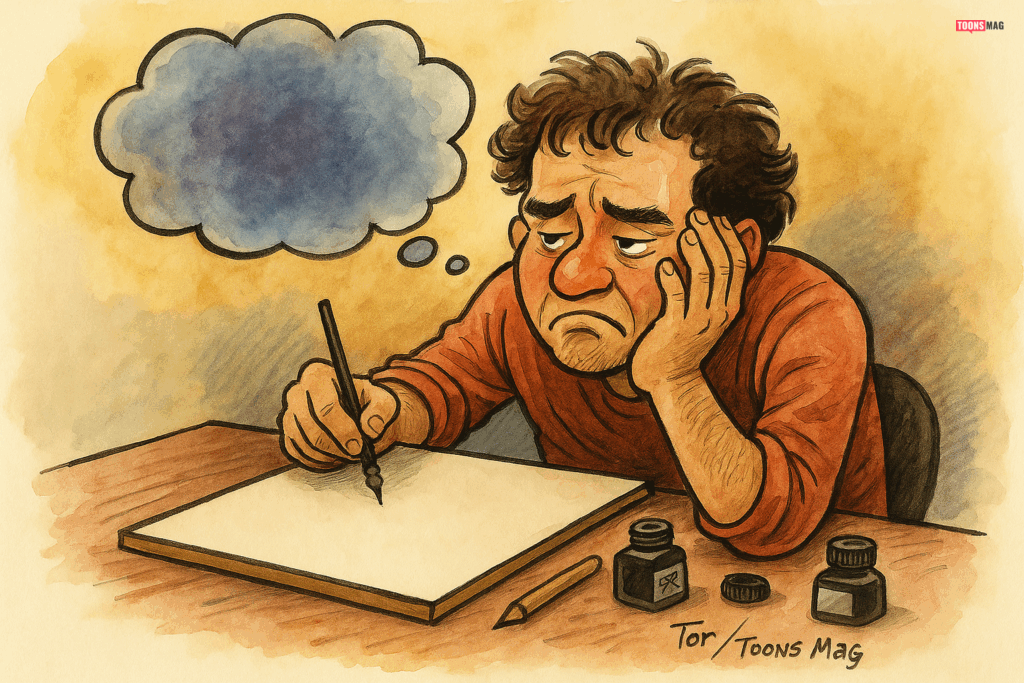
10. Overcoming Creative Blocks in Minimalist Cartooning
10.1 Understanding the Nature of Creative Blocks
Every artist encounters creative blocks—periods where ideas seem to stall or inspiration feels distant. Recognize that this is a natural part of the creative process. Sometimes, the pressure to produce work that is both simple and profound can lead to frustration. Understanding that creative blocks are temporary can help you manage them more effectively.
10.2 Strategies for Reigniting Creativity
- Change Your Environment: Sometimes a new setting—whether it’s a café, park, or different room—can refresh your perspective.
- Experiment with Different Styles: Break away from your usual approach by trying a different medium or style. This experimentation can spark new ideas and lead to breakthroughs in your work.
- Take Breaks: Step away from your work for a while to clear your mind. Engaging in unrelated activities can help your subconscious generate fresh ideas.
10.3 Learning from Past Work
Reviewing your older sketches and projects can be a source of inspiration. Notice patterns, strengths, and areas that you’ve naturally gravitated towards. This reflection not only reinforces your unique style but also highlights progress, reminding you that creative evolution is a continuous journey.
11. The Business of Minimalist Cartooning
11.1 Building a Portfolio That Reflects Your Style
Your portfolio is your calling card. When creating one, include a curated selection of work that showcases your minimalist approach. Ensure that your portfolio is cohesive and demonstrates your ability to convey emotion, movement, and narrative with simplicity. A strong portfolio will attract potential clients, collaborators, and fans who appreciate your distinctive style.
11.2 Online Presence and Social Media
In today’s digital world, building an online presence is essential. Platforms like Instagram, Behance, and ArtStation are excellent venues for sharing your work. Engage with your audience through regular posts, behind-the-scenes looks, and interactive content that explains your creative process. A vibrant online community can provide valuable feedback and support, helping you refine and expand your style.
11.3 Networking and Collaboration
Join art communities, attend conventions, and participate in online forums. Networking with other artists not only provides inspiration but can also lead to collaborative projects that challenge and expand your style. Being part of a creative network keeps you motivated and exposes you to diverse techniques and perspectives.
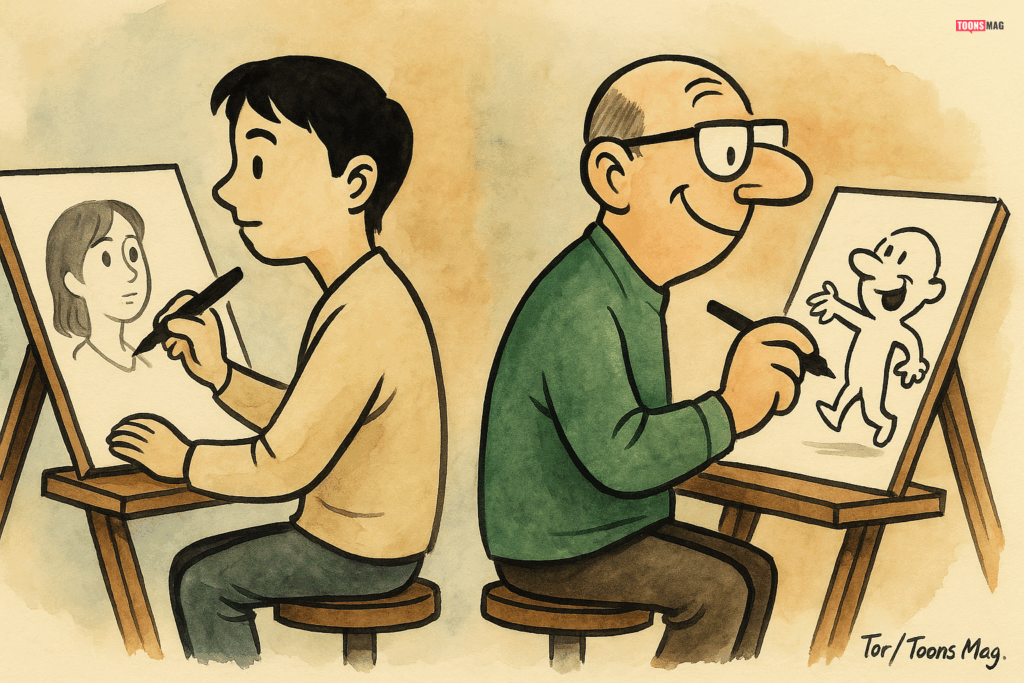
12. Minimalist Cartoon Art in a Global Context
12.1 Cross-Cultural Influences
Minimalism is a global phenomenon, and different cultures bring their own sensibilities to the art form. For example, Japanese manga often employs minimalistic elements, focusing on clean lines and subtle expressions. Meanwhile, American cartooning might emphasize bold, dynamic visuals. By studying international minimalist styles, you can incorporate a fusion of techniques that enrich your work and broaden its appeal.
12.2 The Role of Digital Media in Globalizing Minimalism
Digital tools and online platforms have made it easier than ever for artists to share their work with a global audience. This interconnected world encourages cross-cultural exchange, where minimalist cartoonists can learn from each other and develop hybrid styles that reflect a blend of influences. The global reach of digital media has not only elevated the art form but also democratized it—allowing emerging artists from all corners of the world to showcase their unique voices.
13. Case Studies: Artists Who Excel in Minimalist Cartooning
13.1 The Influence of Classic Minimalists
Study the work of established artists known for their minimalist approach. Look at how they use line work, composition, and negative space to create impactful images. Artists like Charles Schulz, known for the simplicity of Peanuts, demonstrate that minimalism can be both emotionally engaging and universally appealing. Their work shows that a few well-placed lines can convey complex emotions and tell compelling stories.
13.2 Contemporary Minimalist Innovators
Today, many emerging artists are pushing the boundaries of minimalist cartooning. These artists experiment with digital tools, innovative layouts, and unconventional themes. By examining their portfolios and techniques, you can gain insight into current trends and find inspiration for your own work. Whether it’s through online galleries, social media, or art publications, contemporary minimalist cartoonists offer a wealth of ideas that can spark your creativity.
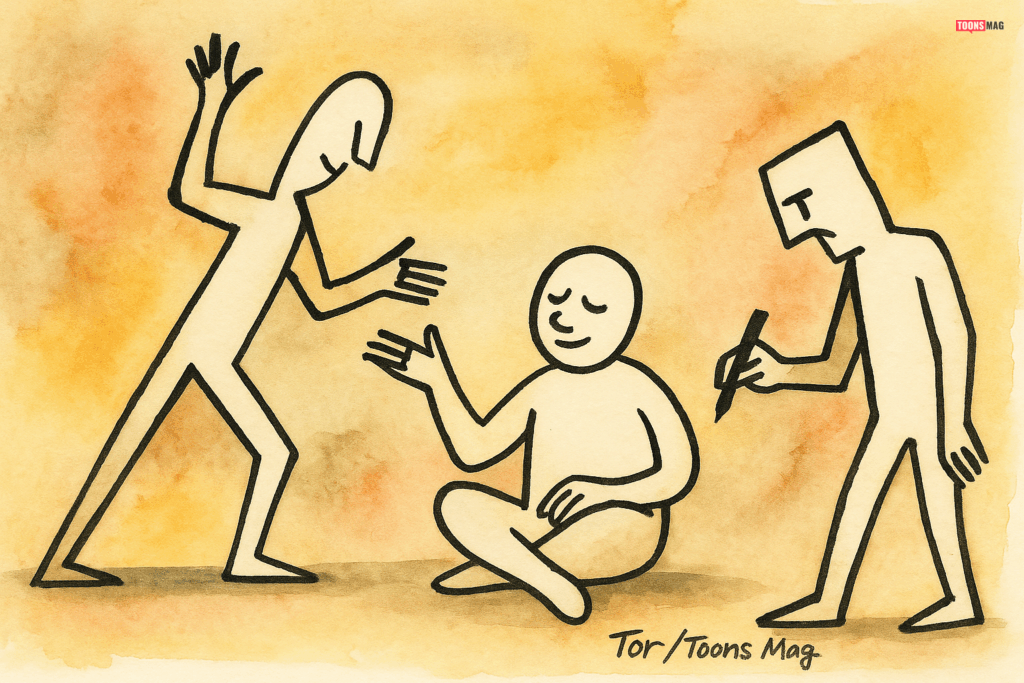
14. Experimentation: Pushing the Boundaries of Minimalism
14.1 Breaking Traditional Conventions
One of the joys of minimalism is its flexibility. Don’t be afraid to break the rules—experiment with unusual compositions, unexpected angles, or even abstract representations that challenge conventional ideas of cartooning. Pushing these boundaries can lead to innovative techniques that set your work apart.
14.2 The Role of Negative Space and Abstraction
Explore how abstraction and the creative use of negative space can transform your work. Minimalist art isn’t just about what you draw; it’s also about what you leave out. Experiment with leaving parts of your canvas blank, and use this space strategically to enhance the overall impact of your piece. Such techniques can create a sense of mystery and invite the viewer to fill in the gaps with their own imagination.
14.3 Embracing Simplicity in Storytelling
Minimalist cartooning often goes hand in hand with concise, impactful storytelling. Challenge yourself to tell a complete story using just a few panels or lines. This exercise can help you distill your narrative to its essence, ensuring that every element of your work is meaningful. Sometimes, less really is more, and the power of a simple image or phrase can leave a lasting impression on your audience.
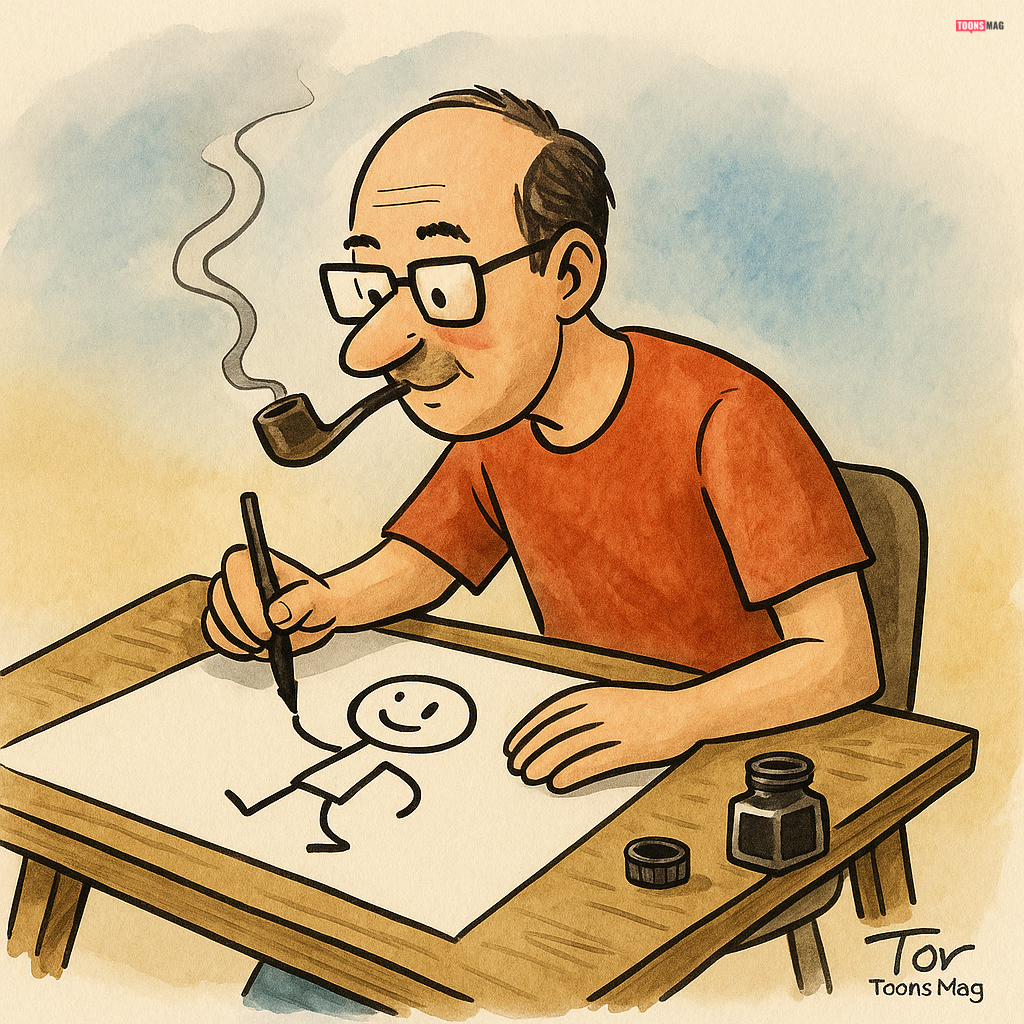
15. Final Thoughts: Your Journey to a Unique Style
Creating a unique minimalist cartooning style is a journey that combines inspiration, experimentation, and continuous learning. By focusing on the fundamentals—clear, expressive line art; strategic use of negative space; and a carefully chosen color palette—you can develop a visual language that is distinctly your own. Remember that every artist’s path is unique, and there is no single formula for success.
15.1 Embrace Your Individuality
Your unique perspective is what sets you apart. Draw from your own experiences, interests, and emotions to create art that truly reflects who you are. Minimalism is not about following trends; it’s about expressing your vision in the simplest, most powerful way possible.
15.2 Stay Open to Growth and Change
Artistic styles evolve over time, and so will yours. Embrace the evolution of your work, and don’t be afraid to experiment with new ideas. The journey to a distinctive style is ongoing—each new sketch, each experiment, and each critique is a step toward refining your creative voice.
15.3 Celebrate Every Step
Every piece you create is a milestone in your artistic journey. Celebrate your progress, learn from your challenges, and remember that every great artist started somewhere. Over time, your unique minimalist style will emerge as a true reflection of your creative spirit.
The Power of the Simple Line
Minimalist cartoon art teaches us that sometimes, less truly is more. The clean lines, carefully balanced compositions, and strategic use of space in minimalist works are a testament to the power of simplicity in conveying complex ideas and emotions. Whether you’re an aspiring cartoonist or a seasoned artist, embracing minimalism can help you create work that is both timeless and deeply personal.
In the ever-changing world of visual art, the pursuit of a unique, minimalist style is a rewarding endeavor. It challenges you to strip away the unnecessary, focus on the essential, and express your ideas with clarity and impact. As you continue to explore the world of minimalist cartooning, remember that your style is a living, evolving reflection of your artistic journey.
This post was created with our nice and easy submission form. Create your post!