

 Joann McPike

The history of American comics stretches from 19th‑century satirical prints and newspaper funnies to today’s global franchises of superheroes, graphic novels, and webcomics. This definitive guide explains how the medium emerged, how fans and scholars divide it into Ages (Golden, Silver, Bronze, Modern—and alternatives like Atom, Copper, Chrome, and Dark), and how distribution, censorship, and technology reshaped the art and business of comics across nearly two centuries.
Quick Facts (Infobox): History of American Comics
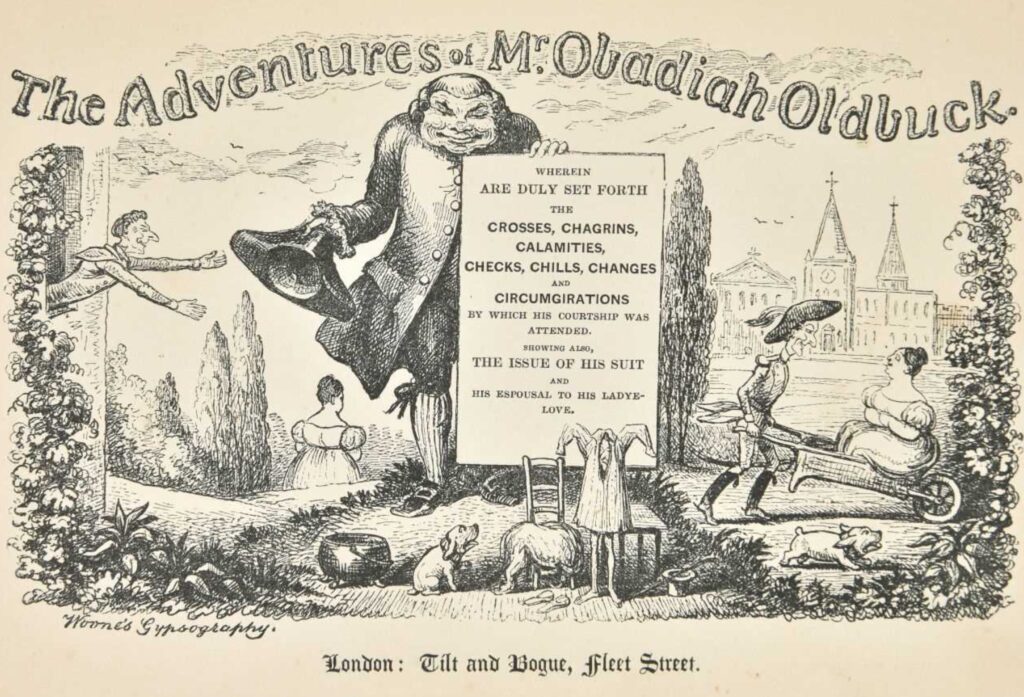
| First U.S. comics publication | The Adventures of Mr. Obadiah Oldbuck (U.S. edition, 1842) |
|---|---|
| First color Sunday strip in a U.S. daily | New York World (1894) |
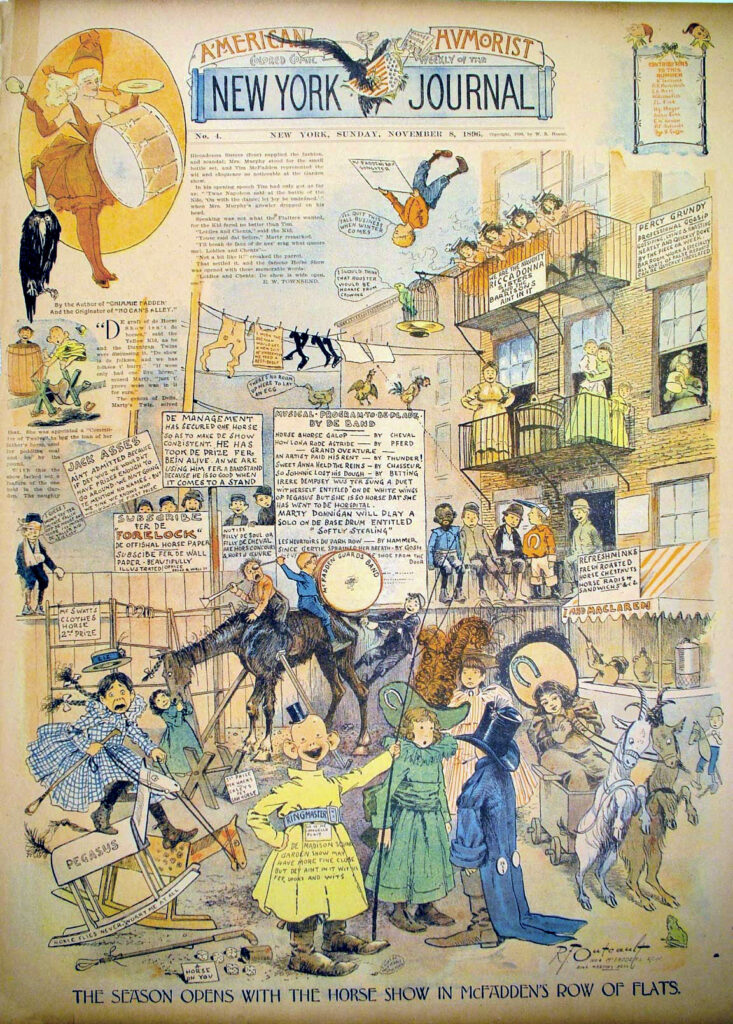
| First hugely popular character | The Yellow Kid (1895–1898) |
| First true modern comic book | Famous Funnies: A Carnival of Comics (1933) |
| Catalyst for the superhero boom | Action Comics #1 (Superman, 1938) |
| Industry self‑censorship | Comics Code Authority (from 1954) |
| Silver Age milestone | Showcase #4 (The Flash, 1956) |
| Modern touchstones | Watchmen, The Dark Knight Returns, Maus (mid‑1980s) |
Overview
American comics began as mass‑market entertainment in newsprint—first as satirical illustrations and newspaper funnies, then as self‑contained comic books. By the late 1930s, original material (especially superheroes) dominated, and comics swiftly became a cultural fixture. Through wars, moral panics, retail upheavals, and digital disruption, the field has constantly reinvented itself—expanding into graphic novels, YA shelves, webcomics, and blockbuster media.
Periodization: The Standard “Ages”
Scholars and fans typically divide U.S. comics history into overlapping “Ages.” The dates are widely used but not unanimous.
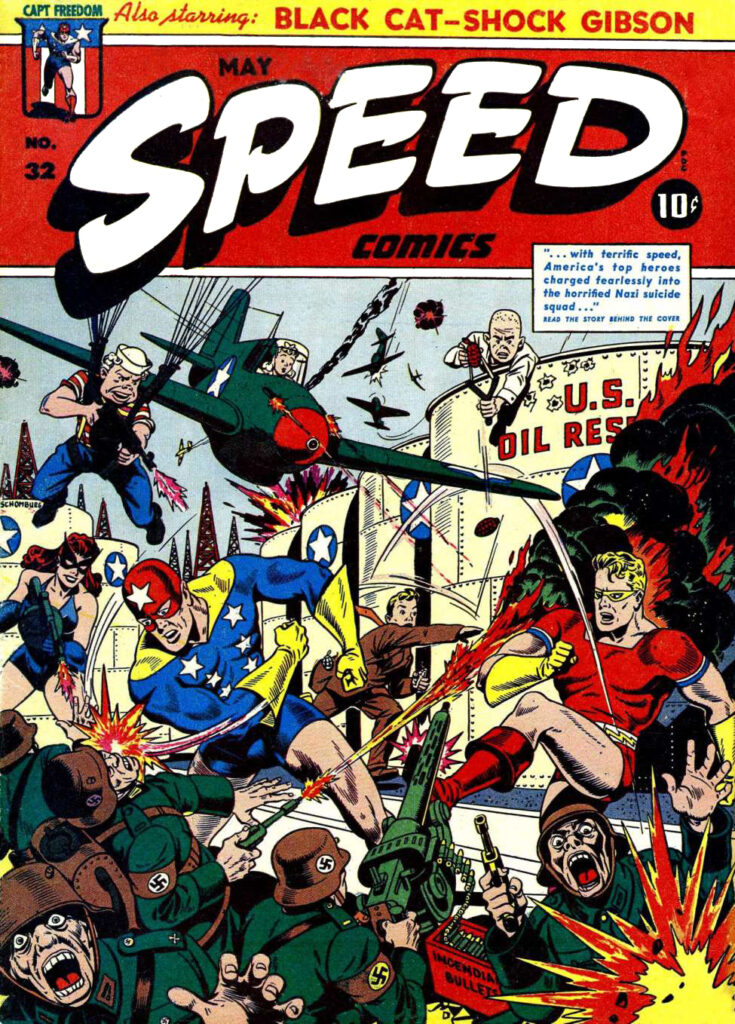
- Golden Age (c. 1938–1956): Launch of the superhero, especially after Action Comics #1 (1938). Wartime popularity; a flowering of genres (superhero, humor, teen, funny animal, Western, crime, romance, sci‑fi). Sales decline in early 1950s amid public criticism.
- Silver Age (1956–1970): Superheroes rebound beginning with the modern Flash in Showcase #4 (1956). Science‑fictional spins on classic concepts, shared universes formalized, and the Multiverse codified. The Comics Code shapes content.
- Bronze Age (1970–1985): Superhero dominance continues but tones darken; creators tackle social issues (urban crime, drugs, ecology, equality). Creator identities and styles come to the fore; mini‑series, royalties, and direct‑market growth.
- Modern Age (c. 1985–Present): Formal experimentation and mature themes reach the mainstream. Graphic novels gain literary prestige; indie/alt scenes expand; the 1990s speculator boom/bust reshapes the market; webcomics and digital distribution emerge; superheroes anchor cross‑media franchises.
Alternative Schemes (Selected)
- Victorian → Platinum → Golden → Atom → Silver → Bronze → Copper → Chrome → Modern: Expands the timeline to include pre‑comic‑book and post‑1990s phases; “Atom Age” highlights post‑war science/atomic themes; “Copper/Chrome” describe mid‑1980s–1990s evolutions.
- Dark Age (c. 1985–2004): Emphasizes the era’s gritty aesthetics and deconstruction.
- Postmodern/Diamond Age (2000s–Present): Stresses line reboots, meta‑storytelling, and the bookstore/digital turn.
Note: Historians disagree on exact dates and labels; the “Ages” are descriptive tools, not hard walls.
Origins & Early Development (19th Century)
Victorian Roots (to the 1890s)
- Imported inspiration: Rodolphe Töpffer’s picture‑stories reached U.S. readers via the 1842 American edition of The Adventures of Mr. Obadiah Oldbuck, sparking local interest in sequential humor.
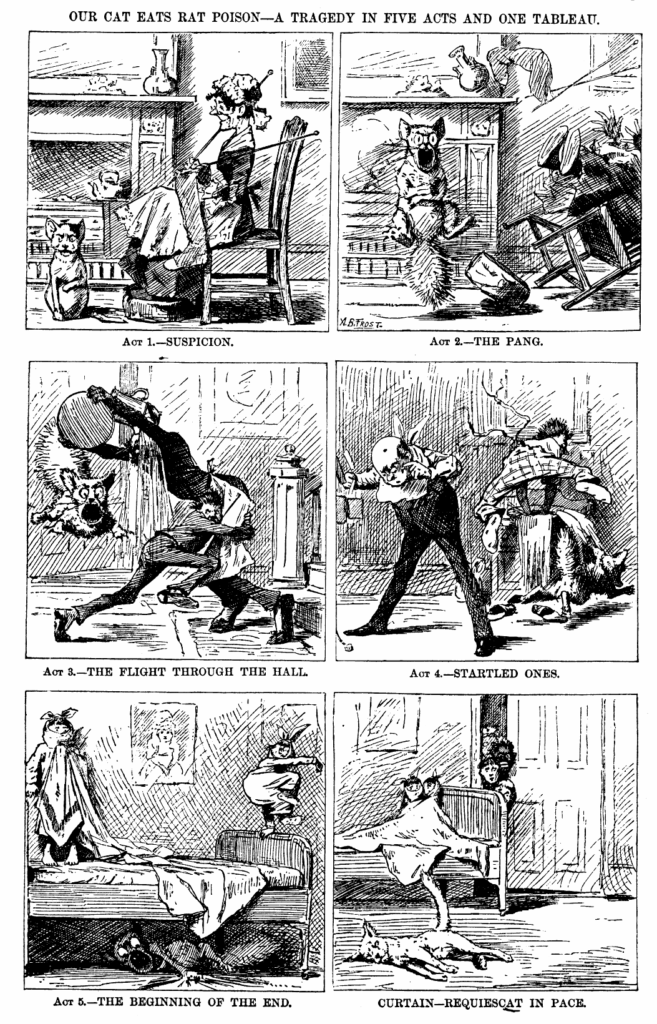
- Satirical weeklies: U.S. magazines like Puck, Judge, and Life popularized sequential gags and word‑image play—but at higher price points for middle‑class readers.
- Mass printing & sensationalism: Advancements in color printing and circulation wars set the stage for the newspaper comics explosion.
Platinum Age (1890s–1930s): Newspaper Strips & Speech Balloons
- Color Sunday pages: By 1894, full‑color humor pages were drawing huge audiences.
- Breakout star—The Yellow Kid: Richard F. Outcault’s bald, nightshirted kid in Hogan’s Alley epitomized the era’s slapstick urban satire and helped normalize speech balloons in U.S. papers.
- Humanized animals & continuing casts: Strips standardized recurring characters, daily continuity, and a visual language that would carry into comic books.
From Reprints to Originals: The Birth of Comic Books (1930s)
- Reprint era → original content: Early comic books compiled popular strips. By 1938, original features—especially superheroes—dominated newsstands.
- Superman ignites a boom: Action Comics #1’s success (1938) triggered a flood of costumed champions (Batman, Captain Marvel/Shazam, Wonder Woman, Captain America) and a wartime surge in readership.
Golden Age (c. 1938–1956): Expansion, Experiment, Backlash
- Genre diversity: Beyond superheroes, readers flocked to humor, funny animals, Westerns, romance, crime, and science fiction.
- Wartime propaganda & patriot heroes: Comics boosted morale and addressed home‑front themes.
- Public scrutiny & the Code: Post‑war crime/horror trends fueled criticism; industry self‑regulation via the Comics Code Authority (1954) dramatically narrowed acceptable content, hastening many publishers’ exits.
Silver Age (1956–1970): Revival & Reinvention
- New science‑fictional heroes: The Flash’s 1956 relaunch led to modernized Green Lantern and more, advancing sleek design, tech logic, and optimistic futurism.
- Shared universes & Multiverse: Crossovers, team books, and the Earth‑1/Earth‑2 concept reconciled eras and codified continuity.
- Underground comix gestate: As the Code constrained mainstream content, countercultural creators incubated an alternative scene that would flourish by decade’s end.
Bronze Age (1970–1985): Relevance, Rights & Retail Shifts
- “Relevance” stories: Creators foregrounded real‑world issues—addiction, corruption, ecology, racism—within genre frameworks.
- Creator visibility & compensation: Royalties, credits, and creator‑owned arrangements gained traction; the limited series matured as a format.
- Direct market ascendant: Specialty comic shops and nonreturnable distribution gradually replaced newsstands as the medium’s economic backbone.
Modern Age (c. 1985–Present): Prestige, Collapse, Reinvention
- Canonical breakthroughs: Works like Watchmen, The Dark Knight Returns, and Maus elevated critical discourse; graphic novels entered libraries, classrooms, and bestseller lists.
- 1990s boom/bust: Speculation on variants and #1s spiked sales, then crashed the market; consolidation of distributors reshaped supply chains.
- Indie, alt, and literary scenes: Independent publishers and small presses nurtured personal, memoir, and experimental work.
- Webcomics & digital: Free and paid digital platforms enabled direct creator‑to‑reader models; scrolling formats and mobile reading diversified form and audience.
- YA & kids’ graphic novels: Bookstores and libraries fueled surging readership among younger audiences, alongside manga’s sustained influence.
- Transmedia era: Superheroes and creator‑owned properties now power film/TV, games, podcasts, and merchandise, feeding back into publishing.
The Comics Code, Censorship & Its Aftermath
- Code dominance (1950s–1980s): The CCA’s seal defined newsstand content for decades, restricting depictions of crime, horror, sex, and “deviant” behavior.
- Erosion & exit: The direct market reduced the Code’s leverage; publishers gradually dropped the seal or adopted internal ratings, effectively ending CCA influence by the early 21st century.
Distribution & Economics: From Newsstands to Direct Market to Digital
- Newsstand era: Mass exposure but high returns and limited control over placement.
- Direct market (mid‑1970s →): Nonreturnable, pre‑order system sustained specialty shops, niche genres, and backlist collecting; it also concentrated risk among retailers.
- Consolidation & diversification: The late‑1990s–2020s saw waves of distributor consolidation, then new entrants and bookstore partnerships; digital storefronts and subscriptions added parallel channels.
Awards, Fandom & Scholarship
- Fan awards & early fandom: The Alley Awards (1962–1970) mirrored the Silver Age’s rising fan culture, fanzines, and conventions.
- Professionalization: Honors like the Shazam, Kirby, Harvey, Eisner, Ignatz, Ringo, and Inkpot awards recognized craft, scholarship, and innovation across mainstream, indie, and web.
- Academia & archives: University programs, library collections, and museum exhibitions legitimated comics studies; annotated editions and archives preserve newspaper strips and comic books alike.
Representative Timeline (Selective)
- 1842: U.S. edition of Töpffer’s Obadiah Oldbuck.
- 1894–1896: Color Sunday pages; the Yellow Kid popularizes speech balloons.
- 1933: Famous Funnies showcases the comic‑book format.
- 1938–1941: Superman, Batman, Captain America, Wonder Woman solidify the superhero.
- 1954: Comics Code Authority established.
- 1956: Silver Age begins (modern Flash in Showcase #4).
- 1970s: Direct market and socially relevant storytelling expand.
- 1986: Watchmen and The Dark Knight Returns redefine mainstream expectations.
- 1990s: Speculator boom/bust; distributor consolidation.
- 2000s–2010s: Graphic novel mainstreaming; webcomics rise; superhero cinema era.
- 2020s: Bookstore/YA growth, digital subscriptions, and cross‑media synergy.
Glossary (Handy Terms)
- Comic strip: Short sequential feature in newspapers.
- Comic book: Stapled periodical of sequential art.
- Graphic novel: Long‑form comics narrative (original or collected).
- Direct market: Pre‑order, nonreturnable distribution to specialty shops.
- Multiverse: A framework linking alternate timelines and continuities.