

 Elvis Hernandez

The Influence of Editorial Cartoons on Political Campaigns and Elections: In the world of political campaigns and elections, where public perception often dictates the outcome, every tool of communication plays a vital role. One of the most powerful yet often overlooked tools is the editorial cartoon. With its sharp wit, exaggerated imagery, and biting commentary, editorial cartoons have the power to shape public opinion, sway voters, and influence the outcome of political campaigns. These cartoons, blending humor with social and political critique, provide a unique lens through which issues are examined and political figures are held accountable.
Editorial cartoons are more than just humorous sketches; they are deeply entrenched in the political landscape, offering commentary on everything from policies and political ideologies to the character and actions of candidates. Throughout history, political cartoons have served as effective instruments of satire, critique, and persuasion, playing significant roles in shaping the course of elections and political campaigns. This article explores the history, impact, and evolving role of editorial cartoons in political campaigns and elections, highlighting their influence on voter behavior, the portrayal of political candidates, and the broader political discourse.
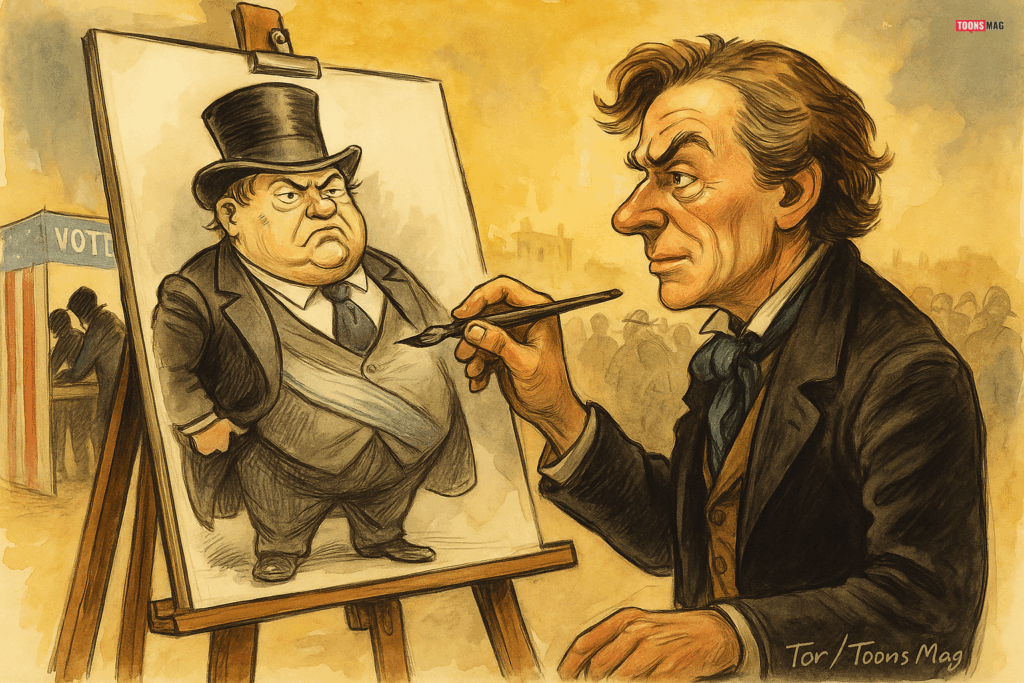
1. The History of Political Cartoons in Elections
Political cartoons have a rich and storied history, dating back to the 18th century. The power of cartoons to convey complex political ideas in a simple, often humorous format, made them an invaluable tool for influencing public opinion. The art form first gained prominence in the United Kingdom during the 18th century, with artists like James Gillray and George Cruikshank using their work to critique political figures and societal issues. These early cartoons targeted both British politicians and the monarchy, using humor and satire to expose corruption, hypocrisy, and social injustices.
In the United States, political cartoons became particularly influential during the 19th century. The iconic cartoonist Thomas Nast, considered the father of modern political cartooning, is widely credited with shaping the political landscape of his time. Nast’s cartoons exposed the corruption of Tammany Hall in New York City and helped bring down political figures like Boss Tweed. His work during the Civil War era, especially his depictions of Abraham Lincoln and the struggle to abolish slavery, influenced public opinion and rallied support for the Union cause.
As elections became more prominent and mass media grew in importance, the role of editorial cartoons in political campaigns expanded. During the 20th century, editorial cartoons became a staple of political campaigns, particularly in presidential elections. The advent of newspapers as the primary source of information for the public made cartoons an ideal vehicle for shaping public opinion. Cartoonists like Herblock (Herbert Block) in the United States used their art to criticize political figures and hold them accountable for their actions. His iconic depictions of Senator Joseph McCarthy during the Red Scare were instrumental in turning public opinion against the senator and ultimately leading to his downfall.
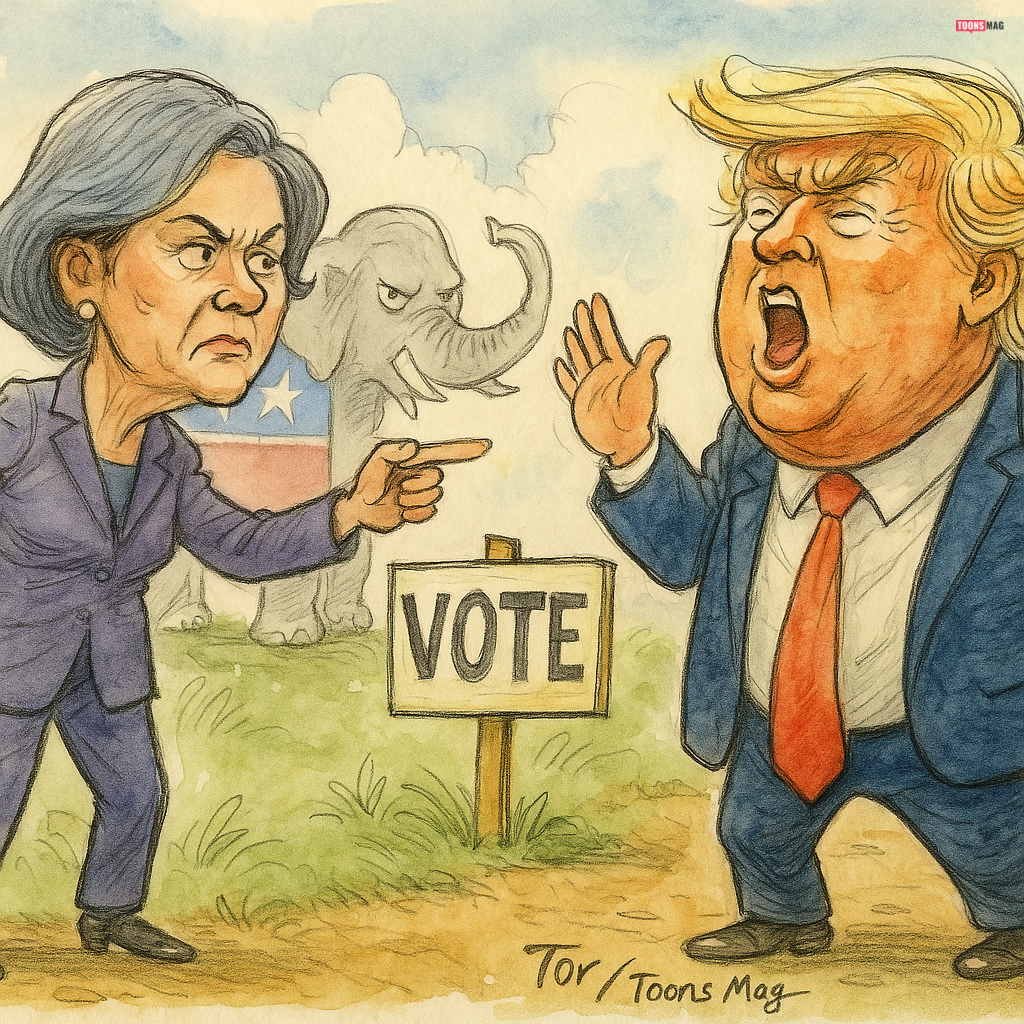
2. Political Cartoons as Tools of Critique and Satire in Campaigns
One of the defining features of editorial cartoons is their ability to critique and satirize political figures and policies. During a political campaign, cartoons often serve as a form of “instant commentary,” reflecting the public’s feelings about a candidate, a party, or a policy in real-time. With their ability to distill complex political issues into a single image, cartoons are highly effective at highlighting contradictions, exposing hypocrisy, and creating memorable representations of political figures.
During elections, candidates and their supporters are often portrayed in exaggerated, sometimes unflattering ways. Editorial cartoons target various aspects of a candidate’s personality, policies, and public actions, often using humor to point out flaws and inconsistencies. The power of satire in political cartoons lies in its ability to cut through the rhetoric of political campaigns, providing a candid and often harsh assessment of a candidate’s character or positions.
For example, during the 2016 U.S. presidential election, editorial cartoons played a pivotal role in shaping public perceptions of Donald Trump and Hillary Clinton. Trump was often depicted as a bombastic, authoritarian figure, with cartoons highlighting his controversial statements, behavior, and populist rhetoric. Clinton, on the other hand, was frequently portrayed as a symbol of establishment politics, with cartoons emphasizing her ties to the political elite and the controversies surrounding her email scandal. These portrayals, while exaggerated, had a significant impact on voters’ perceptions of the candidates, influencing how they were viewed during the election.
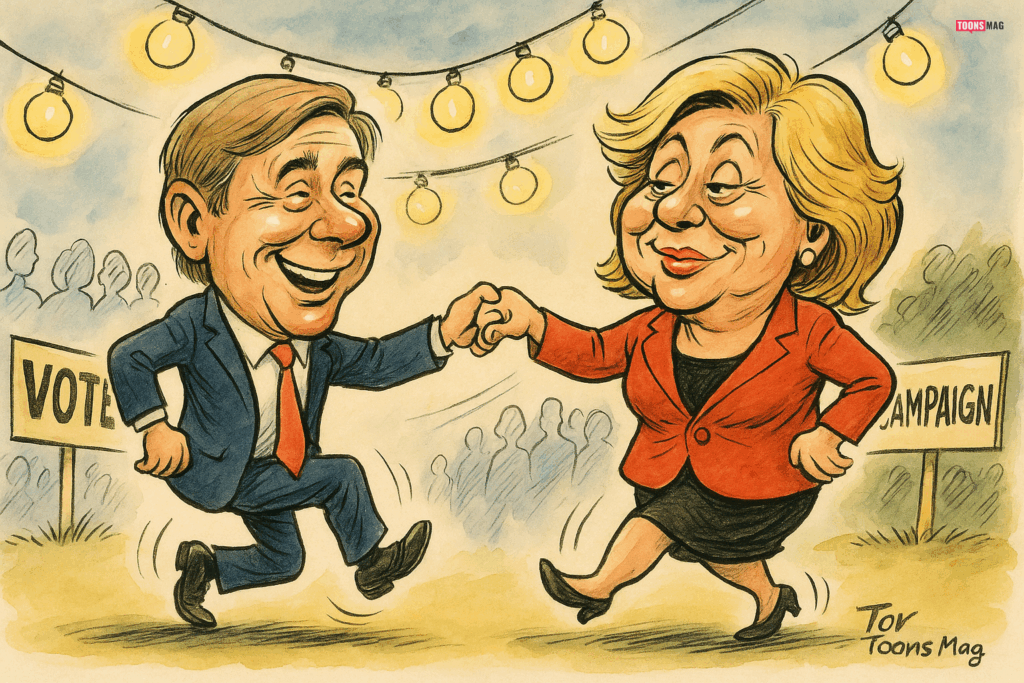
3. The Role of Cartoons in Shaping Voter Perceptions
The influence of editorial cartoons on political campaigns and elections goes beyond humor; they have the power to shape voter perceptions in profound ways. Cartoons often present candidates in a manner that sticks in the minds of voters, making it easier for them to form an opinion about a candidate or party. The simplicity and immediacy of a well-crafted cartoon allow it to transcend political jargon and present a direct visual interpretation of a candidate’s character or actions.
Voter perceptions are heavily influenced by the media, and editorial cartoons have the ability to sway these perceptions by providing a narrative that is both engaging and thought-provoking. For instance, during the 2004 U.S. presidential election, George W. Bush’s handling of the Iraq War was a major issue. Cartoons that depicted Bush as out of touch with the realities of war and the consequences of his decisions helped to galvanize anti-war sentiment and influence public opinion. Conversely, political cartoons that depicted John Kerry as indecisive or elitist also had an impact on how voters viewed his candidacy.
In addition to influencing perceptions of individual candidates, editorial cartoons also help to shape public opinions about political parties and their platforms. By focusing on the policies and actions of political parties, cartoons can highlight the strengths and weaknesses of a platform in a way that resonates with voters. During the 1992 U.S. presidential election, the economic policies of incumbent President George H. W. Bush were frequently targeted in editorial cartoons, with depictions of Bush’s handling of the economy influencing voter views and contributing to his eventual loss to Bill Clinton.
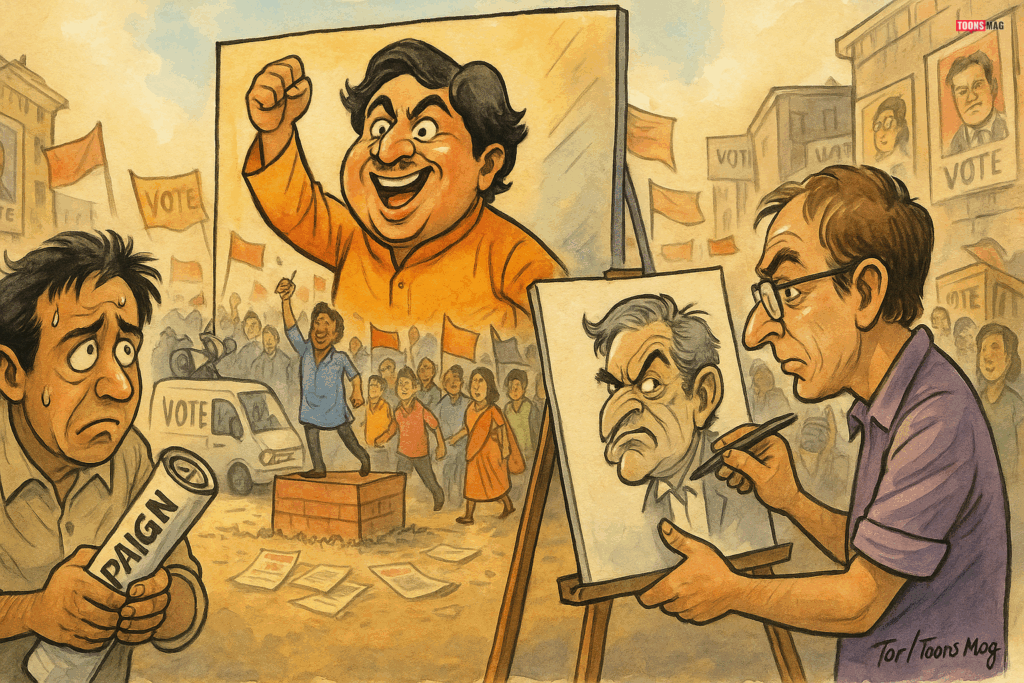
4. The Impact of Cartoons on Election Campaign Strategies
Political campaigns are complex operations, involving vast amounts of research, planning, and media outreach. As such, candidates and political strategists are highly aware of the influence that editorial cartoons can have on their campaigns. Cartoons, with their ability to capture and communicate key messages quickly, are often used strategically to either boost a candidate’s image or undermine their opponent.
In some cases, political campaigns may even collaborate with cartoonists or encourage certain depictions of their candidates in the media. For instance, a political campaign might use the popularity of certain cartoon characters to create positive imagery of their candidate, hoping to associate their image with something familiar and favorable. Alternatively, campaigns may focus on combating negative cartoons, addressing the issues they raise head-on to counter the criticisms.
In other cases, campaigns may take legal action in response to particularly damaging cartoons. This was evident during the 2008 U.S. presidential election, when John McCain’s campaign made attempts to address a series of negative cartoons that targeted his stance on issues like healthcare and foreign policy. While such efforts often serve to bring attention to the cartoons, they also highlight the significant impact that editorial cartoons have on the political narrative.
5. The Digital Age and the Evolving Influence of Editorial Cartoons
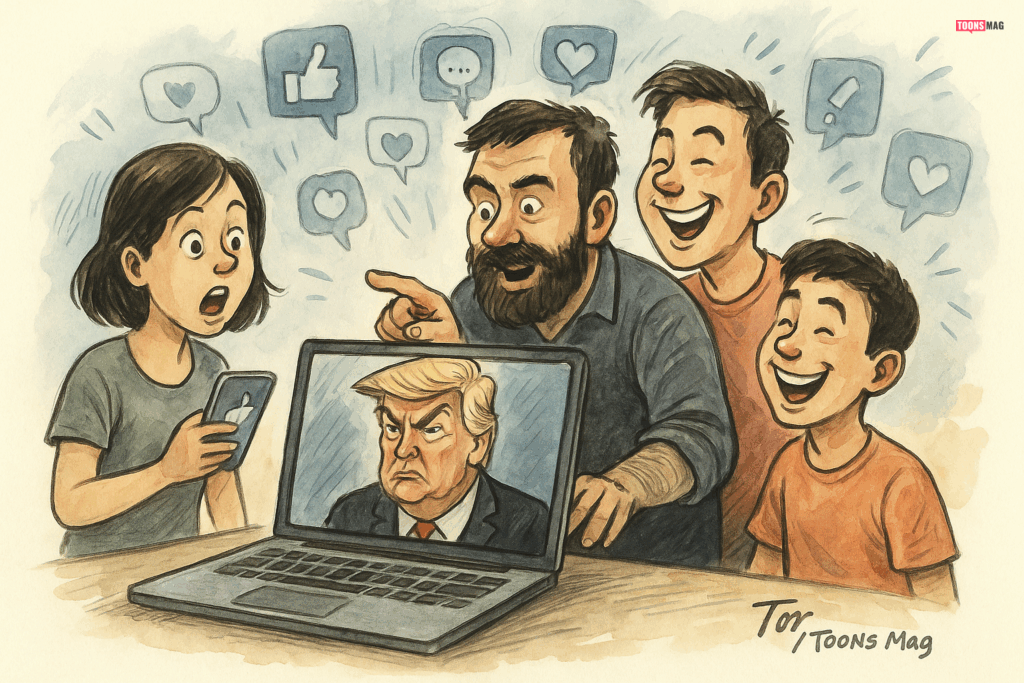
In the age of digital media, the influence of editorial cartoons on political campaigns and elections has evolved significantly. The rise of social media platforms like Easybie, Twitter, Facebook, and Instagram has transformed the way cartoons are consumed, shared, and discussed. Cartoons that were once confined to newspapers and political magazines can now be instantly shared with millions of people, giving them a broader reach and more immediate impact on public discourse.
During the 2008 U.S. presidential election, online political cartoons gained significant traction, with many going viral and reaching a younger, more tech-savvy demographic. The ability to share cartoons on social media platforms allowed for the rapid dissemination of political critiques, shaping the way voters viewed the candidates and their policies. Cartoons, now shared and commented upon in real-time, became a key part of the online political conversation, further influencing public perception.
The rise of meme culture has also contributed to the transformation of editorial cartoons in the digital age. Political memes, often based on cartoons, have become a pervasive form of political commentary, with users creating and sharing their own versions of popular cartoons to support or criticize political candidates. These memes often operate outside the realm of traditional journalism, allowing for a more informal and irreverent critique of politicians and their campaigns.
6. The Ethics of Editorial Cartoons in Elections
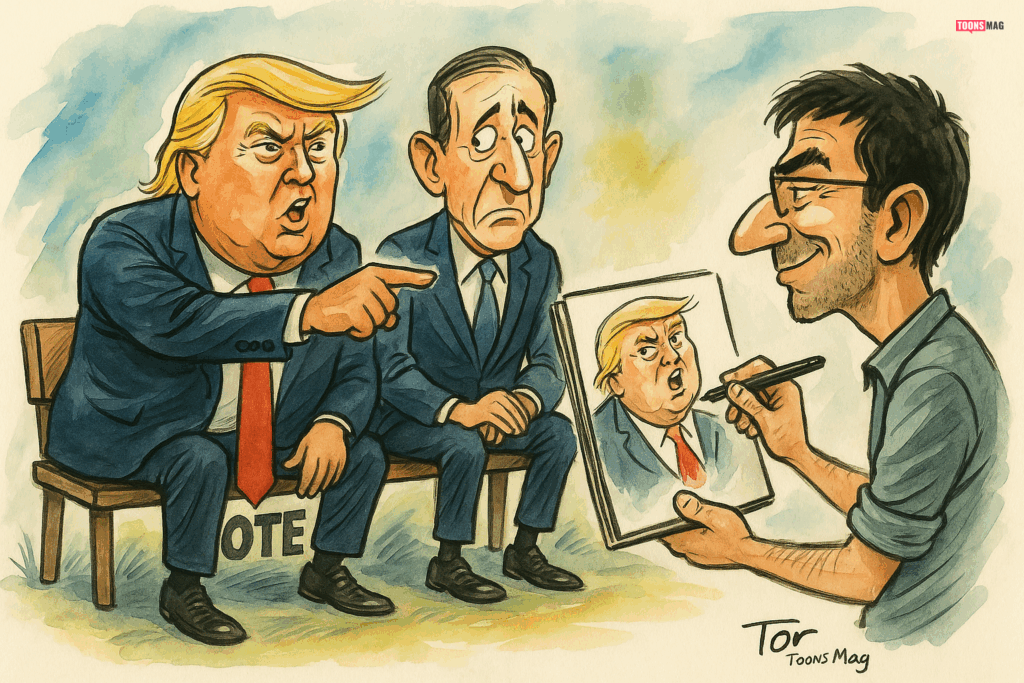
While editorial cartoons can be a powerful force in political campaigns, they also raise important ethical questions. Political cartoonists have the ability to influence voter perceptions through their depictions of candidates and political issues, but this power comes with a responsibility to maintain fairness and accuracy. A cartoon that unfairly misrepresents a candidate or spreads misinformation can have significant consequences, potentially damaging a campaign or distorting public understanding of key issues.
To maintain ethical standards, political cartoons should strive to avoid harmful stereotypes, falsehoods, and malicious portrayals. Cartoonists, like journalists, have a duty to inform the public and provide a balanced view of political events. However, as with any form of satire, cartoons must also recognize the line between critique and libel. Political cartoonists often walk a fine line between humor and disrespect, and the impact of their work must be carefully considered in the context of the election and its consequences.
The use of humor and satire in political cartoons can also raise concerns about the tone and nature of the campaign. While humor can be an effective tool for addressing serious issues, it can also trivialize important topics or reduce complex political matters to one-dimensional caricatures. As a result, political campaigns should be mindful of how cartoons are used and ensure that their message is aligned with the values of the campaign and the electorate.
7. The Enduring Influence of Editorial Cartoons
The influence of editorial cartoons on political campaigns and elections cannot be overstated. From their ability to shape public opinion and portray political candidates in a new light, to their capacity to provide sharp critiques of policies and ideologies, cartoons remain a potent force in the world of politics. In an era of rapid media consumption and digital platforms, editorial cartoons continue to hold political figures accountable, amplify public discourse, and challenge the status quo. As long as they remain a part of the media landscape, editorial cartoons will continue to be a vital tool in the political process—impacting elections, shaping perceptions, and influencing the course of political campaigns for generations to come.
In conclusion, editorial cartoons serve not only as humorous entertainment but as crucial tools of social and political commentary, wielding significant influence over political campaigns and elections. Whether by shaping public opinion, highlighting candidate flaws, or acting as catalysts for political engagement, their role in the political sphere is undeniably powerful and enduring.
This post was created with our nice and easy submission form. Create your post!