

 Amber Warenski

The Psychology of Editorial Cartoons: Editorial cartoons have long been a unique form of visual communication, distilling complex political and social commentary into a single, memorable image. But what makes these images resonate so powerfully with audiences? How do viewers process, interpret, and react to the blend of humor, symbolism, and satire in editorial cartoons? In this comprehensive article, we explore the psychology behind editorial cartoons and how they influence audience response. We’ll delve into the cognitive and emotional processes that underlie our reaction to visual satire, discuss how cultural background and social identity play a role, and examine the impact of digital media on the reception of these artworks.
1. Introduction: Visual Rhetoric in a Single Image
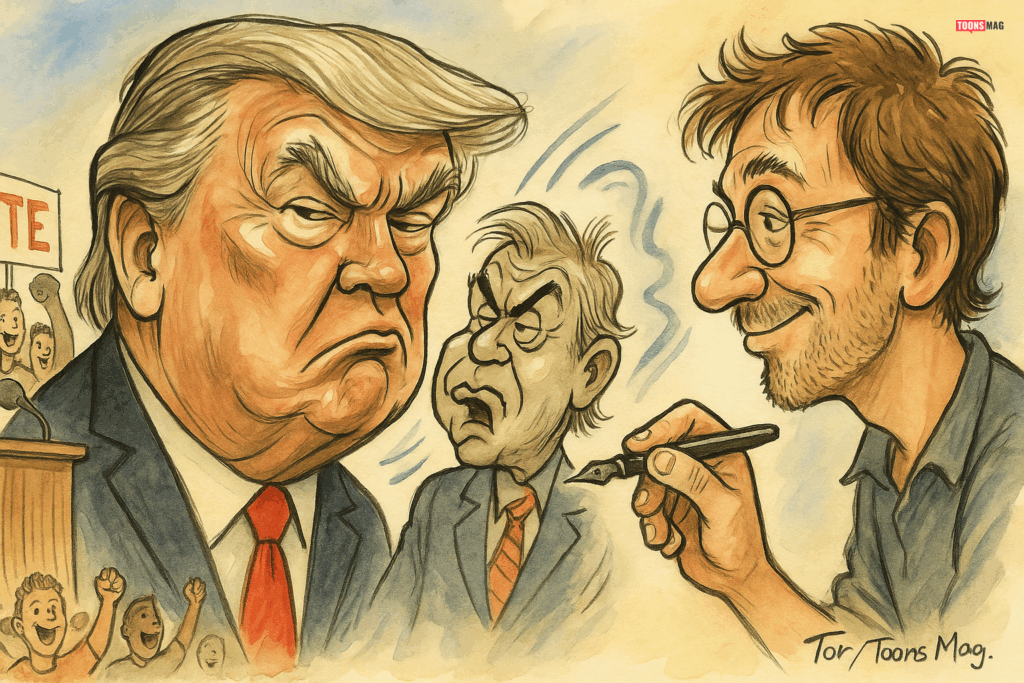
Editorial cartoons serve as a shorthand for complex issues. By combining imagery with succinct text, they cut through information overload and make political commentary accessible. Their power lies in their ability to evoke emotions and provoke thought in a matter of seconds. But what psychological mechanisms are at work when we view these cartoons? Understanding these processes can help us appreciate how editorial cartoons shape public discourse.
2. The Role of Editorial Cartoons in Shaping Opinion
Editorial cartoons have been central to political commentary for centuries. They not only reflect public sentiment but also have the power to influence opinions by challenging the status quo. By condensing narratives into bold visual metaphors, cartoonists can sway opinions, reinforce biases, or spark critical debate among viewers.
3. Cognitive Processing of Visual Information
3.1 The Brain’s Rapid Image Processing
Humans are wired to process images far more quickly than text. Our brains can extract meaning from visual cues in a fraction of a second, which makes editorial cartoons especially effective. This rapid processing means that even a single glance at a cartoon can trigger an immediate emotional response.
3.2 The Role of Visual Metaphors
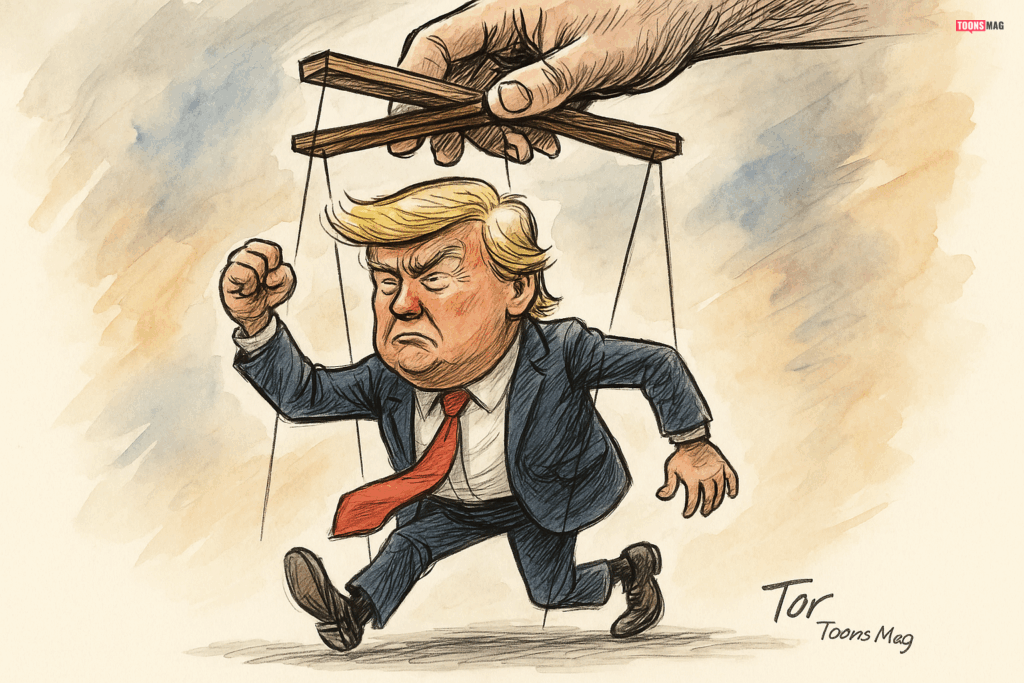
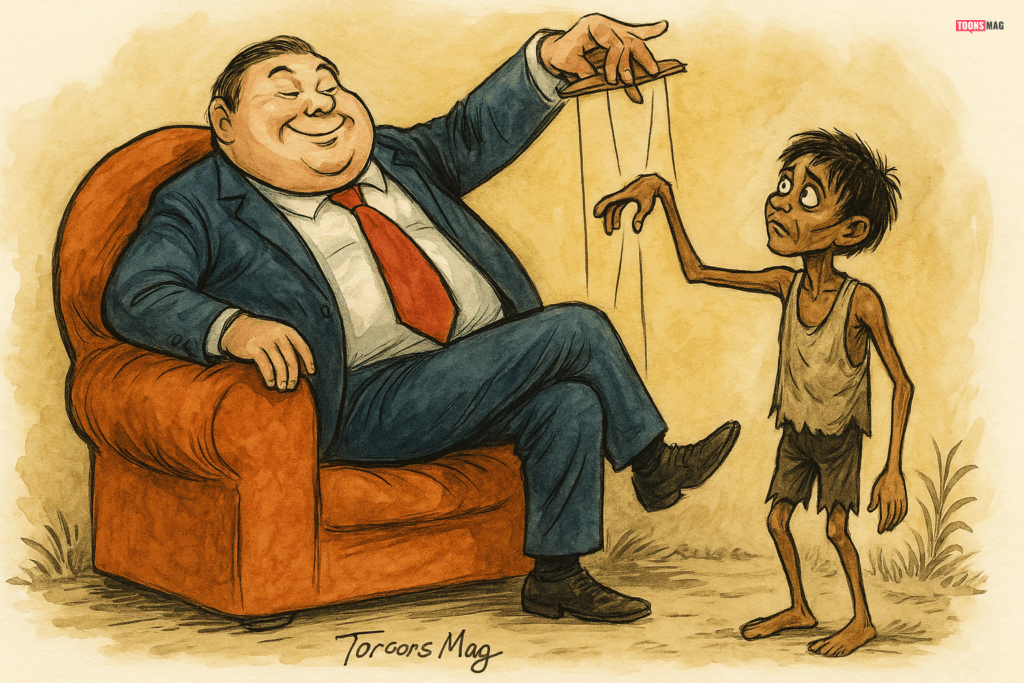
Visual metaphors are central to how we interpret editorial cartoons. By comparing abstract ideas to familiar objects or scenes, cartoonists enable viewers to quickly grasp complex concepts. For example, depicting a political leader as a marionette might instantly communicate ideas about control and manipulation without needing extensive explanation.
4. Emotional Impact: Humor, Irony, and Satire
4.1 Eliciting Laughter and Reflection
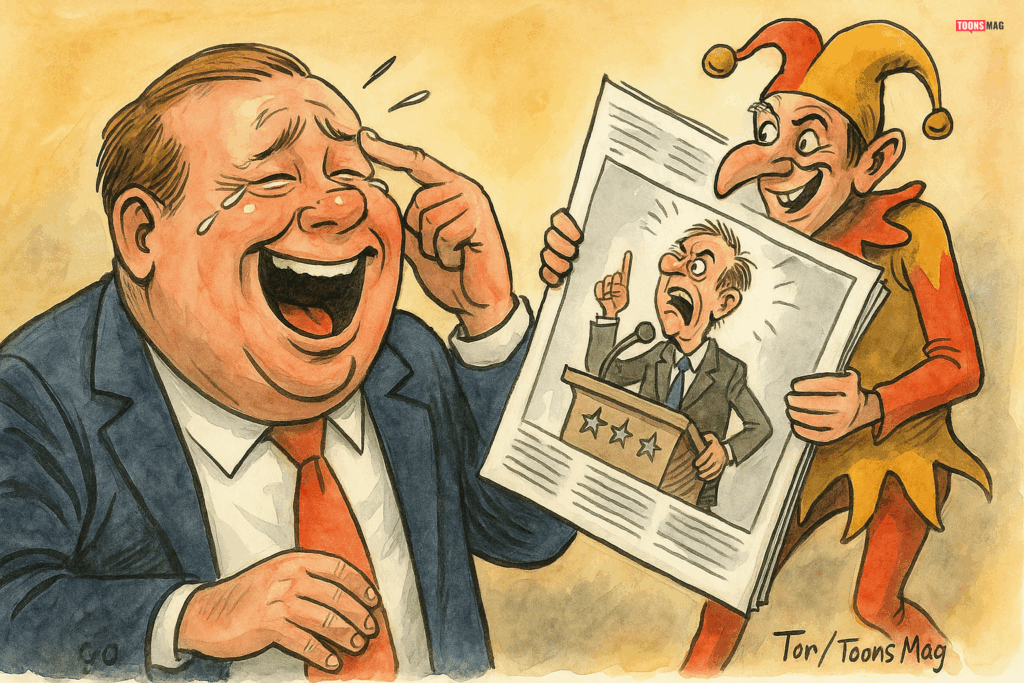
Humor is one of the most powerful tools in a cartoonist’s arsenal. Satirical images that evoke laughter not only capture attention but also reduce psychological resistance. When viewers laugh, they are more open to reconsidering their viewpoints, which can lead to shifts in perception about contentious issues.
4.2 The Use of Irony to Undermine Authority
Irony is frequently employed in editorial cartoons to highlight contradictions in political and social narratives. When an image starkly contrasts what is expected with what is depicted, it forces viewers to confront the underlying absurdities. This blend of humor and criticism helps to break down entrenched beliefs and encourages critical reflection.

5. The Process of Closure in Sequential Art
5.1 Understanding Narrative Through Panels
Even in single-panel cartoons, the concept of “closure” plays an important role. Closure is the brain’s ability to fill in gaps between visual cues, creating a coherent narrative. This process allows viewers to infer context and meaning from an image, even when not all details are explicitly shown.
5.2 Cognitive Load and Simplification
Editorial cartoons must balance detail with clarity. By simplifying complex issues into a few key elements, cartoonists reduce cognitive load and make it easier for audiences to understand the message. This balance is critical in ensuring that the cartoon remains impactful without oversimplifying the issue to the point of misrepresentation.
6. Social Identity and Audience Bias
6.1 Confirmation Bias in Visual Media
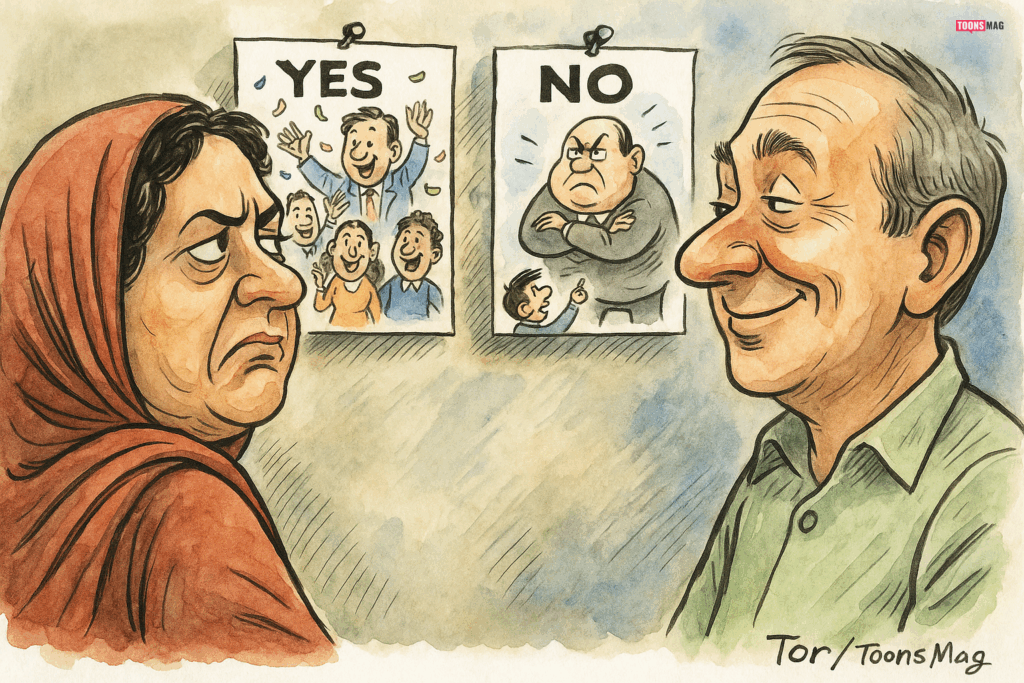
Audience response to editorial cartoons is influenced by existing beliefs. Confirmation bias causes viewers to favor images that align with their preconceptions. A cartoon that challenges these beliefs may be dismissed or even provoke backlash, while one that confirms existing opinions can reinforce those views.
6.2 The Role of Cultural Background
Cultural context significantly shapes how cartoons are interpreted. Symbols, humor, and satire that resonate in one cultural setting may fall flat or be misinterpreted in another. For instance, imagery that references historical events or culturally specific icons requires a shared understanding between the artist and the audience.
6.3 Social Identity and Group Dynamics
Editorial cartoons can serve as markers of group identity. They often employ language and symbols that resonate with particular communities, reinforcing a sense of belonging and shared values. Conversely, when cartoons stereotype or marginalize a group, they can provoke a strong, negative response from that community.
7. The Impact of Color, Composition, and Style
7.1 The Psychology of Color
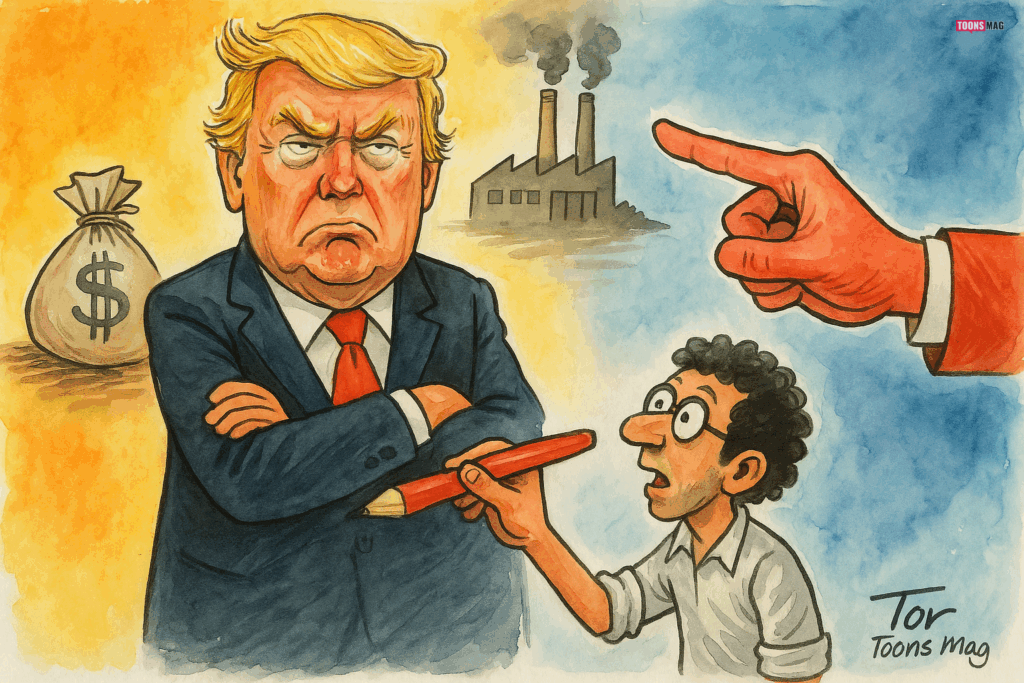
Color plays a crucial role in eliciting emotional responses. Bold, contrasting colors can draw attention and evoke feelings of urgency or alarm, while muted tones might convey melancholy or seriousness. Editorial cartoonists strategically use color to enhance their message and guide the viewer’s emotional journey.
7.2 Composition and Visual Hierarchy
The arrangement of elements within a cartoon determines what the viewer notices first. Effective composition creates a visual hierarchy that directs attention to the most critical aspects of the image. For example, a large central figure might dominate the scene, while smaller, supporting details offer context or additional commentary.
7.3 Stylistic Choices and Their Effects
The style of drawing—whether realistic, abstract, or caricatured—affects how the message is perceived. Exaggerated features, simplified forms, or intricate details each contribute to the cartoon’s overall impact. These stylistic choices can make the difference between an image that is engaging and one that is confusing.
8. Humor as a Mechanism for Engagement
8.1 The Role of Satire in Disarming Criticism
Satire is a double-edged sword. While it makes challenging topics more approachable, it also provides a buffer against defensive reactions. By making viewers laugh, editorial cartoons can soften resistance to controversial messages and open the door to more thoughtful consideration.
8.2 The Connection Between Laughter and Memory
Research shows that humor improves memory retention. When a cartoon makes you laugh, the underlying message is more likely to stick. This retention means that humor can be a potent tool for raising awareness about important issues long after the initial viewing.

9. The Emotional Resonance of Editorial Cartoons
9.1 Eliciting Empathy Through Visual Narratives
Editorial cartoons have the power to humanize abstract issues. By portraying real emotions—fear, joy, sorrow—artists create a connection between the subject and the viewer. This empathy can drive audiences to support social and political causes.
9.2 The Impact of Relatable Characters and Symbolism
Characters in editorial cartoons, whether human, animal, or anthropomorphized objects, can embody broader societal issues. When viewers see themselves reflected in these figures, the message becomes personal. This personal connection is key to the emotional resonance of a cartoon.
10. Case Studies: Cartoons That Changed Minds
10.1 A Cartoon on Political Accountability
One influential editorial cartoon depicted a powerful political figure with puppet strings attached, symbolizing manipulation by unseen forces. This image not only critiqued corruption but also resonated with audiences who felt powerless. The simplicity of the metaphor helped spur discussions in media and among activists, leading to calls for increased political accountability.
10.2 Cartoons Highlighting Social Injustice
Another memorable example used stark imagery to contrast societal privilege with the struggles of marginalized communities. The emotional impact of the image, reinforced by thoughtful satire, helped bring attention to issues of racial and economic inequality. Such cartoons have been credited with influencing public opinion and even inspiring policy debates.
11. The Influence of Social Media on Audience Response
11.1 Rapid Dissemination and Viral Impact
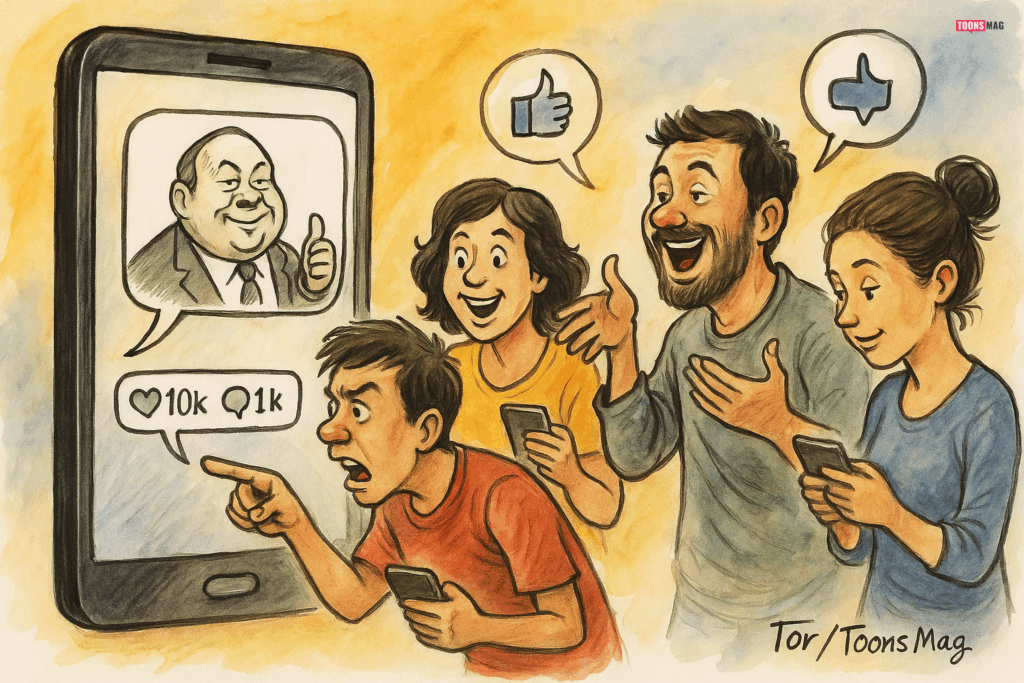
Social media platforms have changed the landscape for editorial cartoons. A single tweet or Instagram post can spread a cartoon to millions, magnifying its impact almost instantaneously. The viral nature of these platforms ensures that powerful images can shape public discourse on a global scale.
11.2 Real-Time Feedback and Community Interaction
Online platforms provide immediate feedback through likes, shares, and comments. This interaction allows cartoonists to gauge audience reaction and refine their messaging over time. Real-time engagement also fosters community, where discussions around a cartoon can lead to deeper understanding and action.
11.3 Data-Driven Insights into Viewer Engagement
Digital analytics offer insights into how audiences interact with cartoons. Metrics such as view count, engagement rates, and demographic information help artists understand which elements resonate most strongly. This data can inform future work, ensuring that the messages remain relevant and impactful.
12. Psychological Theories Applied to Visual Satire
12.1 The Elaboration Likelihood Model (ELM)
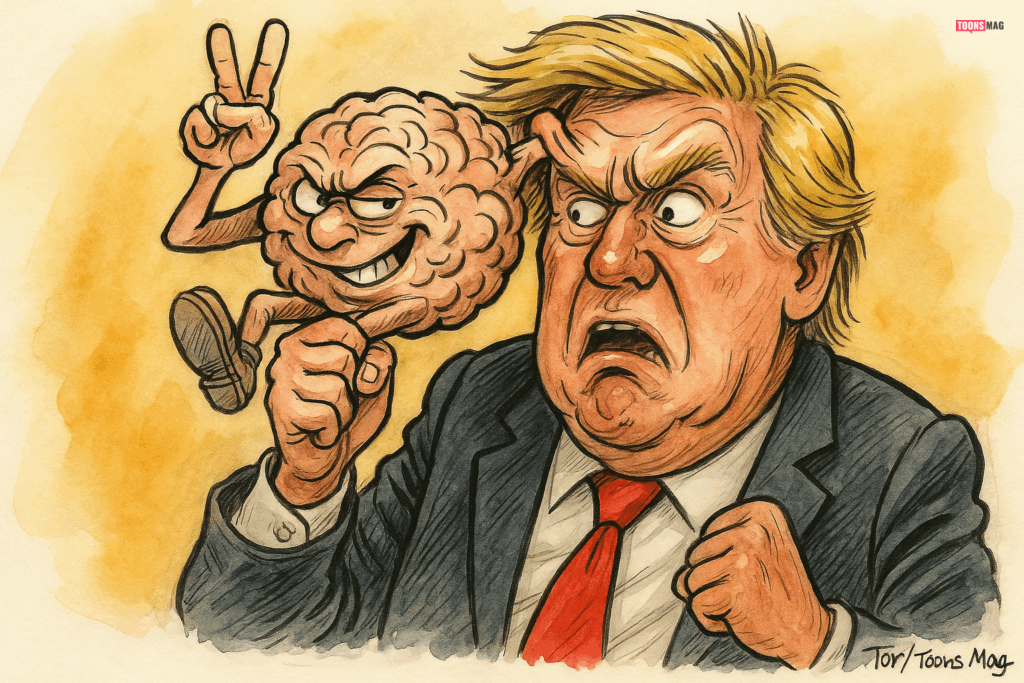
The Elaboration Likelihood Model explains how people process persuasive messages. In the context of editorial cartoons, the model suggests that viewers might use either a central route—carefully scrutinizing the message—or a peripheral route, where the impact is driven by emotional cues such as humor or striking imagery. Editorial cartoons often target the peripheral route, creating memorable impressions through emotion rather than detailed analysis.
12.2 Cognitive Dissonance and Satirical Commentary
Cognitive dissonance occurs when people experience discomfort due to conflicting beliefs. Editorial cartoons that challenge established viewpoints can trigger this dissonance, prompting viewers to either change their opinions or rationalize their existing beliefs. Effective cartoons use this tension to encourage critical thinking and, in some cases, lead to attitude change.
12.3 Social Identity Theory and In-Group Bias
Social identity theory explains how individuals derive part of their identity from their group memberships. Editorial cartoons often play on this by reinforcing in-group norms or by challenging the views of out-groups. When a cartoon aligns with a viewer’s social identity, it is more likely to be accepted and shared, thereby strengthening communal bonds.
13. The Role of Context: News Cycles and Cultural Shifts
13.1 Timing and Relevance in Editorial Cartooning
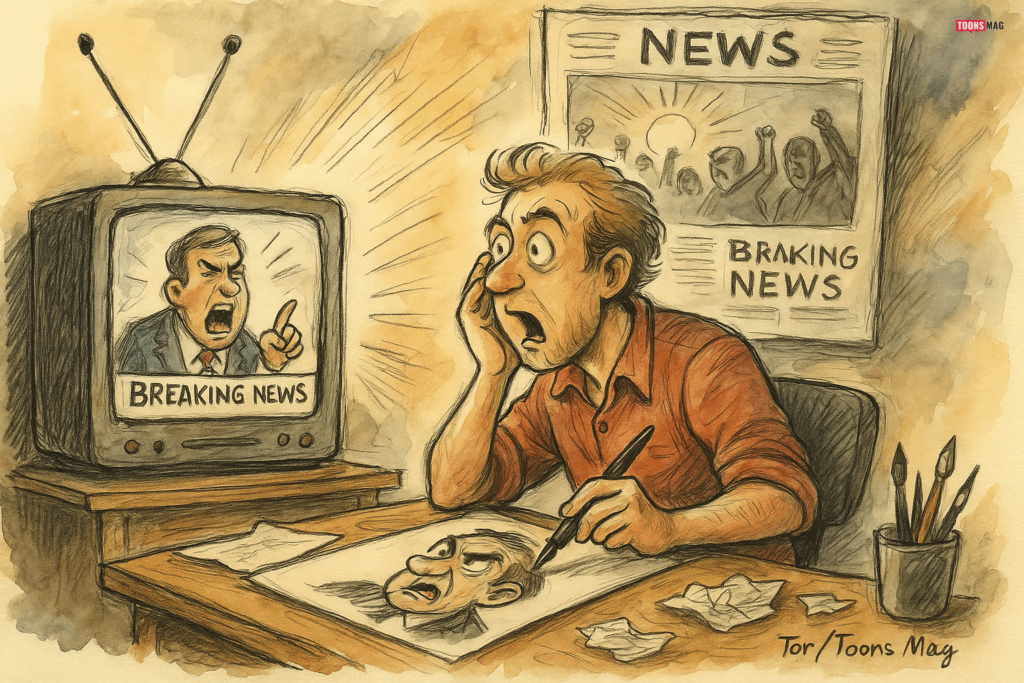
The effectiveness of an editorial cartoon is closely tied to its context. Cartoons that comment on current events or tap into the zeitgeist are more likely to elicit strong responses. The fast-paced nature of modern news cycles means that timing is crucial—an image that captures the moment can become a defining symbol of that period.
13.2 Cultural Shifts and Evolving Perspectives
As societal norms evolve, so too does the interpretation of visual satire. What might have been acceptable or even humorous in one era can be seen as offensive or outdated in another. Editorial cartoonists must navigate these cultural shifts carefully, balancing the need for incisive critique with sensitivity to diverse perspectives.
14. Criticisms and Limitations: When Cartoons Misfire
14.1 The Risk of Oversimplification
While the power of editorial cartoons lies in their simplicity, this can also be a drawback. Complex issues may be reduced to overly simplistic images, which can lead to misunderstanding or misinterpretation. Finding the balance between clarity and nuance is a constant challenge.
14.2 The Potential for Polarization
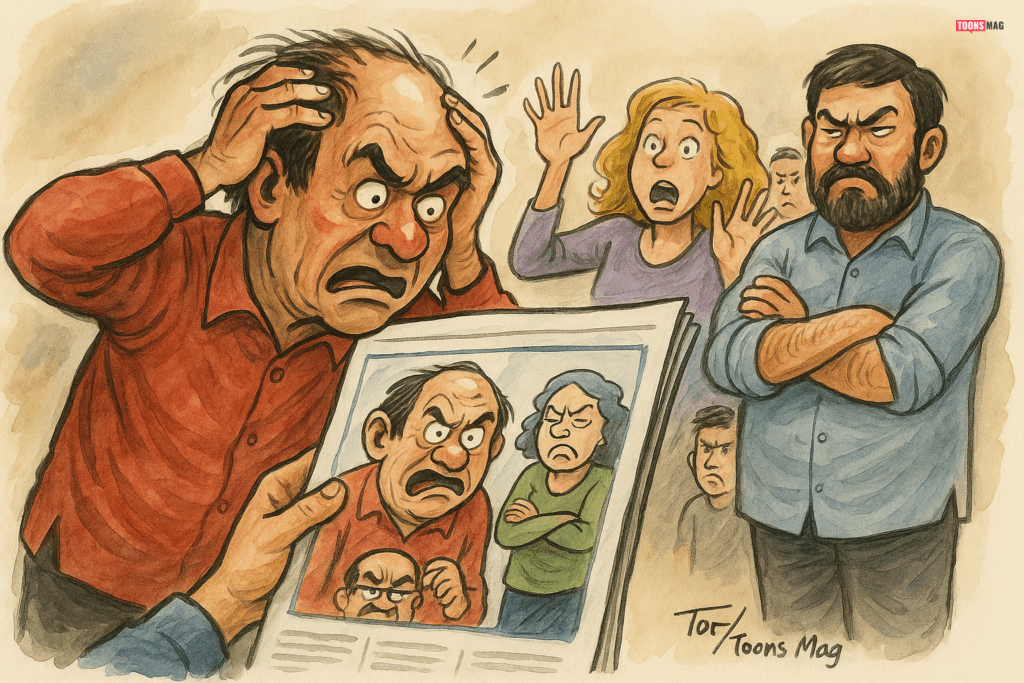
Editorial cartoons that strongly align with particular political or social views can sometimes deepen divisions. When a cartoon is perceived as biased, it may reinforce echo chambers rather than encourage constructive dialogue. This polarizing effect can limit the cartoon’s ability to reach and persuade a broader audience.
14.3 Backlash and Misinterpretation
Cartoons are inherently open to interpretation, and even well-intentioned images can be misread. Misinterpretation may lead to public backlash or even censorship, particularly when sensitive topics such as race, gender, or politics are involved. The subjectivity of art means that not every viewer will receive the intended message.
15. Strategies for Enhancing Viewer Response
15.1 Emphasizing Research and Accuracy
To maximize impact, editorial cartoonists must ground their work in thorough research. Understanding the complexities of the issue at hand ensures that the satire is both informed and credible. This foundation helps the audience trust the message and engage with it more deeply.
15.2 Balancing Humor with Serious Messaging
Striking the right balance between humor and seriousness is key. Cartoonists should aim to disarm viewers with humor while still conveying the gravity of the issue. This balance can help reduce defensiveness and open viewers up to new perspectives.
15.3 Leveraging Digital Analytics for Continuous Improvement
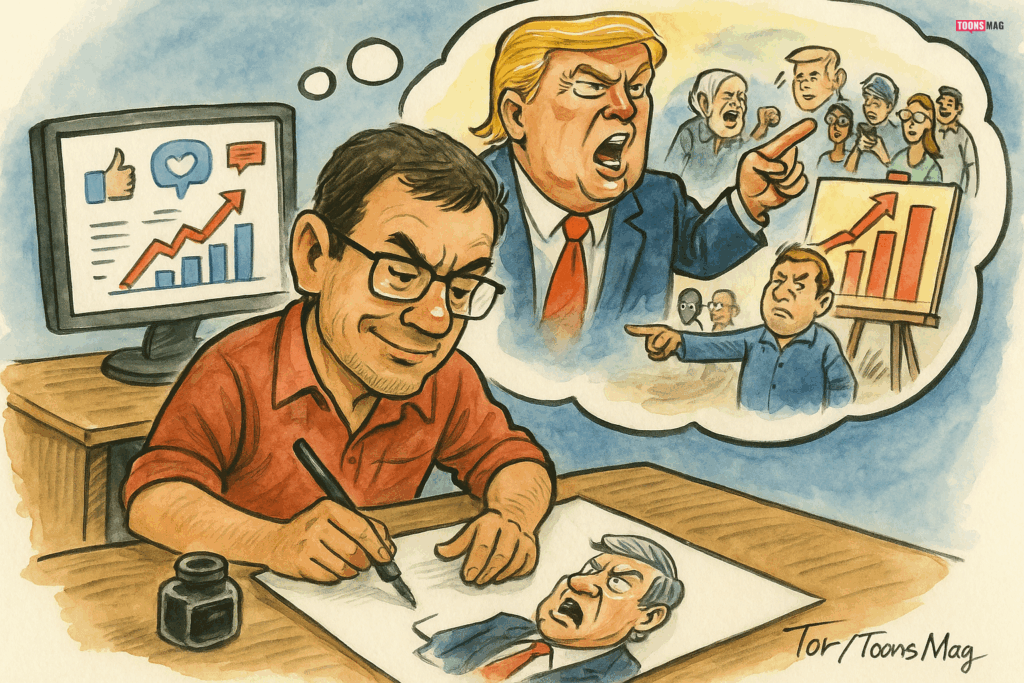
Using data-driven insights from social media platforms allows artists to understand what resonates with their audience. By analyzing metrics like engagement rates and demographic feedback, cartoonists can refine their approach and tailor their messaging for maximum impact.
15.4 Encouraging Audience Interaction and Dialogue
Creating spaces for dialogue—whether through social media threads, live Q&A sessions, or community forums—can enhance the overall impact of an editorial cartoon. Engaging directly with the audience not only builds community but also provides valuable feedback that can inform future work.
16. Future Directions: The Evolution of Visual Satire
16.1 Emerging Technologies and New Formats
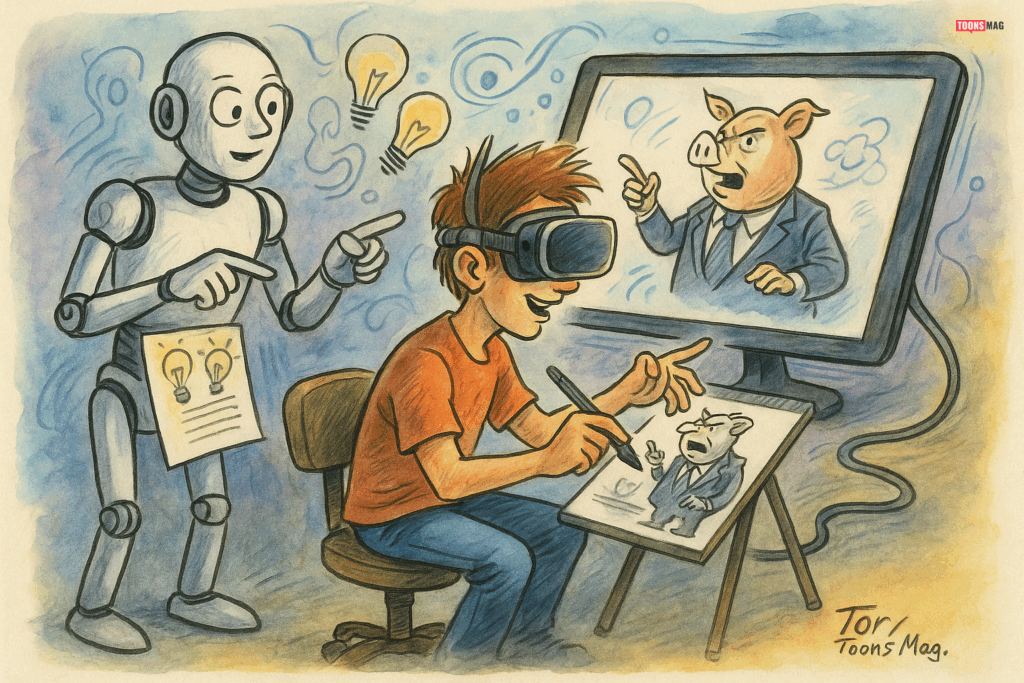
The future of editorial cartooning is intertwined with technological advances. Interactive digital platforms, augmented reality (AR), and virtual reality (VR) offer innovative ways to present visual satire. These formats have the potential to create immersive experiences that engage viewers on multiple sensory levels.
16.2 Artificial Intelligence in Creative Processes
Artificial intelligence (AI) is beginning to play a role in the creative process, offering tools that can assist in generating ideas, refining layouts, and even suggesting visual metaphors. While the human element remains central, AI may serve as a collaborative tool that enhances the overall quality and efficiency of cartoon production.
16.3 Global Digital Communities and Collaborative Efforts
Digital platforms have fostered a more interconnected global community of editorial cartoonists. Cross-cultural collaborations and international projects are becoming more common, providing diverse perspectives and enriching the dialogue around global issues. These collaborations can help bridge cultural divides and promote a more inclusive understanding of the world.
16.4 The Ongoing Importance of Visual Literacy
As the digital landscape continues to evolve, the need for visual literacy becomes increasingly critical. Educating the public on how to interpret visual cues, symbols, and satire is essential for ensuring that editorial cartoons continue to serve as effective tools for social commentary and political engagement.
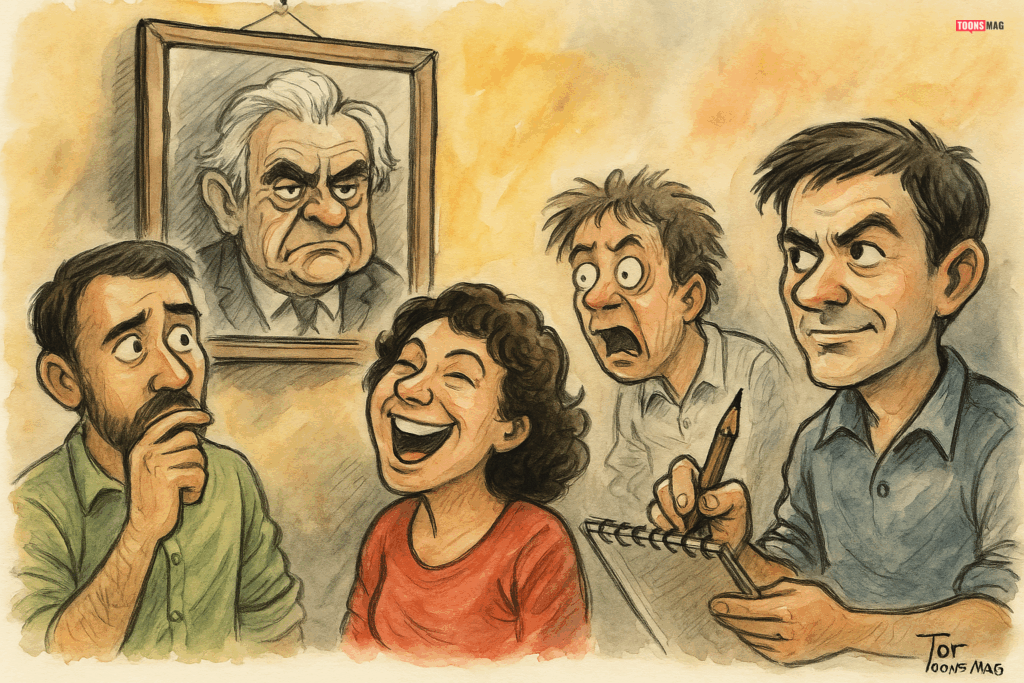
17. The Psychology of Editorial Cartoons: The Enduring Power of Visual Commentary
Editorial cartoons are more than just images; they are a window into the collective psyche of a society. Through a blend of humor, symbolism, and incisive critique, these artworks engage our cognitive and emotional faculties, influencing how we process and respond to complex issues. The psychology behind editorial cartoons reveals a fascinating interplay between perception, emotion, and social identity—an interplay that gives these images their enduring impact.
Understanding audience response to editorial cartoons is not only an academic pursuit; it is essential for artists who wish to communicate effectively in a rapidly changing world. By combining rigorous research, thoughtful design, and innovative digital strategies, cartoonists can continue to produce work that resonates deeply with audiences.
As we look to the future, the integration of emerging technologies and the continued evolution of digital platforms promise to further transform the landscape of visual satire. Despite challenges such as oversimplification, polarization, and potential backlash, the power of a well-crafted editorial cartoon remains undiminished. In an age where information is abundant and attention spans are short, the ability of a single image to capture, provoke, and inspire is more valuable than ever.
Editorial cartoons serve as both mirrors and molders of public opinion. They reflect our cultural and political realities while simultaneously challenging us to rethink, debate, and take action. In a world increasingly driven by visual media, understanding the psychology of these cartoons is key to unlocking their full potential as tools for social change.
What do you think? How have editorial cartoons influenced your understanding of current events? Share your thoughts and join the conversation below.
This post was created with our nice and easy submission form. Create your post!



One Comment