
 Anto Mario

The Role of Women in Comics: For much of its history, the comics medium has been perceived—often incorrectly—as a male-dominated space. Popular narratives have long centered on male creators, male heroes, and male audiences, obscuring the deep and continuous contributions of women. Yet from the earliest days of newspaper illustration to today’s thriving worlds of graphic novels, webcomics, and independent publishing, women have been essential architects of comics as an art form, industry, and cultural force.
Women have worked as cartoonists, writers, editors, colorists, publishers, critics, historians, and characters. They have shaped visual language, expanded narrative possibilities, challenged stereotypes, and pushed comics into new social, political, and emotional territory. Often, they did so in the face of exclusion, undervaluation, and structural barriers.
This article explores the role of women in comics across history, from pioneering figures who broke into hostile industries to contemporary creators reshaping what comics can be and who they are for. It also examines representation, labor, activism, and the future of gender equity in comics—because understanding women’s roles in comics is essential to understanding comics themselves.
Introduction: Rethinking Comics History
Comics are not a single genre or tradition. They are a medium—one that spans humor strips, political cartoons, superhero epics, autobiographical narratives, experimental art, journalism, and digital storytelling. Women have participated in all of these forms, even when their contributions were marginalized or erased.
For decades, women’s work in comics was often:
- Uncredited or pseudonymous
- Restricted to “acceptable” roles such as coloring or romance comics
- Dismissed as niche or secondary
- Excluded from historical canon
Yet when we revisit comics history with a wider lens, a different picture emerges—one in which women were never absent, only overlooked.
Early Foundations: Women Before the Golden Age
Women in Illustration and Caricature
Before modern comics emerged, women were already active in illustration, satire, and visual storytelling. In the late 19th and early 20th centuries, women worked as magazine illustrators, humorists, and caricaturists—fields that directly fed into comics.
These early artists laid the groundwork for sequential art by mastering visual narrative, expressive character design, and symbolic imagery.
The Pioneers: Breaking Barriers and Challenging Norms
Rose O’Neill (1874–1944): The First Female Comics Star
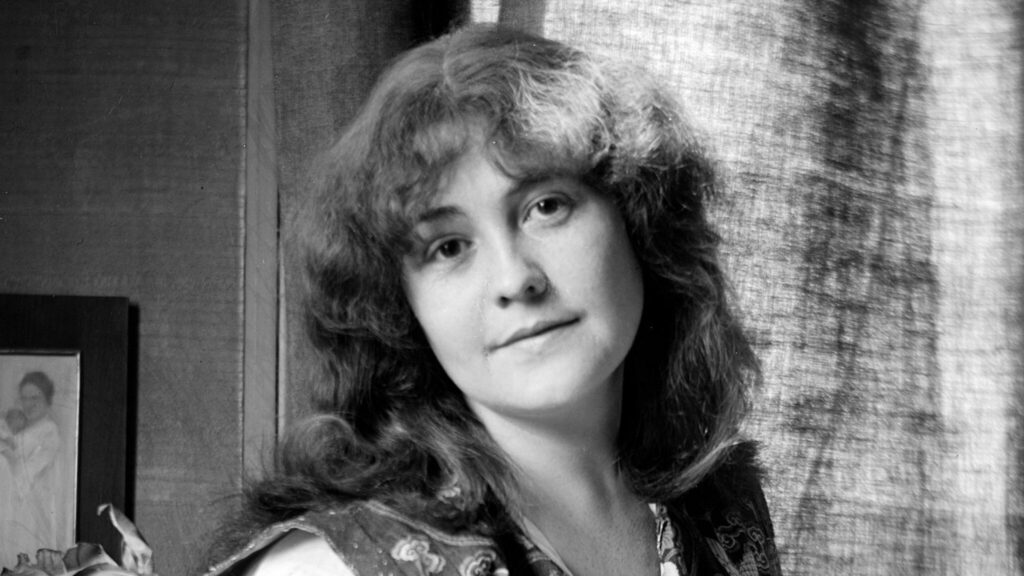
Rose O’Neill stands as one of the most important—and often underappreciated—figures in comics history. In 1905, she created The Kewpies, cherubic characters that appeared in magazines, books, advertisements, and merchandise.
O’Neill was:
- One of the highest-paid illustrators of her era
- A savvy businesswoman who retained rights to her creations
- A public figure who used her platform to support women’s suffrage
The Kewpies were not just cute—they were a multimedia phenomenon decades before the term existed. O’Neill proved that women could succeed creatively, commercially, and politically within visual culture.
Jackie Ormes (1911–1985): Comics as Social Commentary
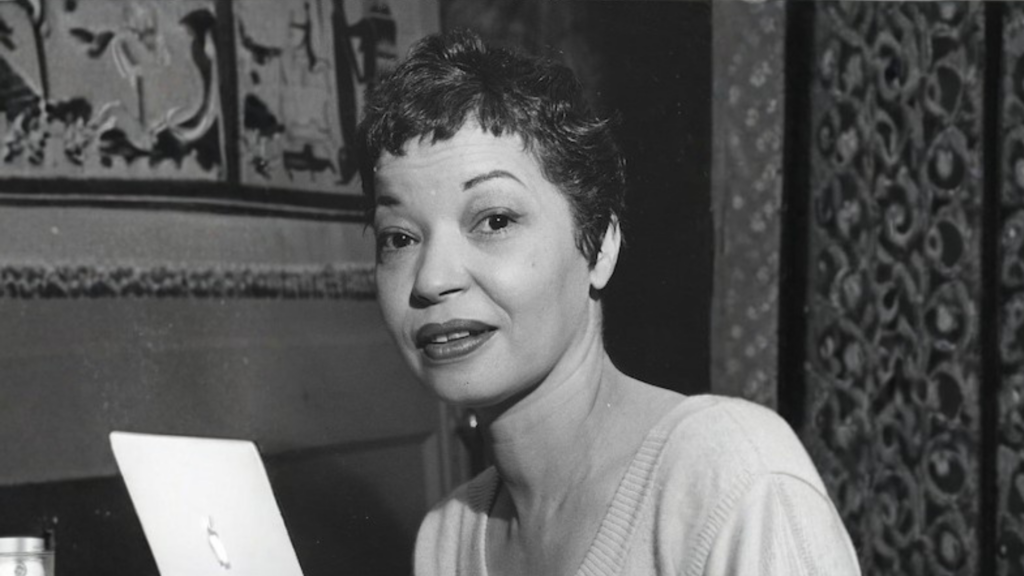
Volumes 1 and 2, edited by Darlene Clark Hine, Copyright 1993, Carlson Publishing Inc., Brooklyn, New York, ISBN 0-926019-61-9, Image Extends with AI.
Jackie Ormes was the first nationally syndicated African-American woman cartoonist, and her work was revolutionary in both content and context.
Her strips—Torchy Brown in Dixie to Harlem, Candy, and Patty-Jo ‘n’ Ginger—featured:
- Independent Black women protagonists
- Sharp political satire
- Commentary on racism, sexism, and class
At a time when both women and African Americans were severely marginalized in media, Ormes used comics as a form of cultural resistance. Her characters were fashionable, intelligent, outspoken, and unapologetically modern.
Women in the Golden Age of Comics (1930s–1950s)
The Golden Age is often remembered for superheroes and male creators, but women were deeply involved behind the scenes.
Invisible Labor and Gendered Roles
Many women worked as:
- Colorists
- Letterers
- Ink assistants
- Production artists
These roles were essential to comic production but rarely credited. This “invisible labor” allowed the industry to function while reinforcing gender hierarchies.
Ramona Fradon (1926–2024): Breaking the Artistic Ceiling
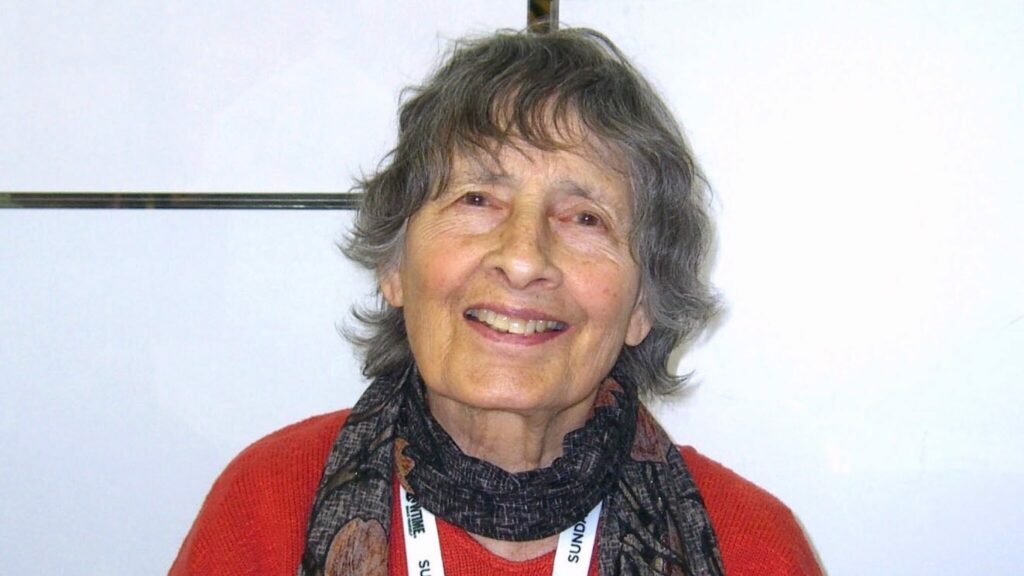
Ramona Fradon was one of the few women to work prominently as a comic book artist during the 1950s and 1960s. She co-created Aqualad and drew titles such as Aquaman and Metamorpho.
Her career challenged the assumption that women lacked the technical or imaginative capacity for mainstream comics art. Fradon’s clean, expressive style influenced generations of artists.
Women as Characters: From Stereotypes to Complexity
Early Representation and Limitations
Historically, female characters in comics were often:
- Love interests
- Damsels in distress
- Sexualized side figures
Even when women appeared as heroes, their narratives were constrained by male perspectives.
Wonder Woman and Feminist Possibility
Created in 1941 by psychologist William Moulton Marston and artist H. G. Peter, Wonder Woman was explicitly designed as a feminist icon. She embodied strength, compassion, and justice—offering an alternative to male-dominated heroism.
However, later interpretations often diluted her feminist roots, reflecting broader cultural pushback against women’s empowerment.
The Underground and Alternative Comics Revolution
Women Find New Voices Outside the Mainstream
In the 1960s and 1970s, underground comix emerged as a response to censorship and corporate control. While often criticized for misogyny, the underground scene also opened space for women creators to tell stories ignored elsewhere.
Key Figures
- Trina Robbins – Feminist cartoonist, historian, and advocate
- Aline Kominsky-Crumb – Raw autobiographical storytelling
- Diane Noomin – Co-founder of Wimmen’s Comix
These creators addressed sexuality, motherhood, anger, creativity, and identity with unprecedented honesty.
Women Editors, Publishers, and Gatekeepers
Women have also shaped comics by controlling what gets published.
Editors and publishers play a crucial role in:
- Discovering new talent
- Shaping narratives
- Diversifying voices
Women in editorial roles have often been instrumental in expanding representation and storytelling range.
The Graphic Novel Boom and Women’s Storytelling
A New Audience, A New Space
The rise of graphic novels in the 1990s and 2000s created opportunities beyond superhero comics. Bookstores, libraries, and schools became major venues—spaces where women creators thrived.
Raina Telgemeier: Redefining Comics for Young Readers
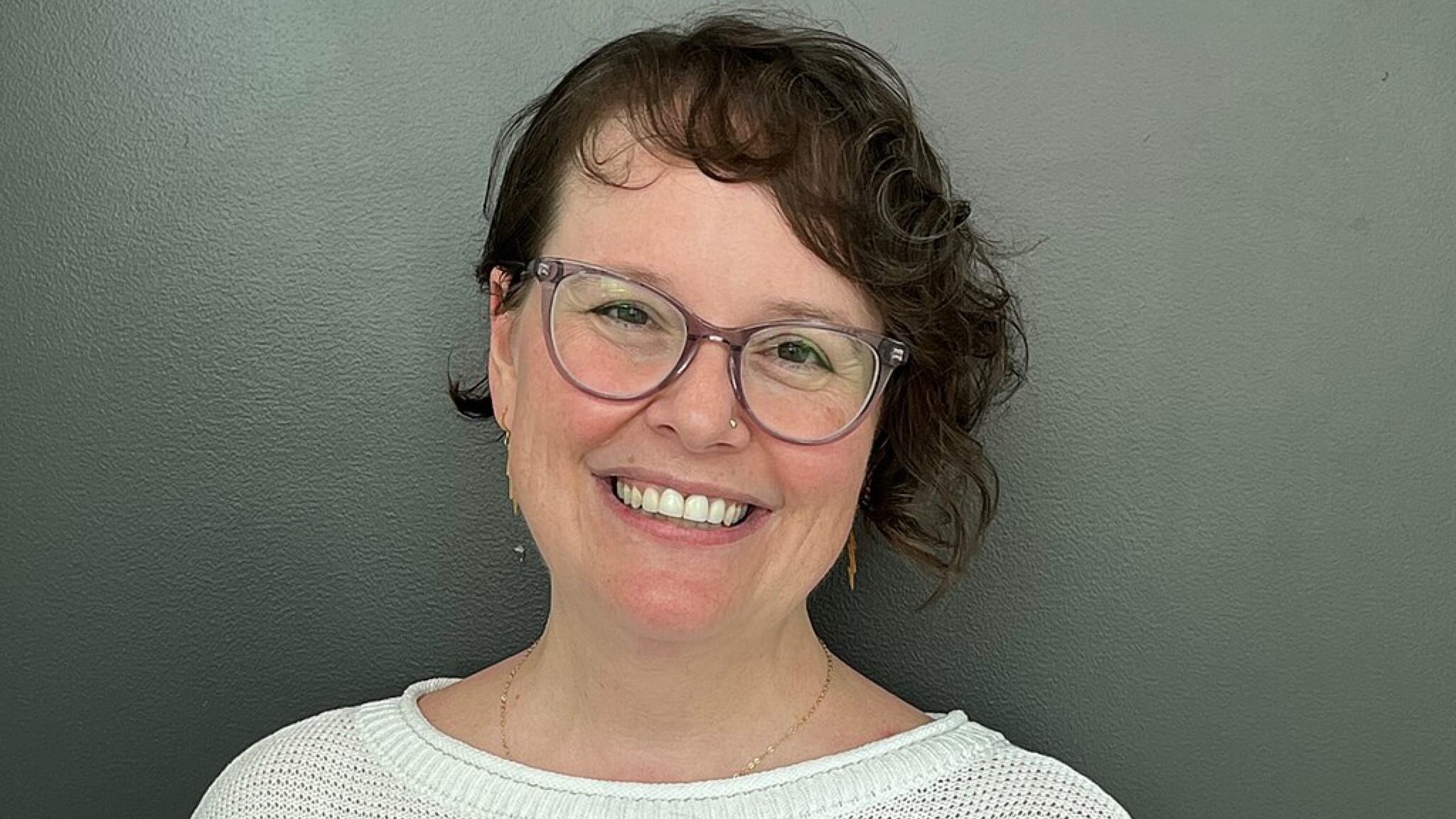
Raina Telgemeier transformed the landscape of children’s and YA graphic novels with works like Smile, Sisters, and Drama.
Her books:
- Address real-life emotional challenges
- Reach millions of readers worldwide
- Legitimize comics as tools for literacy and empathy
Telgemeier’s success disproved the myth that comics for young audiences were marginal or unserious.
Women in Mainstream Superhero Comics Today
G. Willow Wilson and Ms. Marvel
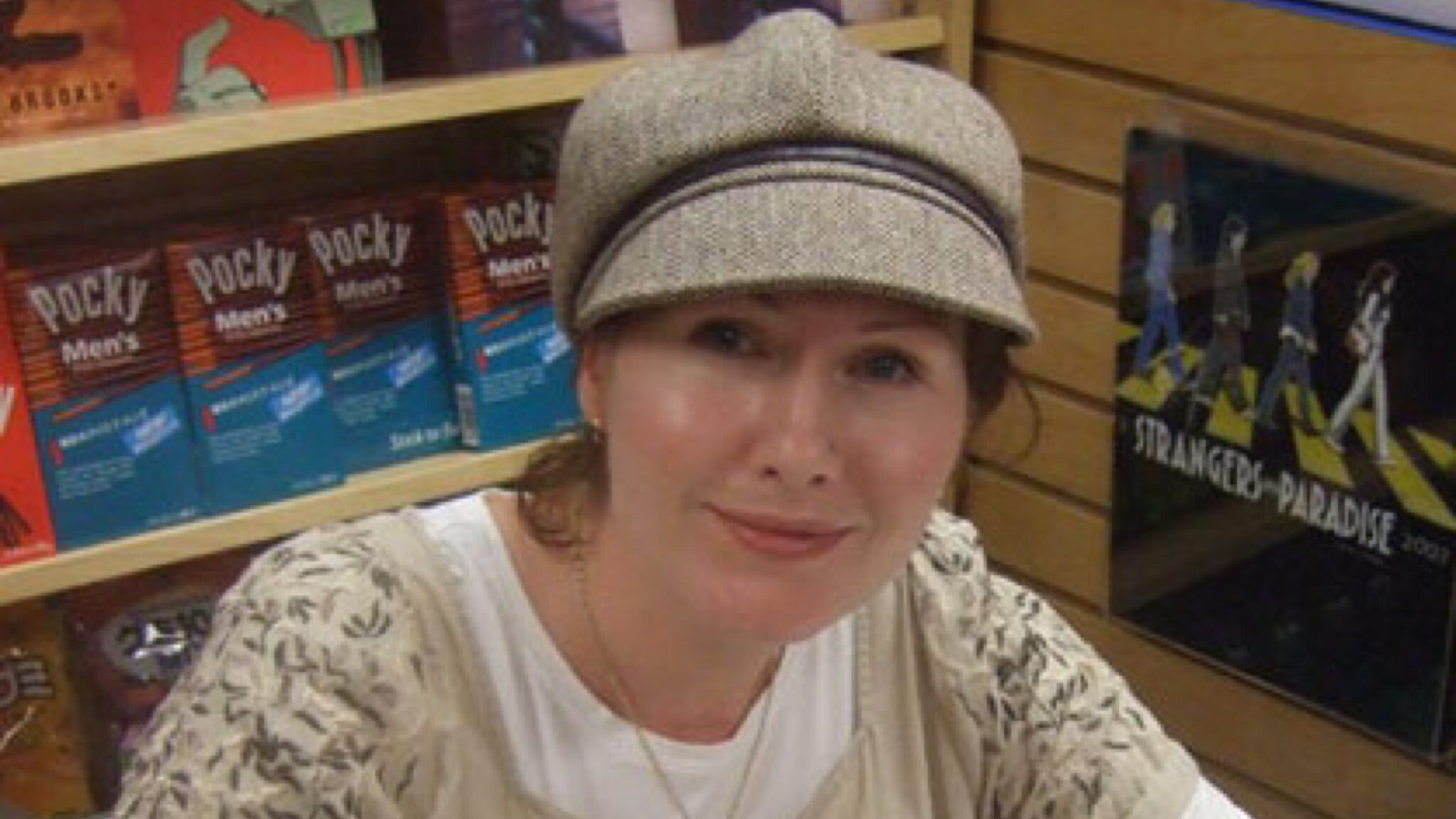
G. Willow Wilson co-created Kamala Khan, a Pakistani-American Muslim teenager who became Ms. Marvel. The series was praised for:
- Authentic cultural representation
- Humor and heart
- Expanding superhero identity
Kamala Khan marked a turning point in how mainstream comics approach diversity.
Marjorie Liu and Epic Feminist Fantasy
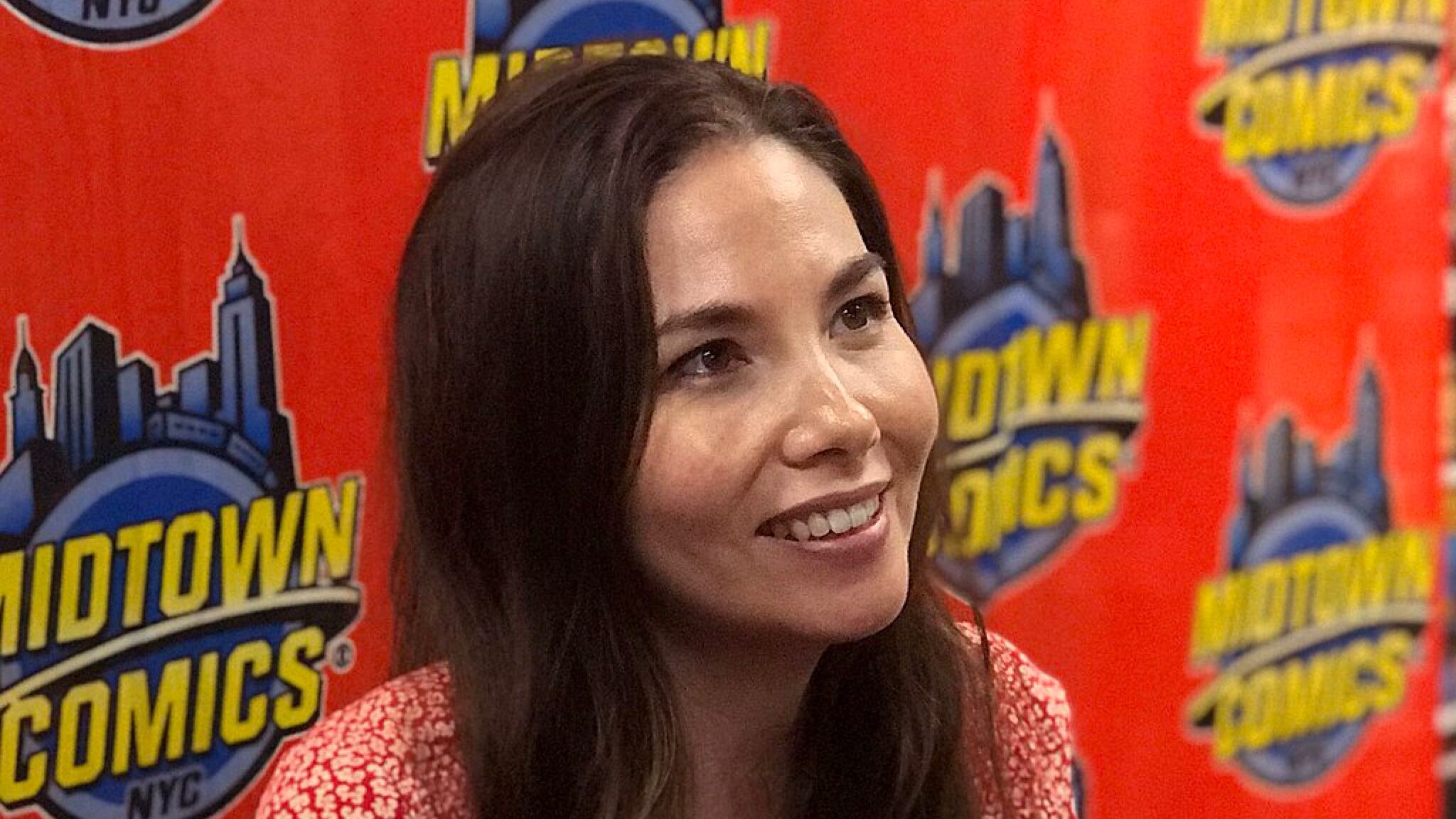
Marjorie Liu’s Monstress, co-created with artist Sana Takeda, is one of the most acclaimed comics of the 21st century.
Its themes include:
- Colonialism
- Trauma
- Power and oppression
- Feminine rage and survival
The series demonstrates how women creators are reshaping genre itself.
Kelly Sue DeConnick: Activism Through Story
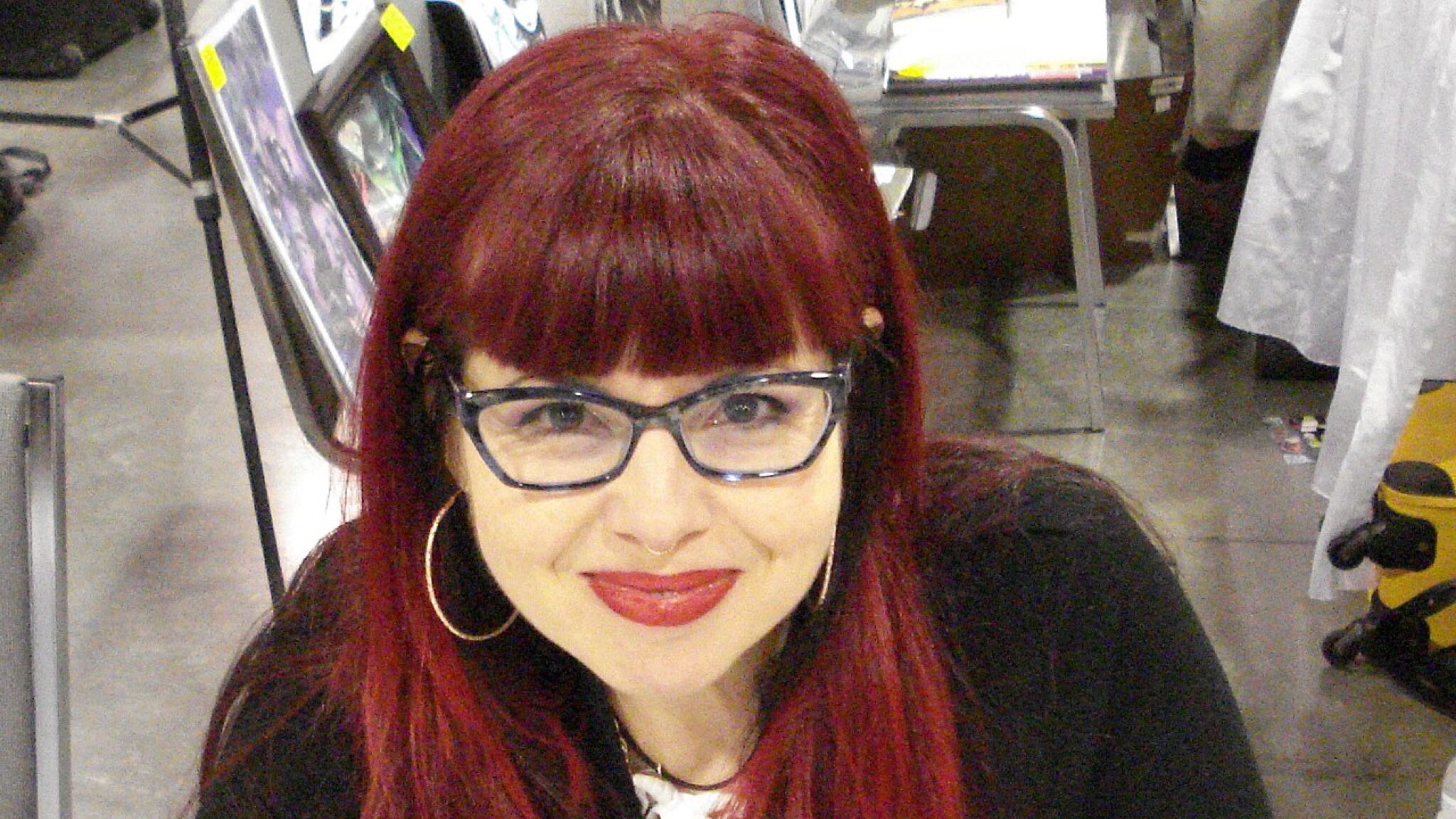
Kelly Sue DeConnick revitalized Captain Marvel, transforming her into a symbol of empowerment for modern audiences. She also co-created Bitch Planet, a fierce critique of patriarchy and incarceration.
DeConnick is also known for advocating structural change within the comics industry, particularly around credit, pay equity, and inclusion.
Webcomics and the Digital Revolution
Democratizing Comics Creation
The internet removed traditional gatekeepers, allowing women to publish directly to global audiences.
Webcomics enabled:
- Marginalized voices to flourish
- Experimental formats and genres
- Community-driven storytelling
Women creators have been especially influential in webcomics addressing romance, queer identity, mental health, and everyday life.
Intersectionality: Women, Race, Gender, and Identity
Modern discussions of women in comics must include intersectionality. Women’s experiences in comics differ based on race, sexuality, disability, nationality, and class.
Creators from marginalized backgrounds often face compounded barriers—but also bring essential perspectives that enrich the medium.
Global Perspectives: Women in Comics Beyond the U.S.
Women have shaped comics worldwide:
- Japan – Women dominate manga publishing and readership
- France & Belgium – Growing recognition of women cartoonists
- Latin America – Comics as political resistance
- South Asia & Africa – Emerging voices using comics for education and activism
Comics is a global language, and women are speaking it everywhere.
Ongoing Challenges in the Comics Industry
Despite progress, systemic issues remain:
- Gender pay gaps
- Harassment and discrimination
- Underrepresentation in leadership roles
- Limited access to major franchises
Addressing these challenges requires structural change, not just individual success stories.
Why Women’s Voices Matter in Comics
When women create comics:
- New stories emerge
- Underrepresented experiences are validated
- The medium grows artistically and culturally
Diversity is not a trend—it is a creative necessity.
The Future of Women in Comics
The future of comics is increasingly:
- Creator-owned
- Global
- Digital
- Inclusive
Women are not just participating in this future—they are leading it.
The Role of Women in Comics: Rewriting the Canon
The history of comics looks different when women are centered rather than sidelined. From Rose O’Neill’s Kewpies to today’s groundbreaking graphic novels and webcomics, women have always been integral to the medium’s evolution.
Recognizing women’s contributions is not about rewriting history—it is about finally telling it fully.
The role of women in comics is not secondary.
It is foundational.
And it continues to shape what comics are—and what they can become.
Final Reflection
Comics thrive when more voices are heard. As women continue to claim space, authorship, and authority within the medium, comics become richer, braver, and more honest reflections of the world.
And that is not just progress for women in comics—it is progress for comics itself.
Frequently Asked Questions (FAQ) – The Role of Women in Comics: Pioneers and Contemporary Creators
Who were some of the early pioneering women in the world of comics?
Early pioneers in comics included Rose O’Neill, who created Kewpie characters, and Grace Drayton, known for Campbell’s Soup Kids.
What is the significance of Wonder Woman in the history of comics?
Wonder Woman, created by William Moulton Marston and artist H.G. Peter, is an iconic female superhero. She symbolized empowerment and was one of the earliest feminist characters in comics.
How did Elizabeth Holloway Marston contribute to Wonder Woman’s creation?
Elizabeth Holloway Marston, William Marston’s wife, played a crucial role in Wonder Woman’s development, including creating her lasso of truth.
Who were some notable women creators during the Golden Age of Comics?
Artists like Ramona Fradon and Ruth Atkinson significantly contributed to the comic book industry during the Golden Age.
What challenges did female creators face during the Comics Code Authority era?
The Comics Code Authority (CCA) imposed strict content regulations in the 1950s, leading to censorship and marginalizing many female creators’ work.
Who was Barbara Hall, and how did she impact Wonder Woman comics?
Barbara Hall became the first woman to write Wonder Woman comics in the 1960s, revitalizing the character with feminist themes.
Who are some contemporary female creators making a mark in comics?
Contemporary creators like Gail Simone, Raina Telgemeier, and Kelly Sue DeConnick have contributed significantly to the industry.
What is the “Carol Corps,” and who created it?
Kelly Sue DeConnick created the “Carol Corps,” a community of fans dedicated to the character Carol Danvers (Captain Marvel).
How are female creators contributing to diversity and inclusivity in comics today?
Female creators advocate for diversity and inclusivity by introducing characters from various backgrounds and identities.
What is the lasting impact of women in comics on the industry?
Women in comics have left a lasting impact by reshaping narratives, championing diversity, and inspiring audiences with their powerful storytelling. Their influence continues to shape the medium.
This post was created with our nice and easy submission form. Create your post!





2 Comments