

 Sondre Borg

Color is one of the most powerful tools in an artist’s toolkit. In cartoon art, color not only brings drawings to life but also conveys emotions, establishes visual hierarchy, and communicates narrative subtleties that words alone often cannot. By understanding the science of color—its properties, psychological effects, and technical applications—cartoonists can create compelling, dynamic work that resonates with viewers. This article delves into the fundamentals of color theory, explores the role of color in cartoons, and offers insights into how artists use color to shape their visual language.
1. The Power of Color in Cartoon Art
Imagine a classic cartoon where every hue, from the bold primary colors to subtle pastels, works in harmony to create an engaging world. Whether it’s the bright, eye-catching reds of a superhero’s costume or the muted tones of a reflective moment in a dramatic scene, color in cartoon art is essential to storytelling. It can communicate emotions, emphasize actions, and even reflect cultural contexts. In this exploration, we uncover how the science of color influences cartoon art and why mastering it can elevate your artistic work.
2. The Fundamentals of Color Theory
2.1 Hue, Saturation, and Brightness
At the core of color science are three key components:
- Hue: This is the basic color itself—red, blue, yellow, etc. It defines the color family.
- Saturation: This refers to the intensity or purity of a color. Highly saturated colors are vivid and striking, while low-saturation colors are muted and subdued.
- Brightness (or Value): This indicates how light or dark a color appears. Adjusting brightness can create depth and contrast in an artwork.
Understanding these components is critical for cartoonists, as they determine how colors interact and how they can be used to convey mood and focus.
2.2 Color Harmony and Contrast
Color harmony involves creating a pleasing arrangement of colors that work well together. Complementary colors (those opposite each other on the color wheel) create contrast and can make elements pop, whereas analogous colors (those adjacent on the color wheel) produce a more unified, serene look. For cartoonists, achieving the right balance is essential—too much contrast can be jarring, while too little may lead to a flat, unengaging image.
2.3 The Color Wheel and Its Applications
The color wheel is a valuable tool for artists. It helps in selecting color schemes that support the mood and narrative of the cartoon. Using the wheel, artists can experiment with:
- Monochromatic schemes: Variations of a single hue for a cohesive look.
- Complementary schemes: Pairs of contrasting colors to create emphasis.
- Triadic schemes: Three colors evenly spaced around the wheel, offering vibrancy while maintaining balance.
3. Psychological Impact of Color in Cartoons
3.1 How Colors Evoke Emotions
Different colors have inherent psychological associations:
- Red: Often linked with excitement, passion, and urgency. In cartoons, red can be used to highlight important action or evoke a sense of danger.
- Blue: Conveys calm, trust, and stability. Blue hues in a scene can create a soothing atmosphere or represent sadness.
- Yellow: Evokes happiness, energy, and optimism. Yellow is commonly used to grab attention and add vibrancy.
- Green: Associated with nature, growth, and sometimes envy. Green tones can suggest health or, conversely, unease.
- Purple: Often linked to creativity, luxury, and mystery. Purple can add a sense of depth or fantasy.
Understanding these associations allows cartoonists to deliberately choose colors that enhance the emotional resonance of their work.
3.2 Cultural Contexts and Color Perception
Color meanings can vary across cultures. For instance, while white often represents purity and innocence in many Western cultures, it can symbolize mourning in some Eastern traditions. Cartoonists working in a global context must consider these cultural variations when designing characters and settings to ensure that their color choices support the intended narrative for diverse audiences.
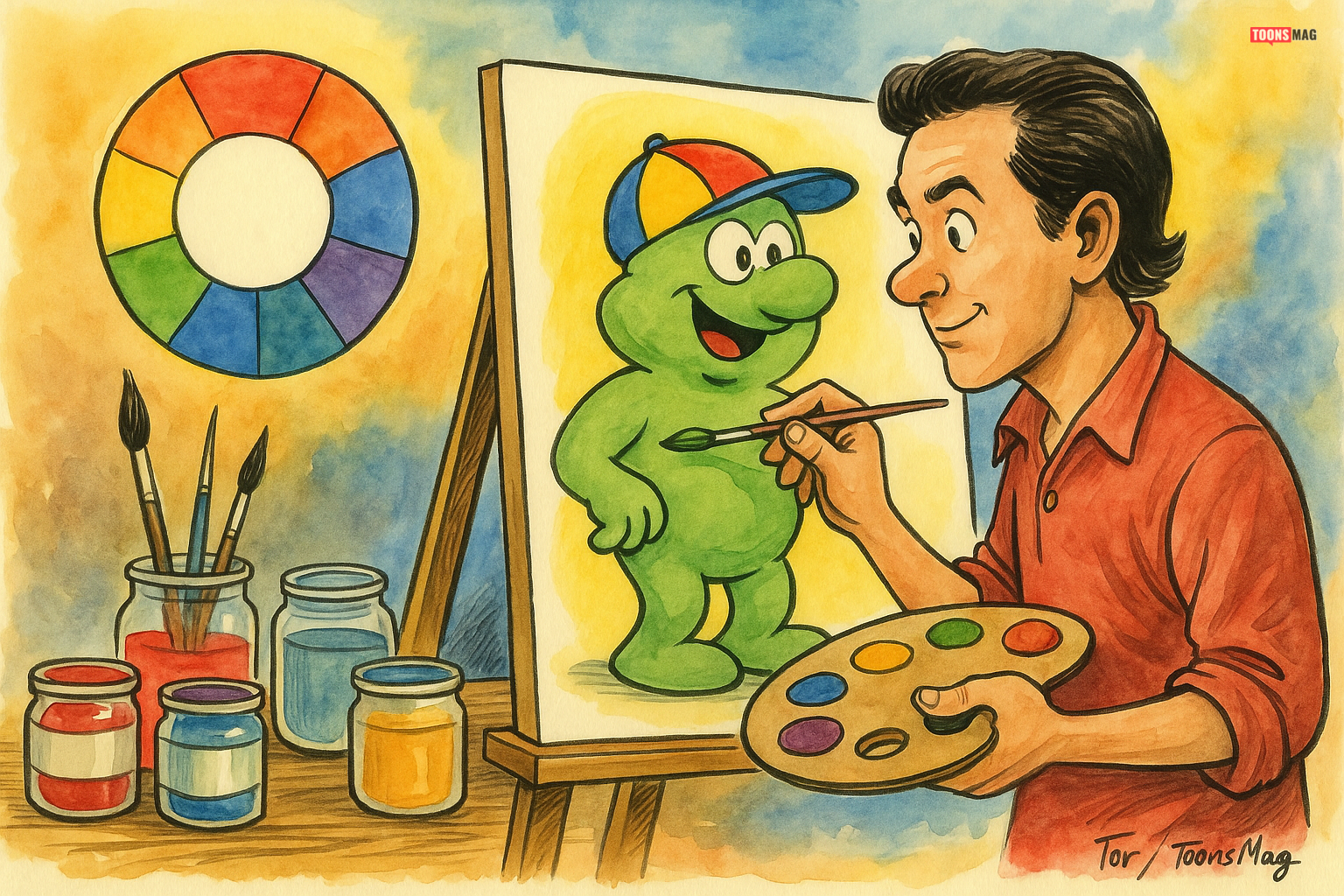
4. The Role of Color in Visual Storytelling
4.1 Establishing Mood and Atmosphere
Color is a key ingredient in setting the tone of a cartoon. Warm colors like red, orange, and yellow can create a sense of energy and urgency, while cool colors like blue and green tend to evoke calm and introspection. By strategically using color, cartoonists can guide the viewer’s emotional journey throughout the narrative.
For example, a scene depicting a high-energy chase might use vibrant, saturated colors to heighten the excitement, whereas a reflective moment might be rendered in softer, cooler tones to evoke contemplation.
4.2 Creating Depth and Focus
In cartoon art, color can be used to direct the viewer’s attention. High-contrast areas naturally draw the eye, so placing the most important elements in bold, saturated colors against a muted background can create a strong focal point. Additionally, varying the brightness of colors can imply depth, with lighter tones often receding into the background and darker hues coming forward.
4.3 Visual Hierarchy and Composition
Effective use of color contributes to a visual hierarchy that guides the viewer through the composition. By using a limited palette and applying color contrast strategically, cartoonists can ensure that key characters or objects stand out. This technique is crucial in busy scenes where multiple elements compete for attention.
5. Techniques for Applying Color in Cartoon Art
5.1 Traditional vs. Digital Approaches
Historically, cartoonists used paints, markers, and colored pencils to add color to their work. Traditional methods involve layering colors, blending, and sometimes using stippling techniques to create texture. Today, many artists rely on digital tools, which offer a wide range of brushes, textures, and effects that can mimic or even enhance traditional techniques.
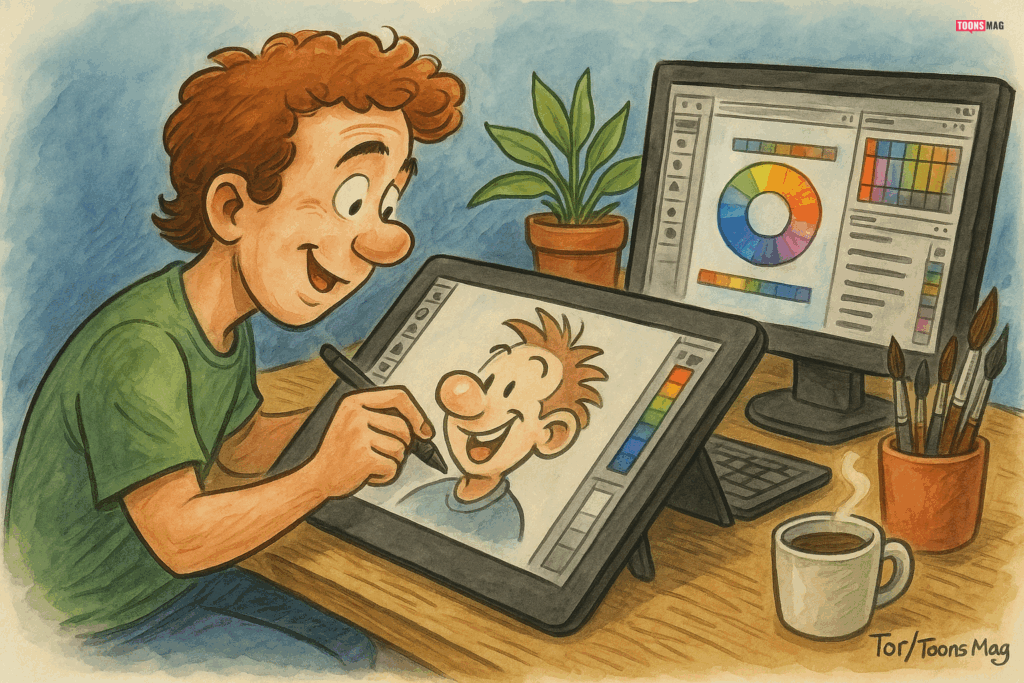
Digital tools such as Adobe Photoshop, Clip Studio Paint, and Procreate allow artists to experiment with:
- Layering: Building up color gradually to achieve the desired intensity and depth.
- Blending Modes: Using digital effects to merge colors and create gradients.
- Brush Customization: Simulating traditional media with digital brushes tailored to mimic pencil, ink, or watercolor effects.
5.2 Developing a Signature Color Palette
Many successful cartoonists develop a signature color palette that becomes part of their visual identity. This could be a set of specific hues they use consistently or a particular way of balancing warm and cool tones. Experiment with various combinations until you find a palette that not only enhances your art but also feels true to your artistic vision.
5.3 Experimenting with Color Blocking and Gradients
Color blocking—using large, solid areas of color—can simplify complex scenes and emphasize important elements. Gradients, on the other hand, can add a sense of movement and dimensionality. Both techniques are popular in modern cartooning and are essential for creating visually appealing compositions that are both simple and effective.
6. Case Studies: Iconic Examples in Cartoon Art
6.1 Classic Superhero Comics
Consider the classic American superhero comics. Characters like Superman and Batman are often depicted with bold primary colors. Superman’s blue and red costume, for example, not only makes him instantly recognizable but also evokes feelings of strength and patriotism. The strategic use of color in these comics plays a critical role in defining character traits and setting the overall tone of the narrative.
6.2 Japanese Manga and Anime
Japanese manga and anime, while often produced in black and white, use color dramatically in key moments or in animated adaptations. When color is applied, it is done with a keen understanding of its emotional impact. Anime series like Naruto or One Piece use color to differentiate characters, signal changes in mood, and even denote special abilities or transformations. The limited color palettes in manga are often complemented by dramatic digital color effects in anime, creating a vivid and immersive viewing experience.
6.3 Modern Digital Cartoons
Contemporary cartoonists, especially those working in digital media, continue to push the boundaries of color application. Shows like Steven Universe or Adventure Time have been praised for their innovative use of color—each hue carefully chosen to enhance the narrative and evoke specific emotions. These modern examples highlight how digital technology can refine traditional techniques and allow for greater experimentation with color dynamics.
7. The Science Behind Color Perception
7.1 How the Human Brain Processes Color
The science of color perception involves both physiological and psychological factors. The human eye contains cells called cones that are sensitive to different wavelengths of light—red, green, and blue. These cells work together to create the full spectrum of colors we perceive. When an artist chooses a color, they are tapping into these biological processes to evoke specific emotional responses.
7.2 Color Psychology in Cartoon Art
Different colors can influence mood and behavior. Studies in color psychology reveal that:
- Red can increase energy and evoke passion or urgency.
- Blue tends to have a calming effect and can evoke trust.
- Yellow stimulates feelings of happiness and optimism.
- Green is associated with growth and calmness but can also evoke envy.
- Orange combines the energy of red and the cheerfulness of yellow, often evoking excitement.
Cartoon artists leverage these psychological associations to craft scenes that resonate on a subconscious level. By carefully selecting colors that match the emotional tone of their narrative, artists can guide the viewer’s emotional journey through their work.
8. Practical Exercises for Mastering Color in Cartoon Art
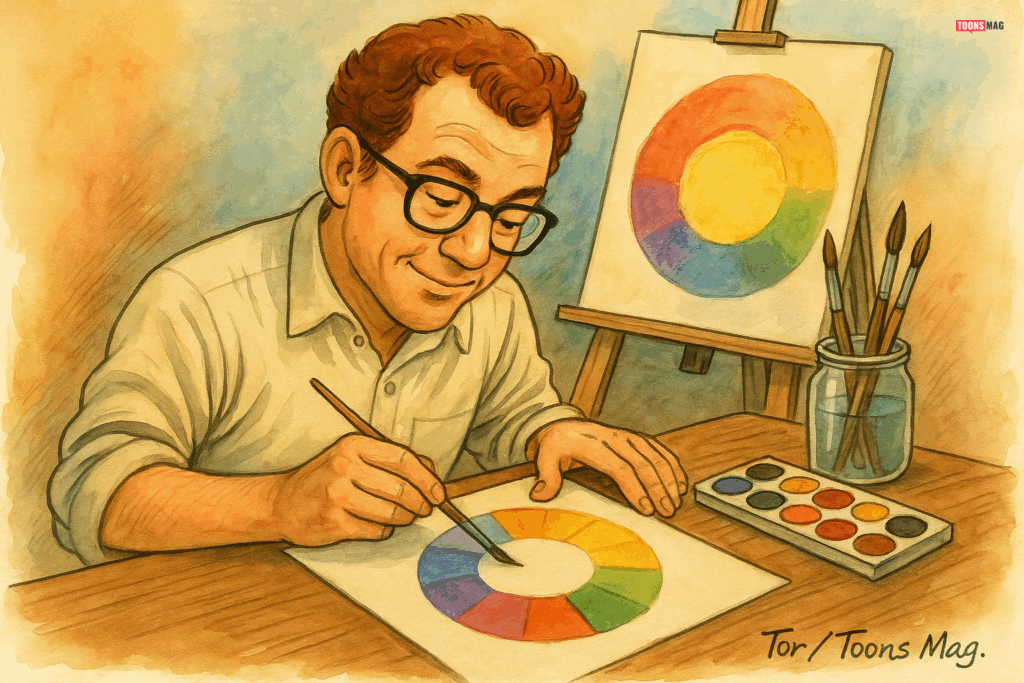
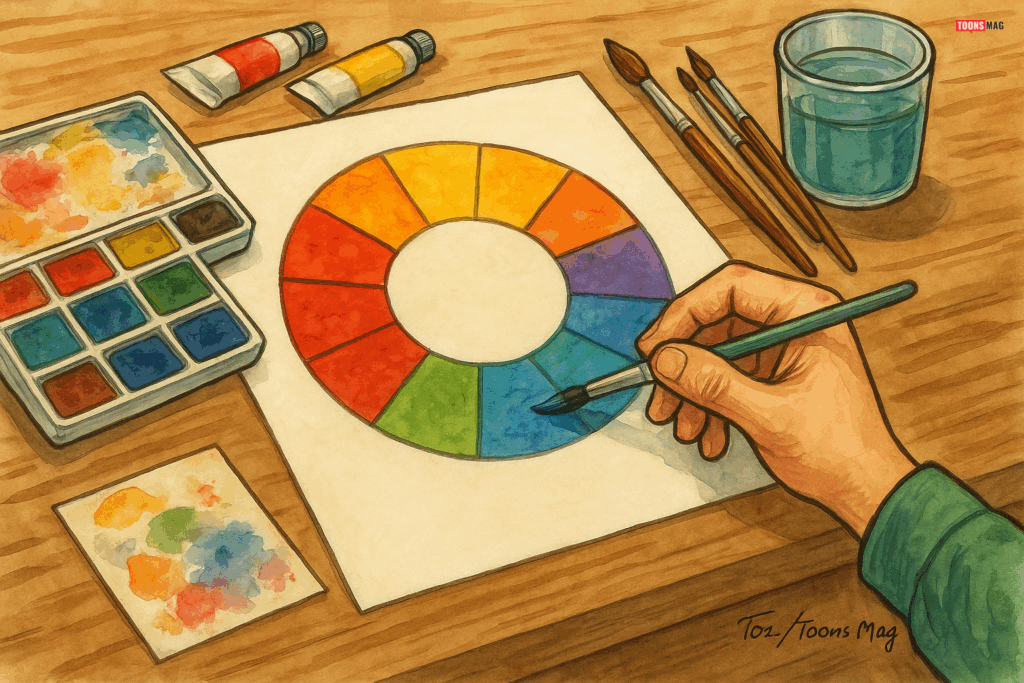
8.1 Creating a Color Wheel
One of the best ways to understand color relationships is by creating your own color wheel. Experiment with mixing paints or using digital tools to see how primary colors combine to form secondary and tertiary colors. This exercise will deepen your understanding of hue, saturation, and brightness, and help you make more deliberate color choices in your work.
8.2 Experimenting with Color Schemes
Try creating multiple sketches of the same scene or character using different color schemes. Use complementary, analogous, and monochromatic palettes to see how each affects the mood and readability of your art. This practice can reveal how subtle changes in color balance can drastically alter the visual impact of your work.
8.3 Analyzing Your Favorite Cartoons
Study cartoons that inspire you. Analyze how they use color to define characters, set moods, and create depth. Note the specific hues and saturation levels, and try to recreate similar effects in your own sketches. Understanding what makes a color palette work in a professional piece can provide invaluable insights for your own creative process.
8.4 Digital Simulations and Filters
If you work digitally, experiment with various filters and color adjustment tools. Use digital simulations to understand how altering brightness, contrast, or hue affects the overall composition. Many digital art programs offer real-time previews, allowing you to experiment without the commitment of traditional media.
9. Balancing Creativity with Technical Precision
9.1 Developing a Consistent Visual Style
As you experiment with different colors and techniques, aim to develop a consistent visual style that becomes your signature. This might mean choosing a specific range of colors that you use across most of your work or adopting a particular method for blending and layering colors. A consistent style not only helps in building a recognizable brand but also streamlines your creative process.
9.2 Iterative Refinement
Mastering the science of color is an ongoing process. Continuously refine your techniques by revisiting and revising your work. Save iterations of your digital files or keep a sketchbook dedicated to color experiments. Over time, you’ll notice patterns in what works best for conveying the desired emotions and how you can consistently replicate those effects.
9.3 Collaboration and Peer Feedback
Engage with fellow artists and participate in art communities—both online and offline. Sharing your work and receiving feedback can provide new perspectives and reveal aspects of your color choices that you might have overlooked. Constructive criticism is essential for growth, helping you fine-tune your approach to color and ensuring that your work remains both innovative and effective.
10. The Role of Technology in Advancing Color Techniques
10.1 Digital Tools and Color Palettes
Digital art tools have revolutionized how artists work with color. Software like Adobe Photoshop, Illustrator, Clip Studio Paint, and Procreate provide an extensive range of brushes, textures, and color adjustment options. These tools allow artists to:
- Experiment with custom color palettes.
- Quickly adjust saturation, brightness, and contrast.
- Utilize layers and blending modes to create complex effects.
- Save and reuse color schemes for consistency.
Digital platforms also allow for seamless integration between traditional hand-drawn sketches and digital coloring, merging the best of both worlds.
10.2 Animation and Color Dynamics
In animated cartoons, color is not static—it evolves frame by frame. Animation software allows creators to manipulate color dynamically, creating transitions that enhance storytelling. For example, a scene might gradually shift from cool to warm hues to indicate a change in mood or time of day. Understanding how to control color dynamics in motion can elevate the narrative and deepen audience engagement.
10.3 Emerging Technologies
Emerging technologies like virtual reality (VR) and augmented reality (AR) are starting to influence how color is used in cartoon art. These technologies enable artists to create immersive, interactive experiences where color plays a crucial role in defining virtual environments. As these tools become more accessible, they will open up new possibilities for creative expression and innovative uses of color.
11. Cultural Impact and Global Perspectives
11.1 Color in Different Cultural Contexts
The significance of color varies widely across cultures. In Western art, certain colors are traditionally associated with specific emotions—red for passion or danger, blue for calmness, yellow for optimism, and so on. In contrast, Eastern art traditions may imbue colors with different symbolic meanings. For instance, in Japanese culture, white can represent purity and mourning, while red may symbolize both happiness and protection. Understanding these cultural nuances is essential for cartoonists who aim to reach a global audience.
11.2 Global Influences on Color Palettes
Today, cartoon art is a global phenomenon. Artists from different regions draw on local traditions and color symbolism, creating diverse visual languages that enrich the medium. This cross-cultural exchange has led to innovative blending of color styles—merging the bold, primary hues often seen in American cartoons with the subtle, nuanced palettes of Japanese manga. The result is a rich tapestry of color that reflects our interconnected world.
11.3 Pop Culture and Mass Media
Pop culture plays a significant role in shaping color trends in cartoon art. Advertisements, movies, and digital media constantly influence what is considered “in” when it comes to color schemes. Cartoonists often borrow from these trends to create visually relevant work. The influence of pop art, for example, is evident in the use of vivid, saturated colors and graphic, simplified forms. As mass media continues to evolve, so too will the role of color in cartoon art, reflecting the ever-changing landscape of popular culture.
12. Educational Insights: Teaching Color Science Through Cartoons
12.1 The Classroom as a Laboratory
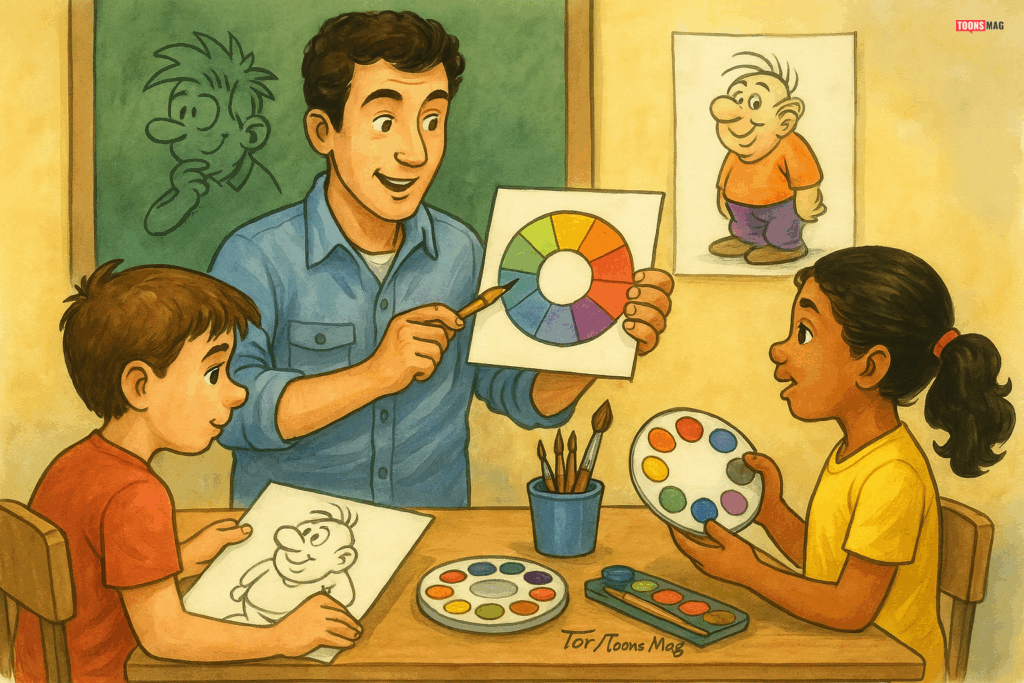
Many educators use cartoon art as a tool for teaching color theory and visual literacy. By analyzing cartoons, students learn how color affects mood, conveys meaning, and influences composition. Practical exercises—such as creating a personal color wheel or re-coloring existing cartoons—help students understand the technical aspects of color, while discussions about cultural symbolism encourage critical thinking.
12.2 Inspiring Future Artists
For aspiring cartoonists, mastering color science is essential. It not only improves technical skills but also broadens creative expression. Educational programs and workshops dedicated to cartoon art often emphasize the importance of color, teaching students how to experiment with different palettes and techniques. This foundation can empower future artists to develop their own unique visual language and contribute to the evolving landscape of cartoon art.
12.3 Online Resources and Communities
The digital age has made it easier than ever to learn about color science. Numerous online tutorials, webinars, and forums focus on the intersection of color theory and cartoon art. Platforms like YouTube, Skillshare, and dedicated art blogs provide valuable insights and practical demonstrations. By participating in these online communities, artists can share their work, receive feedback, and continually refine their understanding of color in art.
13. Challenges and Future Directions
13.1 Balancing Creativity and Technical Precision
One challenge for cartoonists is finding the right balance between artistic expression and technical precision. Overemphasis on perfect color rendering can sometimes stifle creativity, while too much experimentation without a solid understanding of color science can lead to visually chaotic work. The key is to develop a strong foundation in color theory while remaining open to creative exploration.
13.2 Adapting to New Technologies
As digital technologies continue to evolve, cartoonists must adapt to new tools and platforms. Virtual reality, augmented reality, and interactive digital media are pushing the boundaries of traditional color application. Staying current with these advancements can be both challenging and exciting, offering new ways to engage audiences and tell stories through color.
13.3 The Future of Color in Cartoon Art
Looking ahead, the influence of color in cartoon art is likely to become even more sophisticated. Emerging technologies will offer unprecedented control over color dynamics, allowing for real-time adjustments in animated content and interactive art installations. Furthermore, as global cultural exchange intensifies, the blending of different color traditions will continue to enrich the medium, leading to innovative and diverse visual expressions.
14. The Enduring Magic of Color
Color is much more than a decorative element in cartoon art—it is the language through which emotion, narrative, and cultural context are conveyed. From the fundamentals of hue, saturation, and brightness to the psychological impact of a well-chosen palette, the science of color shapes the way we experience cartoons. Through deliberate choices and innovative techniques, cartoonists use color to transform simple sketches into works that speak directly to our hearts and minds.
The interplay of technical precision and creative vision in color application makes cartoon art a vibrant and dynamic field. As technology advances and global influences merge, the power of color in cartoon art will continue to evolve, inspiring new generations of artists and captivating audiences around the world.
Whether you’re a seasoned artist or just beginning your creative journey, understanding the science of color can unlock new dimensions in your work. Embrace the principles of color theory, experiment boldly, and let your unique vision shine through every hue, every gradient, and every brushstroke.
Final Thoughts
The science of color is a cornerstone of visual storytelling in cartoon art. It not only defines the aesthetic of a piece but also shapes the emotional landscape and narrative depth of the work. By mastering color theory and embracing both traditional and digital techniques, cartoonists can create compelling, memorable art that resonates across cultures and generations.
As we move forward into an increasingly digital and interconnected world, the role of color in cartoon art will continue to expand, challenging artists to innovate and reimagine what is possible. The enduring magic of color reminds us that even the simplest elements—a splash of red here, a hint of blue there—can have a profound impact on how we see the world.
This post was created with our nice and easy submission form. Create your post!