
 Simon Alexander

In popular imagination, the word “caricature” often conjures up exaggerated noses, goofy grins, and scathing political commentary. For many, it’s synonymous with mockery—of power, of pride, of pretense. But caricature, at its essence, is far more versatile and profound than merely being a satirical jab. While satire is one of its oldest and most prominent uses, a caricature is not always a critique, nor is it inherently negative.
In this article, I want to challenge the narrow definition of caricature. As a contributor to Toons Mag and an advocate for the global community of cartoonists, I’ve seen—and drawn—caricatures that celebrate, humanize, and even dignify their subjects. Let’s explore why caricature should be redefined not just as an art of distortion, but as an art of revelation.
What Is a Caricature, Really?
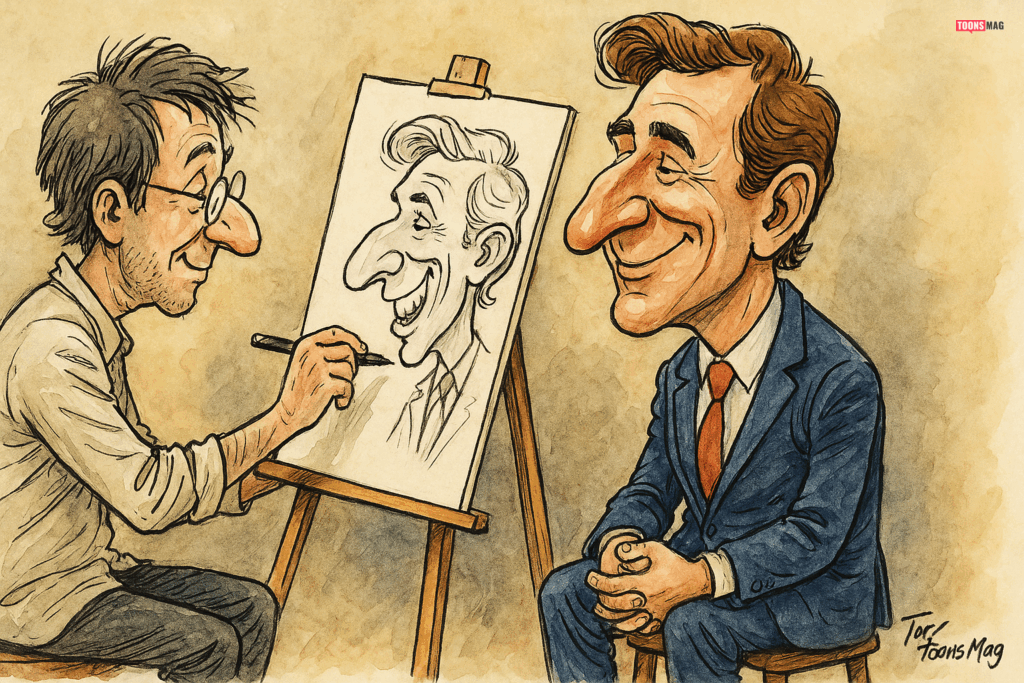
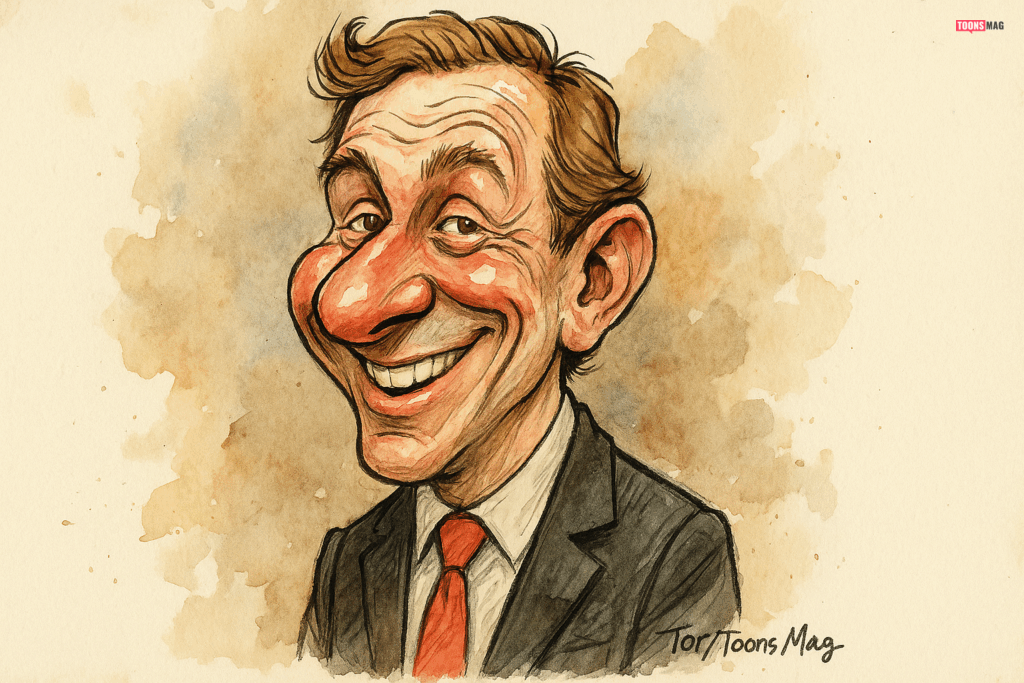
At its core, a caricature is an exaggerated depiction of a real person, emphasizing distinctive features—whether physical, behavioral, or symbolic. But this emphasis doesn’t always aim to ridicule.
A Spectrum of Intent
Caricature is a spectrum ranging from:
- Satirical (mocking politicians or public figures),
- Comedic (for entertainment and fun),
- Tributary (honoring personalities through exaggerated homage),
- Symbolic (visual storytelling using features as metaphors),
- Affectionate (loving exaggerations of friends or family members).
Just as a poem can be romantic, angry, or political, caricature can take on many emotional hues.
When Caricature Becomes Celebration
🎨 Case Study: Mandela in Lines
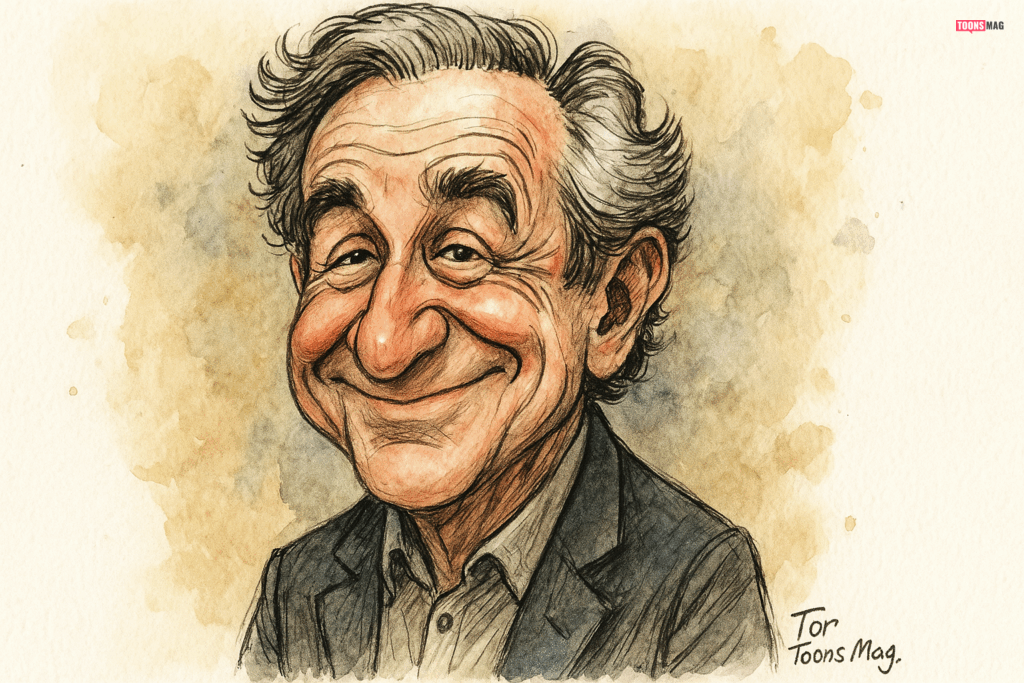
Many artists, myself included, have drawn Nelson Mandela as a caricature. His ears, smile, and gentle demeanor offer fertile ground for visual emphasis. Yet, these caricatures often radiate warmth and reverence. They do not ridicule; they honor.
In fact, some of the most moving caricatures I’ve seen are tributes—artistic thank-yous to beloved personalities. Think of caricatures of Gandhi, Frida Kahlo, or Maya Angelou. They exaggerate not flaws, but spirit.
✍️ The Role of Editorial Tribute
Editorial cartoonists sometimes use caricature in memorials. A recent example was the global response to the passing of Queen Elizabeth II—many caricatures emphasized her regal demeanor with soft, symbolic exaggerations: an oversized crown, gentle wrinkles, or a waving hand. The intention? Respect.
Cultural Nuance: Caricature Beyond the West
In many cultures, caricature doesn’t carry the same political baggage it does in Western societies.
- In Japan, caricature in manga often heightens cuteness or emotion (called chibi) rather than sarcasm.
- In Africa, caricature is often merged with folklore symbolism—masks, animals, or ancestral spirits.
- In Latin America, caricature is a celebratory tool during festivals or protests, rich in color and rhythm, not just criticism.
This global perspective matters deeply to communities like Toons Mag and the Cartoonist Network, which support diverse cartoonists working across cultures and languagesCartoonist NetworkToons Mag.
Caricature and Empathy
💡 The Emotional Connection
A good caricature doesn’t just show how someone looks—it shows who they are. It dives under the skin and reveals personality. When drawn with empathy, even exaggerated lines become intimate and familiar.
In workshops with young artists, I often describe caricature as “a portrait of the soul with a lens of humor.” When you understand a person’s essence, you can reflect it with affection—not insult.
When Caricature Is Satirical—and Why That’s Okay
To be clear: satire is still an essential, vital part of caricature’s DNA.
🎯 Political Satire and Power
From Daumier in 19th-century France to today’s editorial cartoonists in Egypt, Iran, India, or the United States, caricature has long been used to poke at power. This is necessary. The sharp pen reveals hypocrisy and injustice, forcing audiences to confront the truth with a smile—or a grimace.
But satire doesn’t equal hatred. The best satirical caricatures exaggerate systems, not personal flaws. They use laughter to provoke thought, not cruelty.
Caricature in Modern Storytelling
The digital age has opened new avenues for caricature:
- Comics journalism uses caricature to tell real stories with visual emotion.
- Social avatars (like Bitmoji or Meta characters) are playful, caricatured versions of ourselves.
- AI and apps now let anyone create caricatures, not just professional artists.
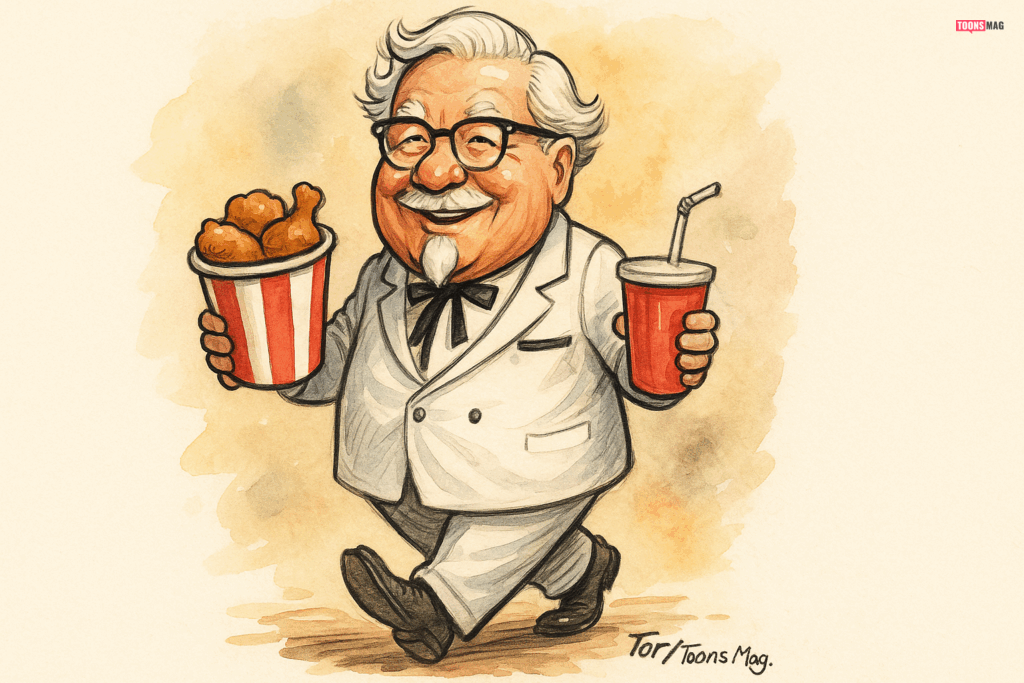
Even in advertising and branding, we see caricature used to convey friendliness, nostalgia, or distinction—think Colonel Sanders, Mr. Peanut, or the Michelin Man.
The Artist’s Responsibility
Caricature is powerful. And with that comes responsibility. As artists, we must ask ourselves:
- Am I revealing something true?
- Am I mocking with intent or care?
- Am I respecting the humanity of my subject?
There’s no one-size-fits-all rule. But empathy should be the compass.
Platforms That Embrace This Diversity
At Toons Mag, we’ve long believed in the wide spectrum of cartooning. From fierce political commentary to loving visual poetry, our platform showcases caricature in all its shades.
Meanwhile, Cartoonist Network offers creators a place to share, sell, and connect with audiences who appreciate the richness of this form—not just for its bite, but for its beauty.
These platforms are reshaping how the world understands and values cartoonists—emphasizing that a caricature is not a laugh at someone, but often a smile with them.
Caricature as an Expression of Truth, Not Just Satire
Caricature will always have a place in satire—but it’s time we recognized its full potential. A caricature is a mirror, not a mallet. Sometimes it shows our flaws. Sometimes it shows our fire. And often, it shows our fullness—through a crooked smile, a tilted chin, or a single, exaggerated line.
So the next time you see a caricature, ask not what it mocks—but what it reveals.
A caricature is Not Always a Satire of the Negative Video
This post was created with our nice and easy submission form. Create your post!





One Comment