

 Joann McPike

Manga (Japanese: 漫画, [maŋga]) refers to comics or graphic novels originating from Japan. The term is used in Japan to describe both domestic and foreign comics, but outside Japan it typically refers to works produced within the country, following a style developed in the late 19th and early 20th centuries.
Modern manga encompasses a wide range of genres and themes, catering to audiences of all ages and interests. It has become a cornerstone of Japanese popular culture and a major component of the global comic book industry, influencing art, storytelling, and entertainment worldwide.
Etymology
The word manga is composed of two kanji: man (漫) meaning “whimsical” or “involuntary” and ga (画) meaning “pictures.” The term was popularized by the artist Hokusai in the early 19th century with his sketchbooks, Hokusai Manga, although sequential art in Japan predates the modern usage of the term.
History
Early Origins
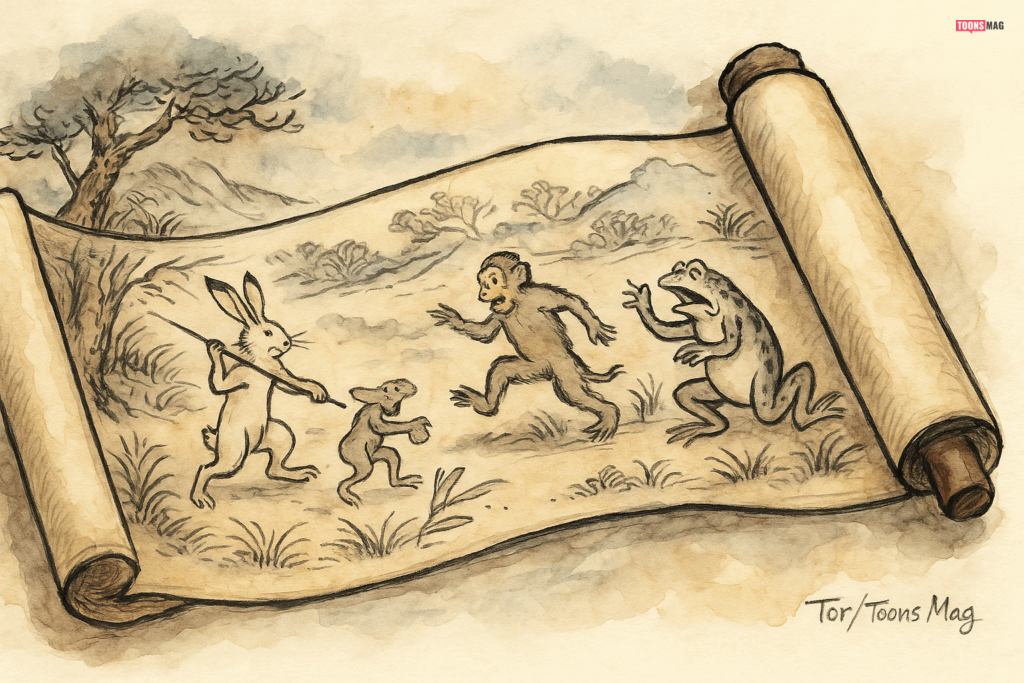
The roots of manga can be traced back to emakimono (picture scrolls) from the 12th century and ukiyo-e woodblock prints from the Edo period (1603–1868). These art forms combined images with narrative elements and helped shape Japan’s visual storytelling tradition.
Modern Manga Development
Modern manga emerged in the late 19th century as Japan encountered Western art and printing techniques. Pioneers like Rakuten Kitazawa helped establish the medium’s stylistic foundations.
Following World War II, artists such as Osamu Tezuka revolutionized manga with cinematic storytelling techniques, expressive character designs, and long-form serial narratives. Tezuka’s works, including Astro Boy, are often credited with setting the stage for manga’s modern form.

Formats and Publication
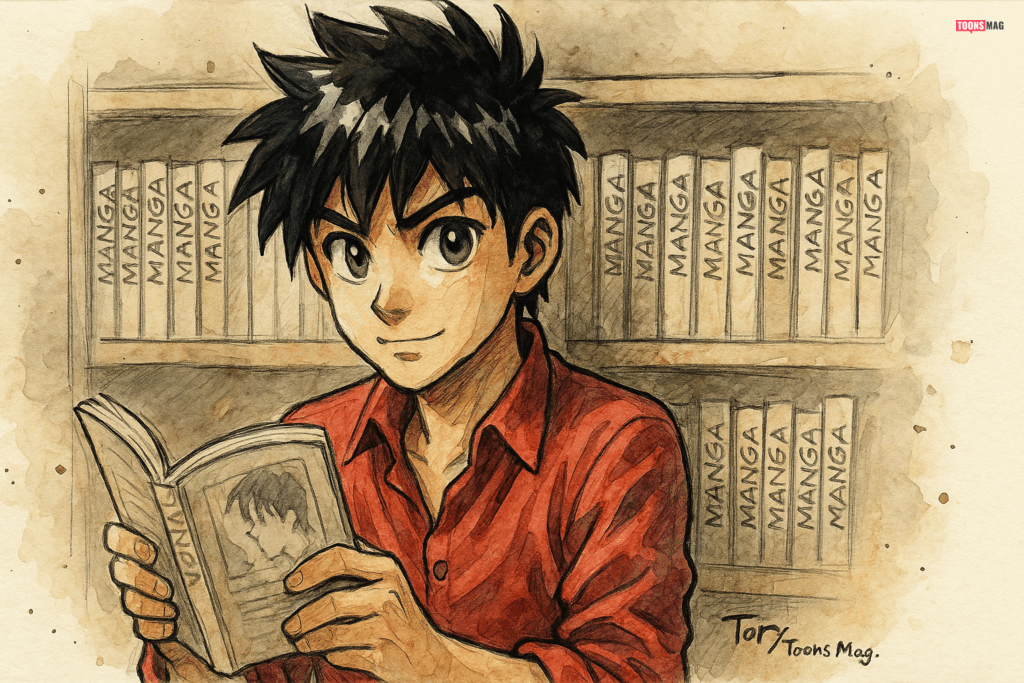
Manga is typically published in serialized form in weekly or monthly magazines such as Shōnen Jump, Weekly Shōnen Sunday, Nakayoshi, and Big Comic. Successful series are later compiled into tankōbon volumes.
The art is usually black and white due to printing costs and deadlines, although full-color special editions are sometimes produced. Manga is read from right to left, top to bottom, in traditional Japanese style.
Demographic Categories
Manga is commonly classified by target demographic rather than genre:
- Shōnen (少年) – Aimed at young boys; action, adventure, and friendship themes (Naruto, One Piece).
- Shōjo (少女) – Targeted at young girls; romance, drama, and character relationships (Sailor Moon, Fruits Basket).
- Seinen (青年) – For adult men; mature storytelling and complex themes (Berserk, Monster).
- Josei (女性) – For adult women; realistic romance, slice-of-life narratives (Nana, Honey and Clover).
- Kodomomuke (子供向け) – For children; educational or lighthearted content (Doraemon, Anpanman).

Genres
Manga covers virtually every literary and artistic genre, including but not limited to:
- Action and Adventure
- Romance and Drama
- Science Fiction and Fantasy
- Sports
- Horror and Mystery
- Historical Fiction
- Slice of Life
- Comedy
Creation Process
Manga creation is often a collaborative process:
- Mangaka – The primary manga artist and writer.
- Editors – Work closely with artists to refine storytelling and meet deadlines.
- Assistants – Help with inking, backgrounds, and technical details.
Some artists both write and illustrate their work, while others collaborate with dedicated writers.
International Popularity
From the late 20th century onwards, manga became a major export, especially after English translations in the United States and Europe gained popularity in the 1990s. Titles like Dragon Ball, Naruto, and Attack on Titan achieved worldwide success, contributing to a global boom in manga readership.
Digital platforms and simultaneous online releases have made manga more accessible to international audiences, further expanding its influence.
Adaptations
Many popular manga series are adapted into anime (Japanese animation), live-action films, video games, and merchandise. In some cases, anime adaptations significantly boost manga sales and recognition both in Japan and abroad.
Cultural Impact
Manga plays a central role in Japanese pop culture, influencing fashion, advertising, and social trends. It is also studied academically for its cultural, historical, and artistic significance. Internationally, manga has inspired countless artists, fueled the growth of conventions, and contributed to the expansion of global fandom communities.
Notable Manga and Creators
- Osamu Tezuka (Astro Boy, Black Jack)
- Akira Toriyama (Dragon Ball)
- Naoko Takeuchi (Sailor Moon)
- Eiichiro Oda (One Piece)
- Rumiko Takahashi (Inuyasha, Maison Ikkoku)
See Also
- Mangaka – Manga artists
- Anime – Japanese animation
- Webcomics in Japan