
 Amber Warenski

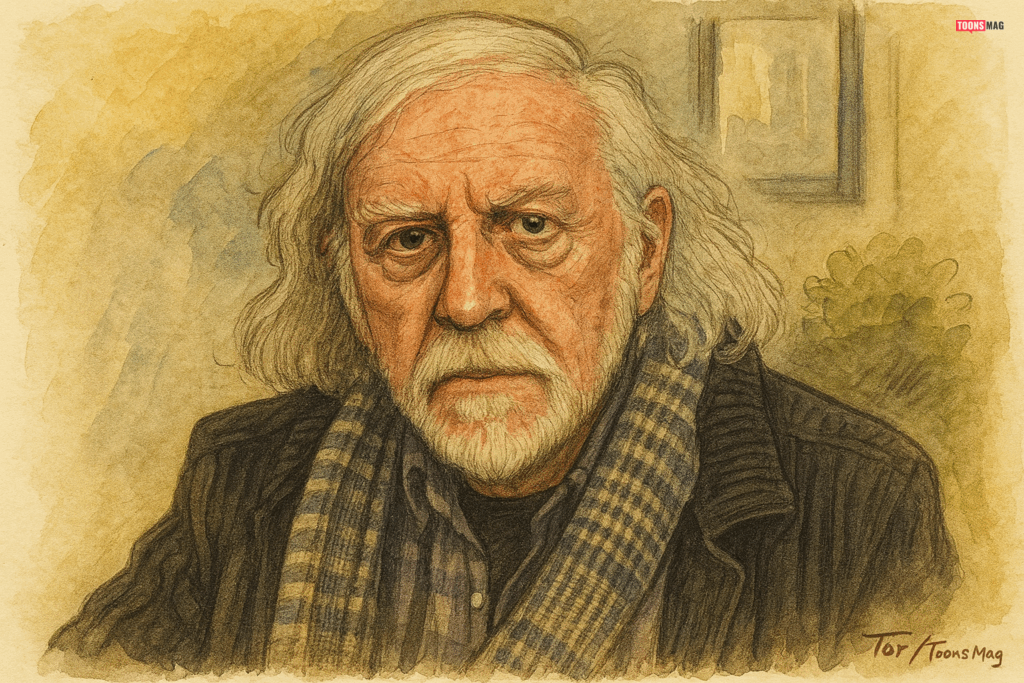
Philippe Paul-Louis Juste Honoré (25 November 1941 – 7 January 2015), known by his pen name Honoré, was a French cartoonist, illustrator, and writer celebrated for his elegant linework, literary humor, and deep moral intelligence.
For decades, Honoré’s drawings graced the pages of France’s most prestigious newspapers and magazines, including Le Monde, Libération, Les Inrockuptibles, and Charlie Hebdo, where he became a staff member in 1992.
He was among the five cartoonists murdered in the Charlie Hebdo terrorist attack in Paris on 7 January 2015, a tragedy that shocked the world and underscored the enduring power—and peril—of free expression.
Philippe Honoré — Infobox
| Full Name | Philippe Paul-Louis Juste Honoré |
|---|---|
| Pen Name | Honoré |
| Born | 25 November 1941 — Vichy, France |
| Died | 7 January 2015 (aged 73) — Paris, France |
| Nationality | French |
| Occupation | Cartoonist, Illustrator, Graphic Artist |
| Years Active | 1957 – 2015 |
| Education | Self-taught artist |
| Known For | • Longtime staff cartoonist at Charlie Hebdo • Political and literary illustrations for Le Monde, Libération, and Les Inrockuptibles • Creator of the celebrated Rébus Littéraires series |
| Major Publications | Sud-Ouest, Charlie Hebdo, Le Monde, Libération, Les Inrockuptibles, La Vie ouvrière, Le Matin, Charlie Mensuel, Globe, Expressen (Sweden) |
| Artistic Style / Themes | Refined black-and-white compositions, literary humor, philosophical satire, thick woodcut-inspired lines |
| Notable Works | • Cent rébus littéraires (2001) • Cent nouveaux rébus littéraires (2006) • Je hais les petites phrases (2011) • Ouvert le jour et la nuit (1995, with Rufus) • Bestiaire (2002, by Alexandre Vialatte) |
| Last Work | Cartoon of ISIS leader Abu Bakr al-Baghdadi, tweeted by Charlie Hebdo minutes before the attack (2015) |
| Cause of Death | Killed during the Charlie Hebdo terrorist attack (7 January 2015) |
| Resting Place | Père Lachaise Cemetery, Paris (Columbarium niche) |
| Languages | French |
Early Life and Education
Philippe Honoré was born on 25 November 1941 in Vichy, France, and grew up in the southwestern city of Pau.
Unlike many of his contemporaries, he was a self-taught artist, developing his technique through relentless sketching and observation rather than formal training. His first published drawing appeared in 1957, when he was just 16 years old, in the regional newspaper Sud-Ouest.
In his early adulthood, Honoré worked as an industrial designer for the Société Nationale des Gaz du Sud-Ouest, a natural gas company. The job taught him precision and discipline—skills that would later define his clean, deliberate artistic style.
Early Career and Entry into Journalism
By the 1960s, Honoré had begun contributing to national publications, gradually establishing himself as a versatile illustrator and press cartoonist. His drawings appeared in some of France’s most respected journals, including:
- Sud-Ouest
- Libération
- Le Monde
- Les Inrockuptibles
- La Vie ouvrière
- Le Matin
- Charlie Mensuel
- L’Événement du jeudi
- La Grosse Bertha
- Globe
- Expressen (Sweden)
His ability to blend irony, poetry, and intellect made him a sought-after illustrator for cultural and literary publications. He was particularly admired for his visual puzzles—“rébus littéraires”—published in the magazine Lire and later compiled into several books.
Distinctive Style
Honoré’s artistic signature was unmistakable: thick, woodcut-like black lines, often rendered in monochrome, creating a sense of gravity and timelessness.
While many of his Charlie Hebdo colleagues favored cartoonish exuberance, Honoré’s work conveyed quiet reflection, philosophical humor, and human empathy. His art was minimalist yet rich, often exploring the contradictions of modern life — politics, faith, culture, and morality — with subtle irony.
As Le Monde once noted, “Honoré’s drawings spoke softly, but their echo was deep.”
Work at Charlie Hebdo
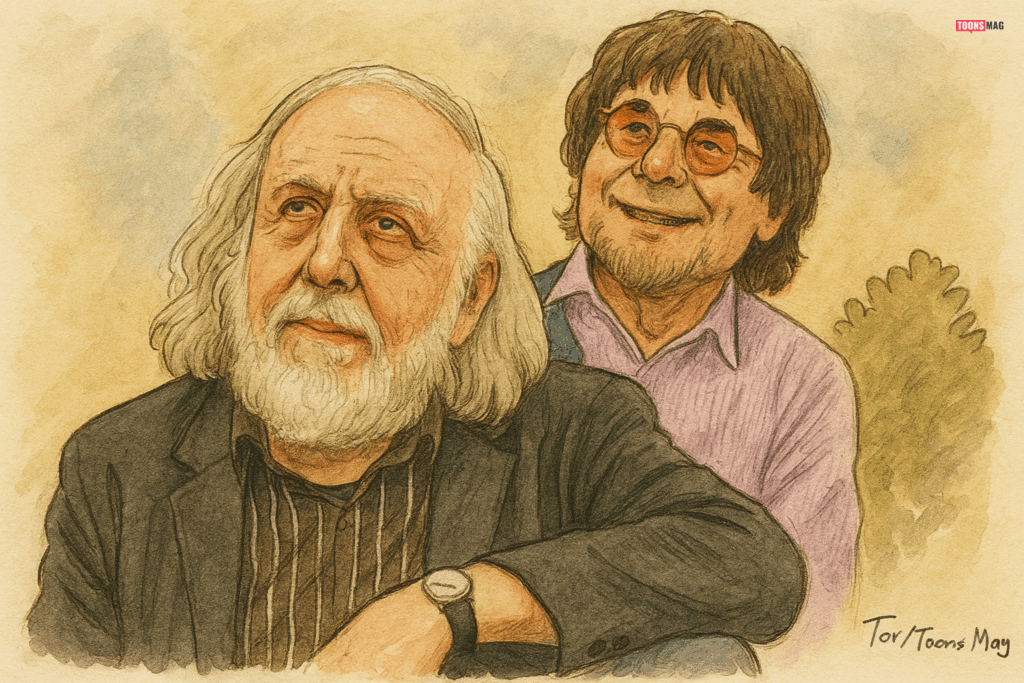
Honoré joined Charlie Hebdo in 1992, becoming one of its most respected contributors. His calm temperament and gentle wit made him a beloved figure within the editorial team.
Though less flamboyant than some of his peers, Honoré’s voice in Charlie Hebdo was essential: a moral compass who balanced satire with reflection. He often depicted intellectual and social absurdities rather than direct mockery, turning his pen toward universal human folly rather than partisan anger.
The last cartoon tweeted by Charlie Hebdo on 7 January 2015, minutes before the attack, was drawn by Honoré. It showed ISIS leader Abu Bakr al-Baghdadi sending New Year’s greetings with the caption:
“Best wishes, and above all, good health.”
The cartoon—ironic, understated, and poignant—would tragically become symbolic of his final moment.
Death in the Charlie Hebdo Attack
On the morning of 7 January 2015, two armed terrorists stormed the Charlie Hebdo offices in Paris, killing 12 people, including five of France’s most renowned cartoonists — Charb, Cabu, Wolinski, Tignous, and Honoré.
Honoré was critically wounded and died later that day in the hospital emergency room. He was 73 years old.
His death, like that of his colleagues, sparked an international outpouring of grief and solidarity, captured in the phrase “Je Suis Charlie” (“I Am Charlie”).

Publications and Illustration Work
Beyond journalism, Honoré was a prolific illustrator and author. His work extended into literary, scientific, and educational publishing, and he collaborated on a range of books, from social commentary to humor and fiction.
🖋️ Selected Illustrated Works
- Les Hommes du nucléaire (1984) – Josette Larchier-Boulanger
- Guide SVP de vos intérêts (1989, 1991, 1994) – Jean-Pierre de Monza (ed.)
- Le Paquet volé (1990) – Laurie Laufer
- Bestiaire (2002) – Alexandre Vialatte
- La Symphonie animale (2007) – Antonio Fischetti (Arte/Vuibert)
- Le Petit Larousse illustré (2010) – Larousse
- Comment attirer le wombat (2012) – Will Cuppy
📚 Graphic Albums and Collections
- Honoré (1985) – Un bon dessin vaut mieux qu’un long discours
- Cent rébus littéraires (2001)
- Vingt-cinq rébus littéraires en cartes postales (2003)
- Cent nouveaux rébus littéraires (2006)
- Je hais les petites phrases (2011)
- Ouvert le jour et la nuit (1995, with Rufus, Glénat)*
Honoré’s rébus littéraires combined humor, literature, and visual riddles, inviting readers to decipher hidden meanings—a perfect expression of his intellect and playfulness.

Artistic Legacy
Philippe Honoré’s contribution to French satire was profound but understated. He belonged to a generation that viewed cartooning as a form of moral and philosophical inquiry. His refined, humanist approach stood apart in a field often dominated by provocation.
Even among the Charlie Hebdo team—known for its loud irreverence—Honoré represented quiet dignity. His art spoke of reason amid chaos, empathy amid anger, and wit amid tragedy.
Today, his drawings are studied as part of France’s modern graphic heritage, and his legacy continues to inspire journalists, artists, and defenders of free expression worldwide.
“A drawing by Honoré was like a whisper — calm, intelligent, but impossible to ignore.”
— Le Monde, January 2015
Resting Place
Philippe Honoré’s ashes are interred at the Père Lachaise Cemetery in Paris, in a columbarium niche among other great French artists and thinkers.