

 Simon Cress

The Top 10 Cartoon Characters as Iconic Merchandise Brands: Cartoon characters have entertained audiences for over a century, but only a select few have achieved something far greater than screen success: they have become global merchandise brands. These characters exist not only in animated worlds but also in toy aisles, fashion collections, theme parks, school backpacks, kitchenware, digital marketplaces, and luxury collaborations. They are no longer just fictional creations—they are economic engines and cultural symbols.
The transformation of cartoon characters into merchandise brands did not happen by accident. It required distinctive visual design, emotional connection with audiences, strategic licensing, and the ability to evolve with changing consumer habits. From early tin toys and plush dolls to NFTs and high-fashion partnerships, cartoon merchandising has mirrored shifts in global culture and commerce.
This article explores the Top 10 Cartoon Characters as Iconic Merchandise Brands, examining how they moved beyond animation to define entire consumer ecosystems—and why their branding power continues to endure.
1. Mickey Mouse: The Trailblazer of Merchandising

No character in animation history has had a greater influence on merchandising than Mickey Mouse. Created in 1928 by Walt Disney and Ub Iwerks, Mickey was not only a revolutionary animated character but also the first cartoon figure to be systematically licensed for consumer products.
As early as 1930, Mickey Mouse appeared on watches, notebooks, figurines, and children’s clothing—an unprecedented move at the time. Disney recognized early that Mickey’s simple, instantly recognizable silhouette could transcend language and culture. This foresight laid the foundation for what would become the most powerful character-licensing empire in the world.
Over the decades, Mickey evolved alongside consumer trends. He appeared on wartime morale products, mid-century household items, 1980s fashion, and later high-end designer collaborations. Today, Mickey Mouse merchandise spans everything from toys and home décor to luxury apparel and digital collectibles.
Why Mickey Endures as a Brand:
Mickey Mouse represents trust, nostalgia, and timeless optimism—qualities that make him endlessly adaptable to new markets and generations.
2. Hello Kitty: A Global Sensation of Simplicity

Created by Sanrio in 1974, Hello Kitty redefined character merchandising through minimalism. With no visible mouth and a deliberately simple design, Hello Kitty was crafted to allow consumers to project their own emotions onto her.
Unlike many characters tied closely to a specific narrative, Hello Kitty functions primarily as a lifestyle brand. She has appeared on more than 50,000 licensed products worldwide, ranging from school supplies and cosmetics to luxury handbags and even airline branding.
Hello Kitty’s success lies in her versatility. She appeals to children, teenagers, and adults alike—particularly through fashion collaborations that blend cuteness with sophistication.
Why Hello Kitty Endures as a Brand:
She is not a character you watch—she is a brand you live with.
3. SpongeBob SquarePants: From Bikini Bottom to Store Shelves
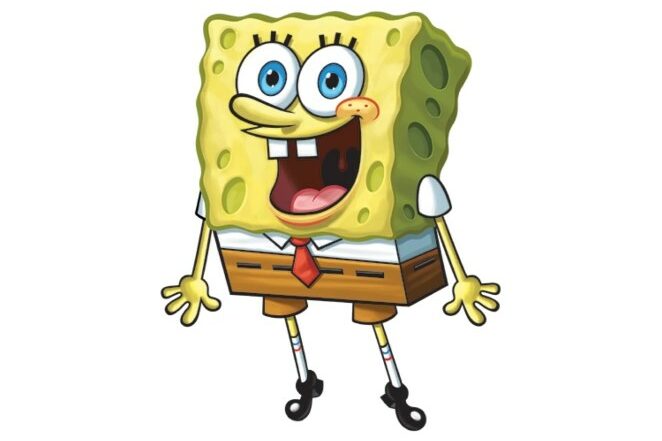
Since his debut in 1999, SpongeBob SquarePants has become one of the most commercially successful cartoon characters of the modern era. Created by Stephen Hillenburg, SpongeBob’s bright yellow design, exaggerated expressions, and quotable humor made him instantly marketable.
Nickelodeon quickly expanded SpongeBob into a merchandising juggernaut. His image appears on toys, apparel, food packaging, video games, stationery, and novelty items worldwide. SpongeBob’s popularity among both children and adults—especially through meme culture—has kept his merchandise relevant well into the digital age.
What distinguishes SpongeBob from many characters is his multi-generational appeal. Parents who grew up with the show now purchase SpongeBob merchandise for their own children.
Why SpongeBob Endures as a Brand:
His humor, optimism, and meme-friendly design make him endlessly reusable across media and products.
4. Pokémon: “Gotta Catch ’Em All” as a Merchandising Philosophy

Few franchises have matched the global merchandising power of Pokémon. What began as a video game and anime series in the mid-1990s rapidly evolved into one of the highest-grossing media franchises of all time.
At the center of Pokémon’s merchandise success is Pikachu, whose friendly design and emotional expressiveness turned him into a universal mascot. Pokémon merchandise spans trading cards, toys, clothing, accessories, home goods, electronics, and collectibles.
A key factor in Pokémon’s success is its collectibility model. The franchise encourages fans to engage continuously, making merchandise a core part of the experience rather than a secondary product.
Why Pokémon Endures as a Brand:
It transforms merchandising into participation, not just consumption.
5. Garfield: The Laziest (and Most Marketable) Cat

Created by Jim Davis in 1978, Garfield became one of the most widely syndicated comic strip characters in history—and a merchandising powerhouse soon followed.
Garfield’s appeal lies in his sarcasm, love of comfort, and disdain for responsibility. Unlike action-oriented cartoon characters, Garfield resonated strongly with adults, making him ideal for mugs, calendars, T-shirts, office décor, and novelty gifts.
Garfield merchandise thrived particularly in the 1980s and 1990s, when character-based humor products dominated gift culture.
Why Garfield Endures as a Brand:
He represents indulgence, comfort, and relatable cynicism—qualities that never go out of style.
6. Winnie the Pooh: A Timeless Merchandising Classic

Winnie the Pooh, created by A. A. Milne and later adapted by Disney, is one of the most emotionally resonant merchandising brands in animation history.
Pooh’s soft design, gentle personality, and philosophical simplicity make him ideal for plush toys, children’s books, nursery décor, clothing, and collectibles. Unlike high-energy characters, Pooh’s merchandise emphasizes warmth, safety, and emotional comfort.
Pooh also appeals strongly to parents and caregivers, making him a staple in early childhood merchandising worldwide.
Why Winnie the Pooh Endures as a Brand:
He represents emotional security and timeless innocence.
7. Bugs Bunny: “What’s Up, Doc?” and What’s in Stores

Bugs Bunny, Warner Bros.’ wise-cracking rabbit, is one of the earliest cartoon characters to succeed as a merchandise brand outside Disney.
Emerging in the late 1930s, Bugs’ cool confidence and rebellious humor made him popular among teenagers and adults—an unusual demographic for cartoon merchandising at the time.
Bugs Bunny merchandise has included apparel, collectibles, advertising campaigns, and crossover products, particularly during the peak of Looney Tunes popularity in the mid-to-late 20th century.
Why Bugs Bunny Endures as a Brand:
He represents clever defiance and cultural coolness.
8. The Simpsons: An Enduring Satirical Brand

Since its debut in 1989, The Simpsons has evolved into a full-fledged merchandising ecosystem. Created by Matt Groening, the show’s characters—Homer, Marge, Bart, Lisa, and Maggie—have appeared on thousands of products.
What sets The Simpsons apart is their adult-oriented branding. Merchandise often leans into satire, irony, and pop culture commentary, making it popular among older audiences.
From action figures and apparel to limited-edition collectibles and designer collaborations, The Simpsons merchandise reflects the show’s role as a cultural mirror.
Why The Simpsons Endure as a Brand:
They turn satire itself into a marketable identity.
9. Teenage Mutant Ninja Turtles: Heroes in a Merchandising Half-Shell

Created by Kevin Eastman and Peter Laird, the Teenage Mutant Ninja Turtles (TMNT) became one of the most successful toy-driven franchises of the 1980s and 1990s.
TMNT was revolutionary in how closely animation and merchandise were integrated. Action figures, vehicles, playsets, and accessories were central to the franchise’s success, supported by cartoons, comics, films, and video games.
Each turtle’s distinct personality and color coding made them ideal for differentiated products, encouraging collection.
Why TMNT Endure as a Brand:
They blend action, humor, and collectibility with precision.
10. Elsa and Anna (Frozen): Disney’s Modern Merchandising Queens

The release of Frozen in 2013 marked a new era of Disney merchandising. Elsa and Anna quickly became global icons, dominating toy sales, apparel, accessories, and home goods.
Elsa’s ice powers, flowing dress, and anthem “Let It Go” created a cultural phenomenon that translated directly into product demand. Unlike earlier princess merchandising, Frozen’s success extended strongly into older age groups.
Frozen merchandise also benefited from Disney’s modern global distribution infrastructure, making Elsa and Anna omnipresent in stores worldwide.
Why Elsa and Anna Endure as Brands:
They reflect modern values of empowerment, emotional honesty, and sibling bonds.
The Top 10 Cartoon Characters as Iconic Merchandise Brands: Why Cartoon Characters Become Merchandise Legends
Cartoon characters become iconic merchandise brands when they offer more than entertainment. They must provide identity, emotion, and adaptability. From Mickey Mouse’s pioneering licensing to Frozen’s modern dominance, these characters succeeded because they evolved with audiences and markets.
Merchandising is not just about selling products—it is about embedding characters into daily life. These ten icons demonstrate how animation, commerce, and culture intersect to create symbols that last for generations.
As media platforms expand and consumer habits shift toward digital and experiential products, one truth remains clear:
great cartoon characters are not just watched—they are worn, collected, shared, and remembered.
Read also
- The Top 10 Disney Cartoon Characters That Defined a Generation
- The Top 10 Cartoon Characters Who Became Internet Memes
- The Influence of Cartoon Characters on Fashion and Merchandise
- Cartoon Characters in Video Games: Mario, Sonic, and More
FAQs – The Top 10 Cartoon Characters Who Became Iconic Merchandise Brands
1. What criteria were considered in selecting this list’s top 10 cartoon characters?
The selection is based on the cultural impact, longevity, and success of cartoon characters in merchandise. Factors such as global recognition, merchandise sales, and enduring popularity were considered.
2. How did Mickey Mouse revolutionize character merchandising?
Mickey Mouse, created by Walt Disney, played a pivotal role in pioneering character merchandising. The character’s cheerful image became synonymous with Disney’s extensive merchandise empire, setting a precedent for future cartoon characters.
3. Why is Hello Kitty considered a global sensation in merchandise?
Hello Kitty’s universal appeal, characterized by a simple yet adorable design, has transcended cultural boundaries. The character’s presence on diverse products, from school supplies to fashion accessories, has contributed to its global success.
4. What makes SpongeBob SquarePants a successful merchandise brand?
SpongeBob SquarePants’ distinctive appearance and humorous adventures have seamlessly translated into various merchandise. The character’s relatability and popularity have contributed to the success of SpongeBob-themed products.
5. How did Pokémon evolve into a merchandising powerhouse?
Pokémon began as a video game and trading card franchise but quickly expanded into a merchandising phenomenon. With characters like Pikachu leading the way, Pokémon successfully entered various markets, including clothing, accessories, and household items.
6. What factors contribute to Garfield’s success as a merchandise brand?
Garfield’s sarcastic humor and relatable antics have made him a marketable character. His image adorns various products, from mugs to pajamas, reflecting the character’s enduring popularity.
7. Why is Winnie the Pooh considered a timeless merchandising classic?
Winnie the Pooh’s timeless appeal, rooted in A.A. Milne’s original stories and later popularized by Disney, has led to a wide range of merchandise. The character’s gentle and heartwarming nature continues to resonate with audiences of all ages.
8. How did Bugs Bunny become a trailblazer in cartoon character merchandising?
With his iconic catchphrase and memorable personality, Bugs Bunny became a merchandising trailblazer. His image on various products, including apparel and collectibles, reflects his status as a cultural phenomenon.
9. What contributed to the Teenage Mutant Ninja Turtles’ success in merchandising?
The Teenage Mutant Ninja Turtles’ success in animation and toy lines in the 1980s propelled them into a merchandising phenomenon. The crime-fighting turtles’ popularity extended to action figures, apparel, and even a successful film franchise.
10. How have Elsa and Anna from Frozen become modern merchandising queens?
Elsa and Anna, characters from Disney’s Frozen, represent the modern era of animated character merchandising. The global success of the Frozen franchise, including a wide range of products featuring the sisters, showcases the enduring power of animated characters in the merchandise market.
11. Are these characters still relevant in today’s merchandise market?
Yes, many of these characters remain highly relevant. While some have a rich history of merchandise success, others, like Elsa and Anna, represent the modern era of animated character merchandising, demonstrating their continued appeal across generations.
12. Are there other notable cartoon characters significantly impacting merchandise?
While these are ten of the most iconic, numerous other cartoon characters have substantial merchandise success. The industry is vast, and characters like Snoopy, Batman, and Spider-Man have also left a considerable mark on merchandising.
13. How do these characters contribute to popular culture beyond merchandise?
These characters have become cultural phenomena, influencing popular culture through various mediums. Beyond merchandise, they have impacted literature, film, television, and even societal perceptions, making them enduring symbols with a far-reaching cultural impact.
This post was created with our nice and easy submission form. Create your post!







8 Comments