



 Simon Alexander

Dogs have been humanity’s loyal companions for thousands of years, so it’s no wonder that they’ve become central figures in animation and comics. Unlike human characters—who may be bound by logic or social expectations—cartoon dogs are free to be goofy, heroic, emotional, mischievous, or outright philosophical. They embody the qualities we admire in real dogs: loyalty, humor, bravery, and unconditional love.
In this expanded deep dive, we celebrate 10 iconic cartoon dogs whose personalities, stories, and cultural impact have made them unforgettable. These canine characters have shaped generations of storytelling, inspired merchandise empires, and showcased how animated animals can evoke deep human emotion.
1. Snoopy (Peanuts): The Dreamer, the Ace, the Icon

Created By: Charles M. Schulz (1950)
Medium: Comic strip, TV specials, films
Legacy: One of the world’s most recognizable cartoon characters
Snoopy is much more than Charlie Brown’s pet—he is a cultural phenomenon. With his rich inner world, Snoopy effortlessly switches between alter egos: the World War I Flying Ace battling the Red Baron, Joe Cool the campus icon, or a celebrated novelist beginning all his works with “It was a dark and stormy night…”.
Inspired by Schulz’s childhood dog Spike, Snoopy represents imagination in its purest form. His ability to stand apart from the human characters—while still deeply connected to Charlie Brown—makes him the emotional heartbeat of Peanuts.
Snoopy’s global fame has eclipsed that of many human comic characters, gracing everything from NASA patches to international merchandise. He remains a timeless reminder of the joy of dreaming big.
2. Scooby-Doo: The Snack-Loving Mystery Solver

Created By: Joe Ruby & Ken Spears (1969)
Medium: Animated series, films, comics
Legacy: One of the most enduring characters in TV animation
Scooby-Doo is the charismatic, cowardly Great Dane who helped define mystery-comedy storytelling for over five decades. Alongside Shaggy and the Mystery Inc. gang, Scooby helps unmask villains—usually by accident—while delivering slapstick humor and iconic catchphrases (“Scooby-Dooby-Doo!”).
Part of Scooby’s timeless charm is his relatability. He loves food, fears ghosts, sticks close to his friends, and always rises to the occasion when it matters most. From classic television syndication to modern reboot films, Scooby remains a universally beloved canine comedian.
3. Goofy: Disney’s Lovable, Clumsy Everydog

Created By: Walt Disney Productions (1932)
Medium: Animated shorts, films, TV series
Legacy: A pillar of Disney’s character universe
Goofy stands out as one of animation’s most endearing personalities. Although anthropomorphic, his core traits—clumsiness, optimism, and good-natured charm—reflect the essence of a loyal dog with humanlike warmth. His signature laugh (“hyuck!”) and absurd mishaps have defined his character for nearly a century.
Goofy’s evolution—from comedic side character to devoted father in A Goofy Movie—also highlights Disney’s strength in developing emotionally resonant characters. He’s silly, sincere, and deeply human in the ways he tries—and fails, and tries again.
4. Clifford the Big Red Dog: A Gentle Giant of Childhood

Created By: Norman Bridwell (1963)
Medium: Children’s books, TV shows, films
Legacy: Scholastic’s official mascot and a symbol of childhood kindness
Clifford’s appeal lies not in complexity but in heart. As an enormous, bright-red dog, he becomes a metaphor for unconditional love and friendship. His adventures with Emily Elizabeth center around kindness, responsibility, and learning to navigate the world when you’re different.
Clifford’s stories have been translated into dozens of languages, cementing his place as a global companion for early readers. His gentle nature has made him an emblem of wholesome, educational storytelling.
5. Pluto: Disney’s Original Loyal Companion
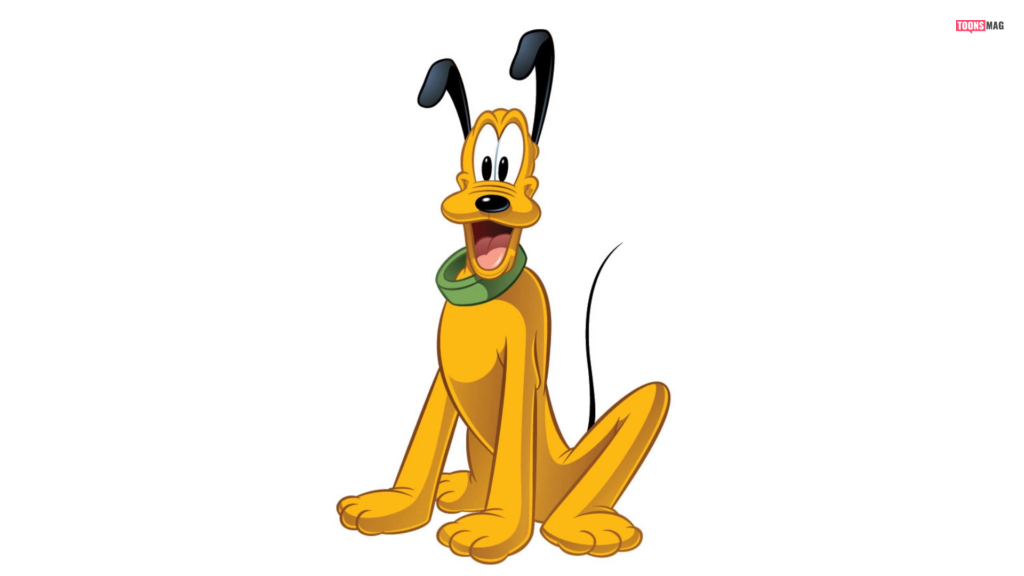
Created By: Walt Disney Productions (1930)
Medium: Animated shorts, films, crossover appearances
Legacy: One of Disney’s earliest recurring animal characters
Unlike Goofy, Pluto is a non-anthropomorphic dog—expressive without speech. His charm comes from body language, facial expressions, and pure devotion to Mickey Mouse. Pluto’s mischievous curiosity and courage often place him at the center of humorous adventures.
As one of the earliest animated dogs, Pluto helped establish how expressive animal characters could be without dialogue—an important milestone in animation history.
6. Dug (Up): The Dog Who Speaks From the Heart

Created By: Pete Docter & Pixar Animation Studios (2009)
Medium: Up, shorts, series (Dug Days)
Legacy: A modern symbol of innocence and loyalty
Dug is what every dog owner imagines their pet might say if given the chance. With the help of his high-tech translating collar, Dug expresses raw authenticity: joy, distraction (“Squirrel!”), and unwavering affection for Carl and Russell.
His simplicity and emotional transparency made Dug one of Pixar’s most lovable creations. A dog who speaks like a dog—genuinely and wholeheartedly—offers a refreshing contrast to more stylized cartoon animals.
7. Brian Griffin (Family Guy): The Sophisticated Cynic

Created By: Seth MacFarlane (1999)
Medium: Animated sitcom
Legacy: A satirical twist on the cartoon dog archetype
Brian Griffin is far from a typical cartoon dog. He drives a car, writes novels, drinks martinis, and engages in philosophical debates. As Stewie’s best friend and occasional moral compass, Brian represents a modern, ironic take on the animated canine.
His character often navigates existential crises, career failures, and romantic misadventures—blending humor with surprisingly introspective storylines. Brian’s complexity reflects the evolution of adult animation.
8. Huckleberry Hound: The Laid-Back Trailblazer

Created By: Hanna-Barbera (1958)
Medium: The Huckleberry Hound Show
Legacy: First animated series to win an Emmy (1960)
With his relaxed demeanor and Southern drawl, Huck Hound became a household favorite in the early days of television animation. His “Oh my darlin’…” singing and unshakable optimism made him instantly recognizable.
Huckleberry Hound broke new ground when his series won an Emmy Award—proving that animated television could achieve critical acclaim, not just commercial success.
9. Astro (The Jetsons): The Space-Age Best Friend

Created By: Hanna-Barbera (1962)
Medium: The Jetsons
Legacy: A futuristic twist on the loyal family dog
Astro brought warmth to the Jetson household, combining Great Dane goofiness with space-age charm. His humorous speech patterns (“Ruh-roh!”) and affectionate loyalty toward George Jetson made him an essential part of the futuristic family dynamic.
Astro remains one of the most memorable examples of how dogs can adapt to any narrative world—even the 21st-century outer-space suburbia imagined in the 1960s.
10. Spike (Tom and Jerry): The Tough-But-Tender Guardian
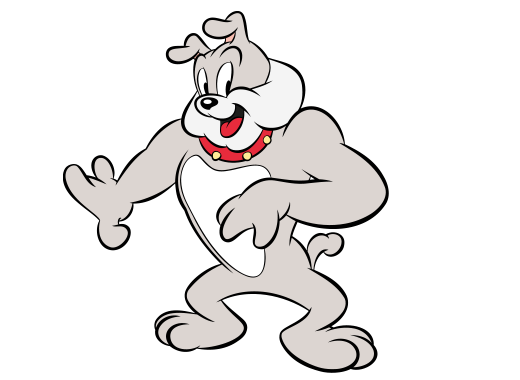
Created By: William Hanna & Joseph Barbera (1942)
Medium: Tom and Jerry series
Legacy: A beloved supporting character with emotional depth
Spike the bulldog is often remembered for his intimidating presence—but his tenderness toward his son Tyke reveals a softer side. While he frequently intervenes in Tom and Jerry’s battles, Spike stands out as a rare blend of toughness, loyalty, and paternal affection.
His character shows that even in slapstick chaos, cartoon animals can portray genuine family dynamics.
Why Cartoon Dogs Continue to Capture Our Hearts
1. They embody qualities people admire.
Loyalty, bravery, humor, optimism—dogs represent the best parts of us.
2. They transcend cultural boundaries.
Dog behaviors are universally recognizable, making cartoon dogs globally relatable.
3. They adapt to any genre.
Comedy (Scooby-Doo), surrealism (Snoopy’s fantasies), science fiction (Astro), or emotional storytelling (Dug)—dogs fit everywhere.
4. They invite emotional connection.
Animated dogs often reflect our relationships with real pets, deepening audience affection.
The creative community showcased on platforms like Cartoonist Network, which unites artists in 8+ languages across the world, continues to honor and reinvent the storytelling role of dogs in comics and animation.
Our Animated Best Friends
These ten cartoon dogs have become more than characters—they are cultural companions. They teach lessons, inspire laughter, reveal emotional truths, and remind us of the bond humans share with dogs. From classic slapstick to heartfelt Pixar storytelling, these canine icons continue to influence generations of viewers and creators.
Whether chasing mysteries, protecting their families, embarking on cosmic adventures, or pondering life with a martini in hand, cartoon dogs remain timeless symbols of joy and loyalty.
10 Famous Cartoon Dogs
This post was created with our nice and easy submission form. Create your post!






2 Comments