

 Anto Mario

Cartoons as Social Commentary: For as long as societies have grappled with power, inequality, injustice, and contradiction, artists have sought ways to speak truth to authority. Among the most enduring and effective of these methods is the cartoon. Whether etched into 18th-century prints, inked onto newspaper pages, animated for television, or shared instantly through digital platforms, cartoons have functioned as one of the most potent tools of social commentary ever created.
Cartoons distill complex realities into deceptively simple images. Through exaggeration, humor, satire, and symbolism, they expose hypocrisy, challenge dominant narratives, and provoke audiences to think critically about the world around them. Unlike lengthy essays or academic treatises, cartoons communicate across literacy levels, languages, and cultures. A single image can convey what thousands of words cannot.
This article explores cartoons as social commentary across history and media, examining how they work, why they endure, and how they continue to shape public consciousness in the 21st century.
Introduction: Why Cartoons Matter in Society
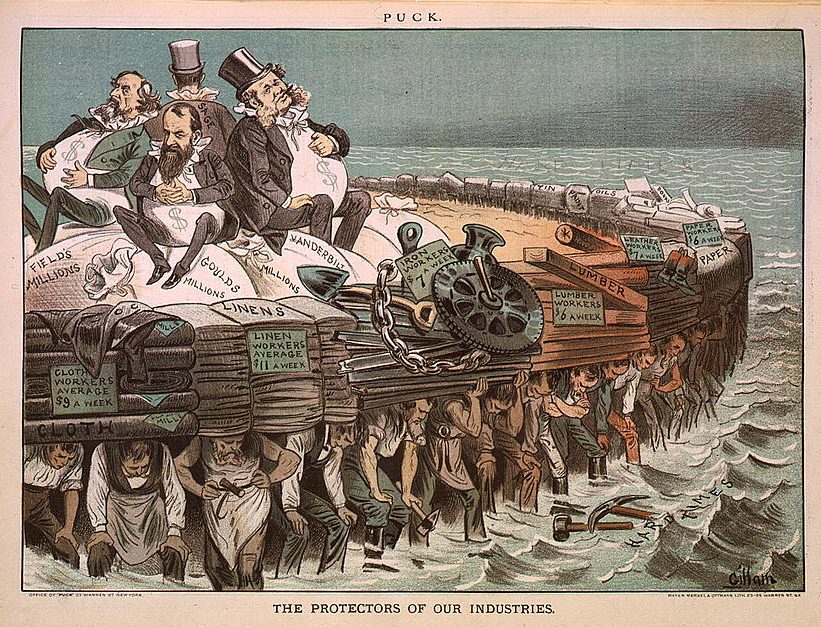
Cartoons are often underestimated. Because they are humorous, stylized, or associated with children’s entertainment, they are sometimes dismissed as lightweight or unserious. Yet history repeatedly proves the opposite: cartoons have toppled reputations, fueled reform movements, challenged empires, and given voice to the voiceless.
At their core, cartoons are interpretive acts. They do not merely depict reality; they frame it, selecting details, exaggerating traits, and guiding viewers toward insight or judgment. This interpretive power is precisely what makes cartoons so effective—and sometimes controversial—as social commentary.
From editorial cartoons critiquing political corruption to animated series unpacking mental health, capitalism, racism, environmental collapse, and identity, cartoons occupy a unique intersection between art, journalism, activism, and storytelling.
A Brief History of Cartoons as Social Critique
Early Visual Satire and Moral Illustration
Long before modern newspapers or animation, visual satire existed in the form of woodcuts, engravings, and illustrated pamphlets. In societies where literacy was limited, images served as powerful tools for mass communication.
William Hogarth and Moral Satire
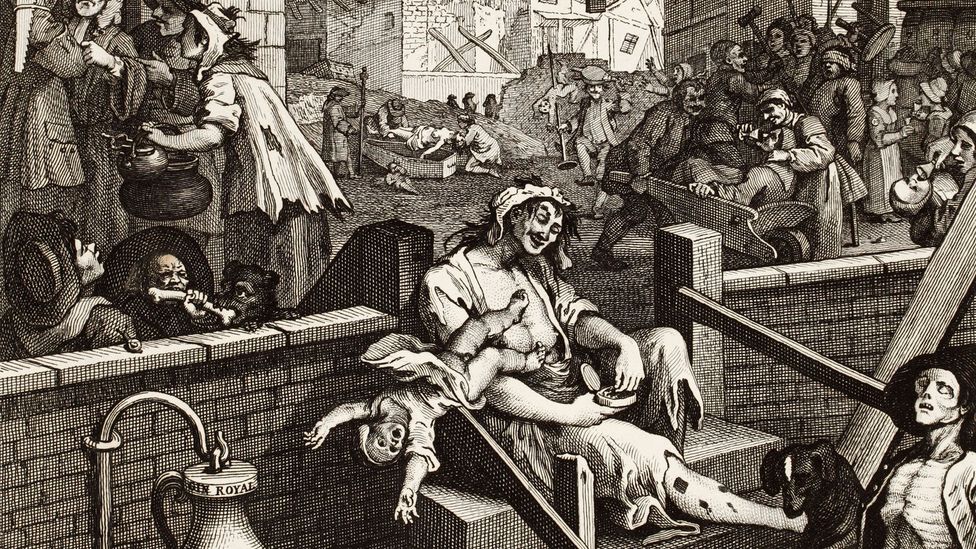
One of the earliest masters of social commentary through illustration was William Hogarth (1697–1764). His series Gin Lane (1751) and Beer Street contrasted moral decay with social responsibility. Gin Lane portrayed urban poverty, addiction, neglect, and death with shocking clarity. Hogarth did not rely on subtlety—he wanted viewers to feel disturbed.
His work demonstrated a crucial principle that remains true today: cartoons can educate by unsettling audiences emotionally.
The Rise of Political Cartoons in the 19th Century
Thomas Nast and the Power of Visual Politics
The modern political cartoon took shape in the 19th century, particularly through the work of Thomas Nast in the United States. Nast’s illustrations shaped public opinion on slavery, corruption, nationalism, and democracy.
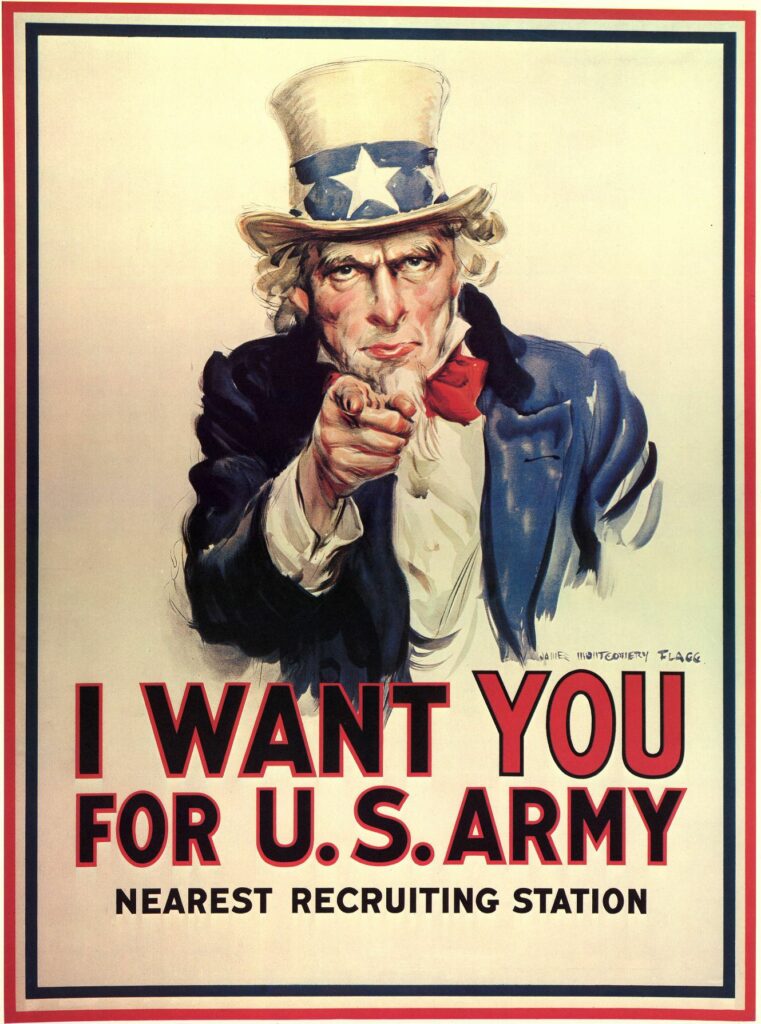
He gave enduring visual form to symbols like Uncle Sam, the Republican elephant, and the Democratic donkey—icons still used today. More importantly, his relentless cartoons against New York political boss William “Boss” Tweed helped mobilize public outrage and contributed directly to Tweed’s downfall.
This era established a defining function of cartoons: accountability through ridicule.
Satire: The Cartoonist’s Sharpest Weapon
Satire is the defining language of cartooning. More than humor, it is a method of truth-telling that disguises critique as play. Throughout history, cartoonists have relied on satire not simply to entertain, but to expose hypocrisy, confront power, and articulate ideas that might otherwise be suppressed.
Unlike direct argument, satire does not demand agreement. It invites recognition.
What Is Satire, and Why Does It Work?
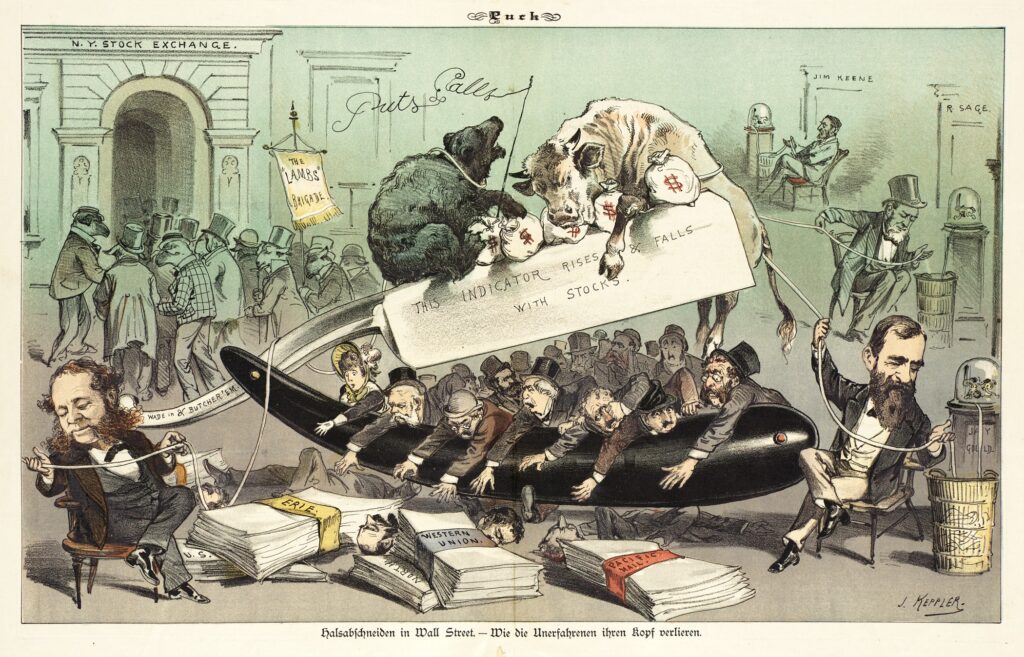
Satire operates through indirection. Rather than stating a position explicitly, it reveals contradictions by exaggerating them. In cartoons, satire most often functions through a combination of visual and narrative strategies:
- Exaggerating physical traits (caricature)
By distorting faces, bodies, or gestures, cartoonists make internal qualities—greed, arrogance, cruelty—visibly legible. - Juxtaposing ideals with reality
Democratic slogans placed beside authoritarian behavior, corporate branding contrasted with environmental destruction—these visual collisions force viewers to confront dissonance. - Exposing contradictions in power structures
Satirical cartoons often highlight the gap between what institutions claim to be and how they actually operate. - Making the “invisible” visible
Systems such as inequality, surveillance, or bureaucratic indifference become concrete when personified or symbolized.
Satire works because it lowers psychological defenses. People are more open to reflection when they are laughing. Humor bypasses resistance, allowing uncomfortable truths to land gently—or sometimes sharply—without immediate rejection. In this way, laughter becomes not an endpoint, but a gateway to critical thought.
Why Satire Thrives Under Pressure
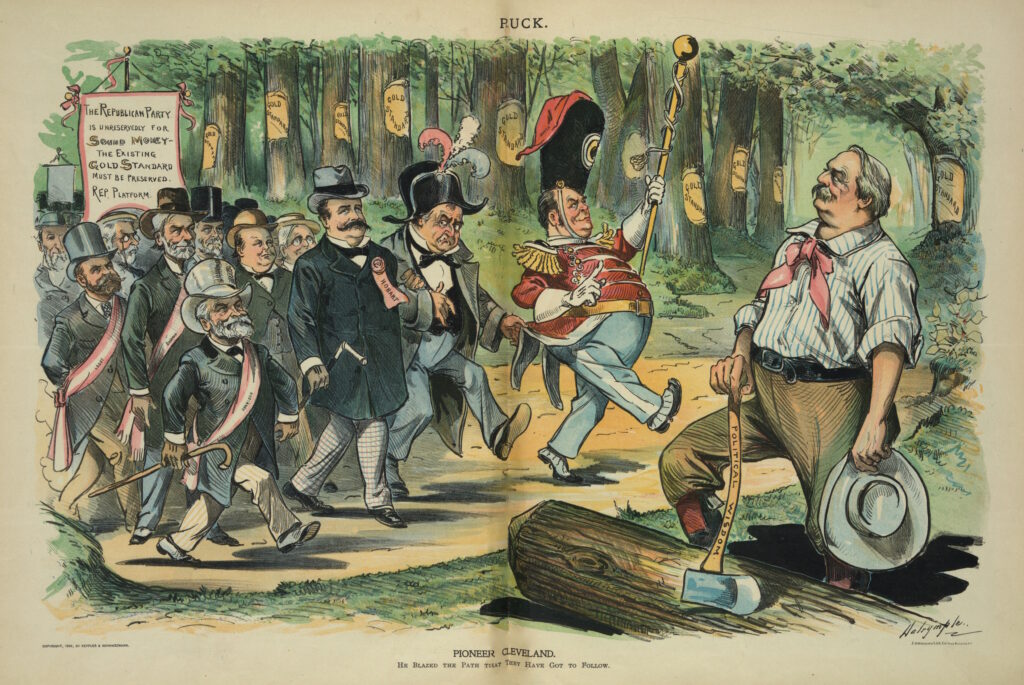
Historically, satire flourishes during moments of crisis, repression, and transformation. When societies experience political instability, war, censorship, or rapid cultural change, cartoonists often become unofficial chroniclers of dissent.
Under authoritarian regimes or during wartime, direct criticism may be dangerous or forbidden. Satire offers plausible deniability. A cartoon can be dismissed as “just a joke,” even when its meaning is widely understood.
This ambiguity gives satire its protective power. It allows cartoonists to speak in codes that audiences learn to read fluently. As a result, cartoons have thrived:
- Under colonial rule
- During totalitarian regimes
- In wartime propaganda and counter-propaganda
- Amid civil rights struggles and revolutionary movements
Satire becomes a shared language of resistance, one that relies on collective intelligence rather than explicit slogans.
Editorial Cartoons: Journalism in Visual Form
A Unique Role in the News Ecosystem
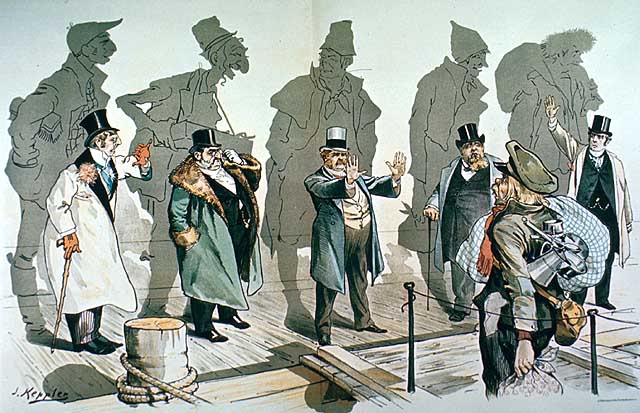
Editorial cartoons occupy a singular position in journalism. They are not reports of events, nor are they neutral observations. They are arguments—compressed into images.
Unlike written editorials, cartoons communicate simultaneously on emotional, symbolic, and intellectual levels. A single frame can combine metaphor, accusation, irony, and empathy.
A strong editorial cartoon typically:
- Assumes audience intelligence, trusting viewers to decode symbolism
- Encourages interpretation, rather than delivering a single “correct” reading
- Sparks debate, often provoking discomfort instead of closure
Because of this density, editorial cartoons often outlive the news cycle that inspired them, remaining relevant as historical documents of public sentiment.
Contemporary Editorial Cartoonists
Modern editorial cartoonists continue this tradition globally, addressing urgent issues such as:
- War and geopolitics
- Climate change and ecological collapse
- Economic inequality and corporate power
- Migration, borders, and refugees
- Surveillance, data capitalism, and AI
In the digital era, editorial cartoons are no longer confined to newspapers. Shared instantly across social platforms, they can reach audiences far larger—and more diverse—than traditional editorials.
However, this visibility also increases risk, as cartoons are more easily decontextualized, misunderstood, or weaponized.
Animated Television as Long-Form Social Commentary
While editorial cartoons deliver rapid-fire critique, animated television allows satire to unfold over years, building complex worlds that reflect real societies in exaggerated form.
The Simpsons: Satire as Cultural Archive
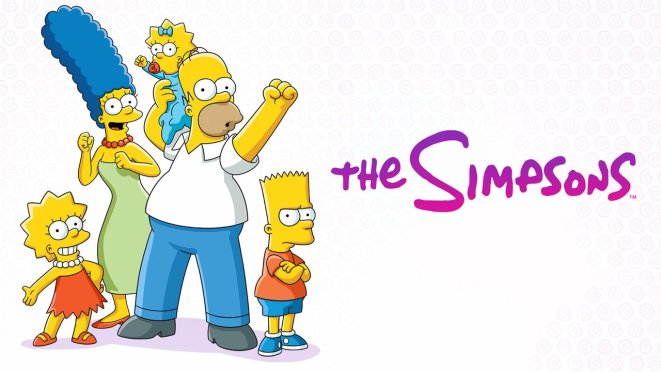
Premiering in 1989, The Simpsons fundamentally altered perceptions of what animated television could achieve. While often described as a sitcom, the series functions as a long-running cultural archive of American life.
Through the fictional town of Springfield, The Simpsons has critiqued:
- Corporate greed and labor exploitation
- Political incompetence and corruption
- Media sensationalism and moral panic
- Religious hypocrisy and institutional decay
- Consumerism and identity commodification
What gives The Simpsons its longevity is adaptability. As society changes, the show recalibrates its targets while maintaining core themes: skepticism of authority, empathy for human weakness, and distrust of easy answers.
South Park: Aggressive Satire and Cultural Provocation

South Park represents a more confrontational approach to satire. Its creators use shock, profanity, and deliberate offensiveness as tools to expose what they perceive as ideological hypocrisy across political and cultural divides.
Rather than softening critique, South Park amplifies it to the point of discomfort. This strategy forces audiences to confront their own assumptions and inconsistencies.
While deeply polarizing, South Park illustrates a crucial principle: animation can articulate extremes that live-action often cannot, precisely because its artificiality creates distance.
Cartoons and Mental Health: Telling Difficult Truths
BoJack Horseman and Emotional Realism

One of the most significant modern examples of cartoons as social commentary is BoJack Horseman. Beneath its absurd premise—anthropomorphic animals navigating Hollywood—the series delivers a sustained examination of:
- Depression and self-loathing
- Addiction and relapse
- Celebrity culture and hollow validation
- Generational trauma and emotional inheritance
Animation allows BoJack Horseman to externalize internal states—turning depression into visual emptiness, addiction into cyclical patterns, and fame into surreal alienation.
The emotional distance created by animation paradoxically enables greater honesty. Viewers can engage with painful realities without becoming overwhelmed, proving that cartoons can handle themes traditionally reserved for “serious” drama.
Environmental Commentary Through Animation
Wall-E and Ecological Warning
Pixar’s Wall-E demonstrates how animation can communicate environmental critique with remarkable clarity. Through near-silent storytelling, the film depicts a future shaped by unchecked consumption, automation, and environmental neglect.
The message is unmistakable yet never preachy: human convenience has consequences.
Animation enables filmmakers to visualize long-term outcomes of ecological behavior—turning abstract data into emotionally resonant imagery.
Why Cartoons Are Effective for Environmental Messaging
Environmental crises are often gradual, complex, and difficult to visualize. Cartoons simplify these realities without trivializing them by:
- Personifying abstract forces
- Compressing timelines
- Creating emotional identification
This makes environmental issues accessible to broad audiences, especially younger viewers, without requiring scientific literacy.
Identity, Representation, and Diversity in Cartoons
Challenging Stereotypes
Historically, cartoons have often reinforced harmful stereotypes related to race, gender, nationality, and ability. However, modern creators increasingly use the medium to challenge bias rather than perpetuate it.
Cartoons today serve as testing grounds for inclusive storytelling—precisely because animation allows for metaphor, abstraction, and imaginative flexibility.
Steven Universe and Inclusive Storytelling
Steven Universe broke new ground by centering themes rarely explored in children’s animation:
- Gender fluidity
- LGBTQ+ relationships
- Emotional vulnerability
- Nonviolent conflict resolution
By embedding these ideas within fantasy, music, and humor, the series normalized conversations once considered taboo. Rather than framing difference as conflict, it presented diversity as a source of strength and empathy.
Political Cartoons and Free Speech
The Risks Cartoonists Face
Cartoonists have historically faced censorship, imprisonment, exile, and even death for their work. This reality underscores the power cartoons hold—and the threat they pose to authoritarian systems.
Political cartoons condense dissent into imagery that spreads rapidly and resists suppression. A single image can undermine years of propaganda.
Cartoons as Democratic Tools
In healthy democracies, cartoons function as pressure valves—allowing citizens to question authority through humor. In fragile or authoritarian societies, they become acts of resistance.
The difference lies not in the cartoon itself, but in the political context surrounding it.
Why Cartoons Endure in the Digital Age
Despite constant technological change, cartoons remain relevant because they adapt. Memes, webcomics, animated shorts, and social media illustrations are all descendants of traditional cartooning.
What has changed is speed. Cartoons now respond to events in real time, shaping discourse within hours rather than days.
Yet the core principles—compression, symbolism, exaggeration—remain unchanged.
The Psychology Behind Cartoon Impact
Cartoons engage both emotion and cognition. Visual metaphors bypass rational defenses, allowing messages to land intuitively before being processed intellectually.
This dual engagement makes cartoons particularly effective for:
- Persuasion
- Awareness-building
- Moral reflection
Cartoons do not demand agreement; they invite recognition.
Criticism and Responsibility
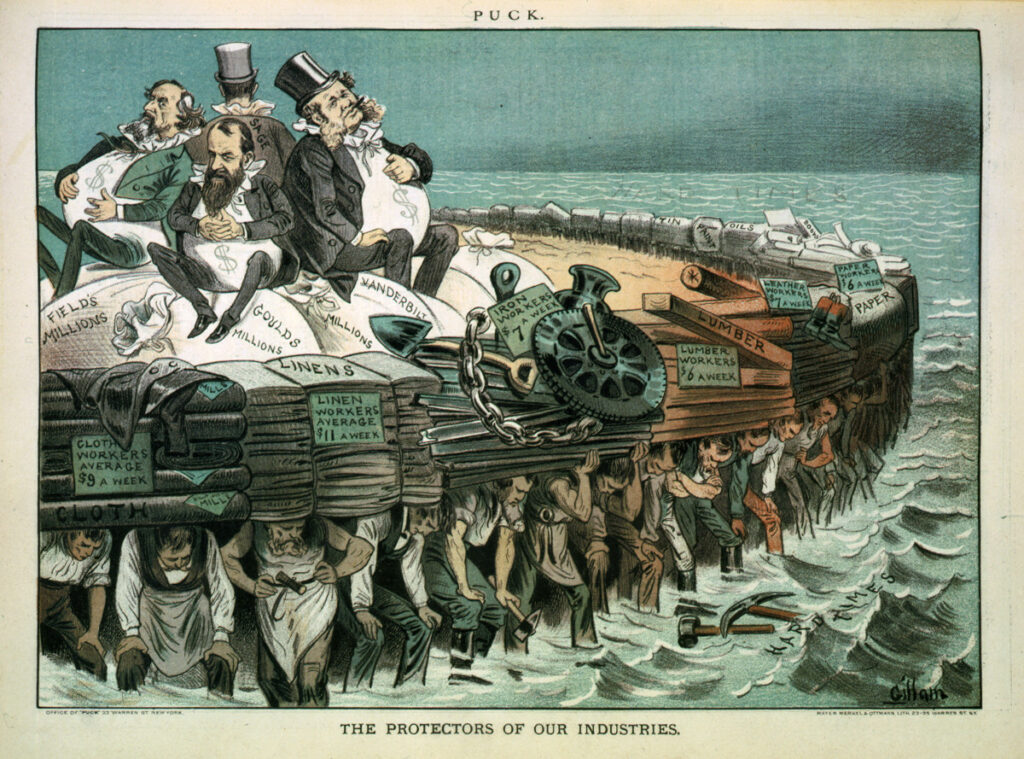
With power comes responsibility. Cartoons can oversimplify, mislead, or dehumanize. Ethical cartooning requires awareness of:
- Context
- Audience interpretation
- Power dynamics
Responsible cartoonists punch up, not down—challenging institutions and authority rather than reinforcing prejudice.
Cartoons as Social Commentary: Cartoons as the Conscience of Society
Cartoons are not distractions from serious issues. They are one of the most serious forms of cultural expression available.
Their ability to compress truth, humor, and critique into accessible imagery makes them indispensable in public discourse. In an era of information overload, cartoons cut through noise. They invite us to laugh—but also to think, question, and care.
From Hogarth’s engravings to animated series and digital memes, cartoons continue to serve as society’s visual conscience—reminding us that sometimes, the most profound truths are drawn, not written.
Final Reflection
As long as power exists, cartoons will challenge it.
As long as injustice persists, artists will sketch resistance.
And as long as humanity seeks to understand itself, cartoons will remain one of our clearest mirrors.
FAQs about Cartoons as Social Commentary: Exploring Satire and Themes
Cartoons often serve as a medium for satire and social commentary, allowing artists to comment on various societal issues in a humorous or thought-provoking way.
The tradition of using cartoons for social commentary can be traced back several centuries, with early examples appearing in political pamphlets and newspapers.
Cartoons often tackle politics, inequality, discrimination, and cultural norms, shedding light on important societal issues.
Renowned cartoonists like Charles Schulz, Herblock, and Garry Trudeau have significantly contributed to social commentary through their cartoons.
5. How do cartoons use satire to convey their messages?
Satire in cartoons involves using humor, irony, or exaggeration to criticize or mock aspects of society, often highlighting absurdities or contradictions.
Yes, cartoons have the potential to reach a broad audience and raise awareness about pressing social issues, making them an influential form of commentary.
7. Are any historical examples of cartoons influencing public opinion or policy?
Yes, historical cartoons have shaped public opinion and influenced policy decisions, especially during social change.
8. How do cartoons maintain their relevance in today’s digital age?
Cartoonists have adapted to the digital age by sharing their work on social media and online platforms, reaching a global audience instantly.
Some cartoons have faced controversies or censorship when their content challenges established norms or powerful interests.
Absolutely, cartoons have the potential to inspire positive social change by encouraging critical thinking, empathy, and discussions about important societal issues.
This post was created with our nice and easy submission form. Create your post!







2 Comments