

 Sondre Borg

Exploring the Legacy of Cartoon Creators: Cartoons are more than just entertainment—they’re a window into creativity, imagination, and cultural transformation. The pioneering minds behind iconic animated creations have not only shaped the way we view animation but also influenced generations of artists, storytellers, and audiences worldwide. From the groundbreaking vision of Walt Disney to the irreverent humor of Matt Groening, the legacy of cartoon creators spans decades and continues to impact popular culture in profound ways. In this in-depth exploration, we delve into the contributions of these creative giants, examining how their work has defined an art form and inspired millions.
1. The Magic Behind Animated Storytelling
Cartoon creators have long been at the forefront of innovation, merging storytelling, art, and technology to create magical experiences. Their work goes far beyond entertainment—it has sparked cultural shifts, redefined genres, and built emotional connections with audiences. This article takes you on a journey through the lives and legacies of some of the most influential figures in animation history, revealing how they broke barriers and set the stage for future generations.
2. The Pioneering Era: Walt Disney’s Vision
2.1 The Birth of a Dream
Walt Disney’s name is synonymous with animation. In the early 20th century, Disney revolutionized the industry by creating characters and stories that resonated with audiences around the globe. His innovative techniques, from synchronized sound in Steamboat Willie to the first full-length animated feature in Snow White and the Seven Dwarfs, set new standards for quality and storytelling in animation.
2.2 Building an Empire: Disneyland and Beyond
Disney’s legacy is not confined to films. He extended his vision into theme parks, most notably with Disneyland—a place where the magic of his cartoons became a tangible, immersive experience. This pioneering move transformed the way audiences interact with fictional worlds, creating an emotional bridge between storytelling and real-life adventure.
2.3 The Power of Innovation and Perseverance
At its core, Walt Disney’s success was built on a relentless pursuit of innovation. His willingness to take risks—investing in new technologies and narrative styles—paved the way for countless animators. Today, his influence is evident in every corner of the animation industry, inspiring creators to dream big and push the boundaries of what’s possible.
3. The Evolution of Animation: From Hand-Drawn to Digital Mastery
3.1 The Transformation of Techniques
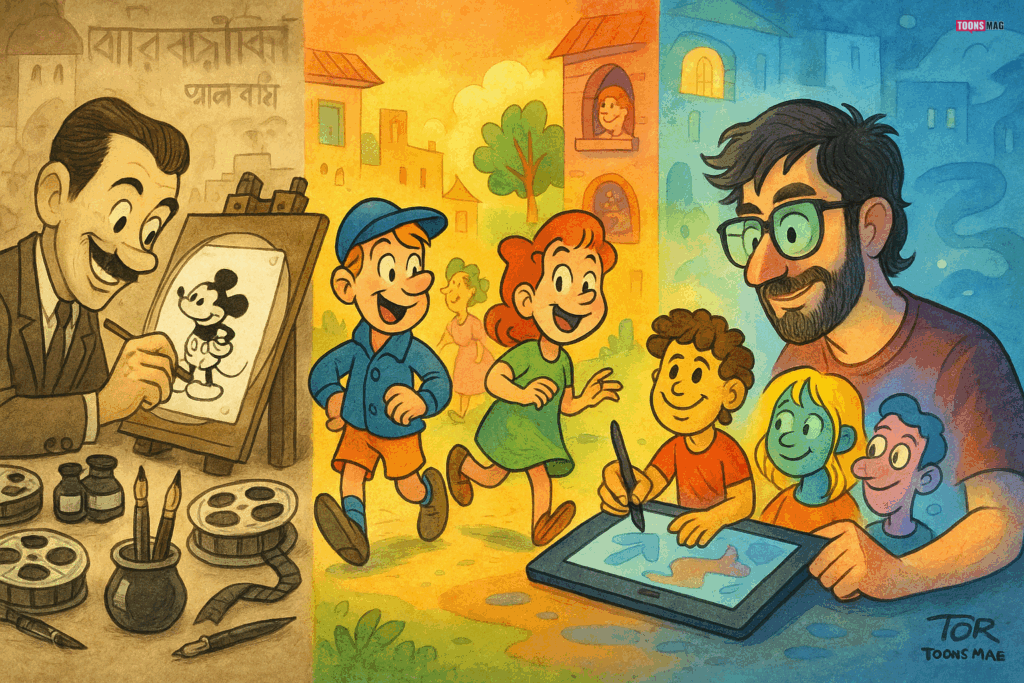
Over the decades, the art of animation has undergone dramatic transformations. Early hand-drawn techniques, pioneered by creators like Disney, have evolved into the digital masterpieces we see today. The shift to digital tools has allowed for greater detail, smoother animation, and more dynamic storytelling, expanding the creative possibilities for artists around the world.
3.2 The Role of Storytelling in Changing Media
Animation has always been about storytelling. As technology evolved, so did the methods of conveying complex narratives. Digital animation offers a richer palette of colors, effects, and textures, enabling creators to craft visually stunning worlds. This evolution has helped animation remain relevant, engaging new generations of viewers while preserving the classic charm of hand-drawn art.

4. The Countercultural Wave: Matt Groening and the Rise of Satirical Animation
4.1 A New Kind of Humor
While Walt Disney’s creations embodied wonder and optimism, Matt Groening brought a fresh, irreverent voice to animation. Groening’s work, most notably The Simpsons, redefined cartoon comedy with its satirical edge, biting social commentary, and a willingness to tackle controversial topics. His unique approach resonated with audiences who craved humor that mirrored the complexities of modern life.
4.2 The Simpsons: A Cultural Phenomenon
Since its debut, The Simpsons has grown into a global cultural phenomenon. The show’s clever blend of humor, satire, and heartfelt moments has allowed it to remain relevant for decades. Groening’s creation not only entertained millions but also influenced language, behavior, and even public discourse, proving that animation can be both hilarious and thought-provoking.
4.3 Impact on Future Generations of Animators
Matt Groening’s fearless approach has paved the way for a new wave of animated series that break from traditional norms. His influence is seen in countless shows that blend satire with storytelling, encouraging creators to experiment with unconventional humor and to question societal standards. Groening’s legacy continues to inspire those who believe that cartoons can be a mirror to society’s triumphs and tribulations.

5. Bridging Eras: How Legacy Creators Inspire New Voices
5.1 A Continuum of Creativity
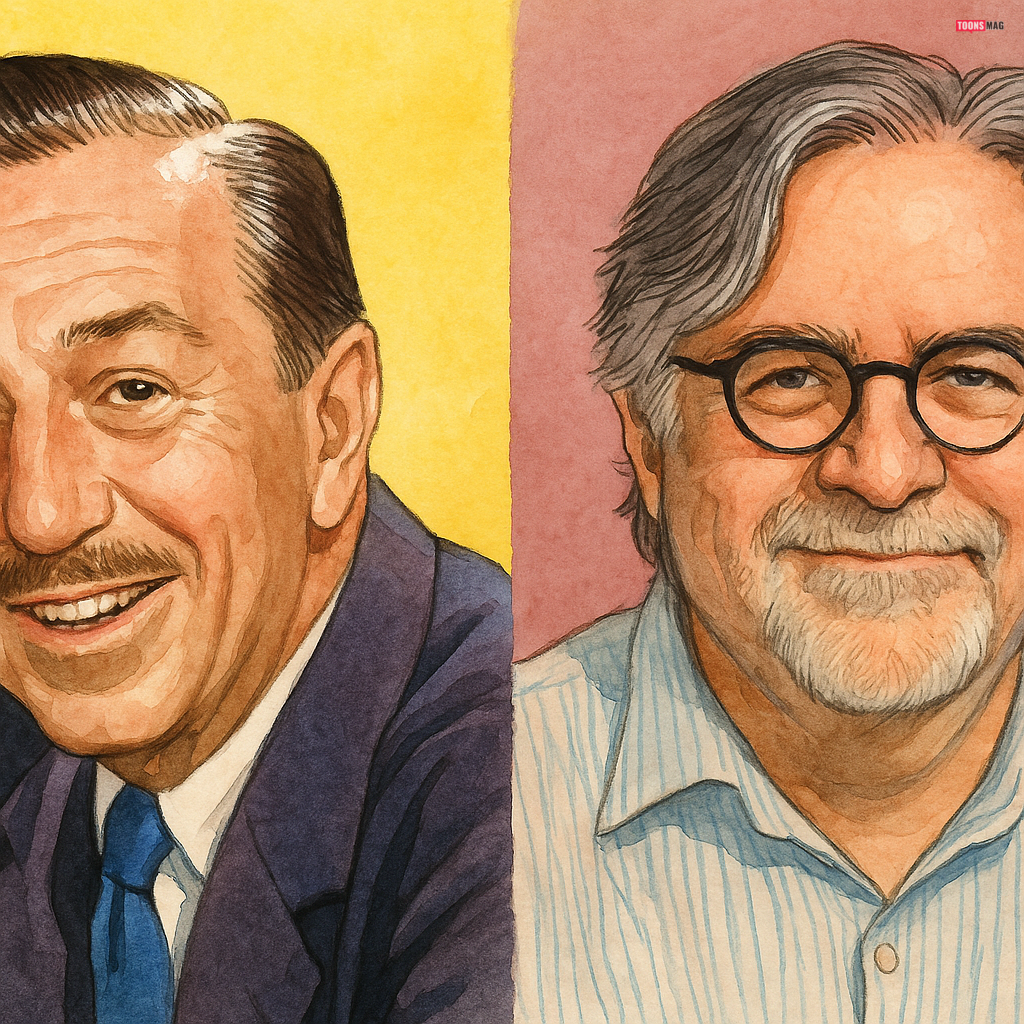
The contributions of Walt Disney and Matt Groening represent two ends of the creative spectrum—one steeped in magical realism and wholesome adventure, and the other in satirical wit and cultural critique. Despite their differences, both have redefined the animation landscape and opened doors for new voices. Their work reminds us that creativity knows no bounds and that every era of animation builds upon the innovations of the past.
5.2 Influencing Modern Animation Studios
Today’s animation studios continue to draw inspiration from these legends. Studios like Pixar, DreamWorks, and Adult Swim incorporate elements of Disney’s magical storytelling and Groening’s satirical humor to create content that appeals to diverse audiences. The blend of nostalgia with modern sensibilities keeps animation vibrant and continually evolving.
5.3 Lessons in Resilience and Reinvention
One of the most enduring lessons from these creators is the importance of resilience. Both Disney and Groening faced skepticism and challenges in their early careers but persevered by staying true to their creative visions. Their ability to reinvent themselves and adapt to changing times is a powerful message for aspiring animators—reminding them that success is born from passion, persistence, and a willingness to innovate.
6. The Business of Animation: From Studio Systems to Global Brands
6.1 Creating Iconic Brands
The influence of Walt Disney goes far beyond film. Disney’s establishment of a robust studio system and the creation of a global brand set a precedent for the business of animation. By merging creative storytelling with savvy marketing, Disney turned cartoons into a multi-billion dollar industry, influencing merchandising, theme parks, and media franchises worldwide.
6.2 The Economic Impact of Satirical Animation
While Disney focused on family-friendly narratives, the success of The Simpsons demonstrated that satirical animation could also be a major economic force. The widespread popularity of Groening’s work led to lucrative merchandising deals, syndication rights, and even influenced advertising trends. The economic models established by these creators have reshaped the entertainment landscape, highlighting the potential of animated content to drive significant commercial success.
7. Global Reach: How Cartoon Creators Connect Cultures
7.1 Animation as a Universal Language
Cartoons have the remarkable ability to transcend language and cultural barriers. The works of Walt Disney and Matt Groening are enjoyed around the world, creating shared cultural experiences that bring people together. Whether through the universal appeal of a magical fairy tale or the biting humor of a satirical cartoon, these creators have crafted stories that resonate on a global scale.
7.2 Cultural Adaptations and International Influence
The global success of these animated works has led to cultural adaptations that respect local traditions while preserving the essence of the original stories. International remakes, merchandise, and theme park attractions show how these cartoons have influenced various cultures, contributing to a global dialogue on storytelling and creativity.
8. Educational Impact: Inspiring Future Generations
8.1 Animating the Classroom
The legacies of Disney and Groening are also felt in education. Their work is often used in academic settings to teach lessons in art, storytelling, and cultural studies. Animation encourages creative thinking and problem-solving, inspiring students to explore their own artistic talents and appreciate the power of narrative.
8.2 Mentorship and Industry Workshops
Many established animators cite Disney and Groening as major influences on their careers. Workshops, mentorship programs, and online tutorials inspired by these creators help nurture the next generation of talent. This continued education ensures that the art of animation remains dynamic, innovative, and reflective of evolving societal values.
9. The Personal Impact: How Cartoons Shape Our Lives
9.1 Emotional Connections and Lifelong Memories
Cartoons often hold a special place in our hearts. The magic of a Disney classic or the humor of a Simpsons episode can evoke strong emotions and create lifelong memories. These characters and stories become part of our personal narratives, influencing our values, humor, and even our worldview.
For many, animated stories provide a sense of belonging—a shared language of images and ideas that connects people across different backgrounds. The work of these legendary creators has helped shape personal identities and fostered communities united by a love of storytelling and art.
10. Criticisms and Challenges: A Balanced Look at the Legacy
While the impact of Disney and Groening is largely celebrated, it is important to acknowledge the controversies and criticisms that have accompanied their legacies. Issues such as cultural stereotyping, commercialization, and creative control have sparked debates among fans and critics alike. These discussions highlight the complex nature of artistic legacy and the need for ongoing dialogue about representation and innovation in animation.
10.2 Learning from Past Missteps
Criticism has also served as a catalyst for growth within the industry. By reflecting on past mistakes, contemporary creators are more mindful of cultural sensitivity and ethical storytelling. The evolution of animation is a testament to the industry’s ability to learn, adapt, and strive for more inclusive narratives that honor the diversity of audiences worldwide.
11. The Role of Technology: How Innovation Shapes Animation
11.1 From Celluloid to CGI
The transition from traditional hand-drawn animation to computer-generated imagery (CGI) has dramatically changed the way cartoons are made. While Walt Disney’s early work was rooted in celluloid artistry, today’s animations benefit from advanced digital techniques that allow for more complex visuals and dynamic storytelling. This technological evolution is a direct result of the pioneering spirit of early creators who dared to innovate.
11.2 The Future of Animation: Virtual Reality and Beyond
Looking ahead, emerging technologies like virtual reality (VR) and augmented reality (AR) promise to transform the animation landscape even further. These innovations will provide new avenues for immersive storytelling, offering audiences experiences that blur the line between fiction and reality. The legacy of visionary creators like Disney and Groening will undoubtedly influence how these future technologies are harnessed to continue captivating audiences.
12. Celebrating Legacy: Annual Tributes and Museums
12.1 Museums Dedicated to Animation
Institutions such as The Walt Disney Family Museum and various exhibitions around the world celebrate the contributions of cartoon creators. These museums showcase original artwork, behind-the-scenes artifacts, and interactive exhibits that provide insight into the creative processes behind iconic animations. They serve as cultural landmarks where fans and scholars alike can appreciate the historical significance of these works.
12.2 Annual Festivals and Conventions
Events like Comic-Con, Animation Festivals, and tribute nights are dedicated to celebrating the art of animation. These gatherings bring together fans, creators, and industry experts to honor the legacy of pioneers and to discuss the future of animated storytelling. Such events not only preserve the history of animation but also inspire new generations to explore the art form.
13. The Personal Journeys of Iconic Creators
13.1 Walt Disney’s Enduring Spirit
Walt Disney’s journey—from a struggling artist to the founder of an entertainment empire—is a story of resilience, creativity, and unyielding belief in dreams. His ability to blend technical innovation with heartfelt storytelling continues to be a source of inspiration for artists across all mediums. Disney’s personal legacy is a testament to the transformative power of art and the importance of following one’s passion.
13.2 Matt Groening’s Trailblazing Impact
Matt Groening’s path to success was marked by a bold, unconventional approach that challenged the norms of traditional animation. His creation of The Simpsons and later ventures into new territories exemplify how humor and satire can be powerful tools for social commentary. Groening’s influence remains evident in the way contemporary animated shows approach narrative, character development, and cultural critique.
14. Inspiring Future Creators: Mentorship and Innovation
14.1 Supporting Emerging Talent
The legacies of Disney and Groening are not only celebrated through their work but also through the support they provide to emerging talent. Numerous initiatives, workshops, and scholarships are dedicated to nurturing young animators, ensuring that the spirit of creativity and innovation endures. Mentorship programs and industry collaborations continue to shape the future of animation by passing on invaluable knowledge and inspiration.
14.2 Fostering a Culture of Experimentation
Future creators are encouraged to experiment and push boundaries—much like the trailblazers who came before them. By embracing a culture of innovation and creative risk-taking, emerging artists can contribute to the ever-evolving tapestry of animated storytelling. The freedom to explore new ideas is essential for the continued growth and diversification of the animation industry.
15. A Timeless Legacy That Continues to Inspire
The legacy of cartoon creators such as Walt Disney and Matt Groening is a rich tapestry woven from innovation, passion, and a deep understanding of the human spirit. Their contributions have not only shaped the art of animation but have also left an indelible mark on global culture. Through groundbreaking techniques, unforgettable characters, and transformative storytelling, these pioneers continue to inspire artists, influence industries, and captivate audiences of all ages.
As we reflect on their achievements, we are reminded that the true magic of cartoons lies in their power to ignite imagination, foster connection, and challenge the status quo. Whether you’re watching a classic Disney film or laughing along with The Simpsons, you are experiencing the enduring impact of visionary creators who dared to dream and redefine the world of animation.
The journey of animation is far from over. With every new technological breakthrough and every fresh narrative voice, the legacy of these early pioneers is carried forward, evolving with the times while staying true to its core—telling stories that move us, challenge us, and remind us of the limitless possibilities of creativity.
So the next time you find yourself immersed in the magic of an animated story, take a moment to appreciate the legacy behind it—a legacy built on daring dreams, relentless innovation, and a commitment to sharing the wonder of the human experience.
Embrace the legacy, celebrate the creativity, and let the stories of Walt Disney, Matt Groening, and countless other innovators continue to inspire you to dream big and create boldly.
This post was created with our nice and easy submission form. Create your post!