



 Tor Alosson

Iconic Cartoon Characters: Cartoon characters have an uncanny ability to become cultural touchstones. They leap off the screen and into our lives—shaping fashion, humor, language, art, and even politics. More than drawings or animations, these characters become symbols of eras, emotions, and ideals. They inspire creativity, spark nostalgia, and form entire global communities of fans.
Today, we take a deep dive into ten cartoon icons whose influence has defined—and continues to redefine—pop culture across the world.
1. Mickey Mouse (1928): The Mouse That Built an Empire
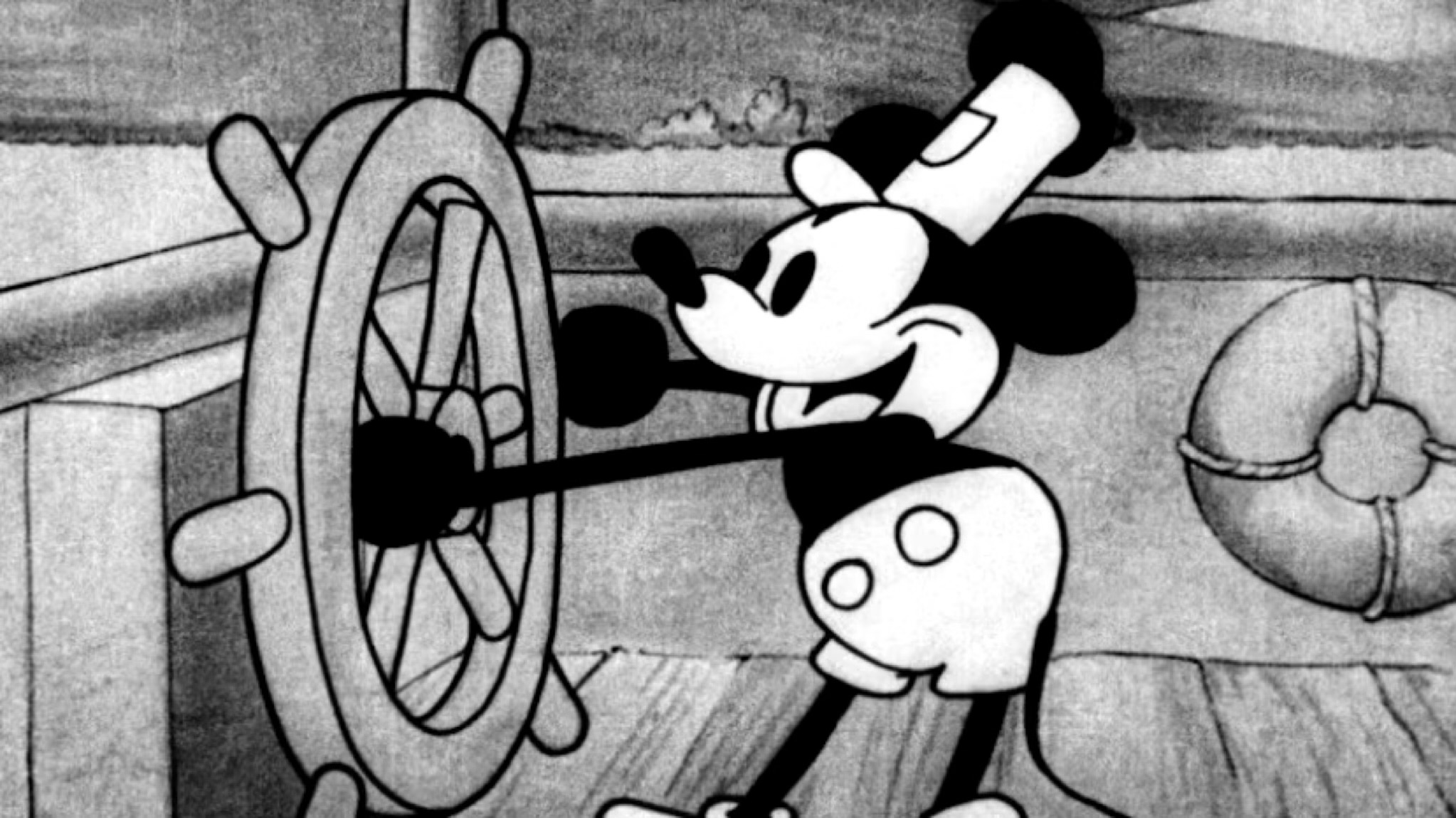
Created By: Walt Disney & Ub Iwerks
Debut: Steamboat Willie (1928)
Mickey Mouse is not just a character—he is the foundation of the Walt Disney empire. As one of the first synchronized-sound cartoon stars, Mickey revolutionized animation and demonstrated the potential of storytelling through moving drawings. His cheerful optimism, distinctive silhouette, and lovable personality became symbols of American pop culture.
Cultural Impact
- Became Disney’s official mascot and global ambassador
- Appeared on countless merchandise lines, from fashion to school supplies
- Inspired the evolution of American animation during the Golden Age
- Remains one of the most recognizable characters in the world
As Steamboat Willie entered the public domain in 2024, it opened new creative avenues—signaling Mickey’s lasting artistic relevance even after nearly a century.
2. Bugs Bunny (1940): The King of Cartoon Wit

Created By: Tex Avery & Bob Clampett
Catchphrase: “Eh, what’s up, doc?”
Bugs Bunny defines animated humor. Cool-headed, mischievous, and endlessly clever, Bugs consistently outsmarts his adversaries, whether Elmer Fudd, Yosemite Sam, or Daffy Duck. He was a wartime symbol, a comedic genius, and an early example of a character with both child and adult appeal.
Cultural Impact
- Helped establish Warner Bros. as a powerhouse in animation
- Became a cultural symbol of resilience during World War II
- Influenced comedic timing, parody, and slapstick in animation
- Remained a cultural touchstone across TV, films, and memes
Bugs is more than a trickster rabbit—he is comedy incarnate.
3. Superman (1938): The Blueprint for Every Superhero
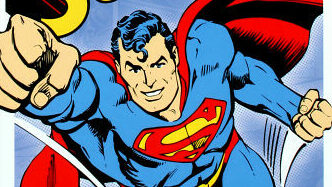
Created By: Jerry Siegel & Joe Shuster
Debut: Action Comics #1
Superman introduced the modern superhero archetype. With incredible powers and a strict moral compass, he became an aspirational figure representing hope, justice, and the potential for goodness. His classic origin—the last son of Krypton raised by humble farmers—sparked decades of storytelling tradition.
Cultural Impact
- Launched the superhero genre and influenced thousands of characters
- Became a symbol of truth, justice, and courage worldwide
- Inspired radio shows, TV series, films, and global merchandise
- Set foundational tropes such as secret identities and caped costumes
Superman is not just a hero—he is the hero.
4. Scooby-Doo (1969): The Fearful Hero Who Always Finds Courage

Created By: Joe Ruby & Ken Spears
Series: Scooby-Doo, Where Are You!
Scooby-Doo’s legacy lies in the perfect blend of mystery, comedy, and friendship. As a cowardly Great Dane who somehow always helps solve the case, Scooby appeals across generations.
Cultural Impact
- One of the longest-running animated franchises ever
- Introduced a new genre: kid-friendly mystery-solving cartoons
- Popularized distinctive catchphrases like “Scooby-Dooby-Doo!”
- Inspired countless reboots, films, spin-offs, and crossovers
Scooby’s formula—monsters, humor, teamwork—is still replicated today.
5. SpongeBob SquarePants (1999): The Golden Sponge of Modern Animation

Created By: Stephen Hillenburg
Debut: Nickelodeon (1999)
SpongeBob redefined children’s television with absurdist humor, optimistic charm, and meme-worthy moments. His innocence and enthusiasm make him both funny and deeply relatable.
Cultural Impact
- One of Nickelodeon’s greatest successes
- Became a staple of internet meme culture
- Spawned films, Broadway musicals, video games, and global merchandise
- Appeals equally to children and adults due to layered humor
SpongeBob is not just a TV character—he is a 21st-century pop icon.
6. Pikachu (1996): The Electrifying Face of Pokémon

Created By: Ken Sugimori (Game Freak)
Debut: Pokémon Red & Green (1996)
Pikachu became the mascot of the Pokémon franchise—not by design, but by overwhelming popularity. With its cute design, expressive face, and loyal personality, Pikachu became one of the most beloved characters in gaming history.
Cultural Impact
- Sparked the global Pokémon craze of the late ’90s
- Appeared in games, anime, trading cards, and global events
- Became an ambassador for Japanese pop culture
- Recognized instantly by children and adults worldwide
Pikachu’s fame is so massive that it transcends language and culture.
7. Homer Simpson (1989): The Imperfect Everyman

Created By: Matt Groening
Series: The Simpsons
Homer Simpson represents the flawed but lovable modern father figure. His simplicity, impulsiveness, and memorable lines (“D’oh!”) made him a comedic titan.
Cultural Impact
- Helped The Simpsons become the longest-running scripted TV show
- Popularized satire of American family life
- Introduced iconic catchphrases and comedic archetypes
- Influenced adult animation including Family Guy, South Park, and Futurama
Homer is a mirror of the human condition—funny, flawed, and deeply familiar.
8. Betty Boop (1930): The Jazz Age Icon
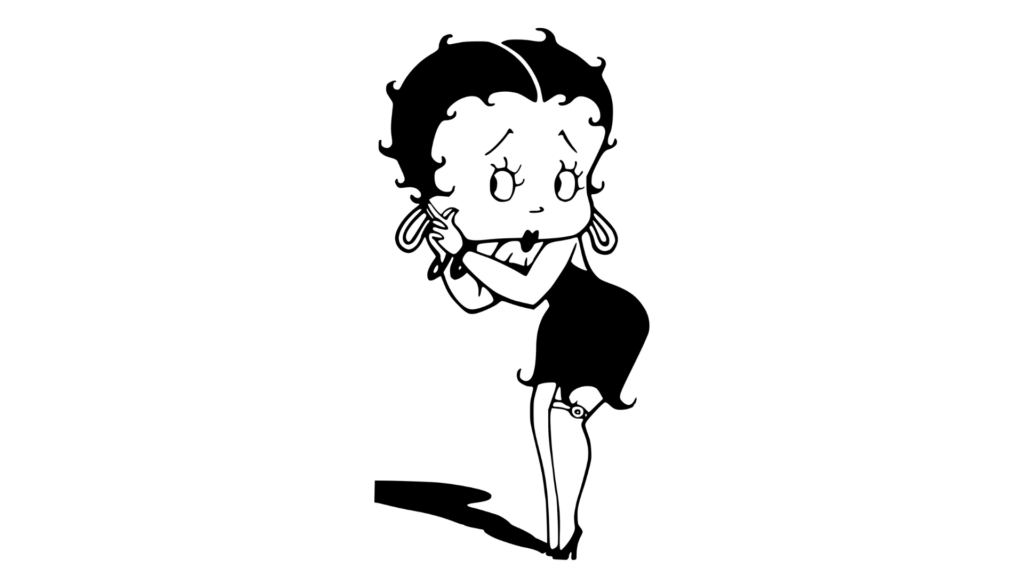
Created By: Max Fleischer
Debut: Dizzy Dishes (1930)
Betty Boop emerged during the roaring ’30s as one of animation’s first female stars. Her flapper style, musical numbers, and expressive charm captured the spirit of the Jazz Age.
Cultural Impact
- Became a symbol of early American glamour
- Pushed artistic boundaries with expressive, musical animation
- Inspired fashion, makeup, and retro aesthetics
- Remains a feminist pop icon celebrated for her independence
Betty is animation’s first true diva.
9. The Pink Panther (1963): Coolness in Motion
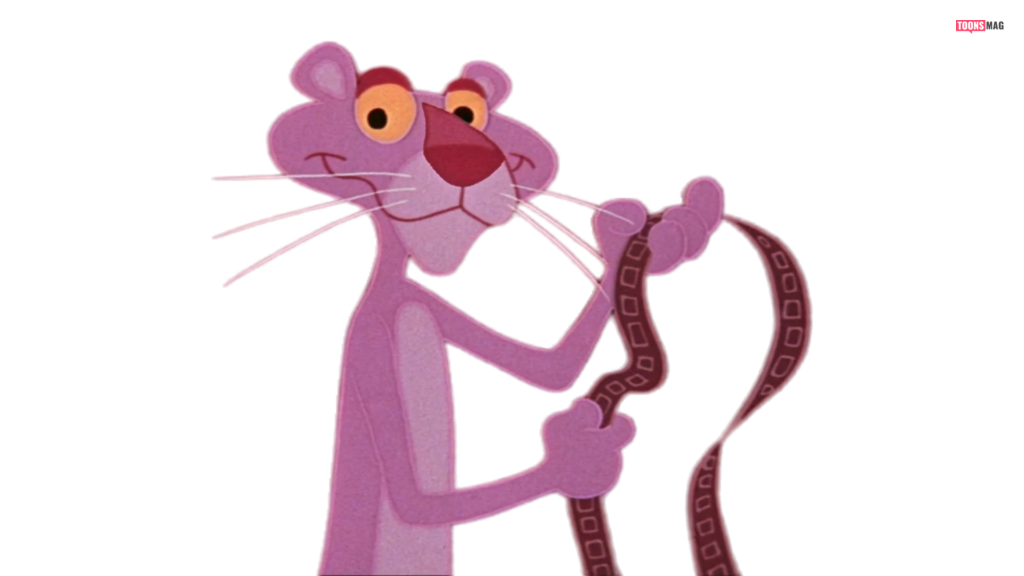
Created By: Friz Freleng
Debut: Opening sequence for The Pink Panther (film)
Defined by elegance and silent comedy, the Pink Panther became a star in his own right. His smooth movements, sly humor, and unmistakable theme music turned him into a symbol of classic animation style.
Cultural Impact
- Proved that animation could succeed without dialogue
- Inspired a long-running series of shorts and TV shows
- Became an emblem of sophistication and creativity
- Continues to influence minimalist and musical animation styles
Few characters say as much with silence as the Pink Panther does.
10. Garfield (1978): The Champion of Laziness and Sarcasm
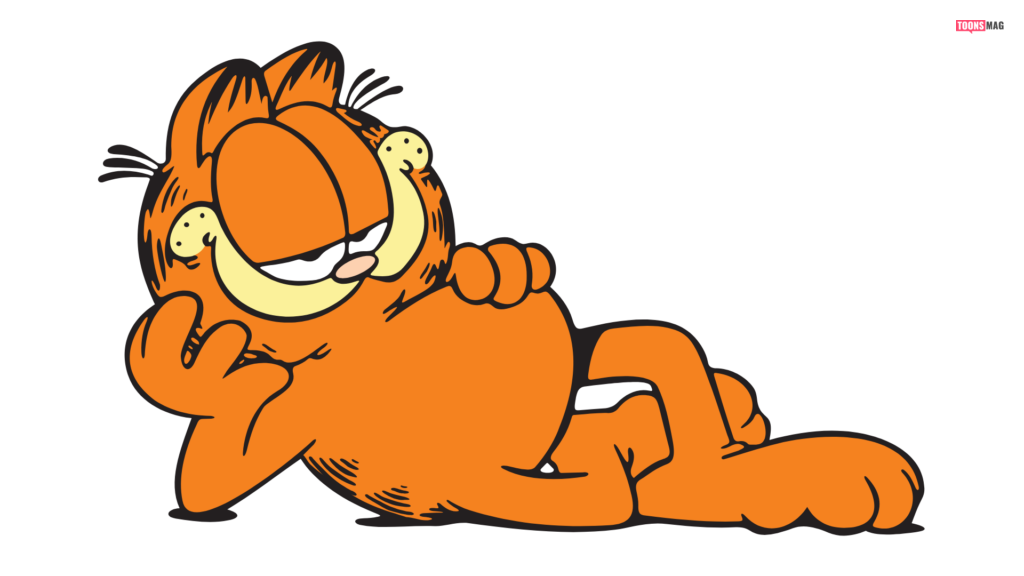
Created By: Jim Davis
Debut: Garfield comic strip (1978)
Garfield’s personality—snarky, food-loving, unapologetically lazy—catapulted him from newspaper strips to global fame. His attitude speaks to something universal: our desire for comfort and simple pleasures.
Cultural Impact
- One of the most syndicated comic strips in history
- Expanded into TV specials, films, and massive merchandising
- Shaped the archetype of the comedic, sarcastic animated animal
- Remains an internet and pop culture mainstay
Garfield is a feline everyman for anyone who dislikes Mondays.
Read also: 25+ Most Famous Cartoon Characters of All Time (Open list)
Why These Characters Matter
These ten characters became icons because they represent more than entertainment:
They shaped how we tell stories.
From Mickey’s optimism to Bugs Bunny’s comedic timing and SpongeBob’s surreal humor, each character introduced new techniques and tones.
They influenced global art and fashion.
From Betty Boop’s flapper style to Pikachu merchandise and Pink Panther aesthetics, their visual identities became cultural artifacts.
They helped define generational humor.
Homer Simpson, Garfield, and Bugs Bunny each reflect different eras of comedy and social commentary.
They created global communities.
Fandoms, conventions, video games, memes—these characters inspired millions to connect and create.
Creative platforms like Cartoonist Network, where artists collaborate in multiple languages and cultures, demonstrate how iconic characters spark new generations of visual storytelling.
Iconic Cartoon Characters: The Enduring Magic of Animated Icons
These cartoon legends didn’t just entertain us—they shaped our world. They became symbols of imagination, joy, resilience, rebellion, humor, and hope. Whether it’s the timeless charm of Mickey Mouse, the electric cheer of Pikachu, or the clever sarcasm of Garfield, these characters remain woven into the fabric of global culture.
They remind us that animation is not just art—it is emotion, memory, and collective identity.
This post was created with our nice and easy submission form. Create your post!



3 Comments