

 Bjørn Olaf

A character designer is an artist responsible for creating the visual appearance, style, and personality of characters for media such as animation, comics, manga, video games, films, advertising, and merchandise. Character designers translate written descriptions, concepts, or narrative requirements into unique and recognizable visual representations that convey a character’s role, traits, and emotional range.
Character design is a key discipline within the broader fields of visual development, illustration, and concept art, and is widely used in industries such as animation, video games, film, manga, and graphic novels.
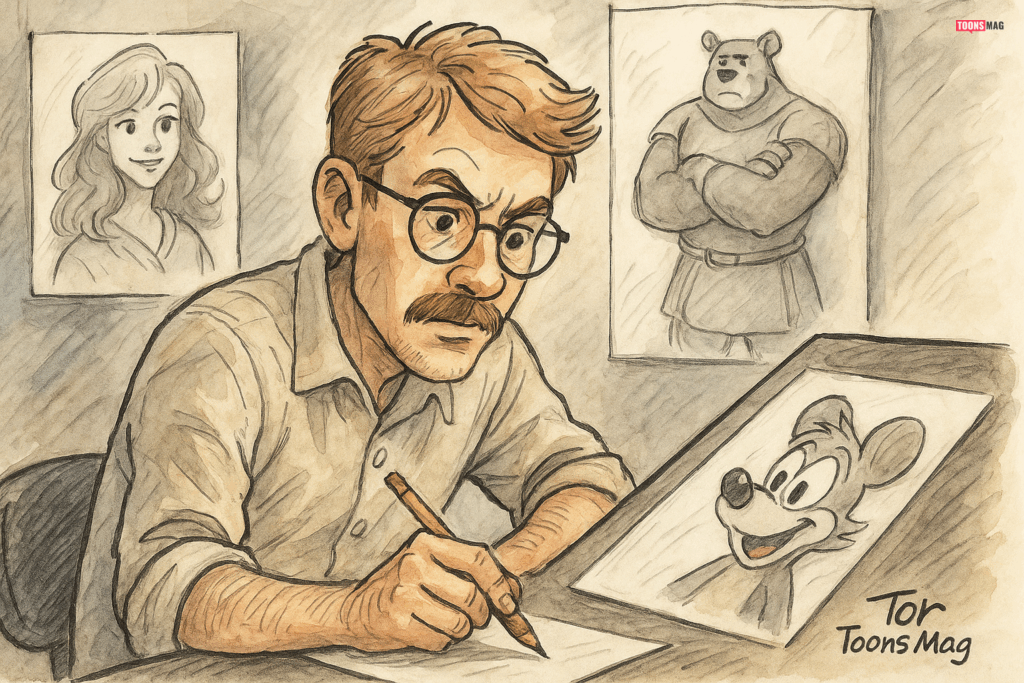
Role and Responsibilities
Character designers work closely with writers, directors, and other members of a creative team to ensure that a character’s appearance matches the story’s tone, setting, and themes. Responsibilities may include:
- Developing initial sketches and concept art based on descriptions or scripts.
- Creating turnaround sheets showing characters from multiple angles.
- Designing expressions and poses to capture personality and emotion.
- Establishing costumes, color palettes, and props associated with the character.
- Adjusting designs for animation, live-action adaptation, or gameplay needs.
In animation and gaming, character designers also ensure that the design can be efficiently animated or rendered while maintaining the intended style.
Skills and Tools
Character designers combine artistic talent with storytelling ability. Common skills include:
- Drawing and anatomy knowledge.
- Color theory and composition.
- Understanding of visual storytelling and symbolism.
- Proficiency in digital art software such as Adobe Photoshop, Clip Studio Paint, or Procreate.
- Ability to adapt to various styles—from realistic to highly stylized designs.
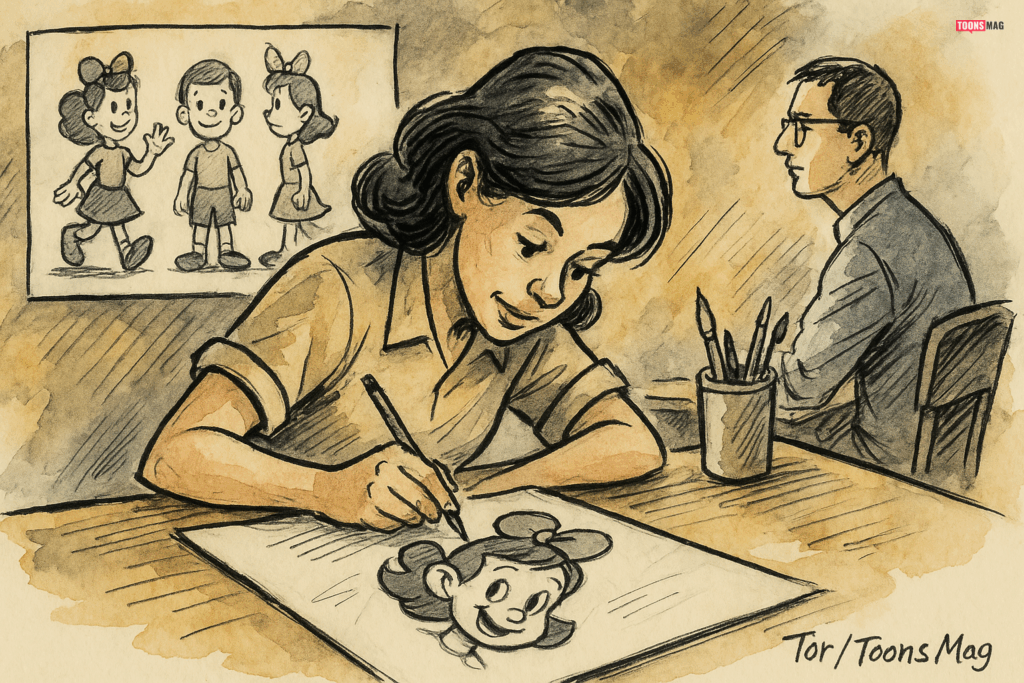
Character Design in Different Media
Animation
In both traditional and digital animation, character design is part of pre-production. Artists develop model sheets, expression charts, and costume variations to ensure visual consistency. Examples include Disney’s animated films, Studio Ghibli productions, and television cartoons.
Video Games
Video game character designers create heroes, villains, and supporting NPCs that fit the game’s setting, mechanics, and narrative. Designs must account for gameplay visibility, animation constraints, and player recognition. Notable designers include Tetsuya Nomura (Final Fantasy), Hideo Minaba (Final Fantasy IX), and Akira Toriyama (Dragon Quest, Chrono Trigger).
Comics and Manga
In comics and manga, the creator often serves as both writer and character designer. Unique costumes, hairstyles, and silhouettes help characters stand out in serialized storytelling. Manga artists such as Rumiko Takahashi (Inuyasha) and Eiichiro Oda (One Piece) are celebrated for distinctive character designs.
Film and Live Action
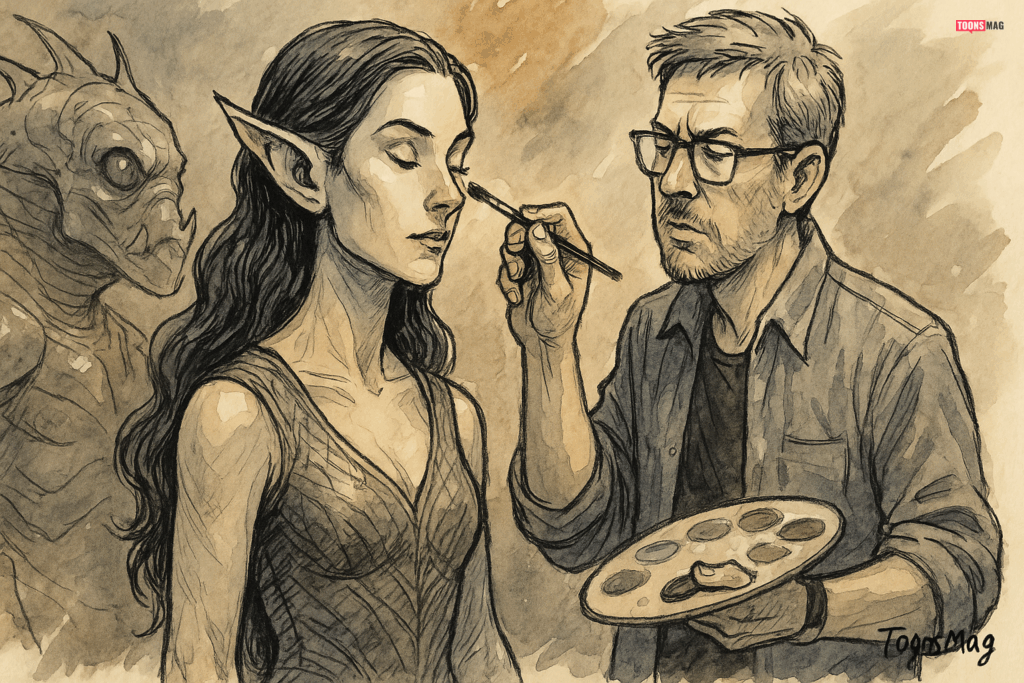
In live-action media, character design overlaps with costume design, makeup, and prosthetics, especially in science fiction and fantasy genres. Designers may work with special effects teams to realize complex creatures or alien species.
Process of Character Design
- Research & Reference Gathering – Studying cultural, historical, or thematic elements relevant to the story.
- Concept Sketching – Generating multiple ideas and visual directions.
- Refinement – Narrowing down designs and improving clarity.
- Model Sheets – Creating standard references for production teams.
- Finalization – Approving designs for animation, printing, or filming.
Notable Character Designers
- Osamu Tezuka – Pioneer of modern manga character design.
- Akira Toriyama – Known for Dragon Ball and Dragon Quest designs.
- Yoshitaka Amano – Final Fantasy and Vampire Hunter D.
- Hayao Miyazaki – Co-founder of Studio Ghibli, designer of many iconic characters.
- Tetsuya Nomura – Kingdom Hearts, Final Fantasy VII.
Cultural Impact
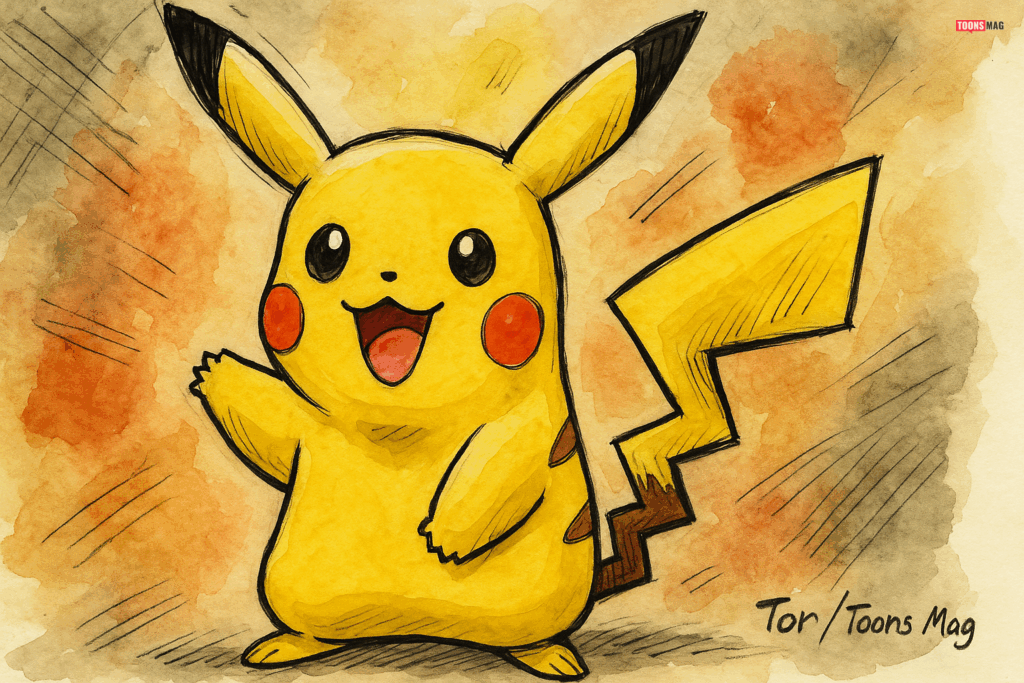
Character design plays a major role in shaping a franchise’s identity and global recognition. Iconic designs, such as Pikachu from Pokémon or Mario from Super Mario Bros., become cultural symbols, transcending their original medium to influence fashion, toys, and branding.