

 Riley Spark

Snowy (French: Milou [milu]) is the iconic white Wire Fox Terrier who serves as the loyal and courageous companion to Tintin, the globe-trotting protagonist of The Adventures of Tintin—a seminal European comic book series created by Belgian cartoonist Hergé (Georges Remi). Since his first appearance on January 10, 1929, in Tintin in the Land of the Soviets, serialized in the youth supplement Le Petit Vingtième of Le Vingtième Siècle, Snowy has been a constant presence in all of Tintin’s 24 canonical adventures. He has become a symbol of loyalty, comic relief, and narrative depth, and remains one of the most beloved and recognizable animal characters in the history of comics.
Infobox: Snowy
Character Name: Snowy
Original French Name: Milou
Species: Dog (Wire Fox Terrier)
First Appearance: Tintin in the Land of the Soviets (1929)
Created By: Hergé (Georges Remi)
Gender: Male
Occupation: Companion, Tracker, Occasional Hero, Sidekick
Partner: Tintin
Language of Origin: French
Notable Traits: Loyal, Brave, Humorous, Occasionally Cynical, Smart, Alcohol-Loving
Main Publisher: Casterman (Belgium)
Known For: Saving Tintin, Fear of Spiders, Love of Bones and Whiskey, Comic Relief
Adaptations: Featured in stage plays, animated series, graphic novels, and the 2011 Spielberg-directed film The Adventures of Tintin: The Secret of the Unicorn
Origins and Inspirations
Snowy’s visual and behavioral inspiration reportedly came from a real-life terrier owned by a café proprietor in Brussels that Hergé visited regularly. This terrier had a spirited disposition—energetic, intelligent, and endearingly mischievous—which captivated the cartoonist. Though Hergé never owned a dog in his youth, he paid close attention to canine behaviors and integrated these observations into Snowy’s personality.
Snowy’s upright posture, keen eyes, and ever-alert ears became visual staples, and his agile body was drawn with an elegance that mirrored the efficient yet expressive simplicity of the ligne claire art style that Hergé pioneered. The clarity of line allowed readers to instantly recognize Snowy’s movements, moods, and reactions, turning him into a powerful visual communicator within the frame.
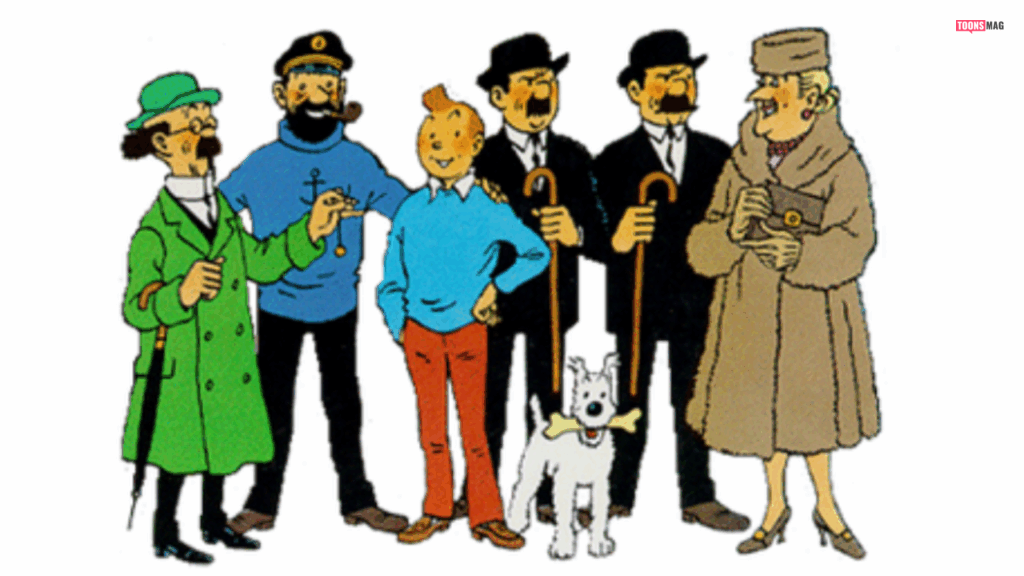
Snowy’s original French name, Milou, was derived from the affectionate nickname of Marie-Louise Van Cutsem, Hergé’s first romantic interest. The relationship, which began in his teenage years, was curtailed due to the social gap between them—Marie-Louise came from a bourgeois family, whereas Hergé was from a working-class background. Despite their separation, Hergé reportedly never forgot her, and immortalizing her nickname through Snowy was a tender tribute to a formative emotional experience. This naming choice adds a personal and nostalgic dimension to Snowy’s character, anchoring him in Hergé’s own emotional history.
In English translations, the name “Snowy” was deliberately chosen for both functional and thematic reasons. The name evokes the dog’s striking white fur and was short enough—five letters—to fit neatly within the limited space of comic speech bubbles. It also suggested connotations of innocence, adventure, and companionship, reinforcing Snowy’s role as Tintin’s most trusted partner. The translation preserved the dog’s emotional resonance while making him accessible to a global audience, ensuring Snowy’s universal appeal across languages and cultures.
Character Development and Narrative Role
Throughout the series, Snowy is never merely an accessory to Tintin’s exploits. He plays an active role in the stories, often exhibiting human-like intelligence, intuition, and emotions. In the earliest albums, such as Tintin in the Congo and Tintin in America, Snowy is virtually a co-lead, providing commentary directly to the reader via speech bubbles, critiquing Tintin’s choices, and often foreshadowing narrative developments. These commentaries revealed a witty, sometimes sarcastic disposition that allowed readers to see a different angle of each scenario—one that often undercut Tintin’s straightforward optimism with humorous realism.
Snowy’s dialogue was clever, often ironic, and filled with wit. He was the cynical foil to Tintin’s idealism—until the introduction of Captain Haddock in The Crab with the Golden Claws. With Haddock assuming the role of the cynic and comic foil, Snowy’s vocal role diminished, although he remained a vital figure. He then transitioned into a more physical comic role, using body language and exaggerated expressions to convey thoughts, often reacting hilariously to Haddock’s mishaps. Hergé masterfully gave Snowy personality through pantomime, allowing his character to remain expressive and narratively important even without dialogue. In Red Rackham’s Treasure, for example, Snowy’s visual reactions to underwater diving antics lend the story light-heartedness and pacing.
Snowy’s resourcefulness shines in numerous storylines: he disables traps, chases down villains, retrieves lost items, and even unravels mysteries. In The Black Island, he disarms a burglar alarm with his paws and teeth; in The Shooting Star, his loyalty drives him into dangerous terrains after Tintin, braving fire and chaos without hesitation; and in Explorers on the Moon, he adapts to zero gravity with delightful curiosity, bounding around the lunar interior and helping Tintin navigate complex space equipment.
In The Red Sea Sharks, Snowy’s sense of smell helps foil a kidnapping attempt. He not only enhances the pace of the plots but also brings levity, emotional depth, and continuity to the adventure series. Snowy’s capacity for empathy—such as mourning over Tintin’s unconscious body—has further endeared him to generations of readers.
Traits, Habits, and Symbolism
Snowy is an amalgam of traits that make him both relatable and endearing. He’s loyal to a fault, highly protective, and remarkably brave—even facing off against larger animals or humans if Tintin is in danger. His courage is evident in multiple albums where he boldly intercepts threats, distracts guards, or launches surprise attacks to rescue his master.
Snowy’s keen awareness and fast reflexes make him indispensable during escapes, ambushes, and treasure hunts. Yet, Snowy is not flawless. He has a marked weakness for bones and whiskey, frequently creating comedic situations where he must choose between indulgence and duty. In Tintin in Tibet, Snowy nearly jeopardizes a crucial mission due to the scent of food, showing that his basic instincts can occasionally overpower his otherwise disciplined nature.
His arachnophobia—fear of spiders—is a humorous trait exploited repeatedly, such as in The Shooting Star. Even when braving mountainous terrain or uncharted jungles, a simple spider can reduce him to a panicked mess. Despite this, Snowy often musters courage in perilous situations, especially when Tintin’s safety is at stake. These moments of bravery despite fear create an emotional resonance, showing that courage is not the absence of fear but action in spite of it. His animal instincts, such as sniffing out trails, sensing danger before it happens, or barking at villains, blend seamlessly with human-like behaviors, including making moral decisions, showing empathy, or delivering witty retorts.
He also has rivalries, most notably with the Siamese cat at Marlinspike Hall. Initially a comic source of chaos—marked by barking fits, overturned furniture, and high-speed chases through Captain Haddock’s study—this rivalry eventually turns into a cautious truce and later into a reluctant friendship, demonstrating Snowy’s capacity for growth, emotional learning, and reconciliation. Their evolving relationship adds a domestic and relatable layer to the broader adventures, portraying Snowy not just as a heroic figure but as a creature of moods, habits, and developing social bonds.
Adaptations and Media Presence
Snowy has transcended the printed page to become a multimedia icon, gaining a presence in a broad range of media formats, stage performances, merchandise, and digital culture. In the 1930 Gare du Nord publicity stunt, a real-life terrier played Snowy as Tintin arrived home from his first adventure, with crowds of fans greeting the duo in a scene mimicking their fictional exploits. This early example of media marketing highlighted the popularity of both Tintin and Snowy even in the character’s infancy.
In television, Snowy featured in the 1991 animated series produced by Ellipse-Nelvana, where he was voiced by Susan Roman. While the show excluded his internal monologues to maintain a streamlined narrative focus on Tintin and his broader circle of friends, Snowy’s physical comedy, vocal expressions, and situational reactions maintained his character’s essential charm and intelligence. The show, which aired in multiple languages across international networks like HBO and the BBC, helped cement Snowy’s image in the minds of a new generation.
In Steven Spielberg’s 2011 3D motion-capture film, The Adventures of Tintin: The Secret of the Unicorn, Snowy’s animation was a technological feat. The visual effects team employed advanced CGI to simulate his white, wiry fur, alert ears, and the nuanced body language so central to his comic portrayal. Due to technical difficulties in rendering realistic fur and lighting, a puppet placeholder was used during filming. Later, animators painstakingly layered textures, shadows, and expressive detail to bring Snowy to life frame by frame, making him one of the standout characters in the film. His brave antics, expressive growls, and mischievous personality delighted both fans and critics, contributing significantly to the film’s success.
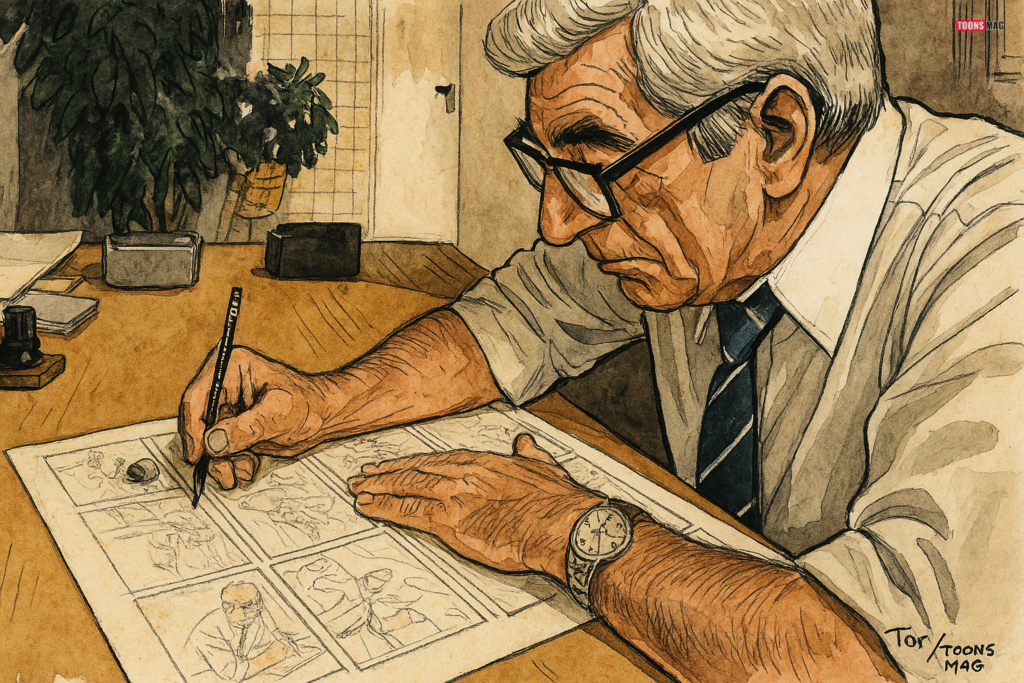
Beyond official adaptations, Snowy appears in numerous parodies, cameos, and homages across literature, television, and graphic novels. In Bryan Talbot’s Grandville series, a white Wire Fox Terrier named “Snowy Milou” appears in a dreamlike sequence referencing classic Tintin imagery and plot motifs. Snowy has also been referenced in French satirical shows, tribute comic anthologies, Tintin-inspired fan art, and even video games where canine companions draw visual and behavioral cues from Hergé’s creation. Such tributes confirm Snowy’s cross-cultural and intertextual significance, as his likeness and symbolism are continually reimagined across generations of creators and media platforms.
Public Memorials and Tributes
Snowy is celebrated in public art and monuments throughout Belgium, and his presence is deeply woven into the nation’s cultural and artistic landscape. These commemorations highlight the importance of The Adventures of Tintin not only as a comic series but as a national treasure.
- Rue de l’Etuve, Brussels: A mural recreates an action-packed panel from The Calculus Affair, showing Tintin, Captain Haddock, and Snowy descending a fire escape. This mural is part of the Brussels Comic Book Route and attracts thousands of tourists annually.
- Gare du Midi, Brussels: The south station hosts a massive reproduction of a panel from Tintin in America, prominently featuring Snowy. The station also includes other comic-themed installations, making it a hub for Belgian comic art appreciation.
- Le Lombard Building, Brussels: Two enormous neon-lit sculptures of Tintin and Snowy adorn the rooftop of the former offices of Le Journal de Tintin. The glowing artwork symbolizes the enduring impact of the series and lights up the Brussels skyline at night.
- Stockel Metro Station, Brussels: The entire platform is decorated with 140 meters of hand-painted comic panels depicting every major character and moment from the Tintin series. Snowy features heavily in these murals, providing a continuous visual timeline of his adventures.
- Uccle Cultural Center, Brussels: A life-size bronze statue of Tintin and Snowy by Nat Neujean was commissioned by Raymond Leblanc, the original publisher of Tintin magazine. The sculpture serves as a tribute to both the character and the deep friendship between Hergé’s two most beloved creations.
Beyond these, Snowy appears in themed exhibitions at the Belgian Comic Strip Center and the Hergé Museum in Louvain-la-Neuve, where visitors can explore the creative process behind his design, animations, and evolving role in the stories. In 2024, a Tintin-inspired football kit designed by Adidas for the Belgian national team featured colors and elements resembling Snowy’s silhouette and Tintin’s signature blue outfit—an example of how Snowy continues to inspire modern pop culture.
These public tributes stand as enduring symbols of Snowy’s popularity and his inseparable connection to Belgium’s literary heritage. They also offer fans a tangible connection to the world of Tintin, turning ordinary cityscapes into vibrant storytelling canvases.
Legal and Public Domain Status
On January 1, 2025, Snowy, along with other beloved characters from the original 1929 Tintin comics, officially entered the public domain in the United States. This monumental development in copyright law signifies that the earliest works in the Tintin series—starting with Tintin in the Land of the Soviets—can now be freely reproduced, adapted, and creatively reimagined within the U.S. without legal restriction. This includes Snowy’s earliest visual renderings, dialogues, and plotlines as they originally appeared in serialized publications.
However, copyright status remains more restrictive abroad. Under the 70-years-after-the-author’s-death rule observed in Belgium and throughout the European Union, the rights to Tintin and Snowy will remain protected until 2054, marking 70 years after Hergé’s passing in 1983. This discrepancy creates a unique legal limbo where the same intellectual properties have differing statuses depending on geographic location.
This dual-status environment presents both creative opportunities and legal caution. In the United States, writers, illustrators, educators, and fans are now free to remix and reinterpret Snowy in open-access comic strips, educational tools, art installations, and animations—so long as they adhere to the material from the works that have entered the public domain. Already, a burgeoning wave of experimental projects has emerged, including webcomics that modernize Snowy’s adventures, 3D recreations of early panels, and public domain anthologies featuring alternate timelines of Tintin and Snowy.

However, such liberties cannot legally extend to audiences or production in Europe or other territories still enforcing copyright, where any derivative works could face potential infringement claims. Artists and publishers operating internationally must navigate this fragmented legal landscape carefully, often geo-restricting content or issuing disclaimers. Nonetheless, for fans and scholars in the United States, this change heralds an exciting era of renewed exploration, educational enrichment, and homage to one of comic literature’s most enduring duos.
Enduring Legacy
More than a mere canine sidekick, Snowy is a deeply developed character whose emotional intelligence, impeccable comic timing, and unwavering moral compass have made him an indispensable part of Tintin’s world. His interactions with Tintin go beyond loyalty; they illustrate an intimate partnership built on trust, intuition, and mutual respect. Whether he is barking at a suspicious character, rescuing Tintin from danger, or reacting with expressive body language in humorous situations, Snowy functions as both a catalyst for plot advancement and a mirror of the reader’s emotions. His spirited presence bridges the gap between the fantastical and the grounded, enriching each story with a blend of realism, mischief, and heartfelt connection.
Snowy is not just a dog—he is a symbol of unwavering companionship, intuitive reasoning, and emotional depth. His moments of hesitation, courage, jealousy, and joy make him relatable, portraying a complex personality that resonates across generations. From his philosophical reflections in the early albums to his humorous reactions and brave actions in the later ones, Snowy reflects humanity’s own inner voice—the loyal friend who challenges and supports in equal measure. As new generations continue to discover The Adventures of Tintin, Snowy’s enduring legacy as a beloved fictional character remains firmly established, ensuring his place alongside literature’s greatest companions—both human and animal alike.