


 Anto Mario

Best Cartoon Characters: The 20th century was nothing short of a golden age for animation. From hand-drawn theatrical shorts to television series that became household rituals, cartoons evolved alongside technology, politics, and global culture. What began as experimental moving drawings quickly transformed into a powerful storytelling medium capable of humor, satire, emotional depth, and social commentary.
At the heart of this evolution were characters—memorable, expressive, and instantly recognizable figures who transcended their original formats to become cultural icons. These cartoon characters shaped childhoods, influenced artistic movements, and, in many cases, reflected the values, anxieties, and aspirations of their time.
This article explores 20 of the most influential cartoon characters of the 20th century—not merely as entertainers, but as cultural landmarks. Their endurance is no accident. Each one represents a turning point in animation history, storytelling technique, or popular imagination.
1. Mickey Mouse (1928)
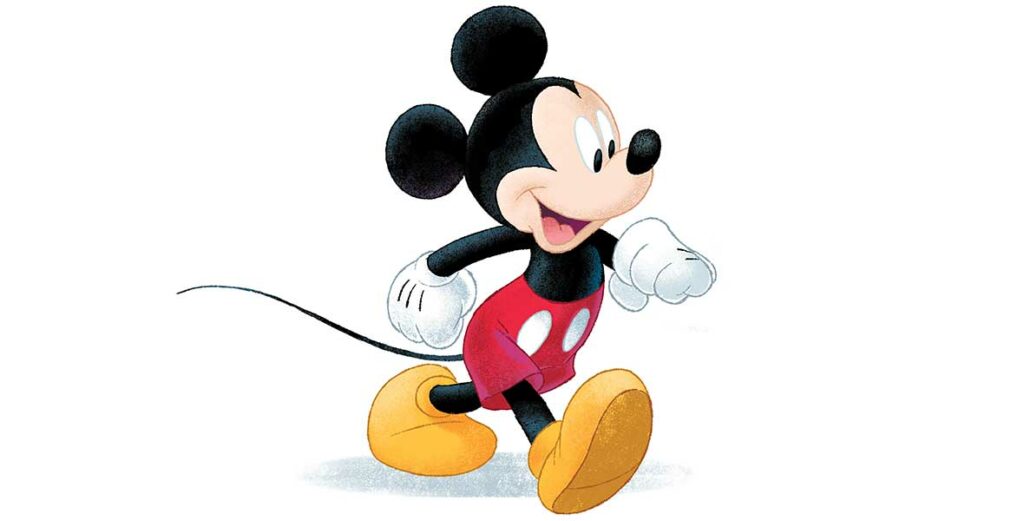
Creators: Walt Disney & Ub Iwerks
Debut: Steamboat Willie
It all began with a mouse—but not just any mouse. Mickey Mouse’s debut in Steamboat Willie did more than introduce a new character; it redefined what animation could be. The short’s precise synchronization of sound, music, and movement transformed cartoons from silent novelties into fully realized performances.
Mickey’s animation was expressive and rhythmic, giving him personality beyond movement. He wasn’t merely animated—he acted. This emotional clarity helped audiences connect instantly.
During the Great Depression, Mickey became a symbol of optimism. He struggled, improvised, and persevered—mirroring the experiences of millions. Over time, Mickey evolved from a mischievous trickster into a stabilizing moral presence, reflecting Disney’s own transition from scrappy innovator to cultural institution.
Beyond animation, Mickey became one of the first fictional characters to function as a global brand, a mascot, and a cultural ambassador—yet his emotional core remained intact.
Why Mickey endures: He represents the birth of modern animation—and the enduring power of optimism.
2. Bugs Bunny (1940)

Creators: Tex Avery & Bob Clampett
Studio: Warner Bros.
Bugs Bunny rewrote the rules of cartoon heroism. Unlike earlier protagonists, Bugs rarely pursued conflict. Instead, he controlled it—using wit, timing, and verbal dexterity to outmaneuver opponents.
Emerging during World War II, Bugs embodied clever resistance rather than brute force. His calm confidence and meta-awareness appealed to adults as much as children, making him one of the earliest truly cross-generational cartoon icons.
Bugs also defined the Looney Tunes aesthetic: fast-paced, self-aware, irreverent, and unafraid to mock authority. He wasn’t just funny—he was intellectually subversive.
Why Bugs endures: Because intelligence outlasts aggression—and humor is power.
3. Tom and Jerry (1940)
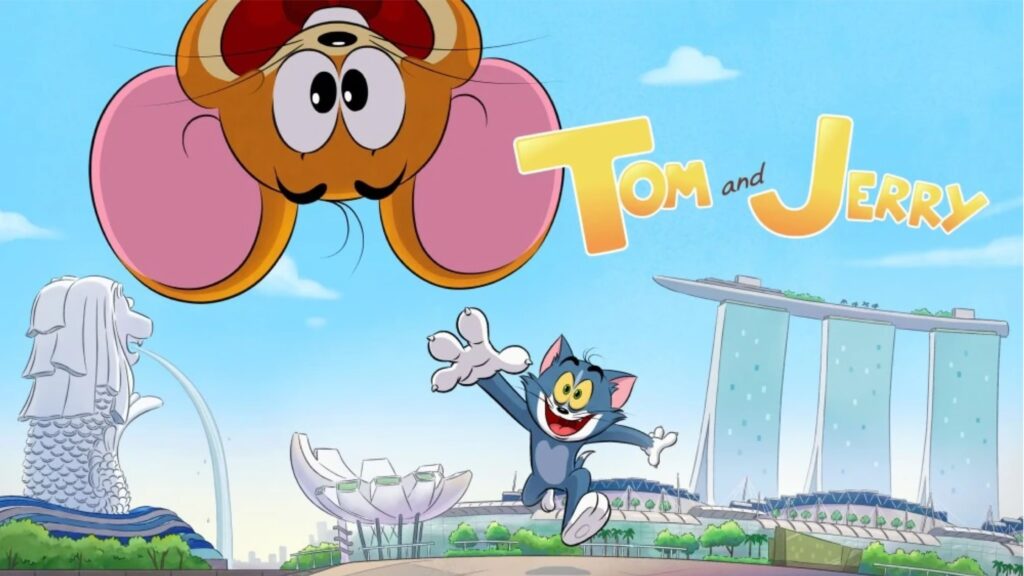
Creators: William Hanna & Joseph Barbera
Studio: Metro-Goldwyn-Mayer
Tom and Jerry perfected visual storytelling. With minimal dialogue, the series relied on timing, rhythm, and physical exaggeration—echoing silent-film slapstick legends like Chaplin and Keaton.
Though famously violent, the action was choreographed rather than cruel, more balletic than brutal. Beneath the chaos lay emotional complexity: pride, frustration, rivalry, and occasional tenderness.
Because it relied almost entirely on visuals, Tom and Jerry transcended language, becoming one of the most internationally accessible animated series ever created.
Why they endure: Pure visual comedy that speaks every language.
4. Superman (1938)

Creators: Jerry Siegel & Joe Shuster
Medium: Comics → Animation
Superman introduced the superhero archetype—but his animated adaptations cemented his cultural reach. He was strength restrained by morality, power guided by compassion.
His dual identity as Clark Kent explored themes of belonging, assimilation, and responsibility—reflecting immigrant experiences in early 20th-century America.
Animation amplified Superman’s mythic qualities, shaping how heroism would be depicted across media for decades.
Why Superman endures: Because hope, when guided by ethics, becomes strength.
5. Betty Boop (1930)
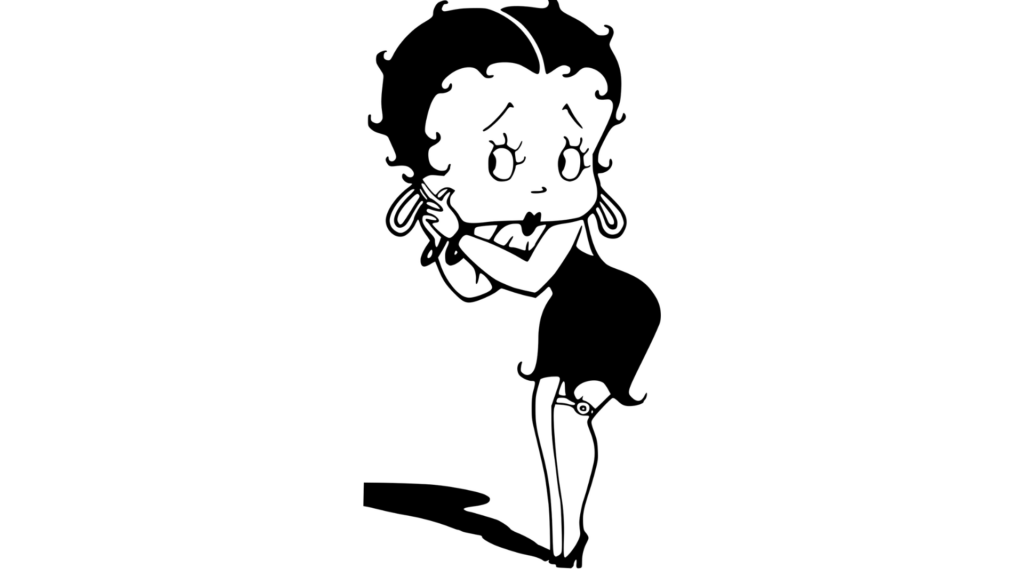
Creator: Max Fleischer
Betty Boop was radical for her time. She embodied independence, sensuality, and expressive freedom in an era of rigid norms. Influenced by jazz culture, her cartoons blended surrealism, music, and urban modernity.
The later imposition of the Hays Code curtailed her boldness, but her legacy endured. Betty remains one of animation’s earliest and most complex female icons.
Why Betty endures: She proved animation could be stylish, adult, and culturally daring.
6. Mystery Inc. (1969)
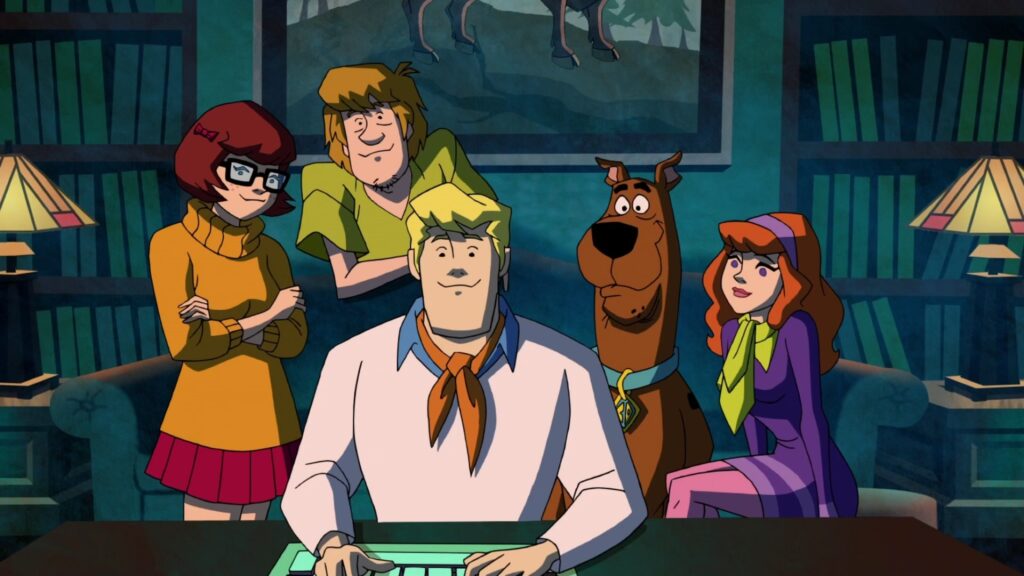
Creators: Joe Ruby & Ken Spears
Series: Scooby-Doo, Where Are You!
Mystery Inc. introduced genre literacy to children’s animation. By combining horror tropes with logic and humor, it taught skepticism: monsters were usually human villains in disguise.
Each character represented a different problem-solving style, emphasizing teamwork and critical thinking. The formula proved endlessly adaptable across generations.
Why Mystery Inc. endures: Curiosity and logic disguised as fun.
7. Popeye the Sailor (1929)

Creator: E. C. Segar
Popeye represented working-class resilience. His spinach-fueled strength symbolized perseverance rather than privilege, resonating during economic hardship.
His rough speech, exaggerated form, and moral clarity distinguished him from polished heroes—and famously influenced real-world spinach consumption.
Why Popeye endures: Strength earned through grit and determination.
8. Snoopy (1950)
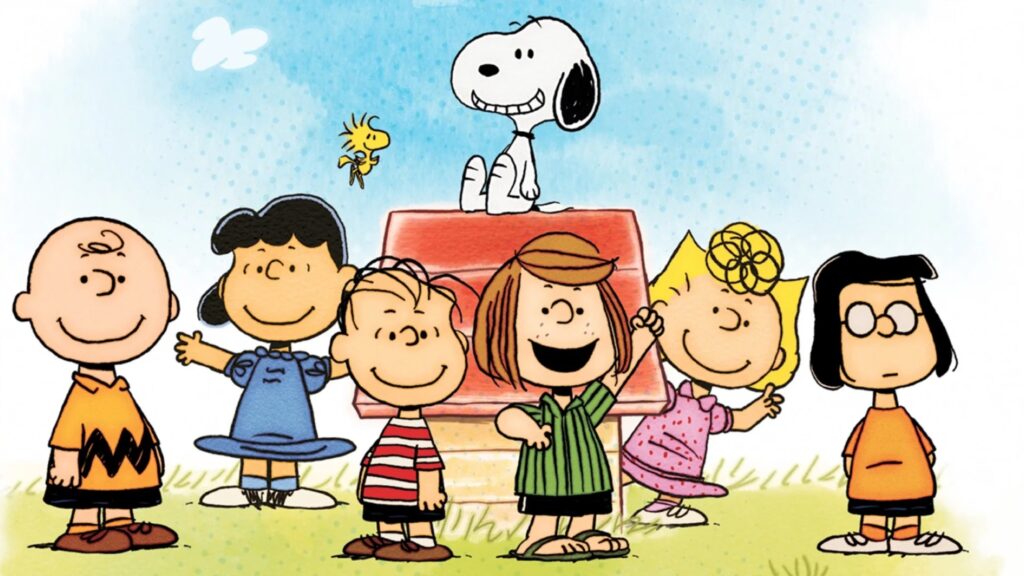
Creator: Charles M. Schulz
Series: Peanuts
Snoopy’s imagination became a survival strategy. Through fantasy personas, he navigated loneliness, routine, and quiet sadness.
With minimal dialogue and gentle humor, Snoopy expressed emotional depth rarely seen in comics.
Why Snoopy endures: Imagination as emotional resilience.
9. The Flintstones (1960)
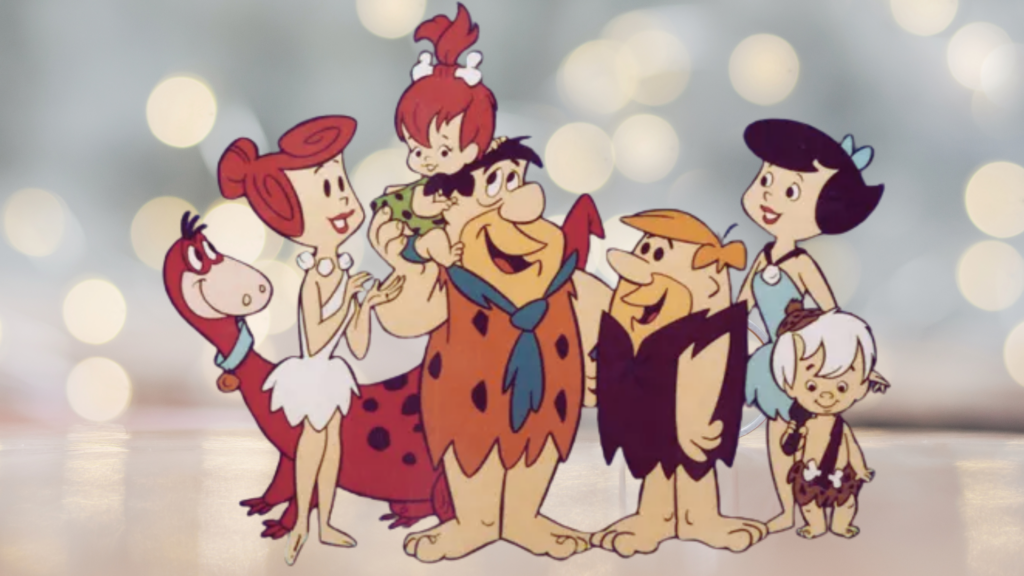
Image © Hanna-Barbera Productions
Creators: Hanna-Barbera
The Flintstones pioneered prime-time animation for adults, using a prehistoric setting to satirize suburban life.
Fred Flintstone embodied the flawed everyman, proving animation could reflect adult social realities without losing accessibility.
Why The Flintstones endure: Domestic comedy that transcends eras.
10. Speedy Gonzales (1953)
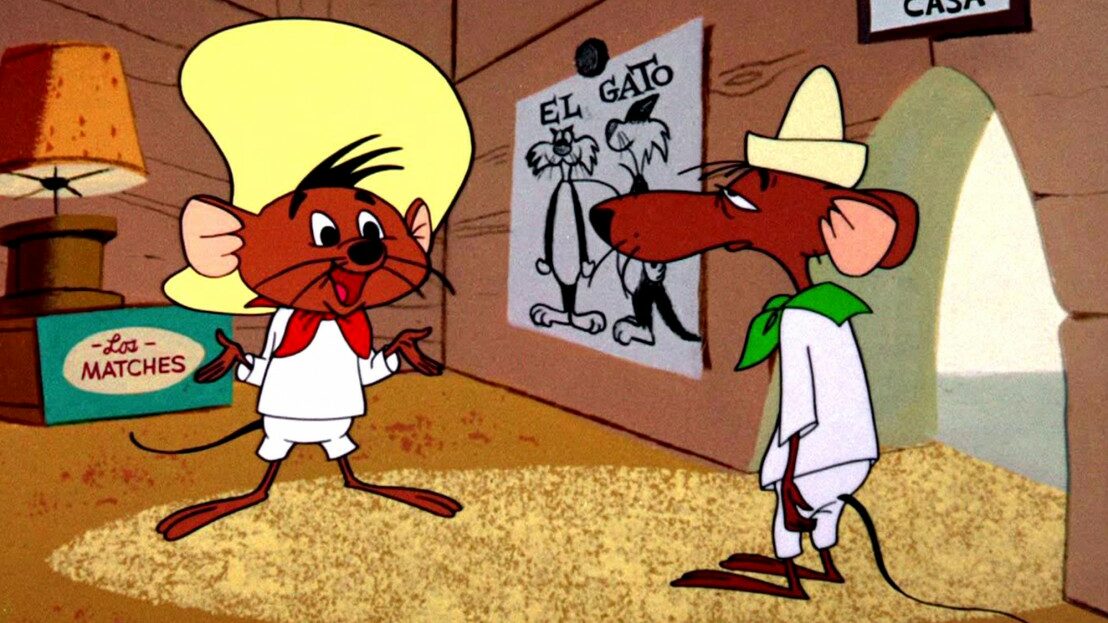
Creators: Friz Freleng & Hawley Pratt
Speedy Gonzales remains both beloved and debated. At his best, he represented intelligence, confidence, and triumph against adversity.
Modern reassessments highlight the importance of context and responsible reinterpretation—demonstrating how cartoon legacies evolve.
Why Speedy endures: Agility, wit, and ongoing cultural dialogue.
11. The Pink Panther (1963)
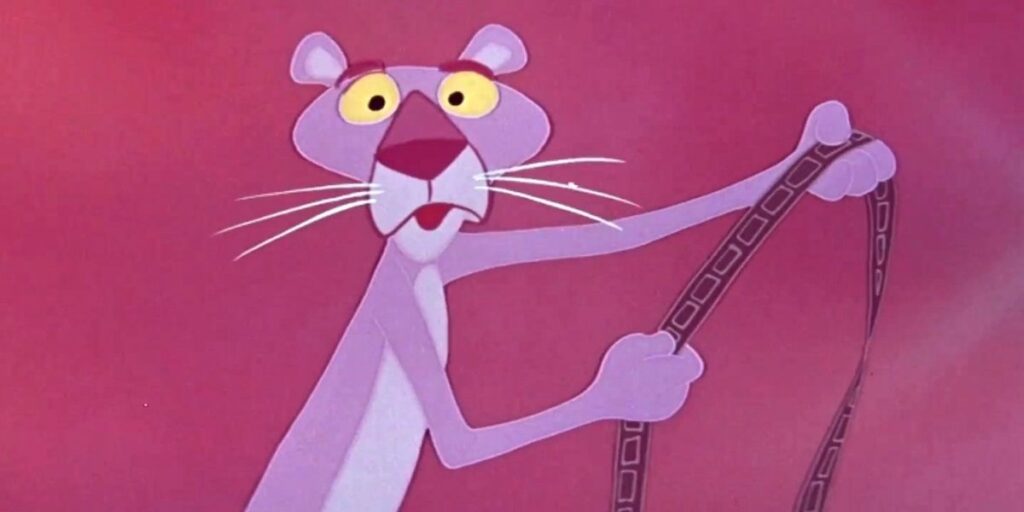
Creators: Blake Edwards & Friz Freleng
Studio: DePatie–Freleng Enterprises
The Pink Panther is one of animation’s most refined achievements—proof that a character does not need dialogue to communicate personality, humor, or narrative. Originally created for the animated title sequence of The Pink Panther film (1963), the character quickly eclipsed his original supporting role and became a star in his own right.
What made the Pink Panther revolutionary was his reliance on pure visual storytelling. His comedy emerged from timing, body language, and music—particularly Henry Mancini’s iconic jazz-infused theme, which became inseparable from the character’s identity. Every movement felt choreographed, almost balletic, reflecting Friz Freleng’s mastery of rhythm-based animation.
In contrast to the manic energy common in mid-century cartoons, the Pink Panther was calm, stylish, and ironic. He rarely rushed, never panicked, and often let others self-destruct around him. This sophistication made the character feel timeless and internationally accessible, as humor did not depend on language or cultural references.
The Pink Panther’s minimalist design—elongated body, limited facial features, and expressive posture—has influenced generations of animators, designers, and advertising creatives.
Why he endures: Sophistication through simplicity; elegance as comedy.
12. The Simpsons (1989)
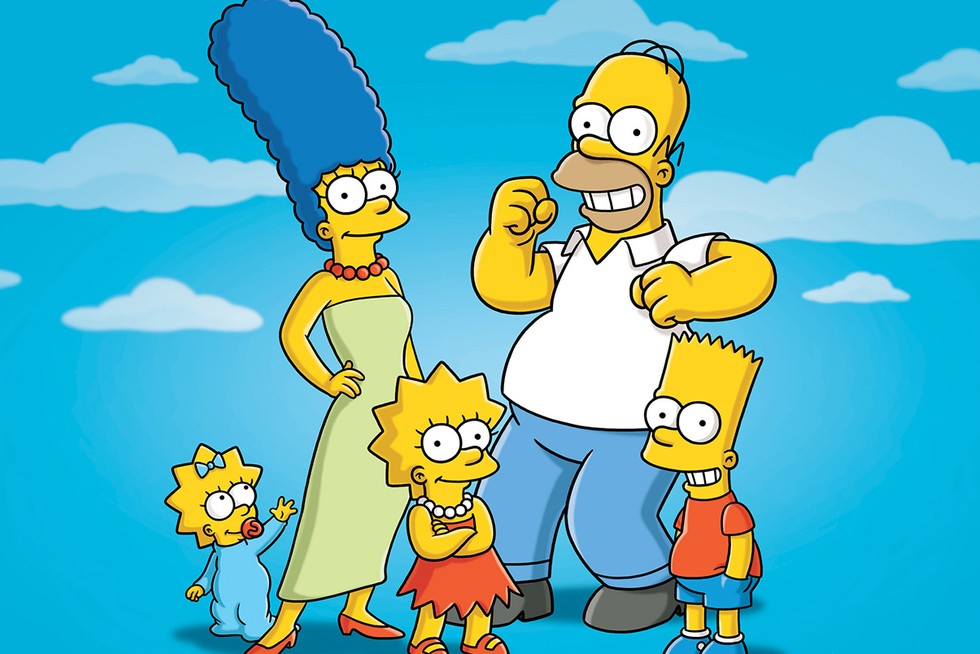
Creator: Matt Groening
Network: Fox
When The Simpsons premiered in 1989, it permanently altered the landscape of animated television. No longer confined to children’s programming or slapstick comedy, animation became a vehicle for satire, social critique, and emotional storytelling aimed squarely at adults.
The Simpson family functions as a distorted mirror of modern society. Homer Simpson, in particular, redefined the animated father figure. He is selfish, ignorant, impulsive, and deeply flawed—but also capable of love, loyalty, and vulnerability. This contradiction made Homer one of the most complex and influential cartoon characters of the 20th century.
Beyond individual characters, The Simpsons excelled at cultural observation. Politics, religion, consumerism, media, education, and class struggle were all filtered through humor sharp enough to critique yet accessible enough to entertain. The show’s ability to evolve with the times—updating its targets and tone—has been key to its longevity.
Artistically, the series normalized a distinctive visual style that prioritized expressiveness over realism, influencing countless animated sitcoms that followed.
Why The Simpsons endure: Satire that grows alongside the culture it critiques.
13. SpongeBob SquarePants (1999)
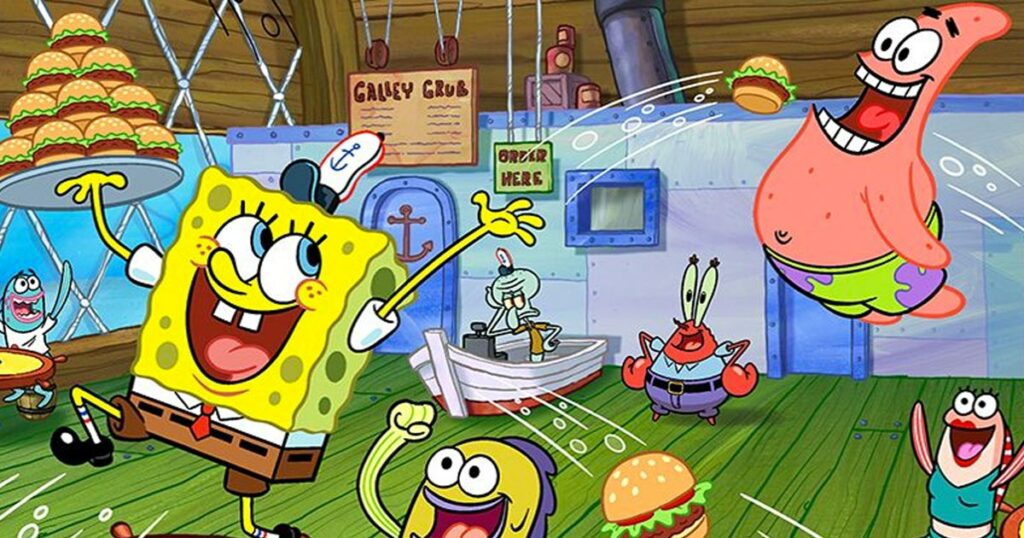
Creator: Stephen Hillenburg
Network: Nickelodeon
SpongeBob SquarePants arrived at the end of the 20th century carrying an energy that felt both nostalgic and radically new. Drawing inspiration from classic rubber-hose animation while embracing surreal humor, SpongeBob became a bridge between generations of cartoon viewers.
At his core, SpongeBob represents joy without cynicism. In an era increasingly defined by irony, sarcasm, and detachment, SpongeBob’s unfiltered enthusiasm felt refreshing. He loves his job, cherishes his friendships, and greets adversity with relentless optimism—not because he is naïve, but because he chooses happiness.
The world of Bikini Bottom is deceptively layered. Its visual absurdity supports jokes that operate on multiple levels: physical comedy for children, existential humor for adults, and satirical commentary on work, ambition, and social conformity.
SpongeBob’s expressive animation, meme-worthy faces, and musical timing cemented him as one of the last great icons of 20th-century animation—while ensuring his dominance well into the 21st.
Why SpongeBob endures: Joy without irony, optimism without apology.
14. Yogi Bear (1958)
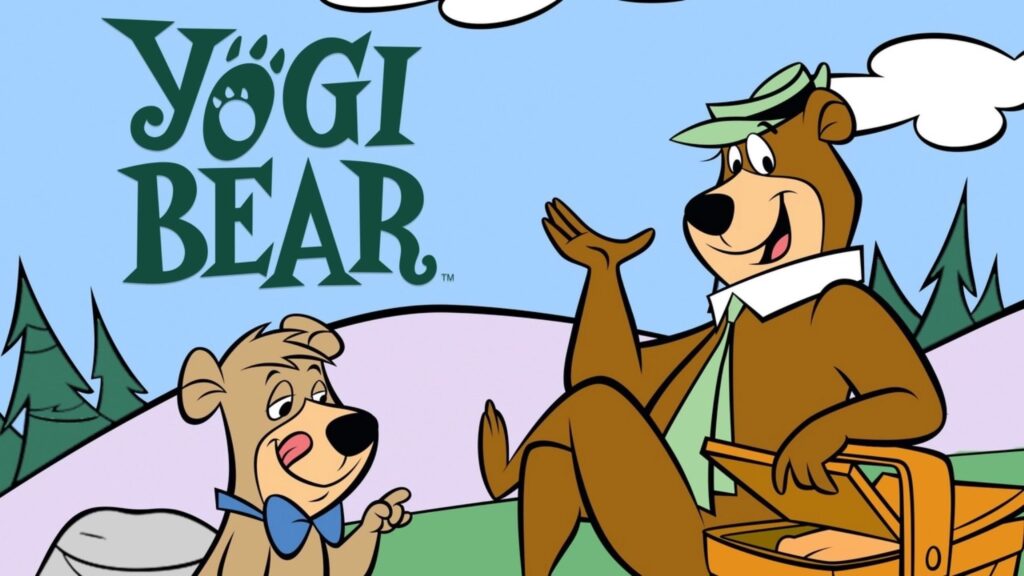
Studio: Hanna-Barbera
Yogi Bear emerged during the rise of television animation, when budgets were smaller and creativity needed to work smarter. Hanna-Barbera responded with character-driven humor, and Yogi Bear quickly stood out as one of their most charismatic creations.
Living in Jellystone Park, Yogi was a rebel within polite society. His obsession with picnic baskets was less about hunger and more about clever defiance of authority—particularly Ranger Smith, who represented rules, order, and supervision. Yogi’s intelligence (“smarter than the average bear”) made him feel like an underdog hero rather than a nuisance.
Yogi’s humor relied heavily on timing, dialogue, and personality rather than action-heavy animation, helping define the television cartoon format for decades.
Why Yogi endures: Rule-breaking delivered with charm and wit.
15. Woody Woodpecker (1940)
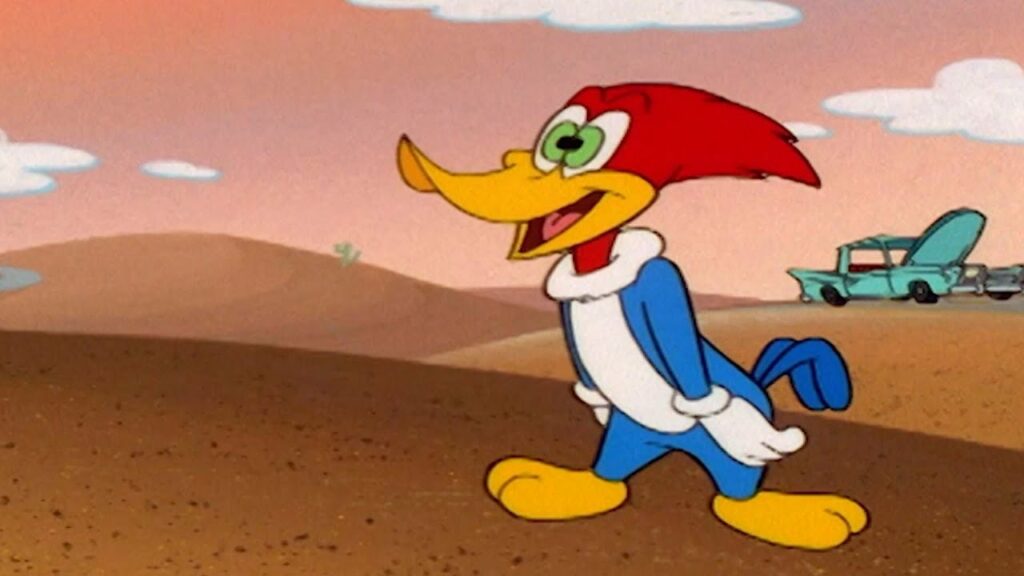
Creator: Walter Lantz
Woody Woodpecker is animation at its most unrestrained. With his piercing laugh and explosive energy, Woody embodied the anarchic spirit of early cartoon shorts—where rules existed only to be broken.
Unlike more controlled characters, Woody thrived on chaos. He was unpredictable, often antagonistic, and delightfully unhinged. His cartoons frequently pushed the limits of acceptable behavior, turning destruction, noise, and disruption into comedy.
Woody’s design and performance drew heavily from vaudeville and slapstick traditions, preserving animation’s roots in exaggerated physical performance.
Why Woody endures: Unfiltered cartoon madness—pure animated rebellion.
16. Daffy Duck (1937)

Creators: Tex Avery & Bob Clampett
Studio: Warner Bros.
Daffy Duck may be the most psychologically rich character in classic animation. Where Bugs Bunny is effortless confidence, Daffy is effort itself—ambition, insecurity, ego, jealousy, and desperation colliding in spectacular fashion.
Over time, Daffy evolved from a zany wild card into a deeply expressive character whose failures became the joke. His frustration at never being the star mirrors human anxieties about recognition and self-worth, making him strangely relatable.
Daffy’s elastic personality allowed writers to explore meta-humor, breaking the fourth wall and commenting on cartoon logic itself. In many ways, Daffy anticipated modern self-aware comedy.
Why Daffy endures: Ego transformed into comedic art.
17. The Jetsons (1962)
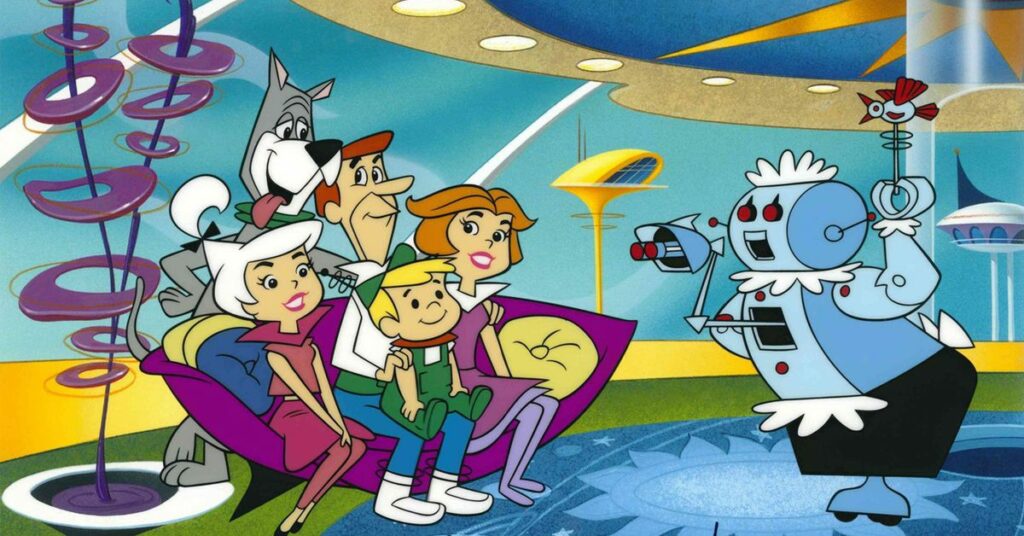
Studio: Hanna-Barbera
The Jetsons captured the optimism of the Space Age. Flying cars, robot assistants, video calls, and automated homes reflected a future imagined as clean, efficient, and liberating.
While humorous, the show also subtly commented on consumer culture, workplace monotony, and technological dependence—often predicting developments that later became reality.
The Jetsons endure not because their future came true exactly, but because they embodied hope: the belief that progress could improve daily life.
Why they endure: Hopeful futurism with a human core.
18. Fred Flintstone (1960)
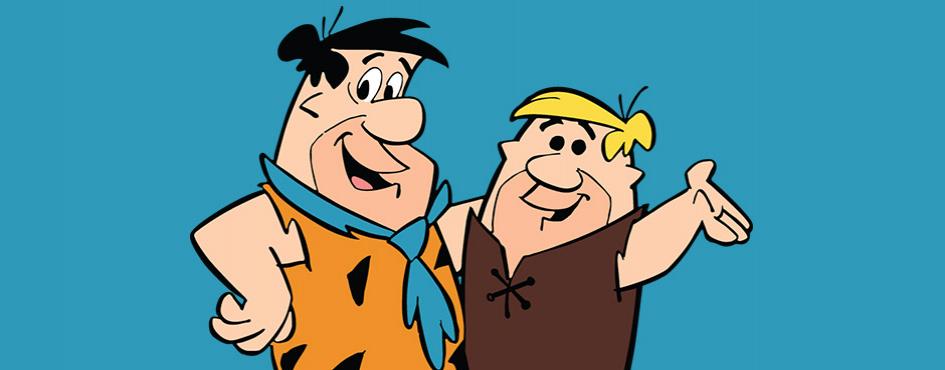
Series: The Flintstones
Voice: Alan Reed
Fred Flintstone deserves recognition beyond his ensemble role. As one of animation’s earliest working-class protagonists, Fred embodied frustration, pride, insecurity, and loyalty—all wrapped in exaggerated humor.
His catchphrases (“Yabba Dabba Doo!”), explosive temper, and devotion to family made him instantly recognizable. Fred’s flaws made him human; his persistence made him lovable.
Fred set the template for animated sitcom fathers that followed.
Why Fred endures: The everyman, timelessly exaggerated.
19. Scooby-Doo (1969)
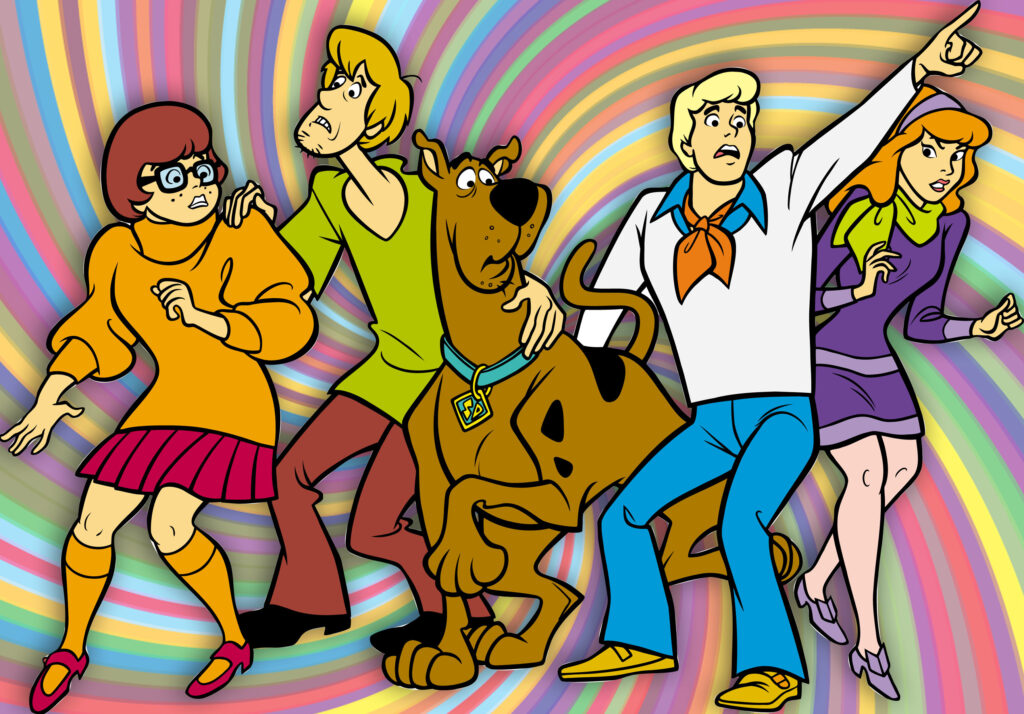
Creators: Joe Ruby & Ken Spears
Scooby-Doo is defined by contradiction. He is cowardly yet loyal, foolish yet perceptive, fearful yet brave when it matters most. These traits made him one of animation’s most emotionally accessible characters.
Scooby’s fear is not mocked—it is acknowledged. His courage lies not in fearlessness, but in acting despite fear, often to help friends.
That emotional honesty is why Scooby remains beloved across generations.
Why Scooby endures: Courage despite fear.
20. Pinky and the Brain (1995)
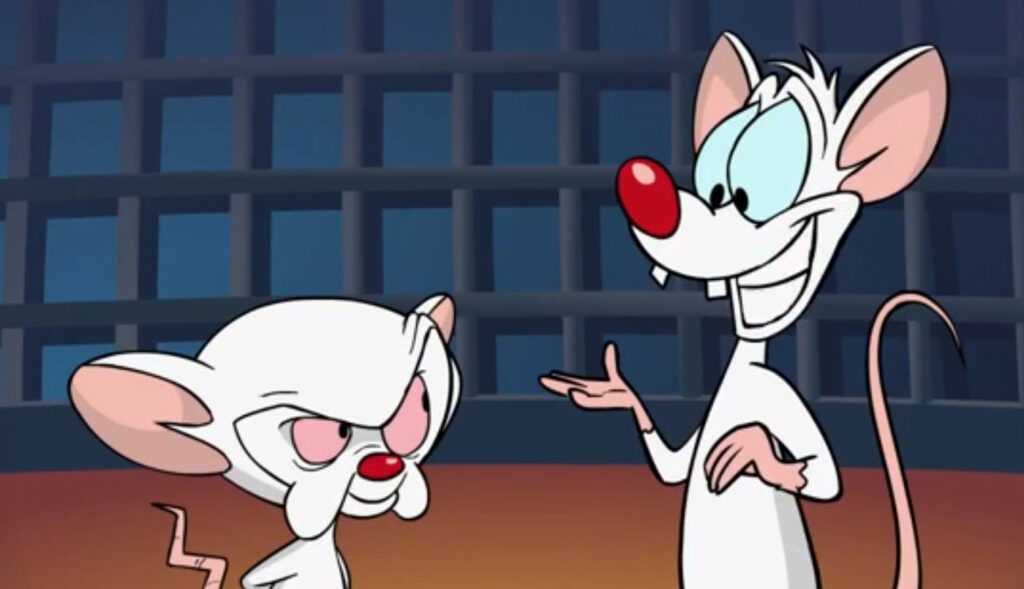
Creator: Tom Ruegger
Pinky and the Brain distilled intellectual satire into cartoon form. Brain’s obsessive quest for world domination contrasts perfectly with Pinky’s joyful nonsense, creating a philosophical comedy disguised as slapstick.
The series parodied ambition, authoritarianism, and intellectual arrogance, often revealing that intelligence without empathy leads nowhere.
Its humor rewarded attentive viewers, making it a cult favorite that continues to resonate.
Why they endure: Intelligence and nonsense in perfect balance.
Read also: The 20 Iconic Cartoon Characters of the 20th Century and 10 Iconic Cartoon Characters That Shaped Pop Culture
Best Cartoon Characters: Why the 20th Century Still Matters
These 20 characters didn’t merely entertain—they shaped how stories are told, how humor functions, and how animation reflects humanity. They laid the foundation upon which modern animation stands.
Their endurance reminds us that great characters are not defined by technology, but by emotion, clarity, and truth.
At Toons Mag, we continue to celebrate these legacies—while supporting new voices who will define the next century of cartoon storytelling.
This post was created with our nice and easy submission form. Create your post!







8 Comments