


 Simon Cress

Top 10 Most Iconic Cartoon Characters of All Time: Cartoons have been a cornerstone of global entertainment for more than a century, shaping childhood memories, influencing pop culture, and reflecting social values across generations. From the hand-drawn pioneers of the early 20th century to the digitally animated icons of today, certain cartoon characters have transcended their original screens to become universal symbols of creativity, humor, and storytelling brilliance.
These characters are not merely animated figures—they are cultural landmarks. They inspire merchandise empires, theme parks, fan communities, academic studies, and even philosophical discussions about identity, heroism, and human emotion.
In this in-depth exploration, we revisit the Top 10 Most Iconic Cartoon Characters of All Time, examining not only how they were created, but why they continue to endure.
1. Mickey Mouse: The Originator (1928)
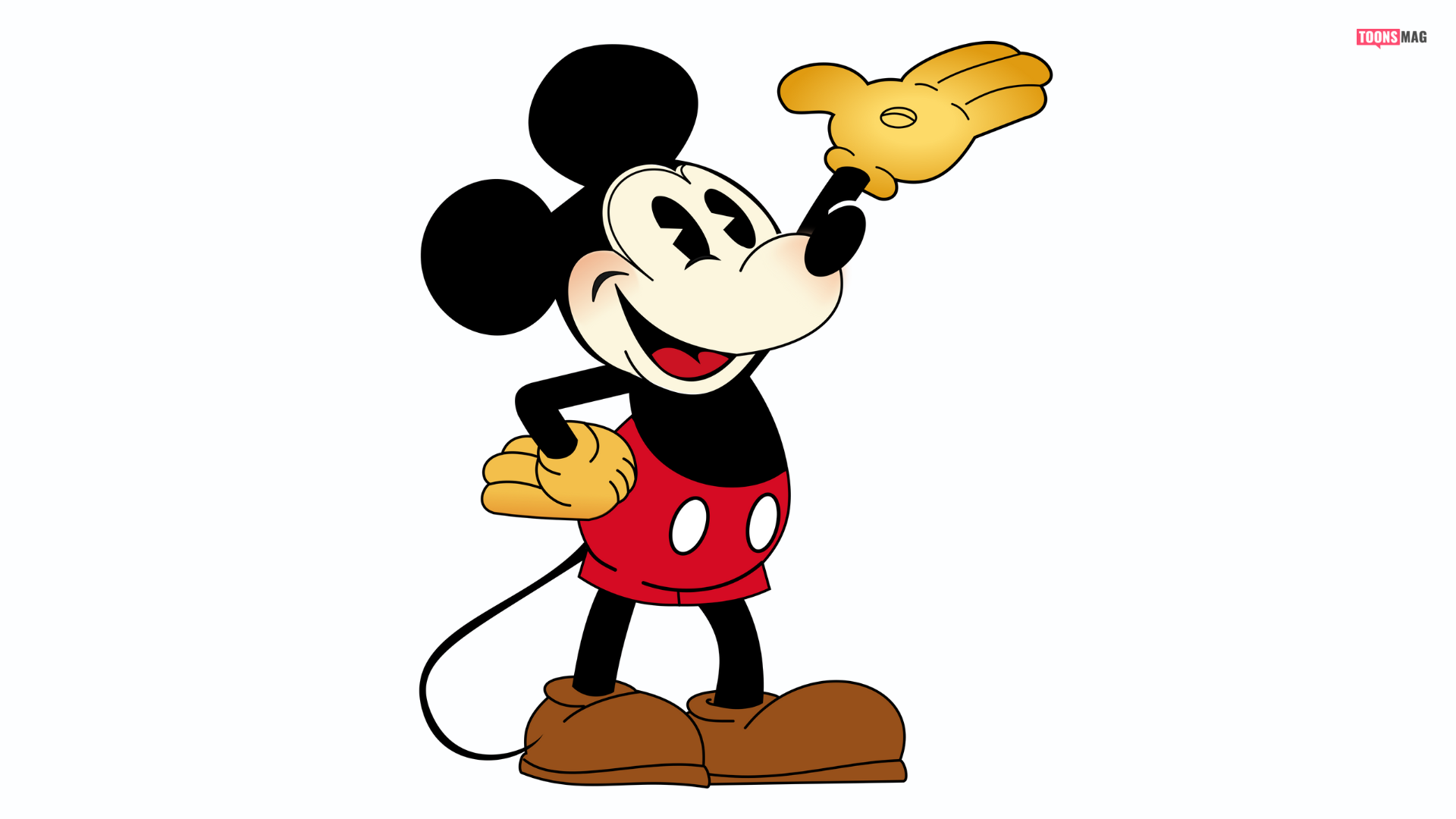
No discussion of iconic cartoon characters can begin anywhere but with Mickey Mouse. Created by Walt Disney and Ub Iwerks, Mickey made his groundbreaking debut in Steamboat Willie (1928), one of the first synchronized sound cartoons in history.
Mickey’s early personality was mischievous and rebellious, reflecting the optimism and resilience of audiences during the Great Depression. Over time, he evolved into a symbol of kindness, perseverance, and imagination—becoming the public face of The Walt Disney Company.
His instantly recognizable design—round ears, white gloves, red shorts—transcends language and culture. Mickey is not just a cartoon character; he is the blueprint for animated stardom.
Why Mickey Endures:
Mickey represents innovation itself. Every era of animation—from sound to color to digital—has carried his influence forward.
2. Bugs Bunny: The Wise-cracking Hare (1938)
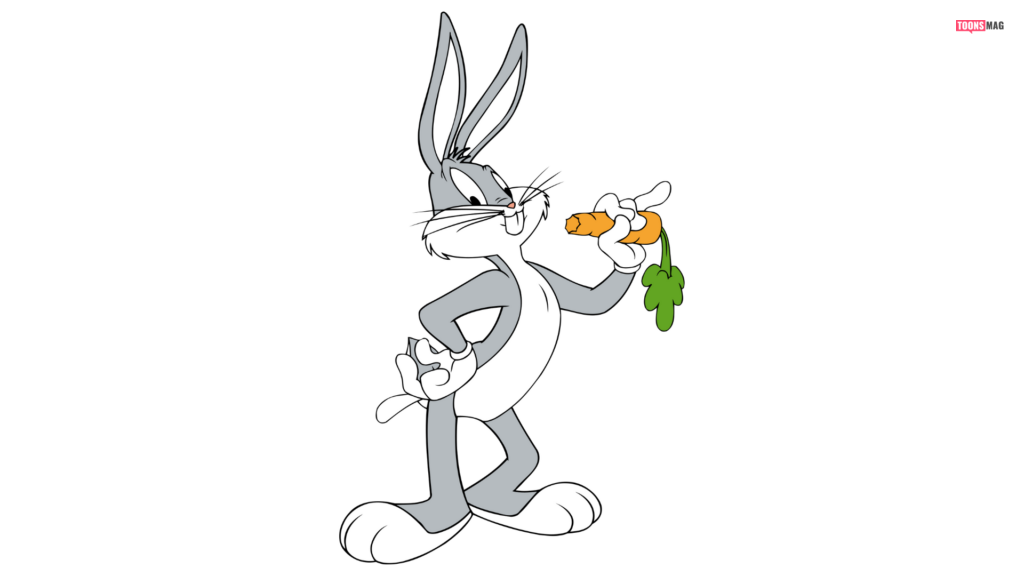
Introduced by Warner Bros. in 1938, Bugs Bunny redefined what an animated character could be. Cool, clever, and unflappable, Bugs thrived on intelligence rather than strength.
His famous catchphrase—“What’s up, Doc?”—captured his relaxed confidence, even in the face of danger. Bugs regularly outwitted hunters, villains, and authority figures, making him a symbol of wit over brute force.
Unlike traditional heroes, Bugs often broke the fourth wall, interacting directly with audiences and reshaping animated comedy into a form of sophisticated satire.
Why Bugs Endures:
Bugs Bunny embodies smart rebellion—humor as a weapon and intelligence as power.
3. Superman: The Superhero Pioneer (1938)
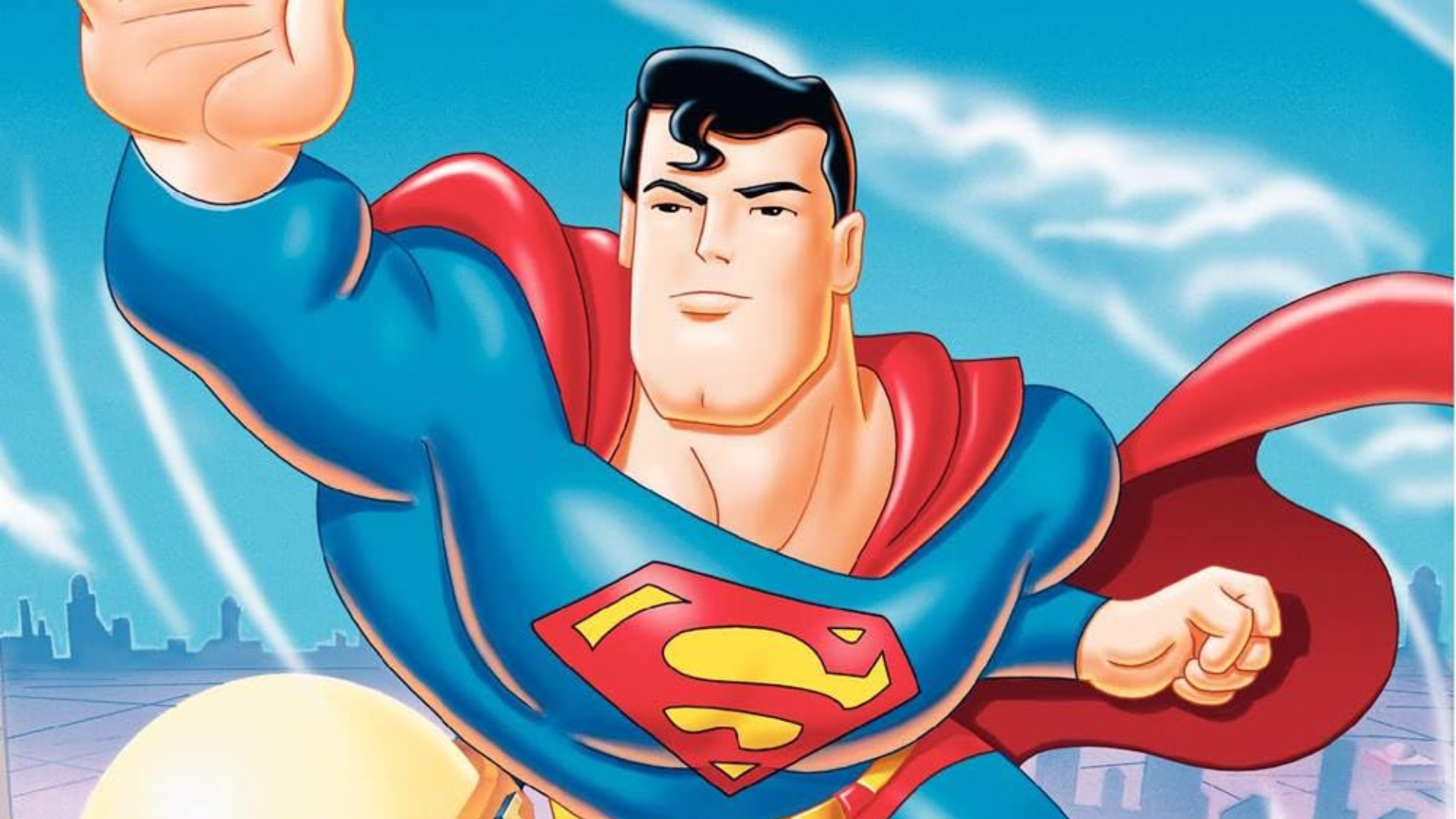
Though born in comic books, Superman’s animated legacy cemented his role as the ultimate superhero archetype. His Fleischer Studios cartoons (1941–1943) set new standards for animation quality, dramatic storytelling, and heroic mythmaking.
Superman represented hope during uncertain times, especially during World War II. His animated portrayals emphasized not just power, but responsibility, morality, and compassion.
Every superhero cartoon that followed—from Batman to modern anime heroes—owes a debt to Superman’s animated presence.
Why Superman Endures:
He established the moral compass of heroism—power guided by empathy.
4. SpongeBob SquarePants: The Underwater Enigma (1999)
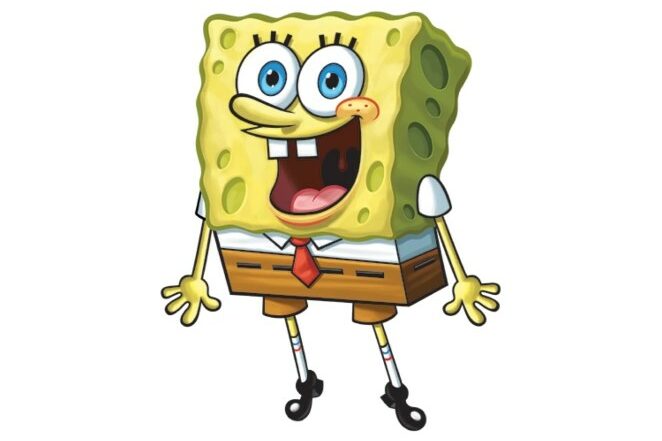
Created by marine biologist Stephen Hillenburg, SpongeBob SquarePants premiered in 1999 and quickly became one of the most influential cartoons of the modern era.
SpongeBob’s boundless optimism, absurd humor, and surreal storytelling appealed to children while secretly captivating adults. His world is bright, chaotic, and deeply human—despite being underwater.
In the age of social media, SpongeBob became a meme icon, extending his relevance far beyond television.
Why SpongeBob Endures:
He proves that sincerity and absurdity can coexist—and thrive.
5. Homer Simpson: The Animated Everyman (1989)

When The Simpsons debuted in 1989, it permanently altered animation. At its center stood Homer Simpson—a deeply flawed, endlessly human character.
Homer is lazy, impulsive, and often foolish, yet emotionally honest and oddly philosophical. His failures reflect real-world struggles, making him relatable across cultures.
Homer normalized adult-oriented animation, paving the way for shows like Family Guy, South Park, and Rick and Morty.
Why Homer Endures:
He mirrors humanity—messy, imperfect, and strangely lovable.
6. Scooby-Doo: The Mystery-Solving Canine (1969)
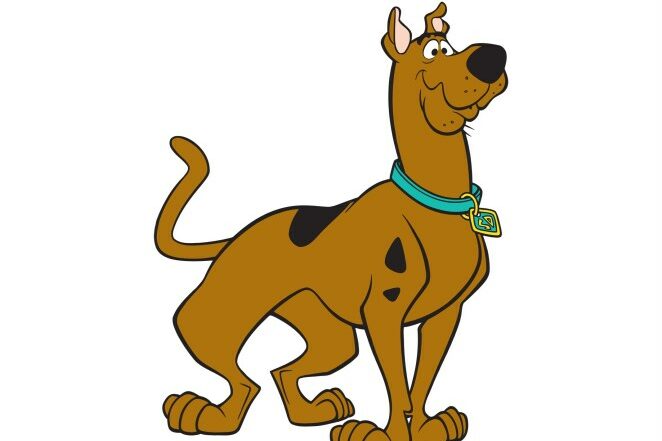
Scooby-Doo debuted in 1969 alongside the Mystery Inc. gang—Fred, Daphne, Velma, and Shaggy. Together, they introduced generations to mystery-solving adventures that blended humor with suspense.
Scooby’s cowardice, paired with loyalty and heart, made him instantly endearing. The series subtly taught skepticism: monsters weren’t real—fear often masked human deception.
Why Scooby-Doo Endures:
It champions friendship, logic, and curiosity over superstition.

7. Pikachu: The Electric Pokémon (1996)
Introduced in 1996, Pikachu became the face of the Pokémon franchise and one of the most recognizable animated characters in history.
Despite saying only his name, Pikachu conveys emotion through animation alone—joy, anger, loyalty, and bravery. His bond with Ash in the Pokémon anime helped redefine emotional storytelling in children’s animation.
Why Pikachu Endures:
He proves that simplicity and emotional clarity can achieve global appeal.
8. Tom and Jerry: The Classic Rivalry (1940)
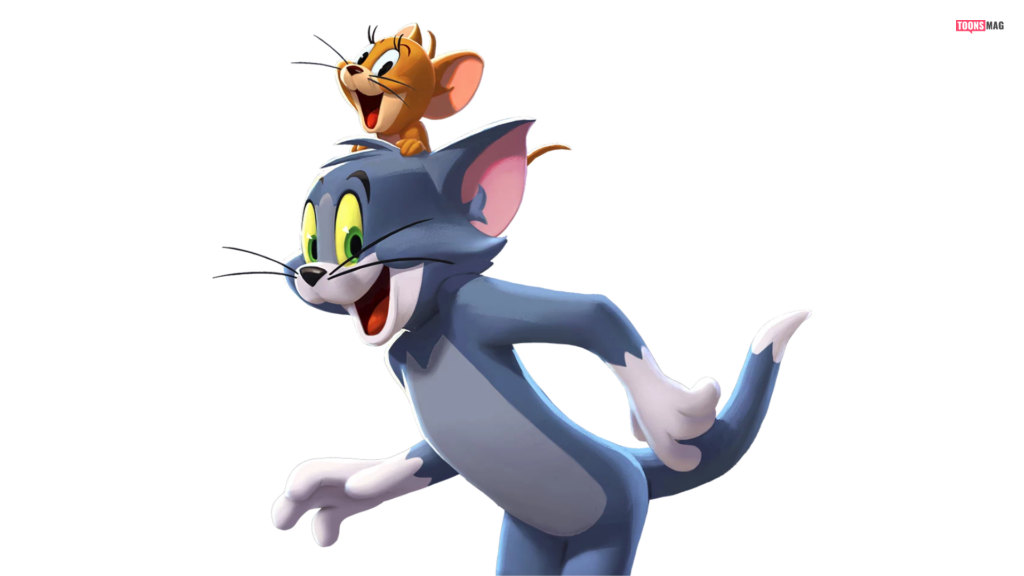
Created by William Hanna and Joseph Barbera, Tom and Jerry debuted in 1940 and became synonymous with slapstick comedy.
With minimal dialogue, the series relied on timing, music, and exaggerated motion—earning multiple Academy Awards. Their endless chase reflects comedic tradition at its purest.
Why Tom and Jerry Endure:
Their humor transcends language, culture, and time.
9. Daffy Duck: The Zany Entertainer (1937)

Daffy Duck burst onto screens in 1937 as a wild, unpredictable foil to calmer characters like Bugs Bunny.
Unlike Bugs’ confidence, Daffy is driven by jealousy, ego, and insecurity—making him hilariously human. His exaggerated emotions influenced modern comedic anti-heroes.
Why Daffy Endures:
He represents the chaos of unchecked ambition and fragile pride.
10. Elsa: The Snow Queen (2013)

Elsa redefined the modern Disney heroine. Rather than focusing on romance, Frozen explored self-acceptance, fear, and emotional repression.
Her anthem “Let It Go” became a global cultural moment, and Elsa’s story resonated deeply with audiences seeking authenticity and empowerment.
Why Elsa Endures:
She reflects modern identity struggles—learning to embrace who you are.
Top 10 Most Iconic Cartoon Characters of All Time: Why These Icons Matter
These ten characters represent more than animation milestones—they are cultural mirrors. Each reflects the era in which they were born while adapting to new generations and technologies.
From Mickey Mouse’s pioneering optimism to Elsa’s modern emotional honesty, these icons demonstrate why animation remains one of the most powerful storytelling mediums in human history.
As animation continues to evolve, these characters remain timeless—proof that great characters never fade; they evolve.
Read also
- Ranking the Top 10 Animal Cartoon Characters with Irresistible Personalities
- Counting Down the Top 10 Cartoon Characters in Video Games
- Top 10 Sci-Fi Cartoon Characters from Futuristic Worlds
- The Top 10 Cartoon Characters Who Transcended Screens to Become Iconic Merchandise Brands
FAQs: Top 10 Most Iconic Cartoon Characters of All Time
Q1: Who is considered the most iconic cartoon character of all time?
A1: Mickey Mouse is widely considered the most iconic cartoon character ever. Created by Walt Disney and Ub Iwerks in 1928, Mickey Mouse is an enduring symbol of animation and the face of Disney.
Q2: When did Bugs Bunny first appear, and what makes him iconic?
A2: Bugs Bunny made his first appearance in 1938. He is known for his calm attitude, quick wit, and trademark phrase, “What’s up, Doc?” Bugs Bunny has become an enduring and beloved Warner Bros. animation studio character.
Q3: How did Superman contribute to the world of animation?
A3: Superman, originally a comic book character, made his animated debut in 1941. His animated adaptations played a crucial role in defining the superhero genre, influencing subsequent generations of animated and live-action superhero portrayals.
Q4: What is the cultural significance of SpongeBob SquarePants?
A4: Premiering in 1999, SpongeBob SquarePants has become a global phenomenon. With humor appealing to all ages, SpongeBob’s cultural significance lies in his ability to enchant audiences with nautical adventures in Bikini Bottom.
Q5: Who is Homer Simpson, and what makes him iconic?
A5: Homer Simpson is the patriarch of the Simpson family, featured in the animated sitcom “The Simpsons,” which premiered in 1989. Homer’s relatable flaws, humor, and absurd situations have made him an enduring and iconic character.
Q6: What is Scooby-Doo known for in the world of cartoons?
A6: Scooby-Doo, introduced in 1969, is known for solving mysteries alongside his teenage companions. The animated series “Scooby-Doo, Where Are You!” impacted the mystery genre, featuring the iconic Great Dane in unmasking villains.
Q7: How did Pikachu become an iconic character in the anime world?
A7: Pikachu, the electric mouse Pokémon, debuted in 1996 and became the mascot of the Pokémon franchise. Pikachu’s cute appearance and widespread popularity transcends cultural boundaries, symbolizing the Pokémon brand.
Q8: When did Tom and Jerry first appear, and what defines their iconic status?
A8: Tom and Jerry, the classic cat-and-mouse duo, debuted in 1940. Despite the lack of dialogue, their timeless slapstick antics define their iconic status, entertaining audiences for generations.
Q9: Who is Daffy Duck, and what sets him apart as a character?
A9: Daffy Duck emerged as a zany and unpredictable character in 1937. With a distinct lisp and manic energy, Daffy became a trailblazer for animated characters, unafraid to embrace their quirks and eccentricities.
Q10: Why is Elsa from “Frozen” considered an iconic modern character?
A10: Elsa, the Snow Queen from Disney’s “Frozen,” is considered iconic for her journey of self-discovery and empowerment. Her anthem, “Let It Go,” became a cultural phenomenon, contributing to Elsa’s lasting impact in modern animated films.
This post was created with our nice and easy submission form. Create your post!







5 Comments