

 Sondre Borg

The Influence of Cartoons on Language and Slang: Cartoons have always been more than just animated entertainment. They’re cultural touchstones that shape how we talk, laugh, and even think. In our day-to-day conversations, you might catch yourself repeating a funny catchphrase from a beloved character or using a quirky term you first heard on screen. This article dives into how cartoons contribute to the evolution of language and slang, highlighting their impact on pop culture, communication, and social behavior.
1. Cartoons as a Cultural Language Laboratory
Have you ever wondered why certain phrases or words stick in your mind after watching a cartoon? It’s because cartoons serve as a dynamic language laboratory, blending humor, storytelling, and creative expression into memorable soundbites. These animated gems aren’t just for kids—they leave a lasting imprint on viewers of all ages, often influencing how we communicate in our daily lives.
2. A Historical Overview of Cartoon Influence on Language
2.1 The Early Days: Pioneering Animated Catchphrases
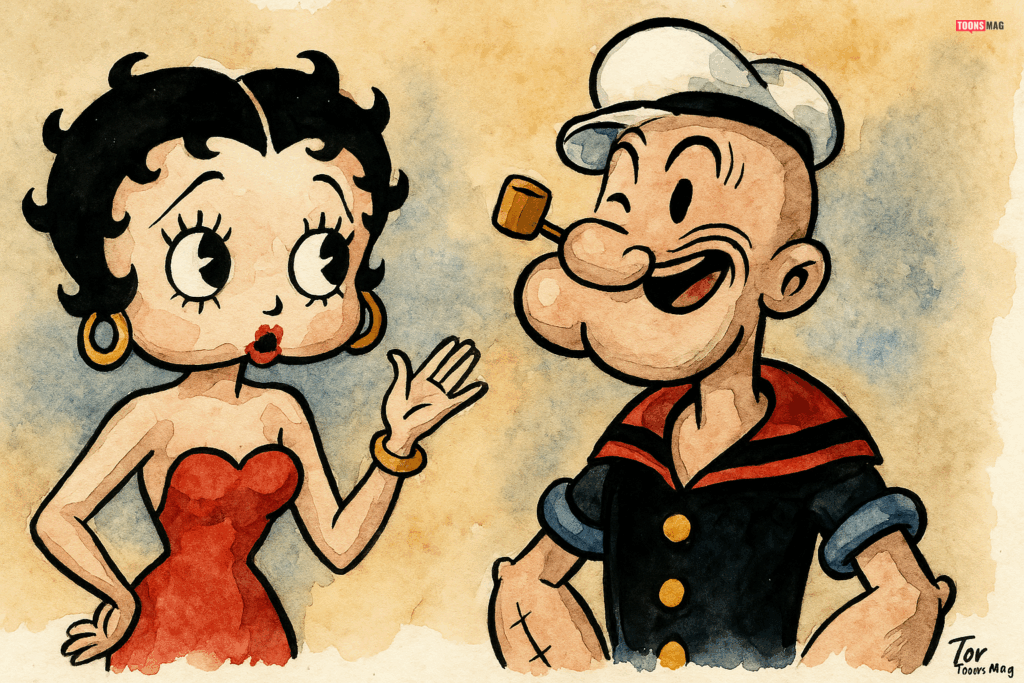
Cartoons have been part of our cultural fabric for nearly a century. Early animations like Betty Boop and Popeye introduced audiences to catchy expressions that became part of everyday vocabulary. These early examples set the stage for the evolution of language, as animated characters became synonymous with unique, playful ways of speaking.
2.2 Evolution Through the Decades
Over the years, cartoons evolved from simple silent antics to complex narratives filled with humor and wit. With the advent of television and later the internet, cartoons reached broader audiences. Shows such as The Simpsons and South Park not only entertained but also introduced viewers to irreverent slang and satirical commentary, reshaping the way people express themselves.
3. Memorable Catchphrases and Their Lingering Impact
3.1 Iconic Lines That Transcend Generations
Some cartoon catchphrases have become so iconic that they’ve transcended the screen and found a permanent place in everyday conversation. Consider Homer Simpson’s “D’oh!”—a simple exclamation that has become a universal expression of frustration. Similarly, characters from Scooby-Doo have given us words like “Ruh-roh,” which instantly evoke the spirit of adventure and humor.
3.2 Why Catchphrases Stick
Catchphrases in cartoons are crafted with precision—they’re short, memorable, and often accompanied by visual gags or distinctive character expressions. This combination of sound and sight makes the phrases more engaging, ensuring they stick in the minds of viewers. The repetition of these lines across episodes cements them in popular culture, making them go-to expressions in everyday language.
4. How Cartoons Introduce New Slang
4.1 A Playground for Linguistic Creativity
Cartoons provide a safe space for experimenting with language. Writers and animators often invent new words or phrases to suit the quirky world of their characters. This linguistic creativity allows for a playful exploration of language, where rules can be bent or even broken, giving rise to slang that feels both fresh and fun.
4.2 The Role of Humor and Exaggeration
Humor is a key driver behind the adoption of new slang. When a word or phrase makes us laugh, we’re more likely to remember and repeat it. Cartoons frequently exaggerate language to enhance comedic effect, and this hyperbolic style can inspire viewers to adopt these expressions as a form of social currency.
5. The Role of Iconic Cartoon Characters
5.1 Characters Who Define a Generation
Certain cartoon characters are not just entertainment icons—they become linguistic role models. Characters like Bugs Bunny, Mickey Mouse, and SpongeBob SquarePants have unique ways of speaking that influence how we use language. Their distinct voices and recurring catchphrases often find their way into casual conversation, demonstrating the power of animated characters to shape linguistic trends.
5.2 The Personal Connection
When you grow up watching a particular character, their language often becomes part of your personal lexicon. Whether it’s a comforting phrase or a humorous retort, these expressions create a shared language among fans, forming bonds that go beyond the screen.
6. The Social Impact of Cartoon-Inspired Slang
Cartoon-inspired language plays a significant role in building communities. Fans of a particular show often use common expressions that signal their shared interests and experiences. This shared language helps create a sense of belonging, whether at school, work, or online forums.
6.2 A Bridge Across Generations
One of the most remarkable aspects of cartoon slang is its ability to bridge age gaps. Grandparents and grandchildren alike might laugh at the same quirky catchphrase or discuss a favorite animated moment, reinforcing intergenerational connections through a common linguistic thread.
7. The Role of Social Media in Spreading Cartoon Slang
7.1 Viral Moments and Meme Culture
In today’s digital age, social media platforms act as amplifiers for cartoon slang. A funny line from an animated show can quickly become a meme, shared across Twitter, Instagram, and TikTok. These viral moments propel catchphrases into mainstream usage, reaching audiences far beyond the original viewership of the cartoon.
7.2 User-Generated Content and Remix Culture
Social media encourages fans to remix and reinterpret cartoon slang, creating variations and new iterations. This participatory culture not only keeps the language dynamic but also allows it to evolve in response to current trends and events. The result is a constantly shifting lexicon that remains both relevant and engaging.
8. Cartoons as Mirrors of Societal Change
8.1 Reflecting Cultural Shifts
Cartoons often mirror the social and cultural changes of their time. The language used in these animations can reflect shifting attitudes, values, and even political climates. For example, the satirical humor found in modern cartoons often challenges traditional norms, using language to question and critique societal structures.
8.2 Adapting to New Communication Styles
As our methods of communication change—with emojis, GIFs, and rapid-fire messaging—the language of cartoons adapts as well. Animators incorporate contemporary slang and digital lingo to resonate with modern audiences, ensuring that their work remains relevant and engaging in a fast-paced world.
9. Educational Benefits: Learning Through Laughter
9.1 Enhancing Vocabulary and Expression
Cartoons are not just about fun—they can also be educational. By exposing viewers to creative language use, cartoons encourage an expanded vocabulary and more expressive communication. Children, in particular, pick up new words and expressions from their favorite shows, which can enhance their language skills in unexpected ways.
9.2 Encouraging Creative Expression
When cartoons introduce playful language, they inspire viewers to experiment with their own words. This creative expression can lead to greater linguistic confidence, as people feel more empowered to communicate in unique and engaging ways. In classrooms, educators sometimes use cartoon clips to spark discussions about language and culture, showing that learning can be as entertaining as it is informative.
10. The Business of Language: Cartoons and Marketing
10.1 Leveraging Catchphrases in Branding
The influence of cartoon language extends into marketing and advertising. Companies often borrow popular catchphrases from cartoons to build brand identities and create memorable slogans. This strategy not only makes the advertisements more engaging but also taps into the existing emotional connection that audiences have with these phrases.
10.2 Creating Relatable Content
Brands that use cartoon-inspired language often come across as more relatable and fun. This informal style of communication helps break down barriers between companies and consumers, making marketing messages feel like friendly advice rather than hard-sell pitches. The playful tone resonates with audiences, building a bridge of trust and familiarity.

11. Case Studies: Cartoons That Changed the Way We Speak
11.1 The Simpsons and “D’oh!”
Few catchphrases are as instantly recognizable as Homer Simpson’s “D’oh!” Introduced in 1989, this exclamation of frustration quickly entered everyday vocabulary and remains a staple of pop culture. Its simplicity and humor illustrate how a single line from an animated series can influence language on a global scale.
11.2 Scooby-Doo’s Enduring Legacy
Scooby-Doo’s unique way of speaking has also left a mark on how we use language. The character’s distinctive accent and playful catchphrases like “Ruh-roh!” have transcended the screen, becoming part of the collective lexicon. This is a perfect example of how cartoon characters can forge lasting linguistic impressions.
11.3 Modern Hits: SpongeBob SquarePants and Beyond
In recent years, shows like SpongeBob SquarePants have continued the tradition of influencing language. From the catchy “I’m ready!” to the whimsical sound of laughter and quirky expressions, these cartoons introduce new slang that adapts to contemporary culture, ensuring their impact remains strong.
12. Global Influence: Cartoons and Language Across Cultures
12.1 Language Without Borders
Cartoons have a remarkable ability to cross cultural and linguistic barriers. Their visual storytelling and humorous dialogue mean that even when words are lost in translation, the spirit of the language still shines through. This global reach enables cartoon slang to be adopted and adapted in various languages, creating a rich tapestry of cross-cultural communication.
12.2 Adapting Slang for Local Audiences
While the original catchphrases may originate in one language, they are often tweaked by translators and localizers to better fit regional expressions. This process not only preserves the humor and intent of the original but also enriches local language, blending international trends with local flavor.
13. The Future of Cartoon Language and Slang
13.1 Emerging Trends in Animation Dialogue
As animation continues to evolve, so does the language within it. We’re beginning to see more interactive and digital storytelling where viewers can influence dialogue through social media polls and interactive content. This convergence of technology and language promises to create even more innovative slang that reflects our digital lifestyles.
13.2 Predicting the Next Big Catchphrase
It’s always exciting to speculate on which new catchphrase might become the next cultural phenomenon. With cartoons at the forefront of linguistic creativity, the possibilities are endless. Future animated series may introduce slang that perfectly captures the spirit of our times, sparking trends that echo through everyday conversation.

14. How to Spot the Influence of Cartoons in Everyday Language
14.1 Recognizing Familiar Phrases
Next time you hear someone exclaim “D’oh!” or use a quirky expression in conversation, pause and consider where it might have come from. Chances are, a memorable cartoon played a role in shaping that phrase. This recognition highlights the pervasive influence of animated storytelling on our communication habits.
14.2 Embracing the Playfulness
Language is not static—it’s constantly evolving. The playful influence of cartoons reminds us to have fun with our words and to embrace new expressions. Whether you’re a language enthusiast or just someone who enjoys a good laugh, acknowledging these influences can make everyday conversations more engaging and lively.
15. Tips for Creators: Crafting Dialogue That Resonates
15.1 Learning from the Masters
For aspiring animators and writers, studying the dialogue of classic cartoons can offer invaluable lessons. Notice how simplicity, timing, and character-specific quirks combine to create memorable phrases. These techniques can be adapted to craft dialogue that resonates with modern audiences, ensuring your characters speak in ways that are both authentic and influential.
15.2 Experimenting with Linguistic Innovation
Don’t be afraid to experiment with new words and expressions. Allow your characters to develop their own slang that reflects their personalities and the worlds they inhabit. Innovation in language can not only set your work apart but also contribute to the broader cultural dialogue, inspiring others to adopt and adapt your creative expressions.
16. The Personal Connection: How Cartoons Shape Our Identity
16.1 Building a Linguistic Identity
Many of us have fond memories of our favorite cartoons that go beyond the visuals—they become part of our identity. The language we pick up from these shows often mirrors our sense of humor, values, and even our approach to life. By integrating cartoon-inspired slang into our speech, we subtly express our cultural influences and personal tastes.
16.2 The Nostalgia Factor
There’s a nostalgic charm to using phrases from cartoons we grew up with. They evoke memories of carefree days and the simple joy of animated adventures. This nostalgia not only strengthens personal bonds but also creates a shared linguistic heritage that links generations together.
17. The Influence of Cartoons on Language and Slang: Cartoons as Catalysts for Linguistic Evolution
Cartoons have a magical way of blending humor, storytelling, and creativity to shape the language we use every day. From iconic catchphrases that span decades to innovative slang that adapts to the digital age, animated shows leave an indelible mark on our vocabulary. They serve as cultural bridges, connecting people across generations and across borders through a shared, playful language.
As we move forward, the influence of cartoons on language and slang is set to grow even stronger. With new platforms, interactive storytelling, and a global audience, the next wave of animated expressions will continue to enrich our communication and add color to our conversations.
So, the next time you catch yourself using a quirky phrase or hearing a familiar catchphrase in a conversation, remember the cartoons that helped shape your linguistic world. They’re more than just entertainment—they’re active contributors to the evolution of language, inspiring creativity and laughter in every word we speak.
In summary, the influence of cartoons on language and slang is a dynamic and enduring phenomenon. From the early days of animation to the digital era, these animated treasures have gifted us with memorable phrases and creative expressions that enhance our everyday communication. Embrace the playful spirit of cartoon language, and let it remind you that language, like animation, is a living, ever-changing form of art.
Enjoy the magic of those timeless catchphrases, and allow your conversations to be as vibrant and imaginative as the cartoons that inspired them. After all, in the colorful world of language, every quirky expression is a celebration of creativity and connection.
This post was created with our nice and easy submission form. Create your post!