

 Simon Cress

Animal cartoon characters have been at the heart of animation since its earliest days. Long before digital effects and cinematic universes, animated animals helped storytellers explore humor, morality, social satire, and human emotion in ways live-action storytelling often could not. By exaggerating instincts, expressions, and behaviors, animators created characters that felt more human than humans themselves.
What makes certain animal cartoon characters truly iconic is not just their design or popularity, but their distinct personalities—personalities so strong that they transcend generations, cultures, and media formats. From theatrical shorts and newspaper strips to television, feature films, and internet memes, these characters continue to thrive.
This ranked list explores the Top 10 Animal Cartoon Characters with Irresistible Personalities, based on their originality, longevity, emotional resonance, and lasting cultural impact.
1. Bugs Bunny – The Wise-Cracking Rabbit
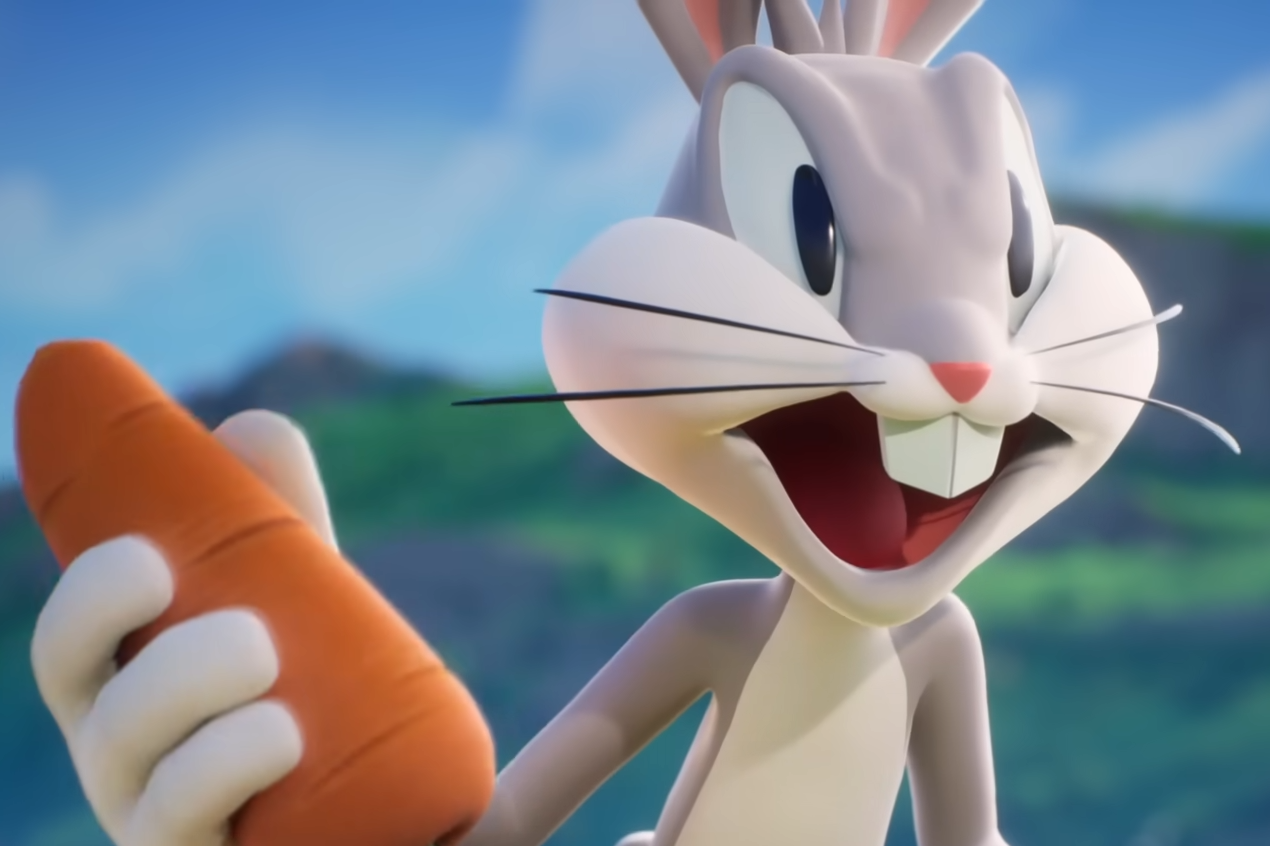
Few animated characters rival the cultural influence of Bugs Bunny, who emerged from Warner Bros. animation in the late 1930s under the creative influence of Tex Avery, Chuck Jones, and Bob Clampett. Calm, clever, and eternally confident, Bugs redefined what an animated protagonist could be.
Rather than overpowering his enemies, Bugs outsmarts them. His humor is rooted in irony, timing, and intelligence, punctuated by his legendary catchphrase, “What’s up, Doc?” Bugs routinely turns authority figures, hunters, and villains into fools, making him a symbol of wit triumphing over brute force.
Why He Endures:
Bugs Bunny represents clever resistance—cool under pressure, sharp with words, and always one step ahead.
2. Mickey Mouse – The Evergreen Everyman
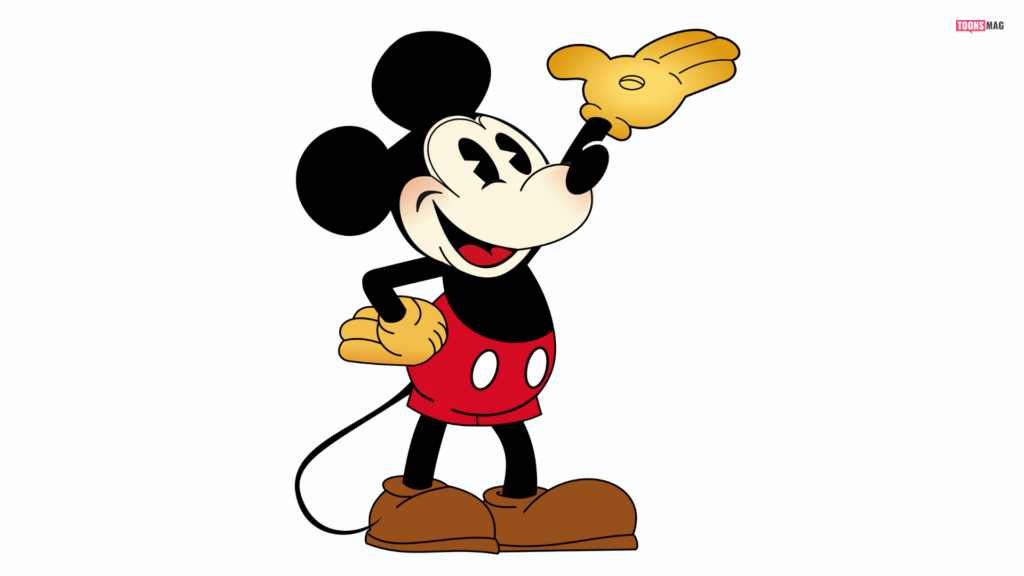
Debuting in 1928 in Steamboat Willie, Mickey Mouse, created by Walt Disney and Ub Iwerks, is one of the most recognizable fictional characters in human history. Early Mickey was mischievous and rebellious, but over time he evolved into a friendly, optimistic everyman.
Mickey’s strength lies in his adaptability. He has seamlessly transitioned from silent black-and-white shorts to color animation, television, theme parks, and global branding—without losing his essential warmth and charm.
Why He Endures:
Mickey Mouse embodies optimism, resilience, and universal appeal—qualities that never go out of style.
3. SpongeBob SquarePants – The Energetic Sea Sponge

Although technically a sea sponge rather than an animal, SpongeBob SquarePants earns his place here through sheer personality power. Created by marine biologist Stephen Hillenburg, SpongeBob debuted in 1999 and quickly became a defining character of modern animation.
SpongeBob’s relentless positivity, emotional honesty, and childlike enthusiasm make him both comedic and deeply relatable. Beneath the absurd humor lies a character who loves his job, values friendship, and approaches life with genuine wonder.
Why He Endures:
SpongeBob proves that sincerity and absurdity can coexist—and that kindness can be contagious.
4. Garfield – The Lasagna-Loving Cat
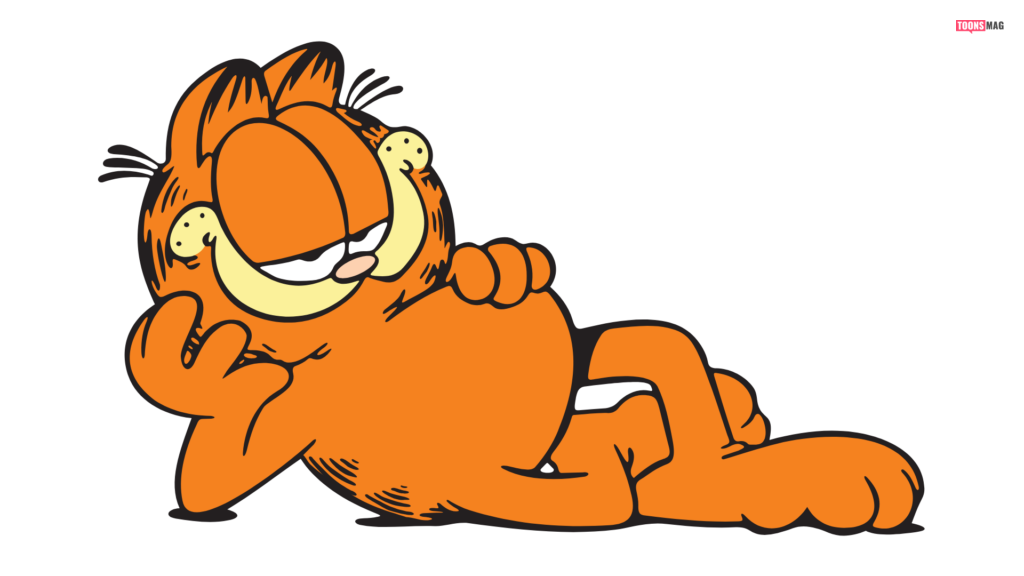
Created by Jim Davis in 1978, Garfield is the embodiment of sarcasm, laziness, and self-indulgence. Unlike adventurous or heroic cartoon animals, Garfield thrives on doing as little as possible—an approach that resonated strongly with adult audiences.
His dry humor, disdain for Mondays, and love of food made him one of the most widely syndicated comic strip characters in history. Garfield’s personality reflects human flaws without apology.
Why He Endures:
Garfield is funny because he is honest—about comfort, excess, and the joy of doing nothing.
5. Daffy Duck – The Zany Waterfowl
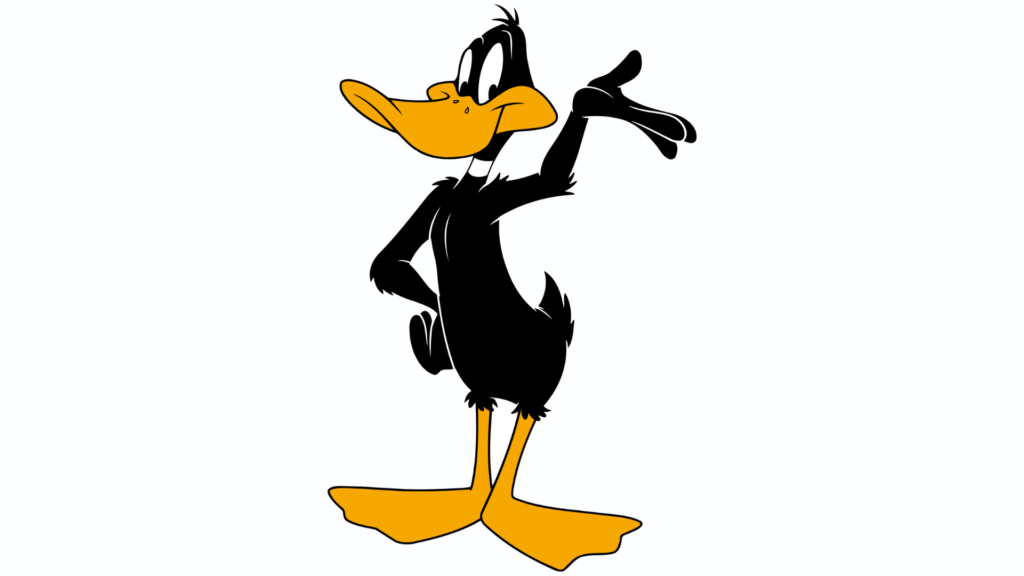
First appearing in 1937, Daffy Duck was revolutionary for his time. Wild, loud, insecure, and ego-driven, Daffy represented a new kind of animated personality—one fueled by ambition and emotional instability.
Often positioned as a foil to Bugs Bunny, Daffy’s exaggerated jealousy and desperation make him endlessly entertaining. He is chaotic, flawed, and deeply human beneath the feathers.
Why He Endures:
Daffy Duck thrives because audiences recognize his insecurities—and laugh at them.
6. Winnie the Pooh – The Gentle Bear of the Hundred-Acre Wood
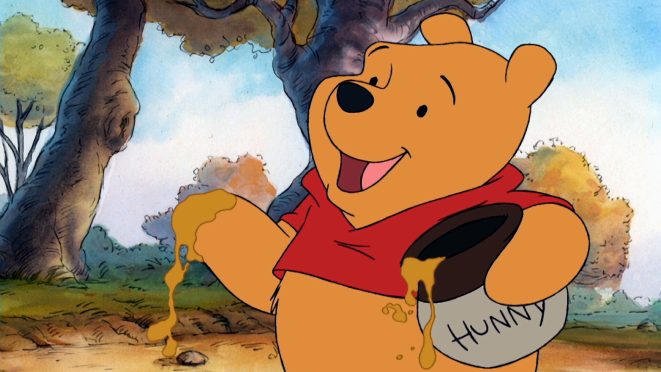
Created by A. A. Milne in the 1920s and later popularized by Disney, Winnie the Pooh is one of the most emotionally gentle characters in animation history.
Pooh’s simple wisdom, slow speech, and unpretentious kindness have made him a comforting presence for generations. His stories emphasize friendship, mindfulness, and emotional sincerity rather than conflict.
Why He Endures:
Pooh reminds us that gentleness and empathy are forms of strength.
7. Tom and Jerry – The Timeless Cat and Mouse Duo
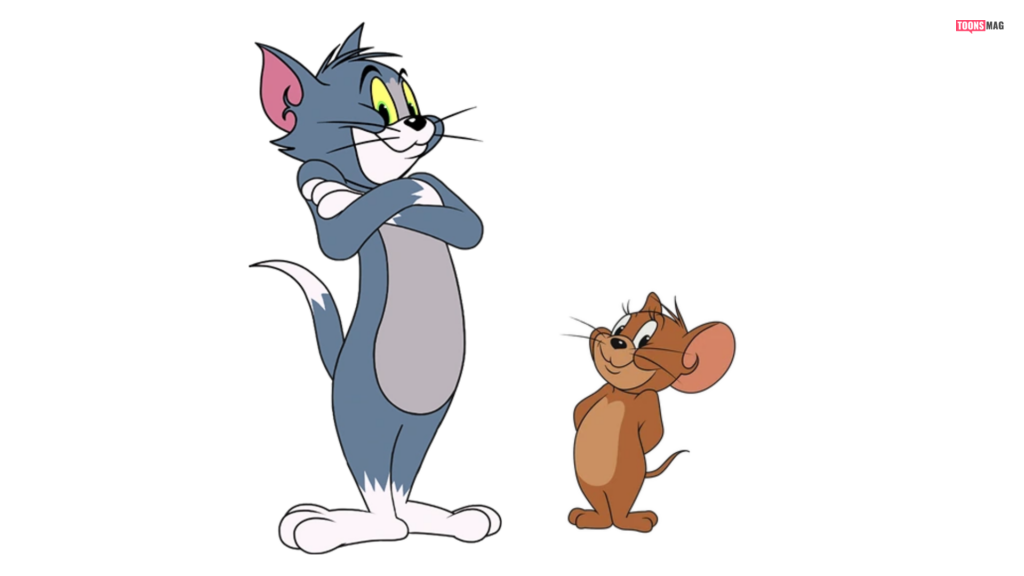
Debuting in 1940 under William Hanna and Joseph Barbera, Tom and Jerry perfected visual comedy. Their endless chase relies almost entirely on physical humor, musical timing, and expressive animation.
Despite constant conflict, there’s an unspoken bond between Tom and Jerry—one that adds emotional depth beneath the slapstick violence. The absence of dialogue allows the series to transcend language barriers.
Why They Endure:
Pure visual storytelling never ages—and Tom and Jerry mastered it.
8. Simba – The Lion King’s Regal Protagonist
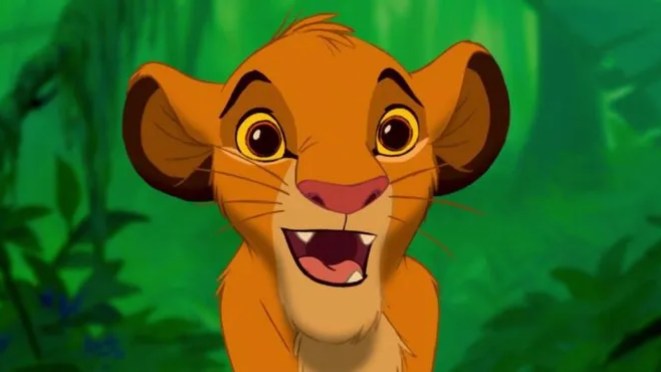
Simba, from Disney’s The Lion King (1994), is one of the most emotionally developed animal protagonists in animation. His journey from playful cub to responsible king mirrors universal themes of loss, guilt, identity, and growth.
Inspired by Shakespeare’s Hamlet, Simba’s arc adds mythic weight to animated storytelling, elevating him beyond a typical cartoon hero.
Why He Endures:
Simba’s story reflects the universal struggle of growing into responsibility.
9. Snoopy – The Imaginative Beagle
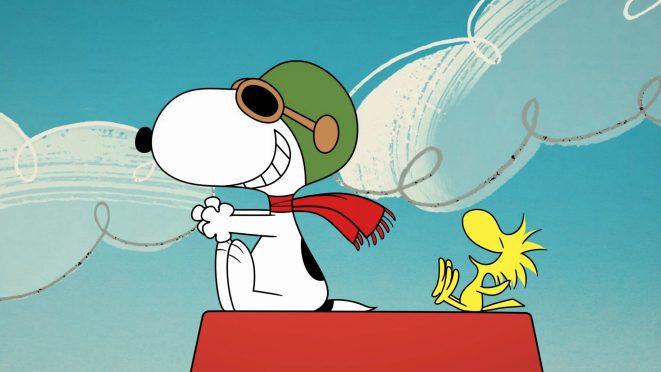
Created by Charles M. Schulz, Snoopy from Peanuts is one of the most psychologically rich cartoon animals ever created. Though he rarely speaks aloud, Snoopy’s vivid inner life—World War I flying ace, novelist, philosopher—defines his charm.
Snoopy balances whimsy with introspection, often serving as a quiet emotional anchor in Schulz’s minimalist world.
Why He Endures:
Snoopy celebrates imagination as a refuge and a form of self-expression.
10. Tweety Bird – The Sweet but Sly Canary
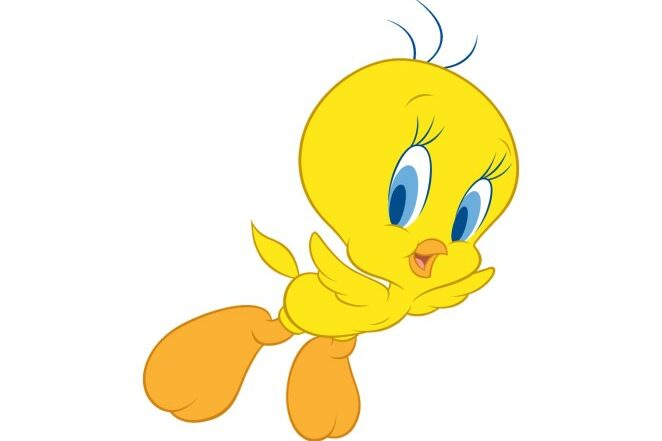
Introduced by Warner Bros. in the 1940s, Tweety Bird subverts expectations. Though small and seemingly innocent, Tweety consistently outsmarts Sylvester the Cat through intelligence and observation.
His soft voice contrasts sharply with his sharp instincts, making him a masterclass in deceptive simplicity.
Why He Endures:
Tweety proves that intelligence—not size—wins the game.
Top 10 Animal Cartoon Characters: Why These Characters Still Matter
These animal cartoon characters are more than entertainment—they are cultural storytellers. Through humor, empathy, satire, and imagination, they reflect human behavior in ways that feel timeless and accessible.
Their enduring popularity lies in personality-driven storytelling. Whether through Bugs Bunny’s clever defiance, Mickey Mouse’s optimism, or Winnie the Pooh’s quiet wisdom, these characters continue to resonate because they express truths about life—simply, memorably, and with heart.
As animation continues to evolve, these iconic animals remain proof that great characters are eternal, regardless of era or medium.
Read also
- Counting Down the Top 10 Cartoon Characters in Video Games
- Top 10 Sci-Fi Cartoon Characters from Futuristic Worlds
- The Top 10 Cartoon Characters Who Transcended Screens to Become Iconic Merchandise Brands
- The Top 10 Disney Cartoon Characters That Defined a Generation
FAQs – Ranking the Top 10 Animal Cartoon Characters with Personality
1. What criteria were used for ranking these animal cartoon characters?
The ranking is based on the characters’ unique personalities, enduring appeal, and cultural impact. Factors such as humor, relatability, and iconic status were also considered.
2. Why are some classic characters like Bugs Bunny and Mickey Mouse included?
Classic characters like Bugs Bunny and Mickey Mouse are included because of their timeless appeal and significant impact on animation. They’ve maintained popularity across generations.
3. Is SpongeBob SquarePants considered an animal cartoon character?
While SpongeBob is not a traditional animal, his animated, energetic personality and sea sponge classification make him a fitting inclusion for his positive impact on animated content.
4. How does Garfield’s personality contribute to his popularity?
Garfield’s sarcastic wit, love for lasagna, and disdain for Mondays contribute to his popularity. For decades, his relatable humor and distinct personality have made him a beloved character.
5. Why include characters like Simba and Snoopy in an animal cartoon list?
Simba and Snoopy, while not traditional animals, are animated characters with distinct personalities. Their impact on animated storytelling and their lovable traits justify their inclusion.
6. Are Tom and Jerry ranked together or separately?
Tom and Jerry are considered a duo, reflecting their timeless partnership in animated slapstick humor. The chemistry between the cat and mouse contributes to their enduring popularity.
7. How does Winnie the Pooh’s personality teach life lessons?
Winnie the Pooh’s gentle and philosophical demeanor, combined with his friendships, imparts valuable lessons about kindness and friendship, making him a character with depth and relatability.
8. Why is Tweety Bird considered a character with personality?
Tweety Bird’s innocent appearance, witty remarks, and clever tactics in outsmarting adversaries contribute to his personality. His interactions with characters like Sylvester showcase his unique charm.
9. What makes these characters iconic in the world of animation?
These characters are iconic due to their enduring popularity, cultural impact, and the lasting impressions they’ve made on audiences. Their personalities and storytelling contributions have solidified their places in animation history.
10. Are there plans to update this ranking in the future?
The dynamic nature of animation and the continuous creation of new characters may lead to future updates. Monitor relevant sources for potential updates to ranking animal cartoon characters with personality.
This post was created with our nice and easy submission form. Create your post!







4 Comments