

 Anto Mario

The 20 Iconic Cartoon Characters: The 20th century was a golden era for animation—an age of invention, experimentation, and cultural transformation. From early silent shorts projected in theaters to television series that became family rituals, animation evolved alongside modern society itself. As technology advanced and storytelling matured, cartoon characters emerged not merely as entertainment but as cultural symbols reflecting humor, resilience, fear, optimism, rebellion, and imagination.
These characters transcended their original drawings. They shaped global pop culture, influenced fashion and language, inspired generations of artists, and in many cases became emotional companions to audiences growing up amid war, economic hardship, social change, and technological revolution.
This article explores 20 of the most iconic cartoon characters of the 20th century, examining their origins, creative breakthroughs, artistic significance, and enduring legacies. These are not simply popular figures—they are milestones in the history of animation.
1. Mickey Mouse
Debut: 1928 (Steamboat Willie)
Creators: Walt Disney & Ub Iwerks
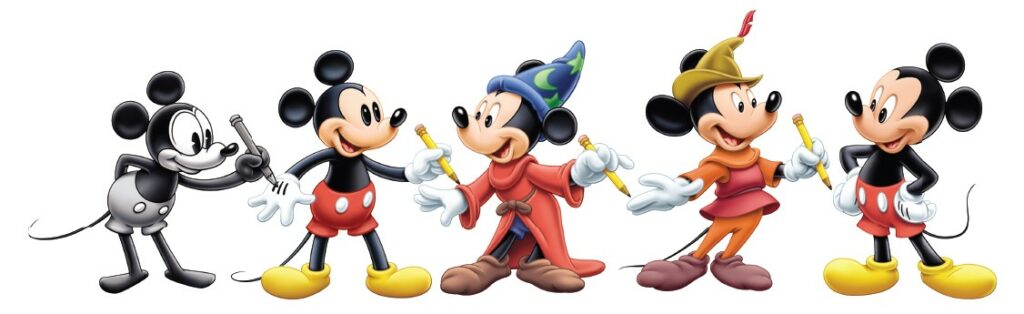
Mickey Mouse stands at the very foundation of modern animation. His debut in Steamboat Willie marked one of the first successful uses of synchronized sound in cartoons, instantly changing the medium forever. Mickey’s early personality was mischievous and rebellious, reflecting the vaudeville influences of the time, but he gradually evolved into a symbol of optimism, stability, and imaginative possibility.
During the Great Depression, Mickey represented hope and perseverance. His simple design—round ears, expressive eyes, exaggerated movements—made him universally readable across cultures. As Disney’s flagship character, Mickey became far more than a cartoon: he became a corporate symbol, a global ambassador, and one of the most recognizable icons in human history.
Legacy: The blueprint for character-driven animation and global branding.
Why he endures: He represents the birth of animation as a modern art form.
2. Bugs Bunny
Debut: 1940 (A Wild Hare)
Creators: Tex Avery & Bob Clampett
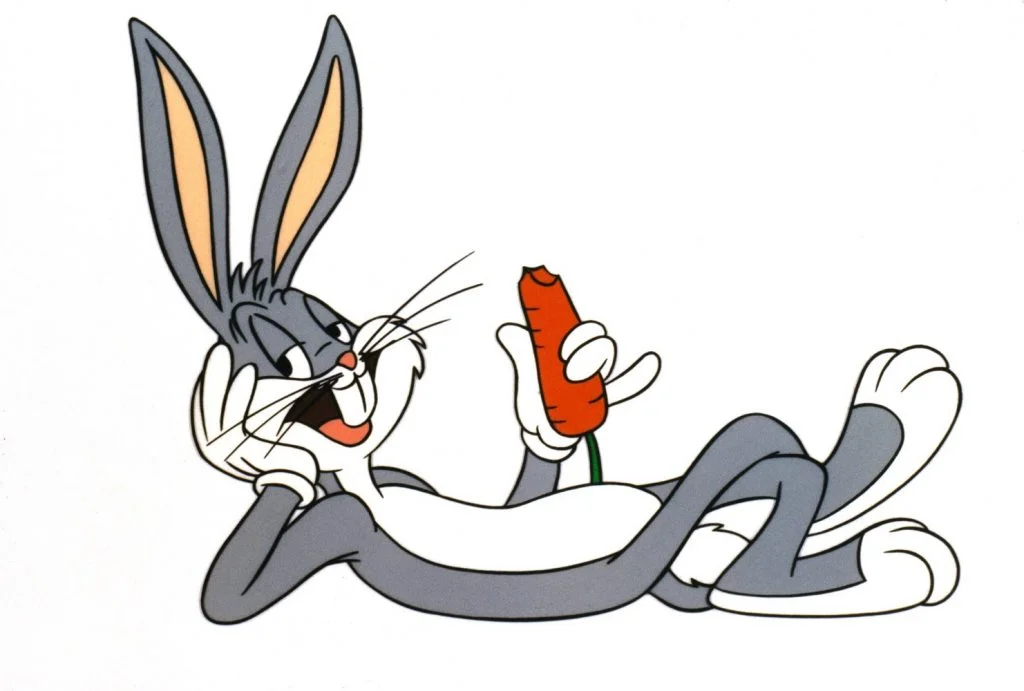
Bugs Bunny redefined animated comedy. Unlike earlier cartoon heroes who relied on physical strength or slapstick chaos, Bugs won through wit, timing, and psychological warfare. His calm confidence, verbal dexterity, and ability to manipulate his enemies made him a distinctly modern character.
Emerging during World War II, Bugs embodied clever resistance rather than brute force. His humor appealed to both children and adults, helping animation escape the confines of purely juvenile entertainment. Bugs Bunny’s self-awareness—often addressing the audience directly—anticipated modern meta-humor by decades.
Legacy: Intelligent comedy and cross-generational appeal.
Why he endures: Because intelligence is the ultimate superpower.
3. Tom and Jerry
(Warner Bros.) Source: Amazon Prime Video: URL: https://www.primevideo.com/-/nb/detail/Tom-Jerry/0KVRJBG8YS6F4H6ISTETM8STOJ
Debut: 1940
Creators: William Hanna & Joseph Barbera
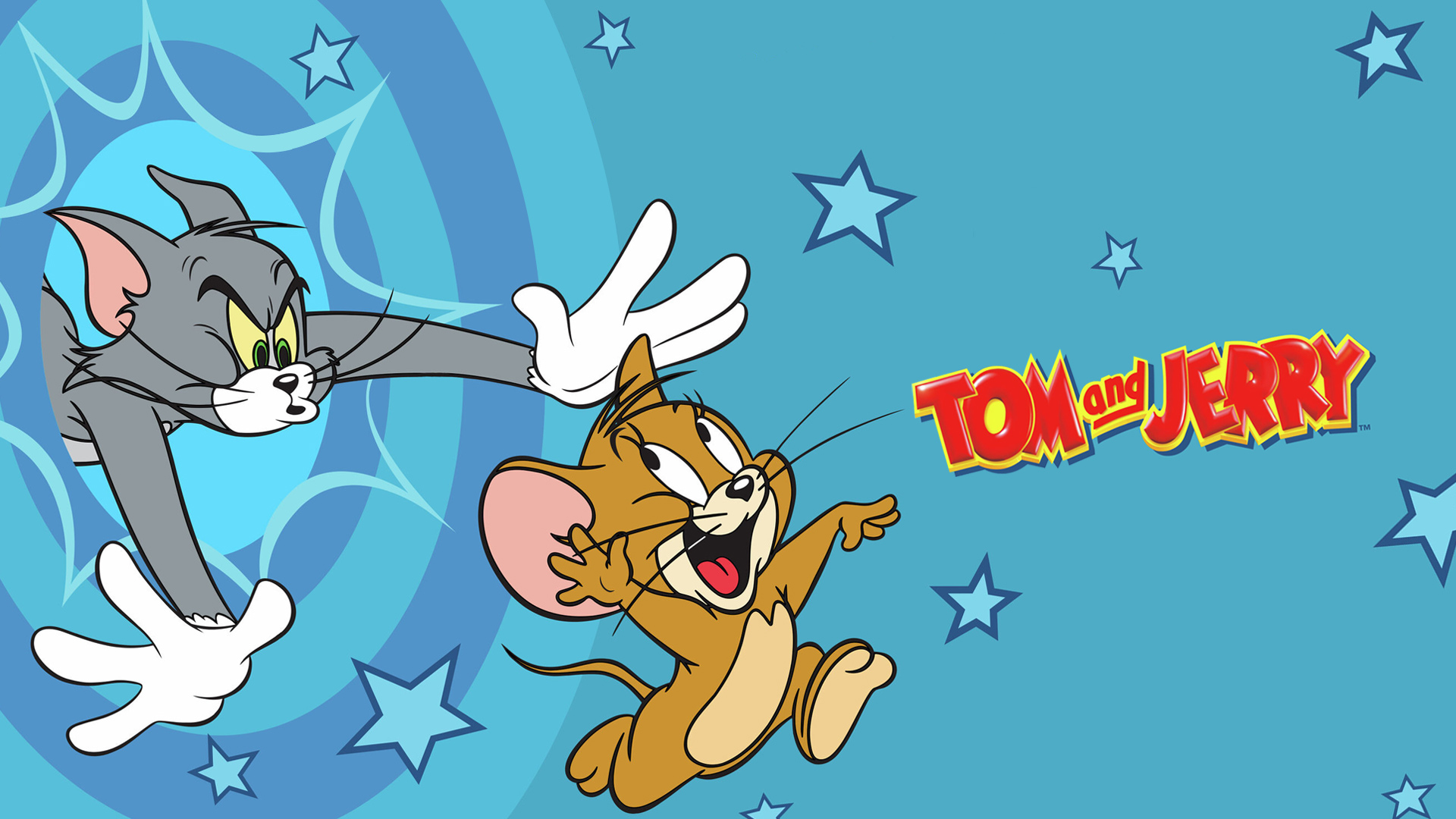
Tom and Jerry perfected visual storytelling. With little to no dialogue, their comedy relied on rhythm, timing, and exaggerated motion—descendants of silent-film slapstick. The endless chase between cat and mouse became a universal language, easily understood across borders and cultures.
Beneath the chaos lies surprising emotional depth: pride, jealousy, frustration, and occasional compassion. Tom, despite being the “villain,” often becomes the sympathetic figure—working tirelessly and failing spectacularly.
Legacy: Pure visual comedy at its finest.
Why they endure: Because great animation can speak without words.
4. Superman
Debut: 1938 (Action Comics #1)
Creators: Jerry Siegel & Joe Shuster
Superman is not merely the first superhero—he is the template upon which the entire genre was built. Created by two young Jewish-American creators during the late 1930s, Superman emerged at a time of global instability, economic depression, and rising authoritarianism. His story of an alien child sent away from a dying world, adopted by ordinary people, and raised with strong moral values resonated deeply with audiences searching for hope.
Though Superman originated in comic books, animation played a critical role in shaping his public image. The Fleischer Studios’ Superman animated shorts of the early 1940s elevated the character to mythic status, introducing cinematic scale, fluid motion, and dramatic storytelling rarely seen in animation at the time. These shorts also helped define how superheroes move on screen—especially flight, which became a visual hallmark of the genre.
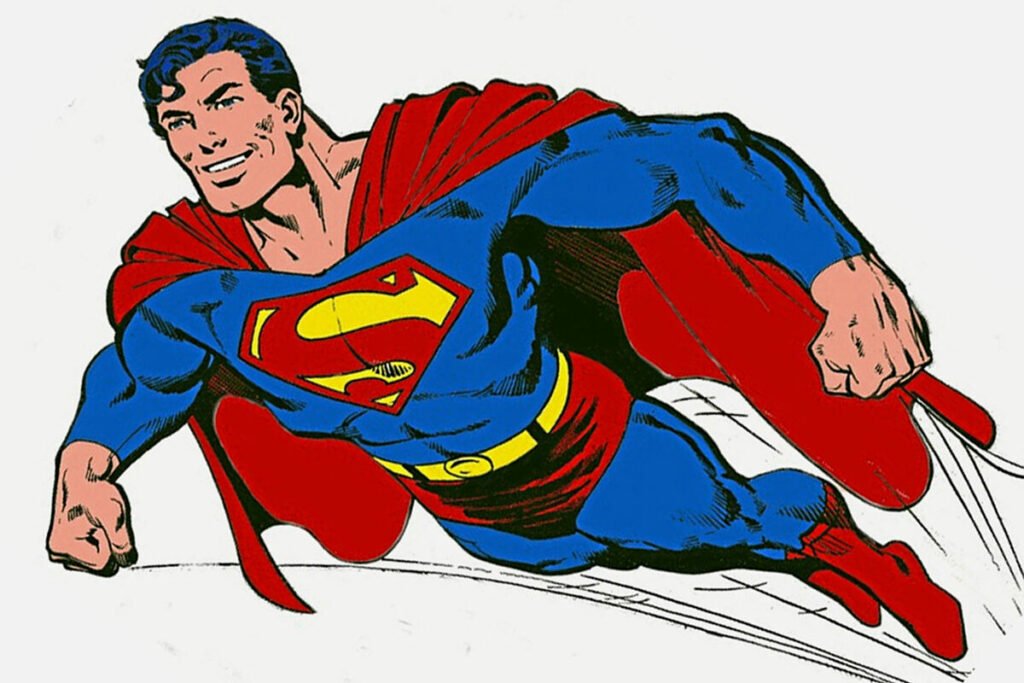
Superman’s visual language—the cape flowing behind him, the chest-forward heroic stance, the bold “S” emblem—became universal symbols of heroism. But his deeper legacy lies in the idea that power demands restraint. Unlike many later heroes defined by internal conflict or moral ambiguity, Superman represents clarity: strength used in service of others.
Legacy: The archetype of modern heroism and moral responsibility.
Why he endures: Hope as a form of strength.
5. Betty Boop
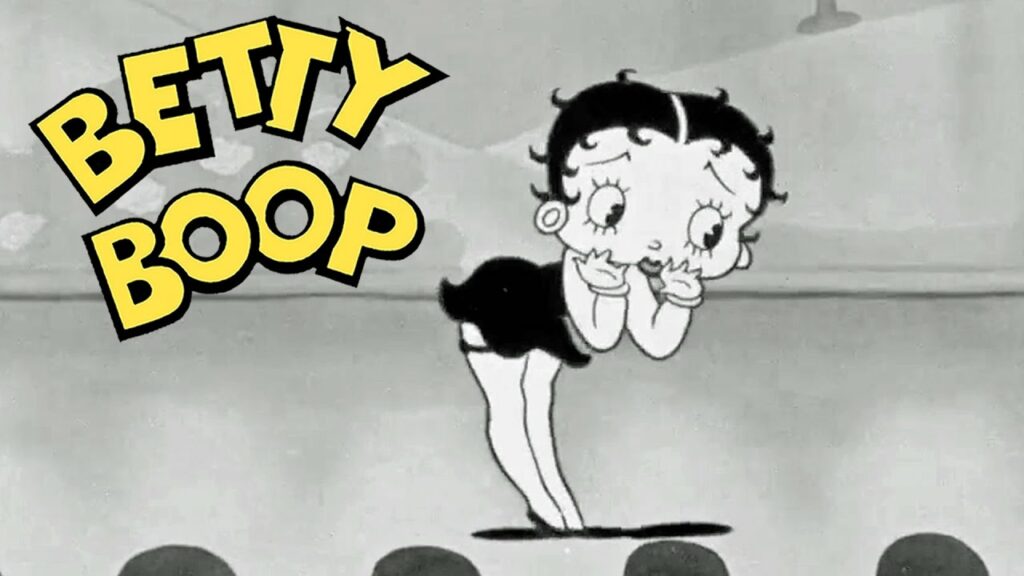
Debut: 1930
Creator: Max Fleischer
Betty Boop was a radical presence in early animation. Emerging during the Jazz Age, she embodied independence, sensual confidence, and emotional expressiveness at a time when female cartoon characters were rare and often one-dimensional. Inspired by flapper culture and jazz performers, Betty’s early cartoons blended music, surrealism, and experimental animation in ways that felt spontaneous and modern.
Fleischer Studios’ animation style—rubber-hose limbs, morphing environments, and dreamlike logic—allowed Betty to exist in a world where emotion shaped reality. She sang, danced, flirted, and expressed vulnerability, presenting a fully realized personality rather than a simple gag vehicle.
The introduction of the Hays Code in the mid-1930s severely curtailed Betty’s freedom, forcing her into more conservative roles and dampening the qualities that made her revolutionary. Yet her cultural impact had already been secured. Betty Boop became one of animation’s first global icons and remains a symbol of creative freedom and artistic boldness.
Legacy: Proof that animation could be adult, expressive, and musically rich.
Why she endures: Freedom of expression drawn in ink.
6. Scooby-Doo and Mystery Inc.
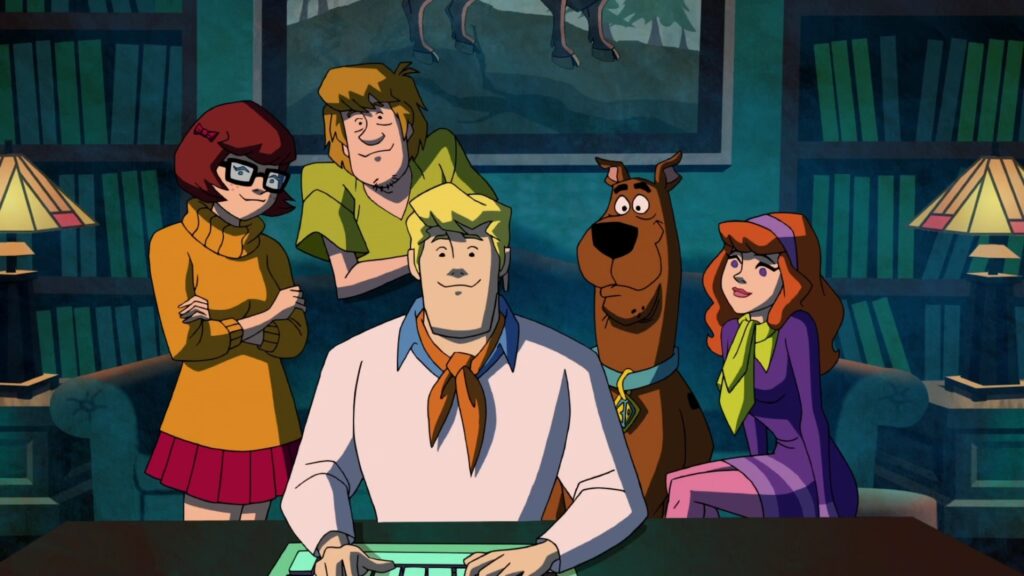
Debut: 1969 (Scooby-Doo, Where Are You!)
Creators: Joe Ruby & Ken Spears
Scooby-Doo and Mystery Inc. introduced a narrative formula that combined mystery, humor, and skepticism into a uniquely accessible format. At a time when children’s television often relied on fantasy monsters and simple morality tales, Scooby-Doo offered something different: fear explained through logic.
Each episode followed a ritualized structure—haunted setting, apparent supernatural threat, investigation, chase sequences, and the ultimate revelation that the “monster” was a human criminal in disguise. This structure subtly encouraged critical thinking, teaching young viewers that fear often masks deception.
Scooby-Doo himself became one of animation’s most emotionally relatable characters. He is afraid—not secretly brave, not falsely confident—but genuinely scared. Yet his loyalty to Shaggy and the group compels him to act despite fear. This made Scooby’s courage feel earned rather than performative.
Legacy: Genre storytelling that encourages curiosity and teamwork.
Why they endure: Friendship, skepticism, and courage despite fear.
7. Popeye the Sailor

Debut: 1929
Creator: Elzie Crisler Segar
Popeye emerged from newspaper comics during a period defined by hardship and struggle. Unlike polished heroes, Popeye was rough-edged, stubborn, and deeply flawed. His strength did not come from birthright or destiny—it came from spinach, a symbol of effort, nourishment, and perseverance.
Popeye’s stories reflected working-class values: standing up to bullies, protecting the vulnerable, and earning respect through action rather than status. His relationship with Olive Oyl and rivalry with Bluto reinforced themes of loyalty, persistence, and moral clarity.
Remarkably, Popeye’s cultural impact extended beyond animation. His popularity contributed to a real-world increase in spinach consumption, making him one of the clearest examples of animation influencing public behavior.
Legacy: The working-class hero of early animation.
Why he endures: Strength earned, not inherited.
8. Snoopy
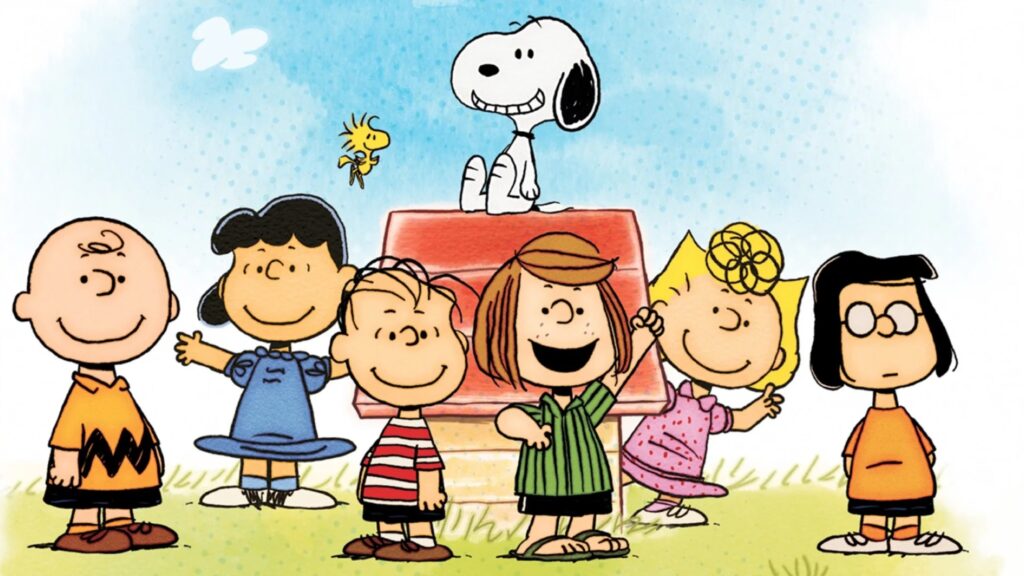
Debut: 1950 (Peanuts)
Creator: Charles M. Schulz
Snoopy is a masterclass in emotional storytelling through minimalism. Though technically a dog, Snoopy’s inner life is vast and deeply human. Through imagination, he escapes the limitations of routine—becoming a World War I flying ace, a struggling novelist, a philosopher, or simply a dreamer on his doghouse roof.
Charles M. Schulz used Snoopy to explore themes of loneliness, aspiration, and quiet resilience. Unlike many cartoon characters, Snoopy’s victories are internal. His fantasies are not delusions; they are survival mechanisms.
Snoopy’s appeal lies in his ability to express emotion without speech—through posture, timing, and small gestures.
Legacy: Emotional depth through simplicity.
Why he endures: Imagination as emotional resilience.
9. The Flintstones
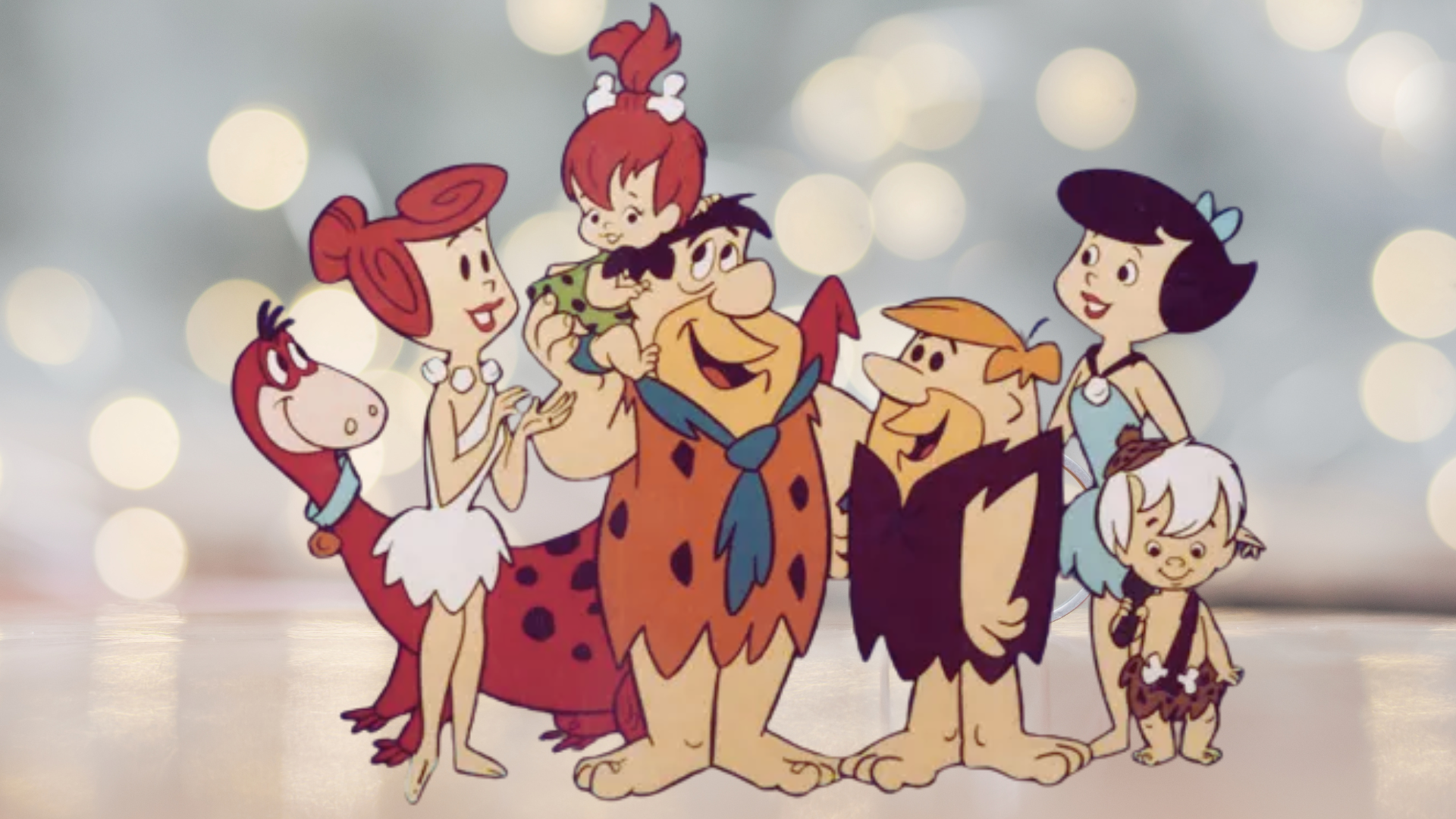
Image © Hanna-Barbera Productions
Debut: 1960
Creators: William Hanna & Joseph Barbera
The Flintstones revolutionized television animation by proving it could succeed in prime time alongside live-action sitcoms. Set in a prehistoric world that mirrored 20th-century suburban America, the show used anachronism to satirize consumer culture, workplace frustration, and family dynamics.
Fred and Wilma Flintstone’s marriage, financial worries, and social aspirations reflected real adult concerns—making the show relatable beyond childhood. The series also pioneered the idea that animation could function as a long-form domestic comedy.
Legacy: The foundation of adult-oriented TV animation.
Why they endure: Domestic comedy across eras.
10. Speedy Gonzales
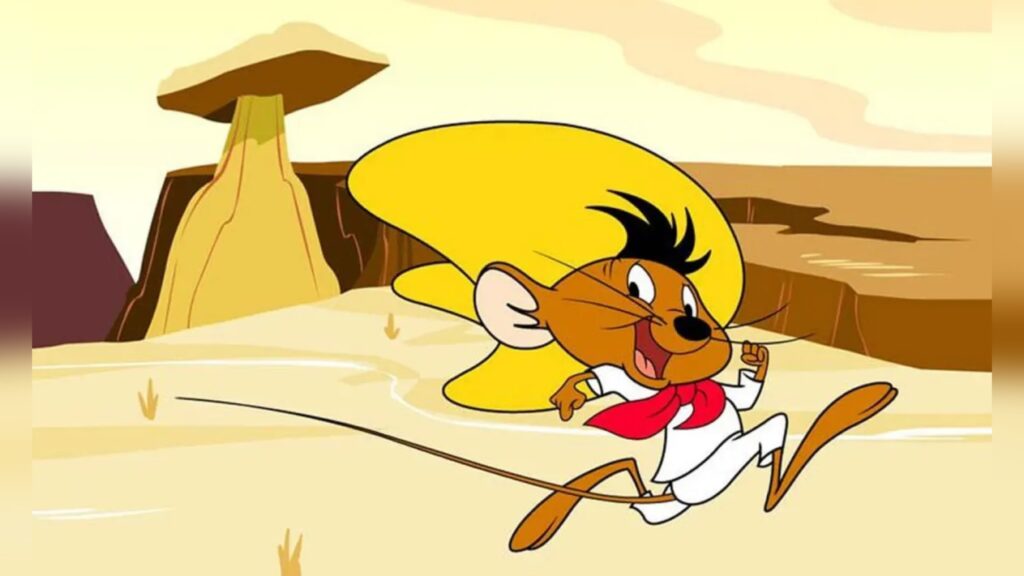
Debut: 1953
Creators: Friz Freleng & Hawley Pratt
Speedy Gonzales is a character whose legacy requires nuance. Originally designed as “the fastest mouse in all of Mexico,” Speedy’s defining traits were intelligence, confidence, and agency. He outwitted opponents not through force but through cleverness and speed.
While modern audiences rightly reassess cultural representation in animation, Speedy remains significant as a character who was never portrayed as weak or inferior. In many regions, particularly Latin America, he was embraced as a hero rather than a caricature.
Legacy: Ongoing cultural dialogue and reinterpretation.
Why he endures: Agility and wit as empowerment.
11. The Pink Panther
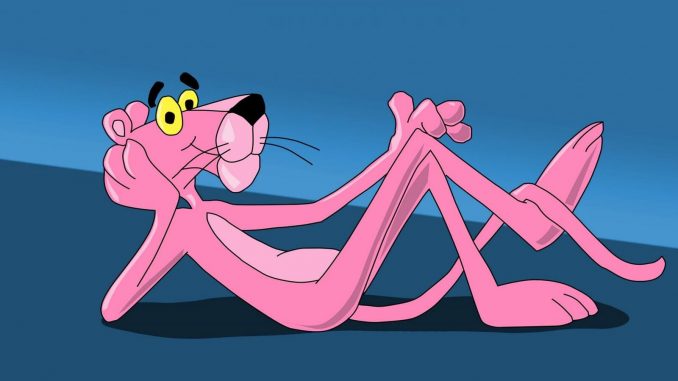
Debut: 1963
Creators: Blake Edwards & Friz Freleng
Originally created for a film’s opening credits, the Pink Panther quickly became a masterclass in silent comedy. His humor relied on posture, timing, and music—especially Henry Mancini’s iconic theme—rather than dialogue.
Unlike frenetic cartoon characters, the Pink Panther was calm, ironic, and confident. He allowed chaos to unfold around him, responding with elegance rather than urgency. This made his comedy timeless and internationally accessible.
Legacy: Minimalist visual storytelling at its finest.
Why he endures: Sophistication through simplicity.
12. The Simpsons
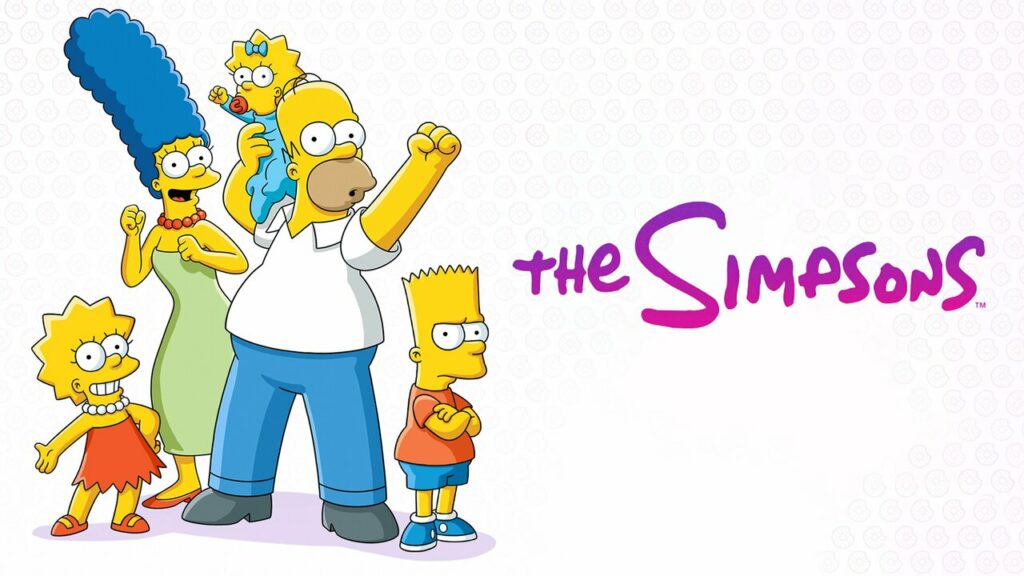
Debut: 1989
Creator: Matt Groening
The Simpsons permanently redefined what animated television could accomplish. Premiering at the tail end of the 1980s, the series arrived at a cultural crossroads—when traditional family sitcoms were losing relevance, and audiences were increasingly skeptical of institutions, authority, and media narratives. Rather than offering escapism, The Simpsons reflected society back at itself, exaggerated yet recognizable.
What made the series revolutionary was not merely its satire, but its breadth. Few animated shows before—or since—have so consistently interrogated politics, religion, capitalism, education systems, celebrity culture, environmentalism, and mass media while still functioning as a family sitcom. Springfield became a microcosm of modern society, populated by characters representing every social class, belief system, and contradiction.
Homer Simpson fundamentally reshaped the animated father archetype. He was not wise, competent, or morally consistent—yet he was emotionally honest. Homer’s failures were often selfish or foolish, but they were also deeply human. In contrast to earlier idealized TV fathers, Homer acknowledged the anxieties, economic pressures, and emotional immaturity of late-20th-century adulthood. His love for his family, though imperfectly expressed, grounded the show’s cynicism in genuine affection.
Equally important was the series’ visual and narrative discipline. Its animation style was intentionally simple, allowing dialogue, pacing, and character writing to carry the weight. Over decades, the show demonstrated a rare ability to adapt without abandoning its core identity, responding to political shifts, technological change, and generational humor.
Legacy: The gold standard of adult animated satire and long-form cultural commentary.
Why they endure: Comedy that evolves with society rather than fossilizing within it.
13. SpongeBob SquarePants
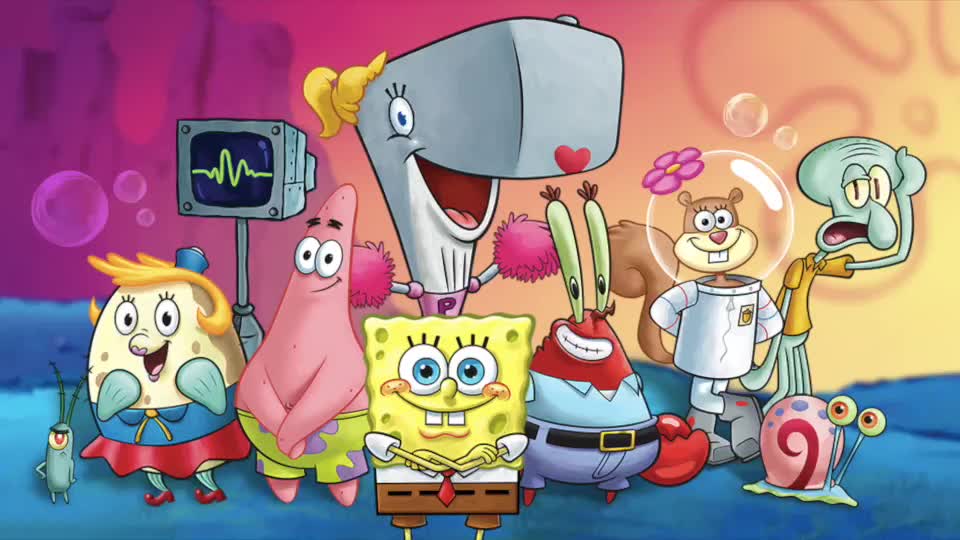
Debut: 1999
Creator: Stephen Hillenburg
SpongeBob SquarePants arrived at the close of the 20th century with an energy that felt both nostalgic and radical. Drawing inspiration from classic slapstick animation—particularly the rubber-hose era—Stephen Hillenburg combined exaggerated physical comedy with modern absurdism. The result was a world that felt timeless yet distinctly contemporary.
Bikini Bottom operates on dream logic rather than realism. Characters stretch, distort, explode, and recover in ways that echo early animation traditions, while the writing layers humor for multiple age groups. Children respond to visual gags and exaggerated emotion; adults catch surrealist references, existential jokes, and satirical observations about labor, capitalism, and identity.
SpongeBob himself represents a rare animated archetype: sincere joy. In an era increasingly defined by irony, sarcasm, and emotional detachment, SpongeBob’s optimism was unapologetic. He loves his job, his friends, and life itself—even when the world responds with cruelty or indifference. That emotional openness made him both comedic and quietly subversive.
The show’s influence extends beyond television into internet culture, meme language, and visual shorthand for absurdist humor. Few characters of the late 20th century have achieved such rapid and enduring global recognition.
Legacy: A cross-generational animation landmark bridging classic technique and modern humor.
Why he endures: Joy without irony in a world that increasingly resists sincerity.
14. Donald Duck

Debut: 1934
Creator: Walt Disney
Donald Duck stands as one of animation’s most emotionally complex and relatable figures. Where Mickey Mouse represented optimism and idealized virtue, Donald embodied the frustrations of everyday life: bad luck, wounded pride, explosive temper, and stubborn determination. His semi-intelligible voice—performed famously by Clarence “Ducky” Nash—turned frustration itself into comedy.
Donald’s physical animation was groundbreaking. His body language communicated emotion with extraordinary clarity: clenched fists, puffed chest, trembling rage. Animators used Donald as a laboratory for expressive motion, pushing the limits of character animation in ways that influenced generations of artists.
While Donald achieved enormous success in animated shorts, his most expansive legacy unfolded in comics—particularly in Europe and Latin America. There, Donald became the centerpiece of long-form storytelling, developing richer emotional arcs, extended family dynamics, and social satire. In countries like Italy and Germany, Donald Duck comics became a staple of childhood reading culture.
Donald’s enduring appeal lies in his resilience. He fails constantly, reacts badly, and often makes things worse—but he never stops trying. That cycle of frustration and persistence mirrors real human experience more closely than polished heroism ever could.
Legacy: Emotional expressiveness as a foundation of character animation.
Why he endures: Failure, frustration, and perseverance rendered with honesty.
15. Daffy Duck

Debut: 1937
Creators: Tex Avery & Bob Clampett
Daffy Duck is one of animation’s most psychologically rich characters. Introduced as a manic, unpredictable force of chaos, Daffy evolved into a deeply self-aware embodiment of ambition, jealousy, and insecurity. Where Bugs Bunny was calm and confident, Daffy was reactive—desperate to be admired, terrified of being overlooked.
This internal conflict made Daffy uniquely adaptable. Over time, he became animation’s most effective vehicle for meta-humor, frequently acknowledging the artificiality of the cartoon world and expressing resentment toward narrative unfairness. Daffy doesn’t just lose—he knows he’s losing, and it enrages him.
His exaggerated emotions allowed animators and writers to explore ego as comedy, turning failure into theatrical performance. Daffy’s suffering isn’t incidental; it’s the point. In that sense, he anticipates modern self-referential humor long before it became common.
Legacy: Character-driven humor rooted in psychological tension.
Why he endures: Ambition transformed into comedic self-reflection.
16. Woody Woodpecker

Debut: 1940
Creator: Walter Lantz
Woody Woodpecker represents animation at its most anarchic. Defined by relentless energy, chaotic logic, and his iconic, unhinged laugh, Woody rejects narrative stability in favor of pure disruption. He does not seek harmony—he thrives on imbalance.
Woody’s cartoons preserved the spirit of early theatrical animation, where anything could happen and often did. He broke rules, antagonized authority figures, and seemed fueled by mischief rather than motivation. His humor was aggressive, loud, and unapologetic—qualities that distinguished him from more polished contemporaries.
While tastes in animation shifted over time, Woody’s raw intensity remains emblematic of animation’s rebellious roots.
Legacy: The preservation of cartoon anarchy.
Why he endures: Unfiltered animated madness.
17. Porky Pig
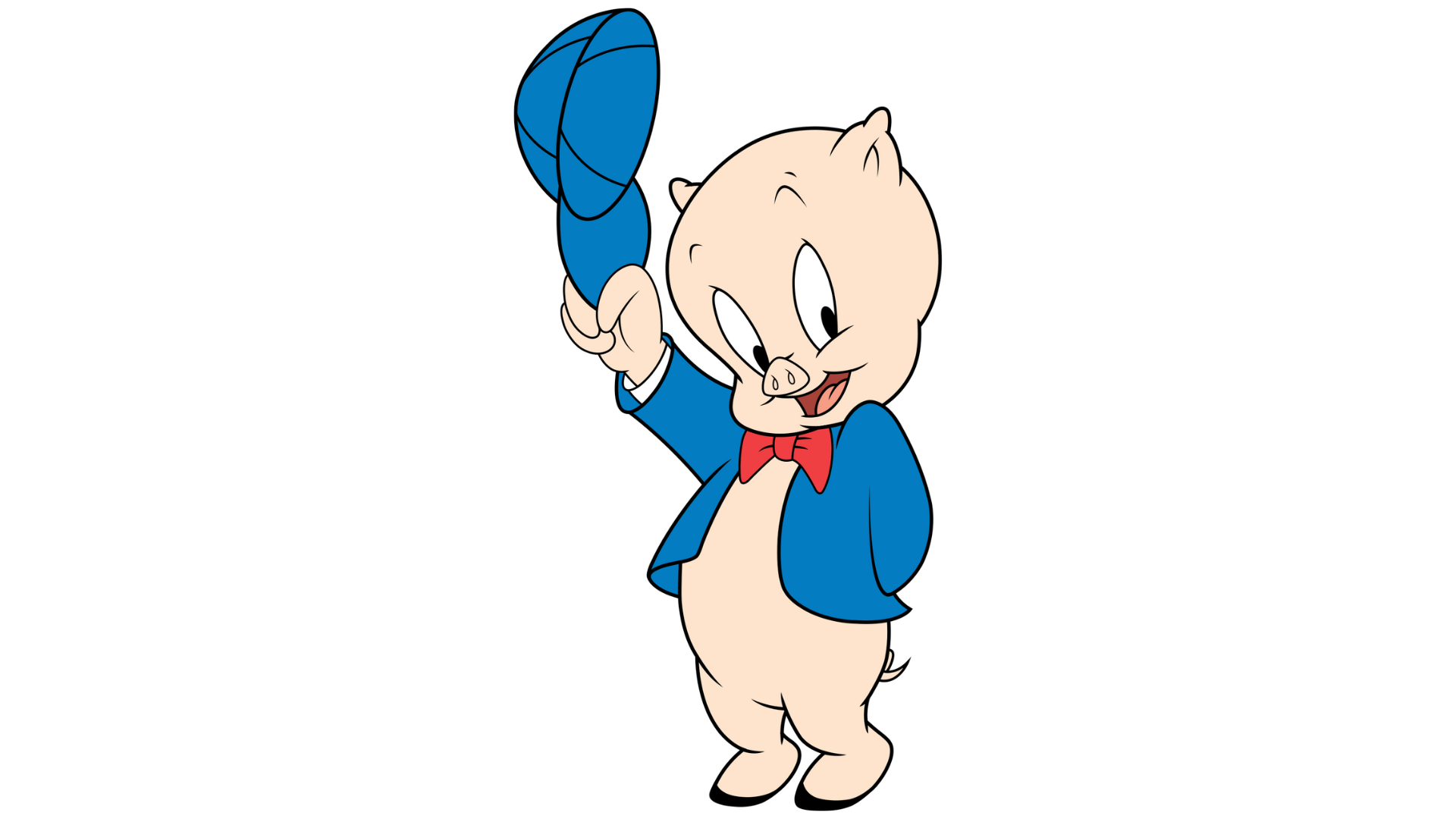
Debut: 1935
Creators: Tex Avery & Bob Clampett
Porky Pig was Warner Bros.’ first true star and one of animation’s earliest examples of emotional vulnerability as humor. His stutter—handled with warmth rather than cruelty—made him instantly relatable. Porky wasn’t dominant, clever, or chaotic; he was kind, anxious, and sincere.
In a studio known for aggressive comedy, Porky functioned as a grounding presence. His reactions often framed the madness around him, allowing audiences to connect emotionally with increasingly surreal situations.
Porky’s enduring presence in Looney Tunes history reflects animation’s capacity for empathy alongside absurdity.
Legacy: Vulnerability as comedic strength.
Why he endures: Kindness in a chaotic world.
18. Fred Flintstone
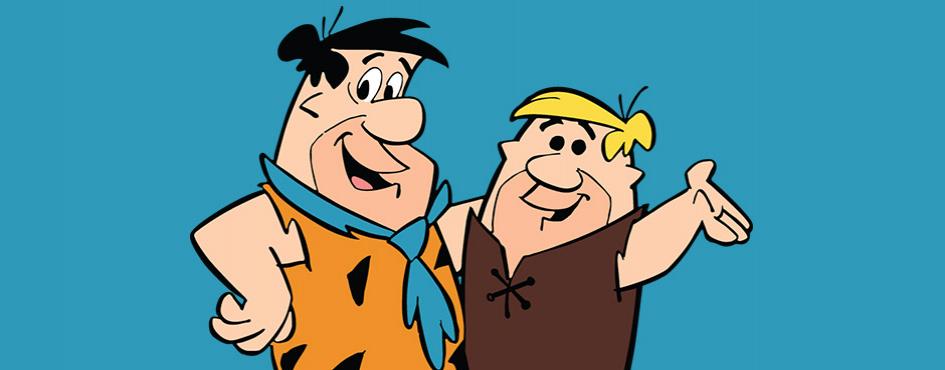
Debut: 1960
Creators: Hanna-Barbera
Fred Flintstone is one of television animation’s definitive working-class characters. Loud, boastful, and frequently wrong, Fred’s confidence masks insecurity and economic anxiety. His frustrations—work stress, financial pressure, social comparison—felt instantly familiar to adult audiences.
Voiced with booming authority, Fred became animation’s first true sitcom patriarch. Yet unlike idealized fathers of earlier television, Fred was flawed, emotional, and prone to error. His relationship with Wilma grounded the show’s comedy in mutual affection rather than dominance.
Legacy: The animated sitcom father archetype.
Why he endures: Human flaws, exaggerated but universally recognizable.
19. Yogi Bear

Debut: 1958
Creators: Hanna-Barbera
Yogi Bear’s charm lies in clever rebellion. Unlike brute-force characters, Yogi relied on intelligence and self-awareness. His famous line—“Smarter than the average bear”—was not just a catchphrase but a mission statement.
Yogi’s ongoing battle with authority, particularly Ranger Smith, framed him as a playful subversive figure. His antics reflected a broader cultural skepticism toward rigid rules and bureaucratic control during the postwar era.
Legacy: Character-driven television animation.
Why he endures: Rule-breaking guided by wit rather than malice.
20. Wile E. Coyote & the Road Runner
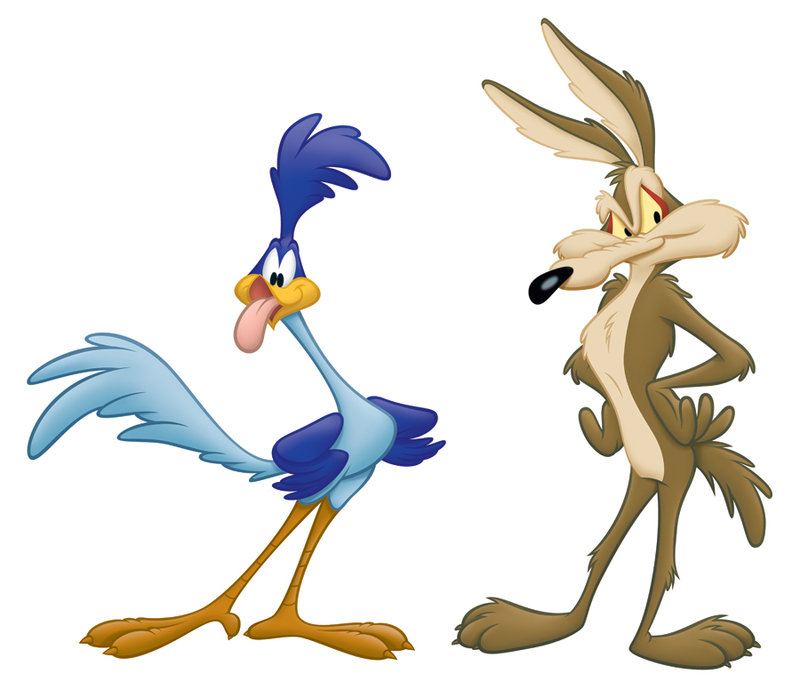
Debut: 1949
Creators: Chuck Jones & Michael Maltese
Wile E. Coyote and the Road Runner represent animation distilled to its purest mechanical form. Stripped of dialogue, emotional exposition, and narrative variation, their cartoons rely entirely on timing, repetition, and inevitability.
Wile E. Coyote is one of animation’s great tragic figures. His intelligence, preparation, and persistence are constantly undermined by physics, fate, and his own hubris. The Road Runner does not taunt or gloat—he simply exists as an unattainable goal.
These shorts function almost as philosophical experiments in failure and perseverance.
Legacy: The mechanical perfection of slapstick.
Why they endure: Persistence against impossible odds.
The 20 Iconic Cartoon Characters: Why These Characters Still Matter
These 20 cartoon characters shaped the language of animation. They defined genres, introduced new storytelling techniques, and reflected the evolving hopes and fears of the 20th century.
At Toons Mag, we celebrate these icons not as relics, but as foundations—reminding us that great characters are built on emotion, clarity, and truth, not technology alone.
Read also: 10 Iconic Cartoon Characters That Shaped Pop Culture
20 FAQ about 20 Iconic Cartoon Characters of the 20th Century
1. Who is Mickey Mouse, and when was he created?
Mickey Mouse is one of the most recognizable cartoon characters in history. He was created in 1928 by Walt Disney and Ub Iwerks.
2. What catchphrase is Bugs Bunny best known for?
Bugs Bunny is famous for his casual, sarcastic greeting: “What’s up, Doc?”
3. When did Tom and Jerry first appear, and who created them?
Tom and Jerry made their debut in 1940. The characters were created by William Hanna and Joseph Barbera.
4. Who is Superman, and when did he debut?
Superman is a pioneering superhero who first appeared in 1938, created by Jerry Siegel and Joe Shuster.
5. What is Betty Boop known for?
Betty Boop, created by Max Fleischer in 1930, is celebrated for her lively personality, flapper-era style, and iconic voice.
6. Who are the members of the Mystery Inc. gang in Scooby-Doo?
The Mystery Inc. team consists of Scooby-Doo, Shaggy, Velma, Daphne, and Fred.
7. What food gives Popeye his strength?
Popeye famously gains extraordinary strength by eating spinach.
8. Who is Snoopy, and where did he first appear?
Snoopy is a lovable beagle who debuted in 1950 in the comic strip Peanuts by Charles M. Schulz.
9. When was The Flintstones created, and who were its main characters?
The Flintstones premiered in 1960, created by Hanna and Barbera, and starred Fred, Wilma, Barney, and Betty.
10. What is Speedy Gonzales known for?
Speedy Gonzales is famous for being “the fastest mouse in all of Mexico.”
11. Who is the Pink Panther, and how did he become famous?
Pink Panther originated in film title sequences created by Blake Edwards and Friz Freleng before becoming a standalone cartoon icon.
12. When did The Simpsons debut, and who are its main characters?
The Simpsons premiered in 1989 and centers on Homer, Marge, Bart, Lisa, and Maggie Simpson.
13. Who lives in a pineapple under the sea, and when did he debut?
SpongeBob SquarePants debuted in 1999 and is known for living in a pineapple under the sea.
14. Which characters star in the classic Road Runner chase cartoons?
Road Runner and Wile E. Coyote are famous for their endless, slapstick pursuit.
15. What is Woody Woodpecker’s signature laugh?
Woody Woodpecker is instantly recognizable by his trademark laugh: “Ha-ha-ha-ha!”
16. Who is Yogi Bear, and where does he live?
Yogi Bear is a picnic-loving bear who resides in Jellystone Park.
17. How is Daffy Duck typically characterized?
Daffy Duck is known for his eccentric, selfish, and wildly unpredictable personality.
18. Who is the head of the Flintstone family?
Fred Flintstone serves as the outspoken patriarch of the Flintstone household.
19. Who is Tintin, and who created him?
Tintin is a young investigative reporter created in 1929 by Belgian cartoonist Hergé.
20. What connects all of these iconic characters?
Each of these characters emerged during the 20th century and has played a lasting role in shaping animation, comics, and global popular culture.
This post was created with our nice and easy submission form. Create your post!







4 Comments