

 Simon Alexander

Snow White: Before Elsa sang about letting go and before Moana sailed the ocean, there was Snow White—the first Disney princess and the very foundation of the animated film industry as we know it. Debuting in 1937 in Snow White and the Seven Dwarfs, this iconic character didn’t just charm audiences with her kindness and song—she changed cinema history, redefined animation, and became a blueprint for decades of Disney storytelling.
But behind the innocent face and the poisoned apple lies a deep cultural, cinematic, and artistic legacy. This article explores the history of Snow White as a Disney Princess, tracing her evolution from a German folktale to a groundbreaking animated heroine who continues to enchant audiences nearly a century later.
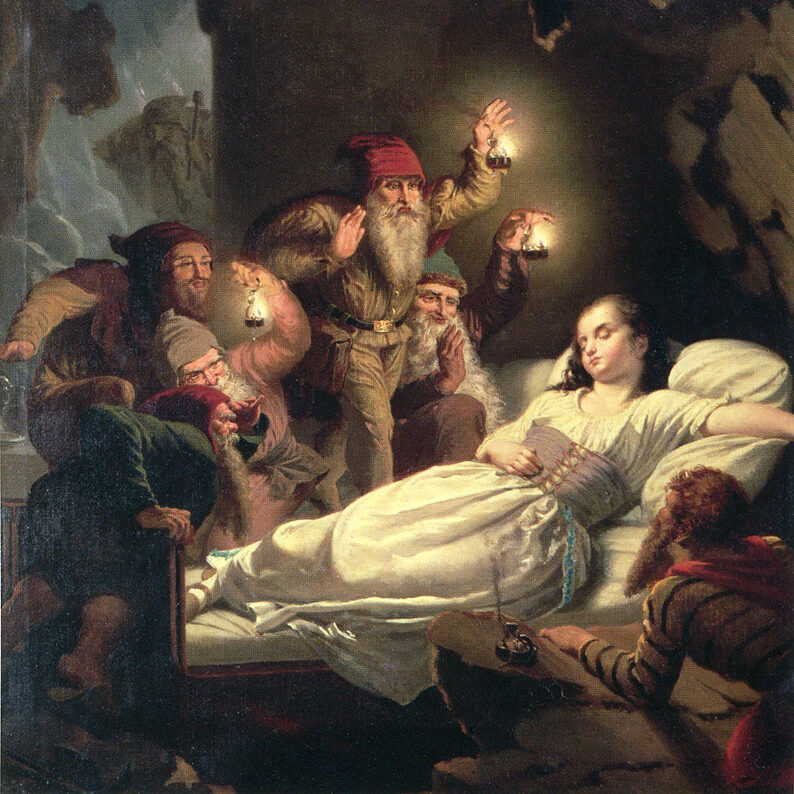
1. Origins: From Grimms’ Fairytales to Walt Disney’s Imagination
The tale of Snow White predates Disney by centuries. The original story, Schneewittchen, was first published by Jacob and Wilhelm Grimm in 1812 as part of their collected Grimm’s Fairy Tales. This version was darker and more violent than the Disney adaptation.
Key elements from the Grimms’ version:
- The Queen asks a magic mirror: “Who is the fairest of them all?”
- Snow White is only seven years old when her stepmother becomes jealous.
- The stepmother attempts to murder Snow White three times, not once.
- The dwarfs don’t have names.
- The Queen’s fate is gruesome: she’s forced to dance in red-hot iron shoes until she dies.
Walt Disney, however, had a different vision. He saw Snow White not as a cautionary tale, but as an opportunity to bring warmth, song, and wonder to a new cinematic art form—animation.

2. 1937: The Birth of Disney’s Snow White
Snow White and the Seven Dwarfs, released on December 21, 1937, was the first full-length cel-animated feature film in motion picture history and the first full-length animated film produced by Walt Disney.
Many at the time thought it would fail. Dubbed “Disney’s Folly,” critics questioned whether audiences would sit through a 90-minute cartoon. But Walt Disney believed deeply in its potential. He mortgaged his home and poured every dollar of the studio into completing the film.
The Results?
- A worldwide sensation
- Received a standing ovation at its premiere
- Earned $8 million during the Great Depression (the highest-grossing film at the time)
- Won a special Academy Award: one full-sized Oscar and seven miniatures
Snow White was more than a character—she was proof that animation could carry emotional storytelling, dramatic arcs, and cultural prestige.

3. Character Design and Animation Innovations
Snow White’s design is a hybrid of:
- 1930s Hollywood glamour (with inspiration from actresses like Janet Gaynor)
- European storybook influences
- Classic Disney charm, with expressive eyes and simplified gestures
Animating Snow White presented a challenge. While the dwarfs and animals could be exaggerated and cartoonish, Snow White needed to appear human. This led Disney to pioneer rotoscoping, a technique where animators traced over live-action footage to achieve naturalistic movement.
Other innovations:
- Multiplane camera: created depth and movement through layered backgrounds.
- Original music score: “Someday My Prince Will Come” became a classic.
- Color styling: Used Technicolor to contrast Snow White’s innocence with the Queen’s darkness.
4. The Disney Princess Archetype: Snow White Sets the Standard
Snow White introduced the “Disney Princess” formula:
- Innocent, kind-hearted heroine
- Close relationship with nature and animals
- Trials caused by jealousy or evil magic
- Rescue or reward through love or fate
This archetype influenced:
- Cinderella (1950)
- Aurora in Sleeping Beauty (1959)
- Even modern princesses like Rapunzel and Ariel retain parts of this model
Critics have noted that Snow White reflects the gender norms of the 1930s. She is passive, obedient, and idealized for her domesticity—cleaning, cooking, and singing for others.
However, at the time, her character also symbolized hope and resilience in an era of global depression and hardship.
5. Snow White’s Cultural Impact and Legacy
A. The Start of Disney’s Empire
Without Snow White’s success, Disney might never have produced Fantasia, Bambi, or even the theme parks. She was the financial and artistic cornerstone of the Disney empire.
B. Merchandise and Mass Media
Snow White was the first character to be heavily merchandised:
- Dolls, books, toys
- Sheet music and soundtracks
- Appearances on TV and eventually at Disneyland (1955)
She became a symbol of Disney magic—an ambassador of innocence and imagination.
C. Restoration and Preservation
The film has been restored multiple times, preserving its hand-drawn frames. In 1989, Snow White and the Seven Dwarfs was added to the United States National Film Registry for its cultural, historical, and aesthetic significance.
6. Evolving Criticism: Feminist Readings and Reboots
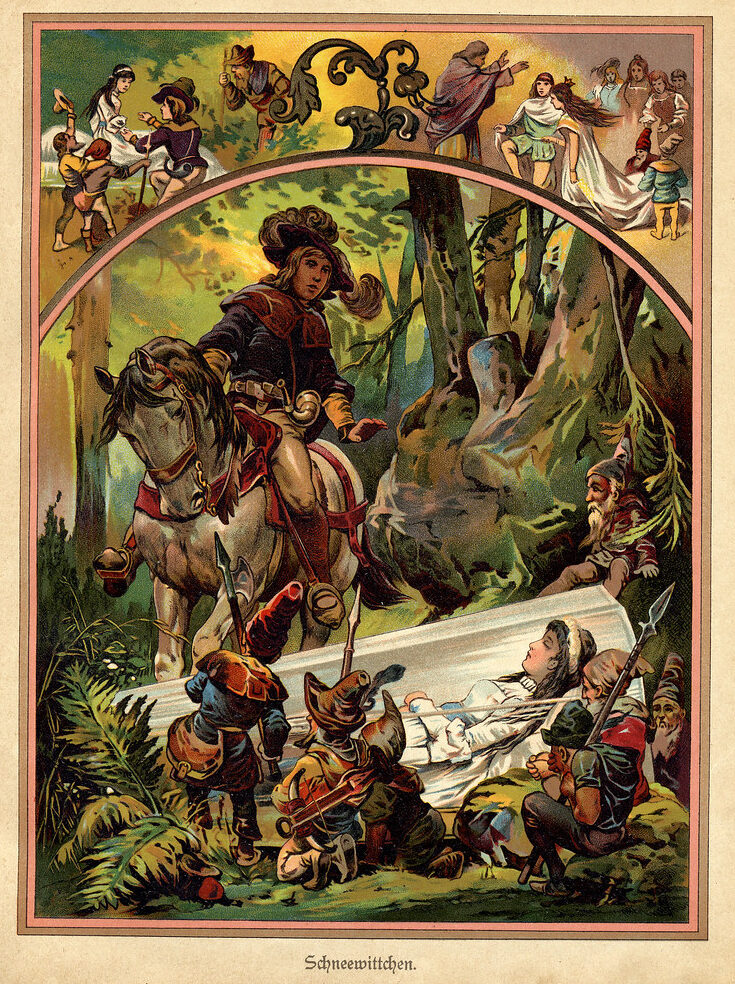
Over the years, scholars and critics have reexamined Snow White’s portrayal. While she remains beloved, many view her as passive compared to modern heroines like Merida, Moana, or Elsa.
Key critiques:
- Lack of agency (she is acted upon more than she acts)
- Overemphasis on beauty and marriage
- Reinforcement of gender roles (domestic chores as virtue)
However, others argue that Snow White’s emotional intelligence, kindness, and optimism are strengths in themselves. Her story can be read as a moral fable, not a call for passivity.
7. The Future of Snow White
In recent years, Snow White has seen:
- A live-action adaptation in development at Disney, starring Rachel Zegler and Gal Gadot
- Appearances in TV shows (Once Upon a Time), games (Kingdom Hearts), and films (Ralph Breaks the Internet)
- A reexamination of her role as a cultural icon in the Disney Princess franchise
Disney’s challenge today is to reimagine Snow White for a new generation without erasing her roots. Can her story evolve while still honoring what made her timeless?
8. Snow White’s Global and Artistic Legacy
Snow White has inspired:
- Animators across the world, from Studio Ghibli’s Hayao Miyazaki to European illustrators
- Countless artists, cartoonists, and filmmakers
- Feminist reinterpretations, satire, and graphic novels
Her tale has been retold in:
- Books like Fairest and Mirror Mirror
- Modern adaptations like Snow White and the Huntsman
- Cartoon satire, including references in Shrek, The Simpsons, and Robot Chicken
And still, her original Disney incarnation remains iconic—as instantly recognizable today as she was in 1937.

Snow White: The Princess Who Changed Everything
Snow White may seem like a quiet figure compared to her modern Disney descendants, but her significance cannot be overstated. She was the first princess, the first animated feature heroine, and the first to prove that animation could be cinematic art.
Her story teaches us that kindness is not weakness, that innocence can triumph over cruelty, and that beauty—true beauty—shines from within.
Whether viewed as a nostalgic relic or a foundational figure, Snow White remains a legend. She was the fairest not just for her looks, but because she paved the way for every animated heroine who followed.
This post was created with our nice and easy submission form. Create your post!