



 Tor Alosson

10 Famous Cartoon Cats That Captured Our Hearts: Cats have lived alongside humans for thousands of years—not merely as companions, but as symbols of independence, mystery, elegance, and wit. Naturally, when animation and comics rose to prominence, cats became one of the medium’s most expressive and beloved archetypes. Cartoon cats have starred in slapstick chases, quiet domestic dramas, internet shorts, and global merchandising empires. They have amused us, comforted us, and reflected our own quirks through their feline antics.
In this article, we explore ten iconic cartoon cats, tracing their origins, personalities, cultural influence, and why they continue to capture our hearts across generations.
1. Garfield: The Lasagna-Loving King of Sarcasm
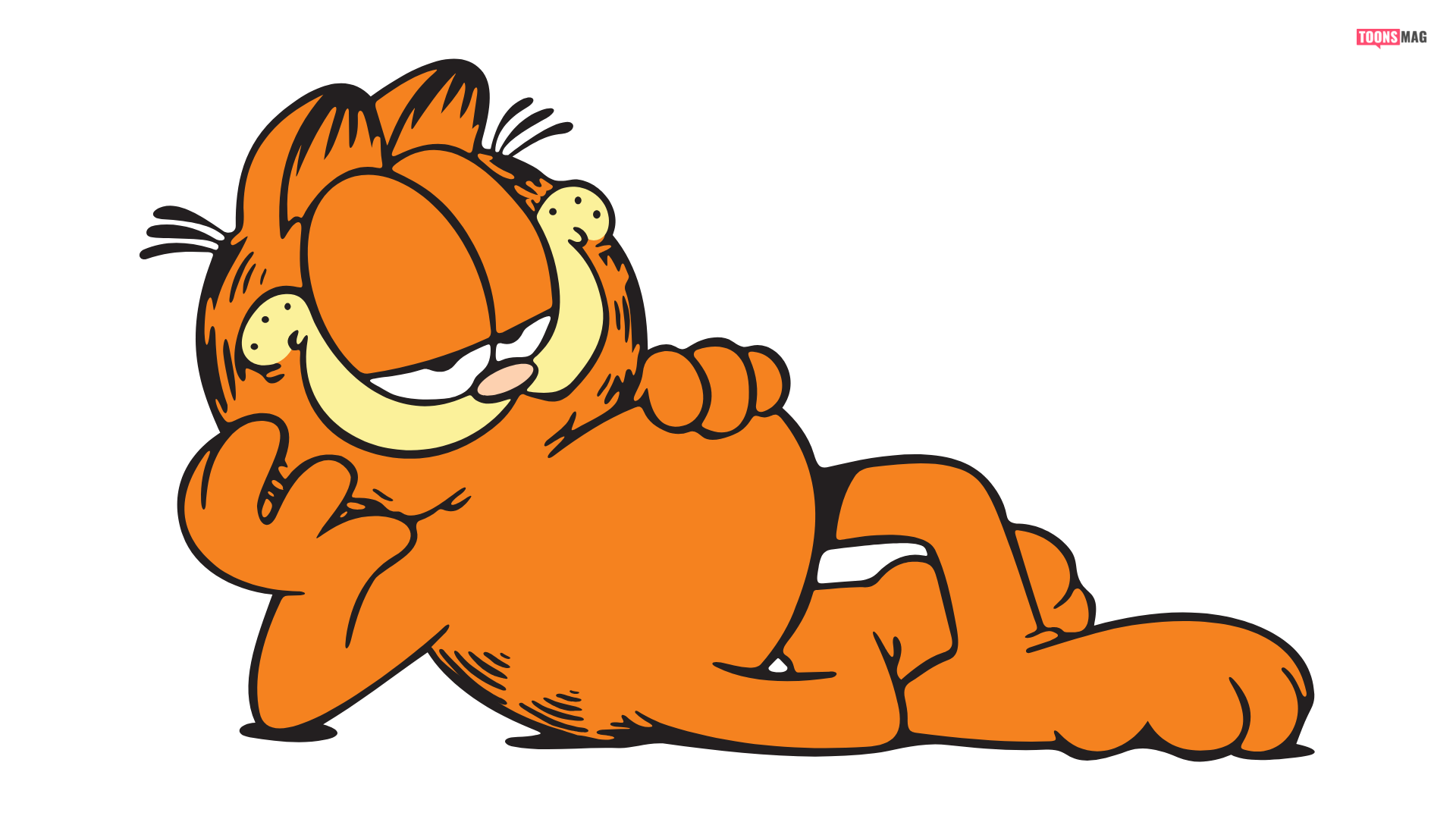
Created By: Jim Davis (1978)
Medium: Comic strip, TV specials, animated series, films
Legacy: One of the most syndicated comic characters in history
Garfield is more than a comic-strip character—he’s a cultural fixture. Debuting on June 19, 1978, Garfield represented something new: a household cat with human-level cynicism. His disdain for Mondays, obsession with food, and hilariously lazy worldview resonated with millions.
Beyond newspapers, Garfield inspired TV specials like Garfield and Friends, multiple films, video games, and merchandise empire. His personality—equal parts grumpy and lovable—redefined what a comic-strip animal could be. Garfield is, in many ways, the feline embodiment of everyday human frustrations.
2. Tom: Animation’s Most Famous Underdog
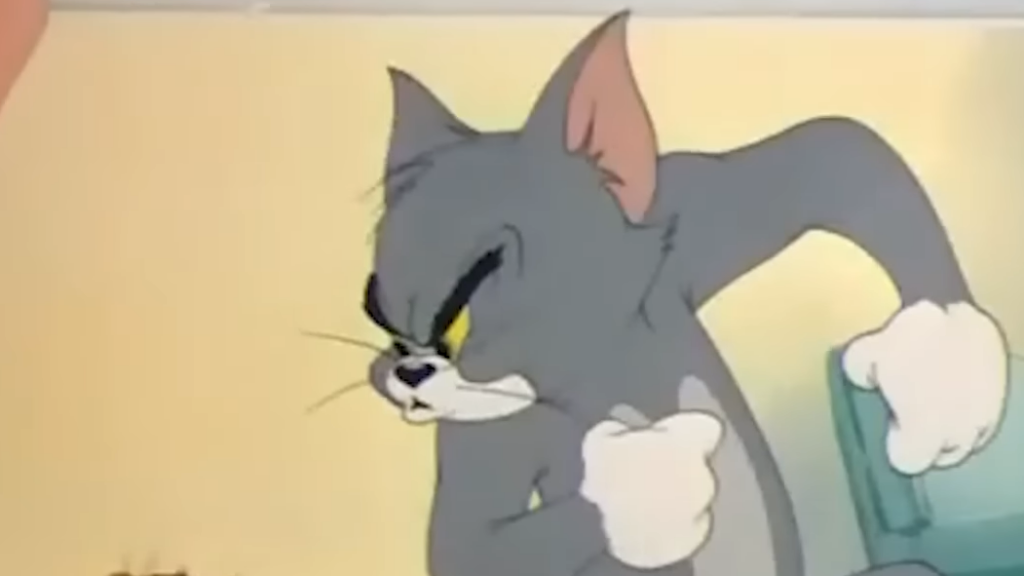
Created By: William Hanna & Joseph Barbera (1940)
Medium: Tom and Jerry shorts, TV series, films
Legacy: 7 Academy Awards, universal recognition
Tom’s eternal battle with Jerry set a gold standard for slapstick comedy. With minimal dialogue, the series relied on timing, choreography, and expressive animation. Tom swings between crafty hunter, hapless victim, and occasionally sympathetic protagonist, making him one of the most emotionally diverse cartoon cats ever created.
What makes Tom iconic is the simplicity of the premise paired with the brilliance of execution. Tom and Jerry crossed cultural boundaries and language barriers, proving that physical humor is truly universal.
3. Felix the Cat: The World’s First Animated Superstar
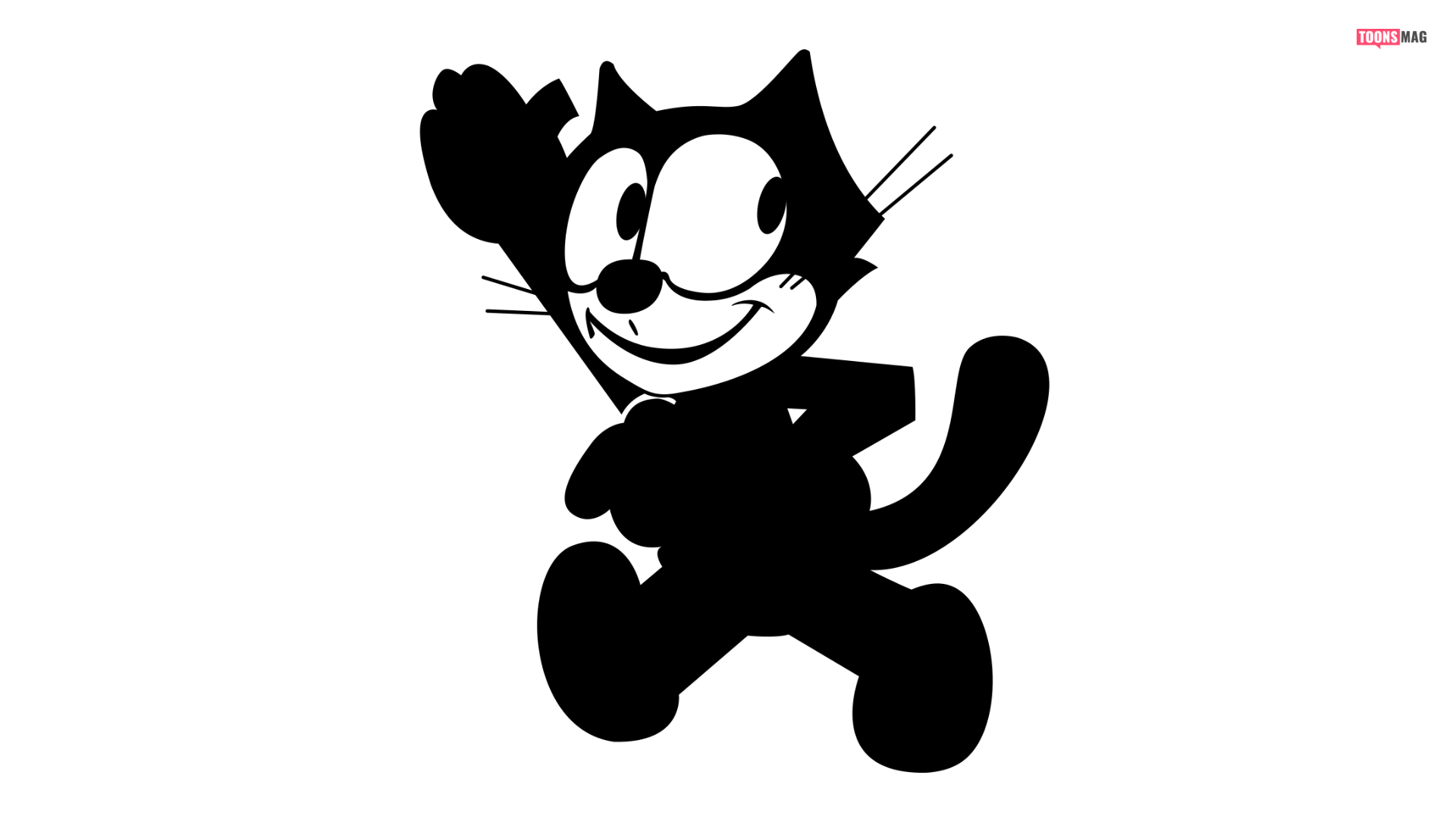
Created By: Otto Messmer (1919)
Medium: Silent films, later TV series
Legacy: First cartoon character to achieve global fame
Felix defined cartoon stardom decades before Mickey Mouse arrived. With his magical bag of tricks and surreal, dreamlike adventures, Felix’s films captured the imagination of early 20th-century audiences. His expressive face and fluid movements showed how much emotion animation could convey—even without dialogue.
Felix became a merchandising icon, starred in comic strips, and influenced early animators worldwide. His charm and visual inventiveness still resonate with animation historians.
4. Sylvester: The Determined—but Doomed—Predator
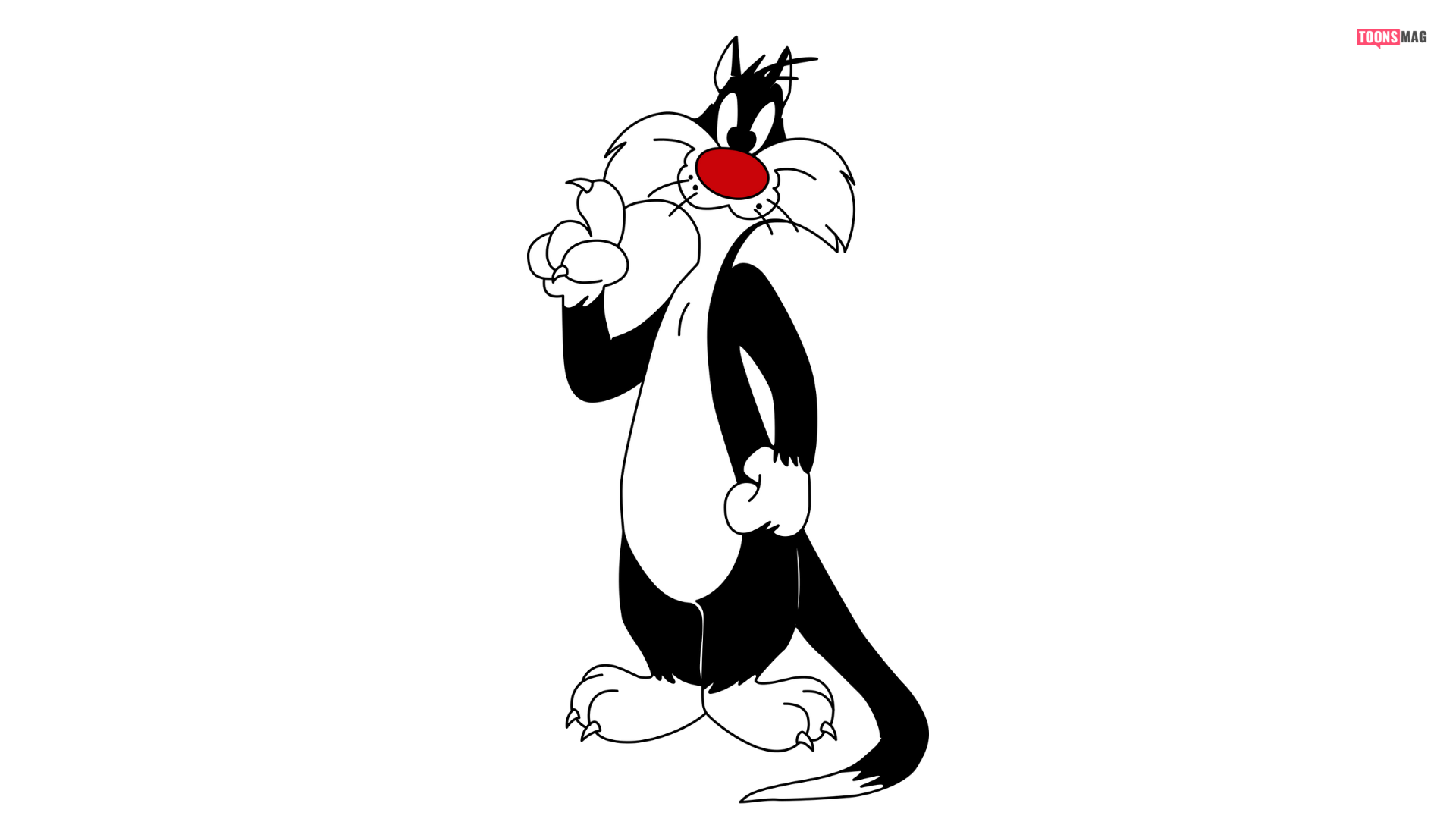
Created By: Friz Freleng (1945)
Medium: Looney Tunes, Merrie Melodies
Legacy: Comic timing masterclass, 3 Academy Awards
Sylvester J. Pussycat Sr. brought a unique comedic flavour through his distinctive lisp and overconfidence. Whether chasing Tweety, Speedy Gonzales, or even facing the supernatural with Porky Pig, Sylvester’s resilience made him endlessly entertaining.
His failures were hilariously epic, yet his determination never faded—making him a symbol of comedic persistence.
5. Top Cat: Animation’s Coolest Alley Leader
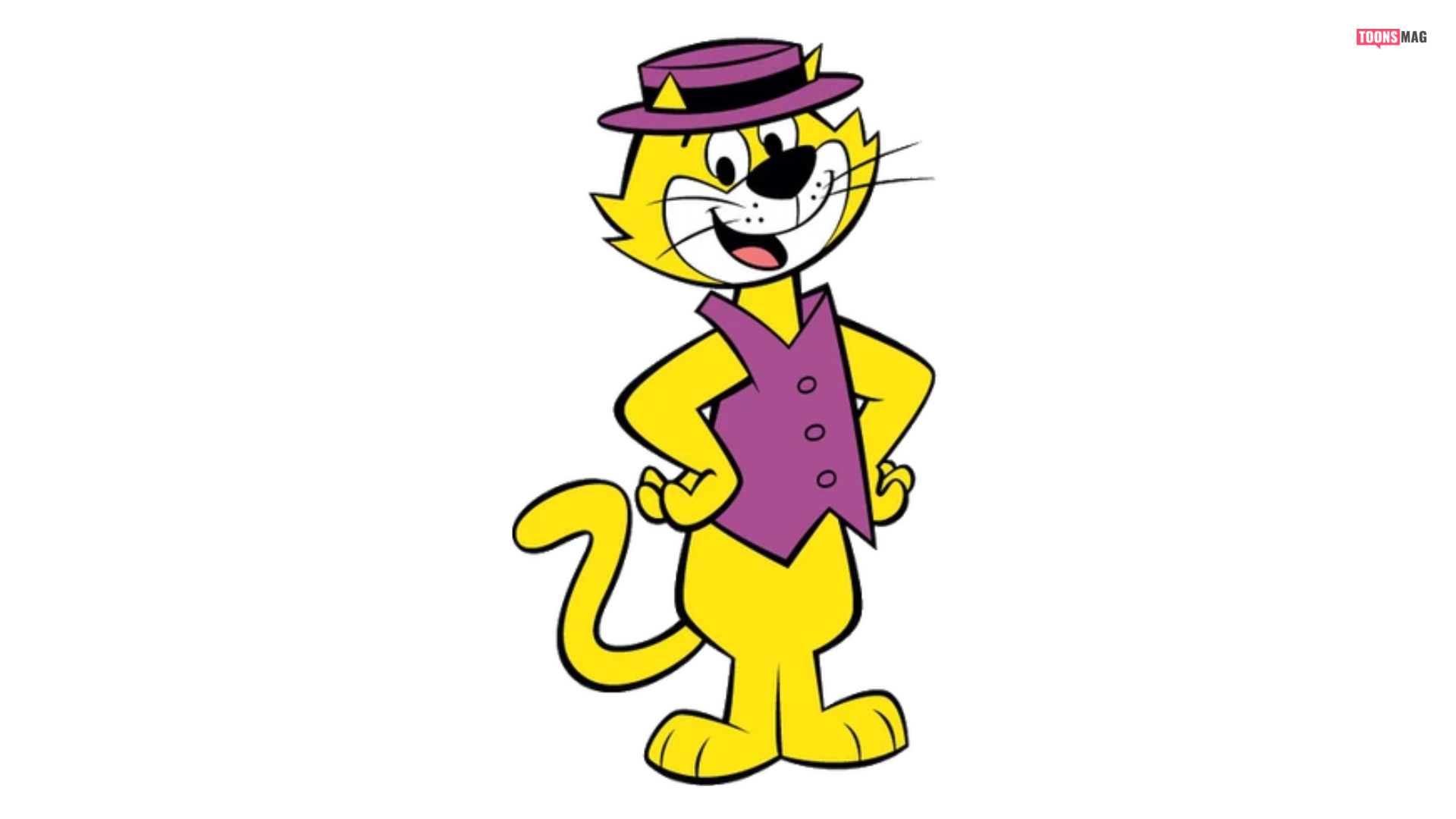
Created By: Hanna-Barbera (1961)
Medium: TV series
Legacy: Cult classic with international appeal
Top Cat (or T.C.) is not just a street-smart feline—he’s a charismatic leader with the swagger of a 1960s sitcom star. His humor, clever schemes, and tight-knit gang turned Top Cat into a sensation, especially in Latin America, where the show achieved massive popularity.
Top Cat’s charm comes from his blend of mischief and heart. His adventures, often involving outsmarting Officer Dibble, showcased themes of loyalty and camaraderie.
6. Puss in Boots: The Feline Swashbuckler
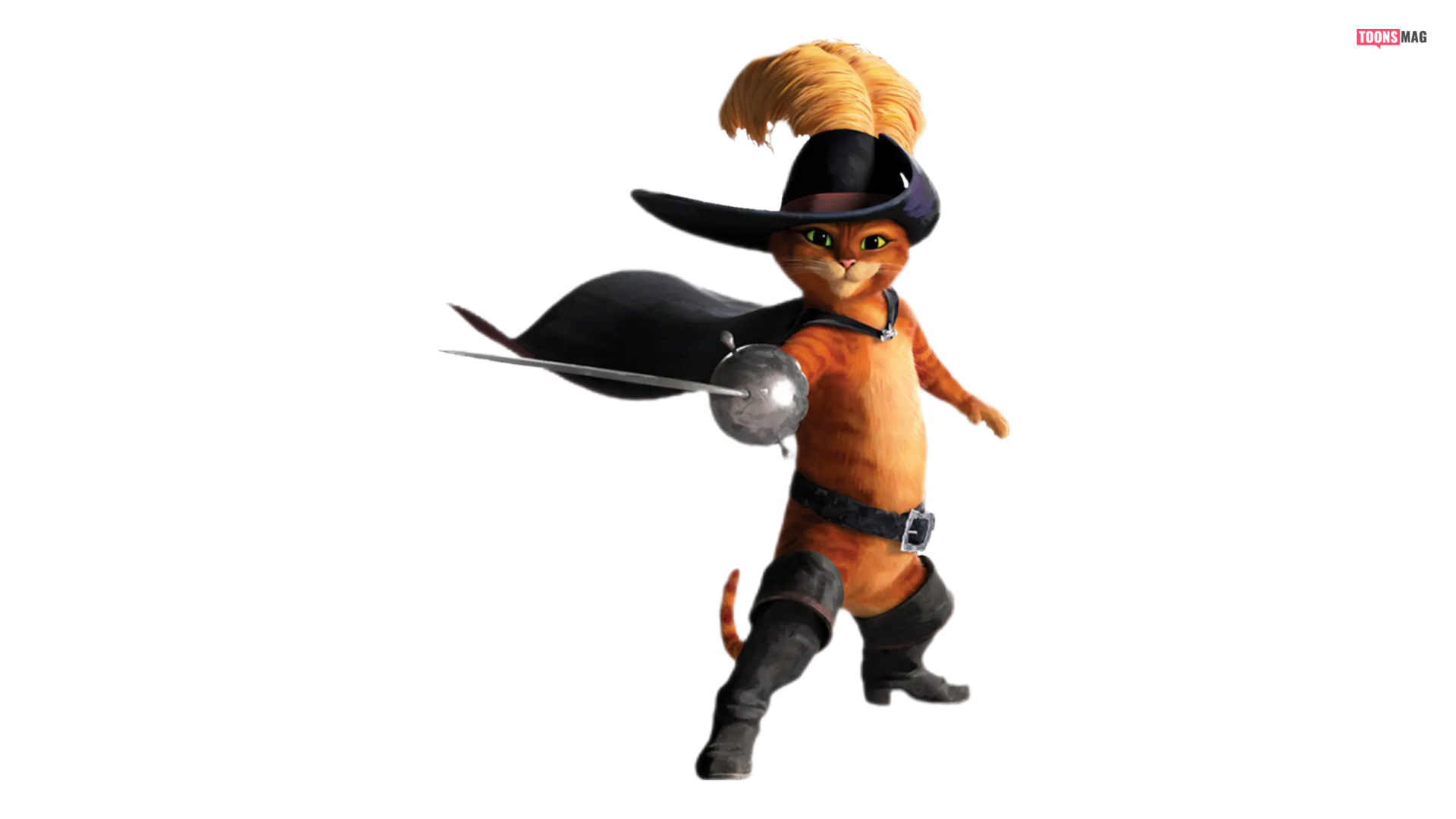
Created By: DreamWorks Animation (appearing first in Shrek 2, 2004)
Voiced By: Antonio Banderas
Legacy: A beloved modern action-comedy hero
Puss in Boots burst onto the screen with dramatic flair—a parody of Zorro combined with irresistible kitten eyes. His swordsmanship, charm, and theatrical personality quickly made him a breakout star in the Shrek franchise.
His solo films deepened his character, exploring themes of bravery, humility, and identity. Puss remains one of the most charismatic feline heroes ever animated.
7. The Cheshire Cat: The Philosophical Trickster
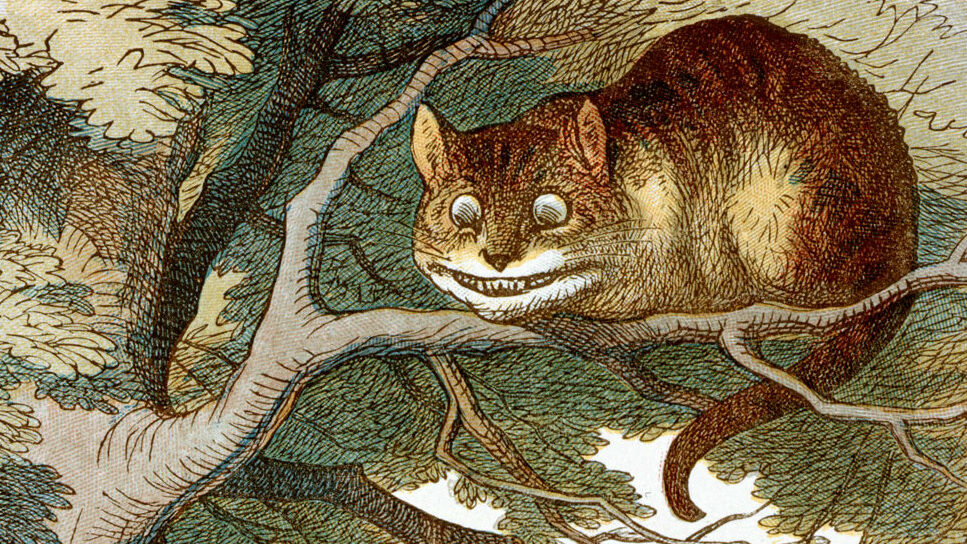
Created By: Lewis Carroll (1865); visualized by John Tenniel
Medium: Literature → Various animated & film adaptations
Legacy: A symbol of mystery, madness, and whimsy
The Cheshire Cat is more than a character—he’s a phenomenon. Known for his disappearing body and iconic grin, he represents the surreal, dreamlike nature of Wonderland. Whether interpreted through Disney animation, darker adaptations, or modern media, the Cheshire Cat continues to symbolize playful ambiguity.
His riddles and paradoxes make him a favorite among literary scholars, artists, and philosophers alike.
8. Hello Kitty: The Minimalist Global Icon
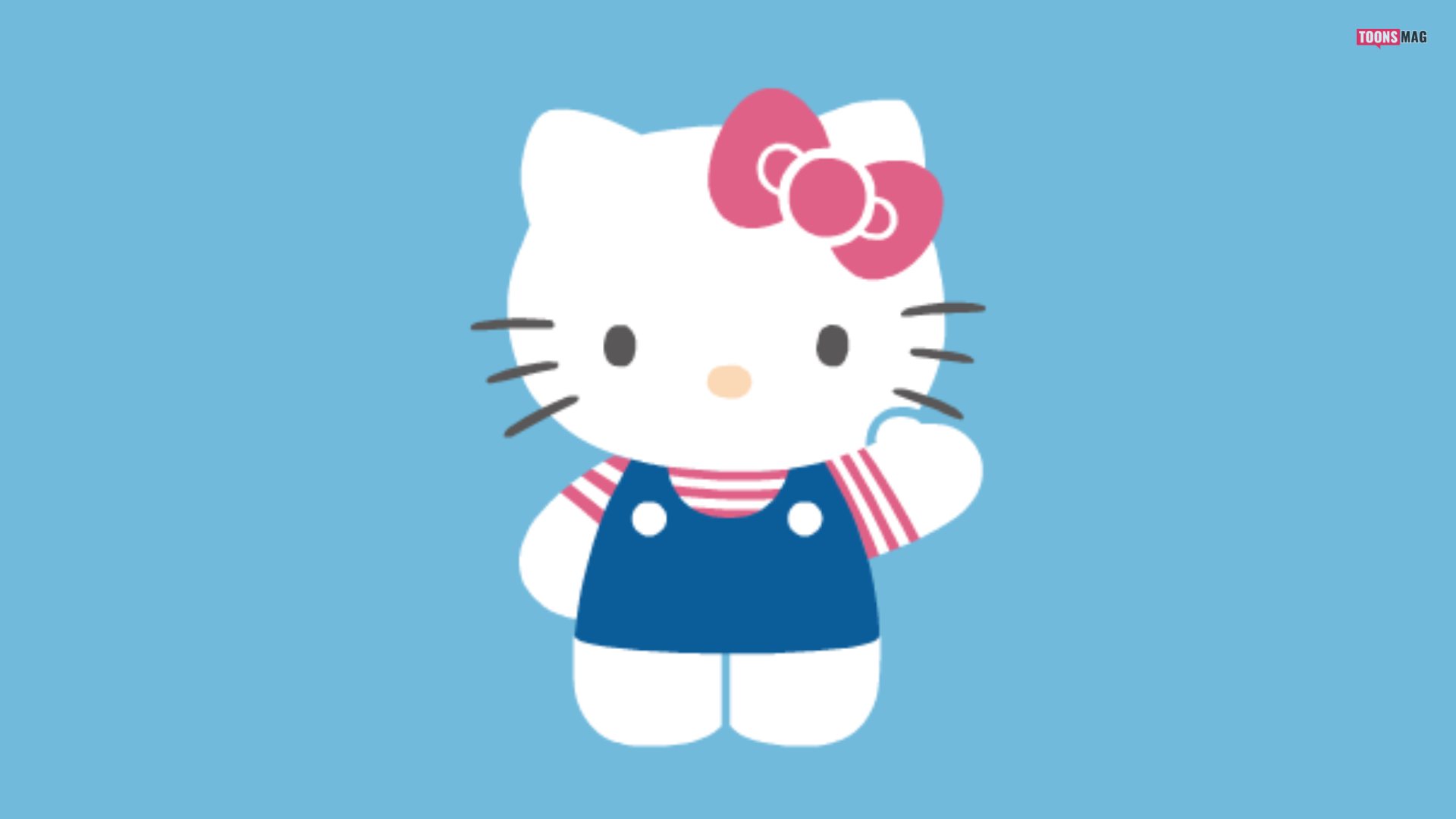
Created By: Yuko Shimizu (1974)
Medium: Mascot, merchandise, media franchise
Legacy: Billion-dollar global phenomenon
Hello Kitty transcends cartoons. With no mouth, a simple bow, and a minimalist design, she became a symbol of kawaii culture and a unifying icon across generations. Sanrio expanded her world into TV shows, fashion, lifestyle goods, cafes, and global fandom events.
What makes Hello Kitty unique is her emotional neutrality—fans project their own feelings onto her, making her endlessly relatable.
9. Simon’s Cat: The Internet-Era Everycat
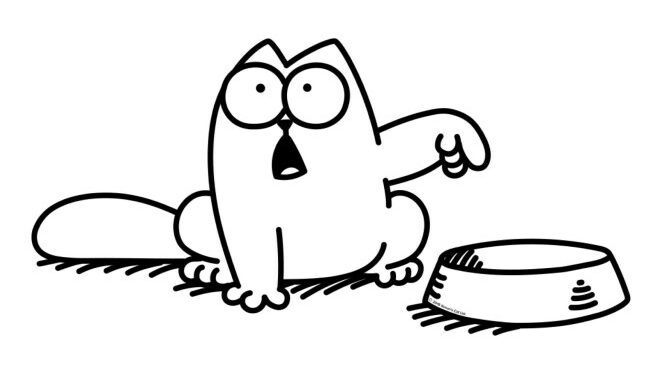
Created By: Simon Tofield (2008)
Medium: YouTube animations, books, merchandise
Legacy: One of the first viral animated web series
Simon’s Cat perfectly captures the humor and chaos of living with a real cat. The simple black-and-white drawings, pantomime-style storytelling, and universal feline behaviors created an online sensation.
Whether knocking things off shelves, begging for food, or causing accidental destruction, Simon’s Cat connects instantly with cat lovers everywhere. It demonstrates that relatable humor can thrive without dialogue or elaborate animation.
10. Marie, Berlioz & Toulouse: Disney’s Aristocratic Kittens
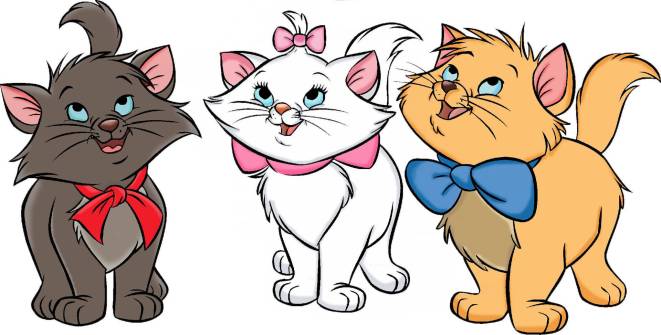
Created By: Disney (1970)
Medium: The Aristocats
Legacy: Cultural icons, especially Marie’s global popularity
These three kittens introduced audiences to Parisian charm, childhood innocence, and musical fun. Marie’s poise and signature line, “Ladies do not start fights, but they can finish them,” made her a favorite worldwide—especially in East Asia, where her merchandise remains hugely popular.
Toulouse, the aspiring painter, and Berlioz, the shy pianist, complete a heartwarming trio that embodies family, creativity, and adventure.
Read also: 10 Famous Cartoon Dogs That Have Captured Our Hearts
Why Cartoon Cats Remain Timeless
1. They Represent Universal Traits
Independence, curiosity, mischief, elegance—people recognize themselves in cats.
2. Their Personalities Translate Across Cultures
Cats don’t need complex dialogue. Their gestures and expressions communicate effortlessly worldwide.
3. They Inspire Endless Artistic Possibilities
From surrealism (Cheshire Cat) to slapstick (Tom) to character-driven storytelling (Garfield), cats adapt to any genre.
4. They Appeal to All Generations
Children love their cuteness; adults appreciate their wit and symbolism.
Cartoon Cats as Cultural Companions
These ten cats—whether grumpy, heroic, chaotic, philosophical, or adorable—have shaped animation and pop culture in unforgettable ways. They reflect our emotions, challenge norms, and amuse us through their expressive personalities. More than fictional felines, they are storytellers, entertainers, and cultural icons.
Through comics, films, merchandise, memes, and global fandoms, cartoon cats continue to charm hearts and inspire creative minds—proving that, in animation, cats truly rule.
Frequently Asked Questions (FAQ) about Cartoon Cats
Cartoon cats have been a beloved part of popular culture for decades, and they continue to capture our hearts with their charm and antics. Here are some frequently asked questions about cartoon cats and their impact on the world of entertainment:
1. Who is the most famous cartoon cat of all time?
The most famous cartoon cat is arguably Garfield. Created by Jim Davis in 1978, Garfield is known for his love of lasagna, sarcastic humor, and laid-back attitude. He has appeared in comic strips, TV shows, and movies, making him a beloved character worldwide.
2. What is the oldest cartoon cat character?
Felix the Cat is one of the oldest cartoon cat characters. Created by Pat Sullivan and Otto Messmer in 1919, Felix is known for his timeless charm and magical bag of tricks. He’s often considered one of the first true cartoon stars.
3. Are there any cartoon cats with distinctive catchphrases?
Yes, several cartoon cats are known for their distinctive catchphrases. For example, Sylvester the Cat is famous for saying, “Sufferin’ succotash!” in a distinct lisp. Top Cat often says, “You’re the boss; he’s the Top Cat!” Puss in Boots is known for saying, “Fear me if you dare!” in his suave Spanish accent.
4. Which cartoon features a cat-and-mouse duo?
The classic cartoon series “Tom and Jerry” by William Hanna and Joseph Barbera features a cat-and-mouse duo. Tom, the Cat, always pursues Jerry, the clever mouse, resulting in hilarious and often slapstick adventures.
5. Are there any modern cartoon cats that have gained popularity?
Yes, several modern cartoon cats have gained popularity. “Simon’s Cat,” created by Simon Tofield, is a popular internet sensation known for its humorous animated shorts. Additionally, characters like Marie, Berlioz, and Toulouse from Disney’s “The Aristocats” (1970) continue to captivate new generations.
6. Do cartoon cats appear in different art forms besides animation?
Yes, cartoon cats often appear in various art forms beyond animation. They can be found in comic strips, comic books, graphic novels, and even as characters in literature. For example, the Cheshire Cat from Lewis Carroll’s “Alice’s Adventures in Wonderland” is a famous literary feline character.
7. Are there any cartoon cats that promote life lessons or values?
Yes, many cartoon cats convey life lessons and values through their stories. For instance, “Puss in Boots” from the “Shrek” film series promotes bravery and the importance of using one’s wits. Dr. Seuss‘s “The Cat in the Hat” imparts lessons about creativity and imagination.
8. How have cartoon cats influenced popular culture?
Cartoon cats have had a significant influence on popular culture. They have inspired merchandise, clothing, toys, and theme park attractions. Characters like Garfield and Hello Kitty have become cultural icons with a global following.
9. Are there any cartoon cats known for their intelligence or wit?
Yes, several cartoon cats are known for their intelligence and wit. With his quick thinking and leadership skills, Top Cat often outsmarts his rivals. Felix the Cat uses his magical bag of tricks to solve problems creatively.
10. Do cartoon cats appeal to both children and adults?
Yes, many cartoon cats are designed to appeal to children and adults. Their humor and character depth make them enjoyable for a broad audience. Characters like Garfield and The Cheshire Cat have witty qualities that resonate with adults, while their visual appeal and charm engage children.
Read also: 25+ Most Famous Cartoon Characters of All Time (Open list)
Cartoon cats have left a lasting legacy in the entertainment world, bringing joy and laughter to audiences of all ages. Whether through classic characters like Garfield or modern internet sensations like Simon’s Cat, these feline friends remain beloved figures in cartoons.
This post was created with our nice and easy submission form. Create your post!



3 Comments