

 Tor Alosson

Independent comic book artists have pushed the boundaries of the medium, often working outside the mainstream industry (Marvel, DC, etc.) to tell personal, daring stories on their own terms. From underground comix revolutionaries to modern graphic novel pioneers, these creators – both classic and contemporary – have charted their own paths in comics. Many self-published their work or partnered with small presses, developing unique artistic styles and bold storytelling approaches. Below, we celebrate 20 of the best indie comic book artists around the world, highlighting their major works, challenges, achievements, and lasting influence on the indie comics scene.
Will Eisner (USA) – Pioneering Graphic Novelist

Will Eisner is often regarded as the father of the graphic novel, a trailblazer who demonstrated comics’ potential as literature. He started in the 1940s with the influential adventure strip The Spirit, but his independent turn came with A Contract with God (1978), a self-contained collection of urban stories. This book helped popularize the term “graphic novel” and proved comics could tackle serious, mature themes.12 Eisner’s style combined dynamic sequential art (he even coined the term “sequential art”) with humanist storytelling, drawing on his New York City upbringing. He faced skepticism in an era when comics were dismissed as kids’ fare, yet persisted in self-publishing and advocating for creator rights. His works (including A Contract with God and later graphic novels) legitimized comics as a medium for adult storytelling, influencing generations of indie cartoonists.
Eisner’s lasting influence is evident not only in the prestigious industry awards named after him, but in how he inspired creators to break away from the superhero mainstream and treat comics as an art form.3
Robert Crumb (USA) – Underground Comix Legend

A founder of the 1960s underground comix movement, Robert “R.” Crumb is one of indie comics’ most iconic and controversial figures. Crumb’s work, which ranges from satirical to surreal and often X-rated, appeared in seminal underground titles. He famously co-founded Zap Comix in 1968 – the first successful underground comix publication – and contributed to every issue. With characters like Fritz the Cat and Mr. Natural, and the ubiquitous “Keep On Truckin’” cartoon, Crumb’s distinctive crosshatched art and frank exploration of sex, drugs, and counterculture made a massive impact. His magazine Weirdo (1981–1993) became one of the leading venues of the alternative comics era,4 showcasing oddball art and storytelling outside the mainstream. Crumb worked largely independently, self-publishing and maintaining creative control despite the risqué content causing occasional censorship challenges.
Influence: Crumb’s unabashedly personal, satirical style opened the door for underground and alternative comics as a whole. He proved that comics could be subversive, adult, and artist-driven, inspiring countless indie creators in the decades since. In recognition of his impact, he was an inaugural inductee of the Eisner Hall of Fame in 1991. Love or hate his provocative material, Crumb’s role in sparking the indie/underground comics revolution is indisputable.
Art Spiegelman (USA) – Elevating Comics to High Art

Art Spiegelman is a defining figure in independent comics who elevated graphic storytelling to new literary heights. His masterwork Maus (1980–91), an autobiographical Holocaust narrative depicting Jews as mice and Nazis as cats, earned a Pulitzer Prize Special Award and showed the world that comics could tackle profound historical and personal subjects. Spiegelman, along with his wife Françoise Mouly, also edited and self-published RAW magazine (1980–1991), an anthology that became a showcase of avant-garde comics from around the globe.5
Through RAW, Spiegelman championed experimental approaches and introduced European and Japanese alternative artists to American readers. He faced the challenge of finding an audience for such non-mainstream work, essentially building a readership from the ground up. The result was a vibrant indie scene that RAW nurtured. Spiegelman’s contributions have been hugely influential – he played a crucial role in “elevating the graphic novel as a serious literary and artistic form,” as one scholar noted.6 His success with Maus reshaped public perception of comics, opening new avenues for storytelling and artistic expression.7 Today Spiegelman is celebrated not only for his own groundbreaking art, but for mentoring and publishing many other indie cartoonists. His career exemplifies the independent spirit: creating comics that defy convention and insisting on the medium’s artistic legitimacy.
Gilbert Hernandez (USA) – Literary Comics Trailblazer

Gilbert “Beto” Hernandez is best known as co-creator (with his brothers Jaime and Mario) of Love and Rockets, one of the most beloved and influential indie comics series of all time.8 Starting as a self-published comic in 1981, Love and Rockets was picked up by Fantagraphics in 1982 and became a cornerstone of the 1980s alternative comics boom. Gilbert’s primary contribution to the series is the *Palomar/Heartbreak Soup saga – rich, magical-realist stories set in a fictional Latin American village. Through Palomar, Gilbert introduced readers to a cast of complex characters (like matriarch Luba) and wove multi-generational tales blending everyday life, surrealism, and social commentary.
Unique style: Gilbert’s art is bold and expressive, with clear-line influences, and his storytelling is unflinching in its depiction of sexuality, violence, and heartfelt emotion. He and his brothers demonstrated that comics could tell nuanced, character-driven stories beyond the superhero genre. Gilbert faced the challenge of being a young Mexican-American creator in a scene that was then predominantly white – yet his authentic representation of Latinx characters was revolutionary.
Influence: The Hernandez brothers’ work defined the alternative comics scene of the 1980s and proved that independent creators could maintain long-running series on their own terms. Gilbert Hernandez in particular has been praised for bringing literary depth to comics, inspiring countless indie cartoonists to explore personal and cultural narratives.
Jaime Hernandez (USA) – Punk Rock and Heart in Comics
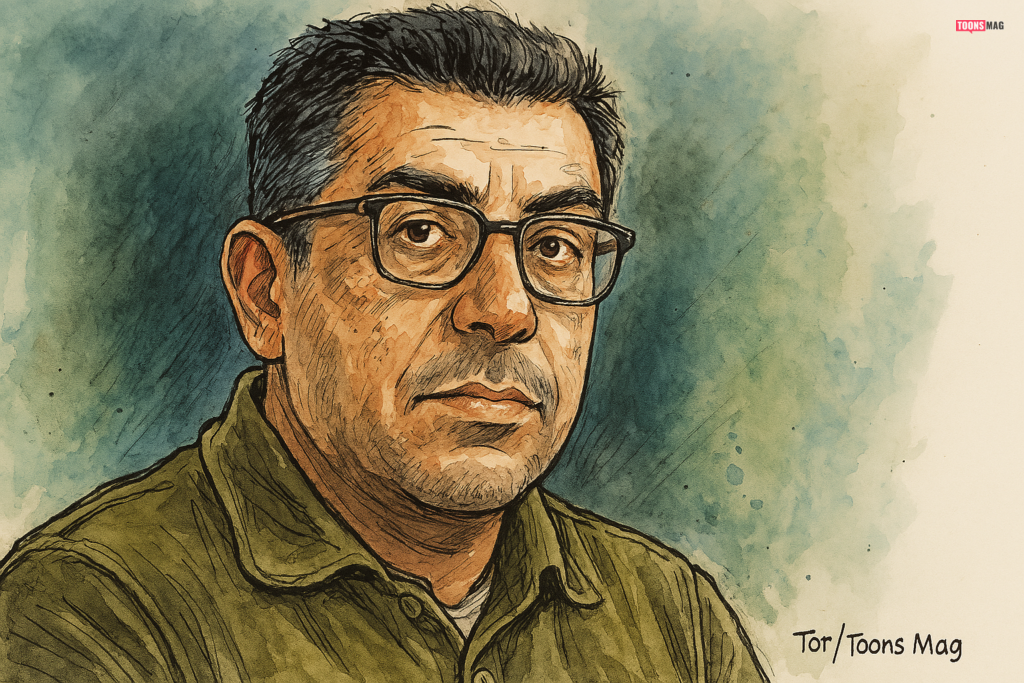
Alongside his brother Gilbert, Jaime Hernandez is the other half of the creative duo behind Love and Rockets. Jaime’s side of the series, often called the Locas stories, follows a tight-knit group of Latina friends (Maggie, Hopey, and others) in a fictional Southern California punk-rock community. Debuting in the early ’80s, these stories broke new ground with their realistic portrayal of Latina women and LGBTQ characters, all rendered in Jaime’s clean, brilliantly cartooned style. Jaime’s art merges influences from classic Archie comics and dynamic punk aesthetics, resulting in a visually appealing yet emotionally resonant approach. The Locas saga, with its mix of youthful rebellion, friendship, romance, and aging, transformed American comics storytelling by focusing on everyday life and relationships.9 Jaime had the freedom to “do whatever he wanted” in Love and Rockets, which was the founding ethos – true creative independence.10 Over four decades, he has navigated both the comic’s industry ups and downs and personal growth, yet Love and Rockets remains indie at its core (the brothers even retain rights to their work).
Impact: Jaime Hernandez’s work is widely considered one of the most influential comics of the last 40 years. He paved the way for slice-of-life and punk/DIY themes in comics, and many modern cartoonists cite Jaime’s Locas stories as a major inspiration for character-driven indie graphic novels.
Daniel Clowes (USA) – Indie Satirist with Cinematic Reach

Daniel Clowes emerged in the late 1980s as a leading voice in alternative comics, known for his dark humor, satire, and painfully honest character studies. His comic book Eightball (1989–2004, published by Fantagraphics) was a one-man anthology where Clowes serialized many of his major works, including Ghost World, David Boring, and Like a Velvet Glove Cast in Iron. Clowes’s art style is precise and controlled, often evoking vintage comic styles, yet his storytelling is subversive and emotionally complex.
Major works: Ghost World (1997) is perhaps his best-known graphic novel – a coming-of-age story of two alienated teen girls, which was later adapted into an award-winning film. That film’s success brought Clowes mainstream recognition (he even received an Oscar nomination for the screenplay), a rarity for an indie cartoonist. Despite wider fame, Clowes remained rooted in independent publishing, continuing to create offbeat stories on his own terms. Fellow cartoonists regard him with awe – comics innovator Chris Ware once quipped that he’s “afraid” of Dan Clowes, along with “a few hundred other cartoonists,” in testament to Clowes’s formidable talent.11
Influence: Clowes’s work, marked by its wit and melancholic insight, helped define 1990s indie comics. He showed that independent comics could attain literary prestige and even crossover into other media without sacrificing their edge. Many younger graphic novelists credit Clowes for paving the way for sophisticated, character-centric stories in comics.
Charles Burns (USA) – Master of Modern Horror in Comics
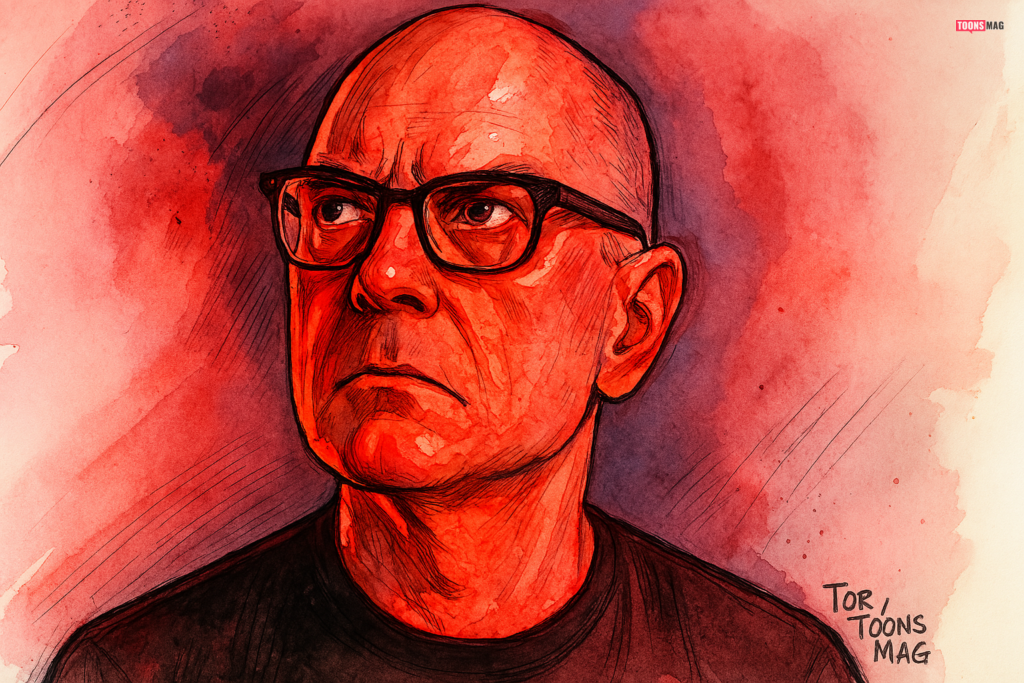
Charles Burns stands out for his haunting visual style and exploration of the uncanny in independent comics. With thick, inky black lines and meticulously detailed art, Burns’ work is immediately recognizable. He first rose to prominence in RAW magazine in the 1980s (editor Art Spiegelman gave him a platform), where his stark graphics and surreal horror sensibilities caught readers’ attention.12 Burns’ magnum opus is Black Hole (published serially 1995–2005), a graphic novel about teenagers in 1970s Seattle afflicted by a strange plague that causes grotesque mutations. Black Hole is widely regarded as a legendary graphic novel, featured on numerous “best-of” lists and acclaimed both inside and outside the comics world.13 It won multiple Harvey Awards and an Eisner, and its collected release made a large impact on how people viewed comics as a vehicle for horror and coming-of-age drama. Burns has always operated in the independent arena (with publishers like Kitchen Sink and Fantagraphics), crafting idiosyncratic works without compromise.
Challenges: His morbid, often surreal content isn’t mainstream fare, but Burns built a devoted following and critical acclaim through the indie circuit.
Achievements: Black Hole’s success demonstrated that an alternative comic could achieve both literary acclaim and popular recognition, validating indie creators with darker visions. Burns is lauded as “one of the most distinctive and original cartoonists of his generation”, and his influence can be seen in today’s thriving scene of art-comics and graphic horror novels.
Alison Bechdel (USA) – Memoirist and Cultural Icon
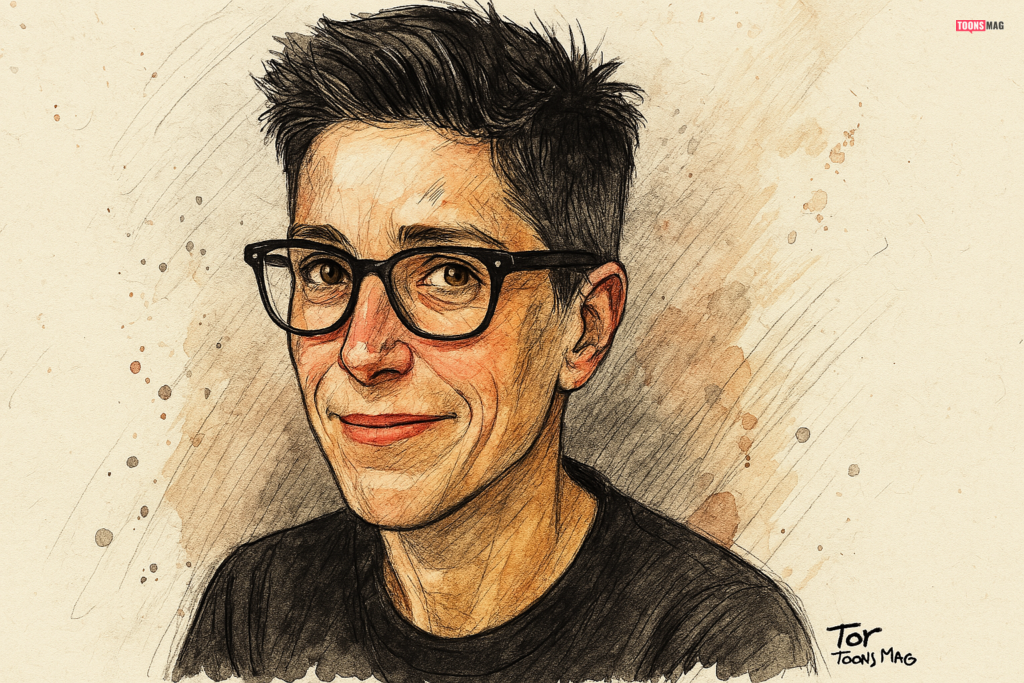
Alison Bechdel has made an extraordinary impact on both independent comics and pop culture at large. For 25 years (1983–2008) she self-syndicated the comic strip Dykes to Watch Out For, a witty chronicle of lesbian life that ran in alternative newspapers – a pioneering feat of representation and self-publishing. Bechdel gained even wider renown with her graphic memoir Fun Home (2006), a deeply personal story about her relationship with her father and her own coming-out, told with literary complexity. Fun Home became a breakout hit: it topped bestseller lists, was named “Book of the Year” by Time magazine, and was later adapted into a Tony Award-winning Broadway musical. Bechdel’s clear-line drawing style and sharp narrative voice have a broad appeal, yet she remained rooted in the indie ethos, crafting personal stories outside the mainstream. Her 2012 memoir Are You My Mother? and 2021 book The Secret to Superhuman Strength continued her introspective, genre-defying approach. Over her 40-year career, Bechdel’s work “altered not just the fabric of comics, but of media and pop culture as well,” one analysis noted.14 Indeed, she’s “one of the most recognized names in comics” in part because her influence transcended the page – her work spawned the famous “Bechdel Test” for female representation in film, for example.
Achievements: Bechdel received a MacArthur “Genius” Fellowship in 2014 and was inducted into the Harvey Awards Hall of Fame, cementing her status. From self-publishing strips in feminist zines to having her life story sung on Broadway, Bechdel’s journey exemplifies how independent creators can reshape culture. She has expanded the possibilities of autobiographical and LGBTQ storytelling in comics, inspiring countless others to tell authentic stories.
Lynda Barry (USA) – Champion of Creativity and DIY Comics

Lynda Barry first gained notoriety in the late 1970s with her quirky, candid comic strip Ernie Pook’s Comeek, which ran in alternative weeklies for decades. Through those strips and later graphic novels like One! Hundred! Demons! (2002) and What It Is (2008), Barry developed a singular creative voice that blurs the line between comics, illustrated journals, and collage. Her style – loose, raw, and imbued with childlike energy – is instantly recognizable. Barry’s stories, often autobiographical, delve into childhood, adolescence, and the magic and pain of everyday life. She broadened the emotional range of indie comics, “depicting the intense emotions of adolescence” with an uncanny authenticity.15 As a self-described “freak” in the comics world, Barry carved out her own space, sticking to independent publishers like Drawn & Quarterly and eschewing corporate comics.
Challenges: In the male-dominated alt-comics scene of the ’80s, her voice was refreshingly distinct, though not immediately lucrative. However, her perseverance paid off with a cult following and critical acclaim. By 2019, Barry was honored with a MacArthur Fellowship for “enabling artists and non-artists alike to take creative risks,” underscoring her role not just as an artist but as an educator and creativity evangelist.16
Influence: Comics scholar Hillary Chute noted that Barry’s cartooning has “the extraordinary originality of a unique artistic vision. Her style is as distinctive as a signature and her stories are both personal and universal.” Indeed, Lynda Barry’s mix of honesty, humor, and inventive art has influenced graphic memoirists and cartoonists who value authenticity over polish. Now a professor teaching comics to a new generation, Barry continues to shape the independent comics landscape through both her works and mentorship.
Chris Ware (USA) – Innovator of Form and Feeling
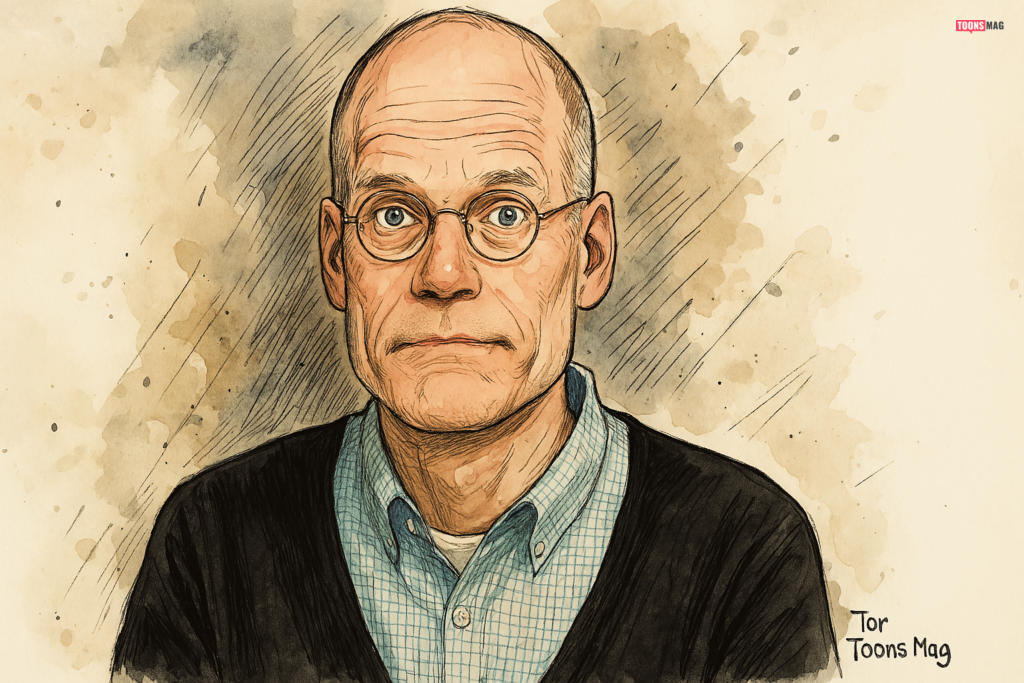
Chris Ware is widely hailed as one of the most innovative cartoonists in the world, known for his painstakingly crafted comics that push the boundaries of visual storytelling. Ware’s breakout work Jimmy Corrigan, the Smartest Kid on Earth (2000), serialized in his independent comic Acme Novelty Library, earned international acclaim – including the Guardian First Book Award, the first time a graphic novel won a major UK literary prize.17 Ware’s style is instantly recognizable: precise diagrams, intricate page layouts, muted colors, and a blend of architectural detail with emotive character portrayal. His stories often explore loneliness, memory, and the passage of time (e.g., Jimmy Corrigan or the multi-format masterpiece Building Stories in 2012). Working mostly with indie publishers (Fantagraphics and Drawn & Quarterly), Ware enjoys full creative freedom, though the complexity of his work poses challenges in production and audience accessibility. Despite that, his graphic novels have won top awards and are studied as literature. Critics have called Ware’s comics a form of modernist literature in themselves.1819 The Comics Journal noted Ware’s “formal innovation” and “representational power”, calling him “an experimental artist” who expanded the graphic novel form.20 In simpler terms, Ware has introduced new ways of telling stories in comics – from cut-out paper models to multi-threaded narratives – inspiring countless indie creators to experiment with the medium’s form.
Influence: Beyond his technical innovation, Ware’s work is deeply human, showing that independent comics can evoke profound empathy. Many younger cartoonists (e.g., Adrian Tomine, Alison Bechdel) cite Ware as an influence in treating comics as literature. His combination of DIY spirit (self-publishing early on) and perfectionism has set a high bar for what indie comics can achieve artistically.
Joe Sacco (Malta/USA) – Pioneer of Comics Journalism

Joe Sacco virtually invented the genre of comics journalism, proving that reportage and cartoons can combine to powerful effect. A Maltese-American cartoonist, Sacco traveled to conflict zones and used his pen to document real people’s stories, publishing these accounts as graphic novels. His breakthrough work Palestine (1993–1995) was based on months of research and interviews in the West Bank and Gaza.21 This seminal book (originally a self-published serial) won an American Book Award and drew comparisons to Maus for its serious subject matter and innovation in form. Sacco followed up with Safe Area Goražde (2000), about the Bosnian War, and other nonfiction works (Footnotes in Gaza, The Fixer, etc.), all published by indie presses like Fantagraphics.
Challenges: As an independent creator, Sacco had to fund difficult overseas trips and gain trust in war-torn communities – a far cry from the comfort of a studio. He also had to convince both journalists and comic fans that his hybrid medium was legitimate. He succeeded: today Sacco is “widely recognized as a pioneer in comics journalism,” often called the first (and best) comic book journalist. His meticulous black-and-white art and firsthand perspective brought new depth to graphic narratives.
Influence: Sacco’s work opened new frontiers for indie comics. By proving that nonfiction comics about global issues could find an audience, he inspired other cartoonists to tackle journalism, memoir, history, and beyond in comics form. Now dozens of graphic memoirs and journalistic comics appear every year – a direct legacy of Sacco’s trailblazing efforts. He remains the benchmark in this arena, and his independent approach (immersive research, one-man creation of both art and text) exemplifies the dedication of indie comics creators.
Dave Sim (Canada) – Self-Publishing Crusader
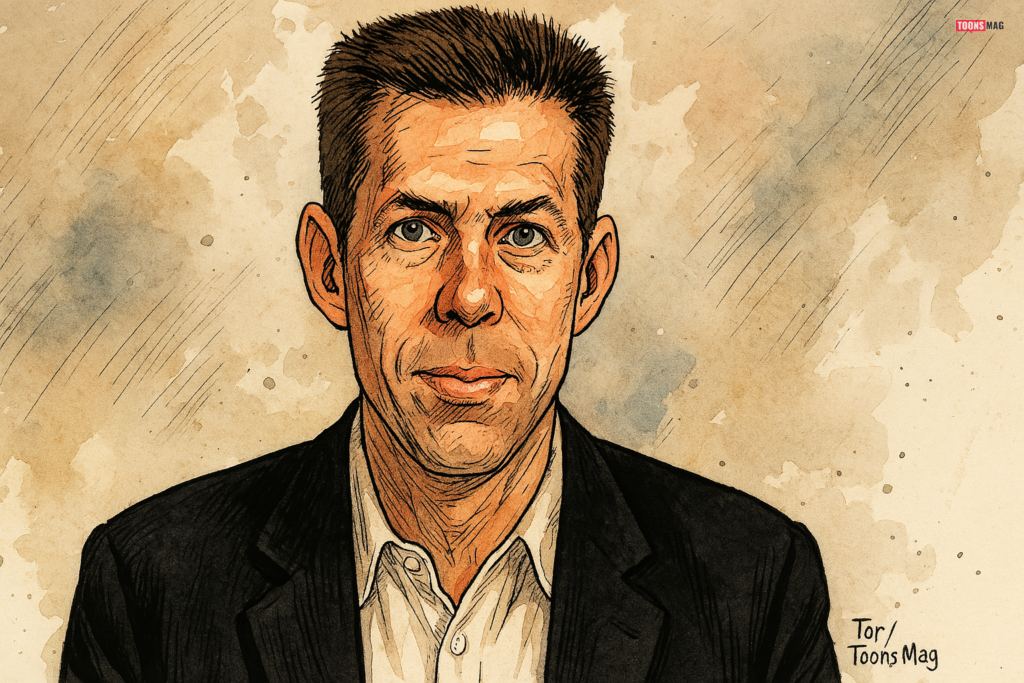
Dave Sim is both famous and infamous in the comics world, but his contribution to independent comics is undeniable. In 1977, at just 21 years old, Sim launched Cerebus the Aardvark, a black-and-white comic about a barbarian aardvark that started as a parody of Conan but evolved into an ambitious, sprawling narrative. More importantly, Sim announced that he would self-publish Cerebus for 300 consecutive issues – and he delivered, concluding the series in 2004 exactly as promised. This marathon effort was unheard of at the time for a self-published book.22 Sim wrote, drew, and published Cerebus under his Aardvark-Vanaheim imprint, fiercely controlling all aspects of production. He became an outspoken advocate for creator’s rights and self-publishing freedom, penning editorials (“Notes from the President”) that rallied fellow creators to take ownership of their work. The road wasn’t easy: Sim fought through distribution hurdles and industry pushback, and his later work garnered controversy for its polarizing views. Nonetheless, supporters consider Dave Sim an early leader of the self-publishing movement in comics. Cerebus itself broke ground as a complex, genre-blending saga (part sword-and-sorcery, part political satire, part philosophical discourse) that proved an independent creator could sustain a long-form narrative outside the mainstream.
Influence: Sim directly mentored or inspired many 1980s/90s indie cartoonists (like Jeff Smith) to self-publish. He also helped establish the Direct Market pathways for indie comics. While he remains a contentious figure, his achievements – 6,000 pages of Cerebus, and a generation of creators empowered to go indie – secure his place on any list of indie comics greats.23
Jeff Smith (USA) – Creator of Bone and All-Ages Indie Epic

Jeff Smith is best known for Bone (1991–2004), one of the most successful self-published comic series in history. Bone is a whimsical fantasy saga following the Bone cousins (cartoonish, bone-shaped characters) through a vast, richly illustrated adventure with dragons, princesses, and humor. Smith initially self-published Bone through his Cartoon Books imprint, hand-selling it at conventions. The comic’s blend of a cartoony style with epic storytelling attracted both kids and adults, leading to booming sales and multiple awards. Jeff Smith, a friend of Dave Sim, has been noted as “very influential in self-published comics,” effectively picking up the self-publishing torch.24 Like Sim, Smith planned Bone with a clear ending, giving it a novelistic structure that differentiated it from the endless serials of mainstream comics.
Challenges and Achievements: Self-publishing a 55-issue fantasy epic was a massive undertaking – Smith handled writing, artwork, and business operations. His wife Vijaya Iyer co-ran the publishing, showcasing how indie creators often build their own infrastructure. Bone gradually became a hit in the ’90s, proving that independent creators could achieve commercial success. It won 10 Eisner and 11 Harvey Awards over its run. Eventually, Bone was picked up for color reprints by Scholastic, reaching millions of new readers – a rarity for an indie title.
Smith’s success inspired other creators to attempt long-form, creator-owned series; even mainstream publishers took note of the all-ages audience he cultivated outside the traditional superhero demographic. Jeff Smith showed that an indie comic could be highly popular and long-lived without sacrificing the creator’s vision, and he continues to advocate for creators’ freedom (he was a key figure in the Comic Book Legal Defense Fund). Bone remains a gateway comic for young readers and a shining example of independent comics ambition.
Stan Sakai (USA) – Creator-Owned Longevity with Usagi Yojimbo
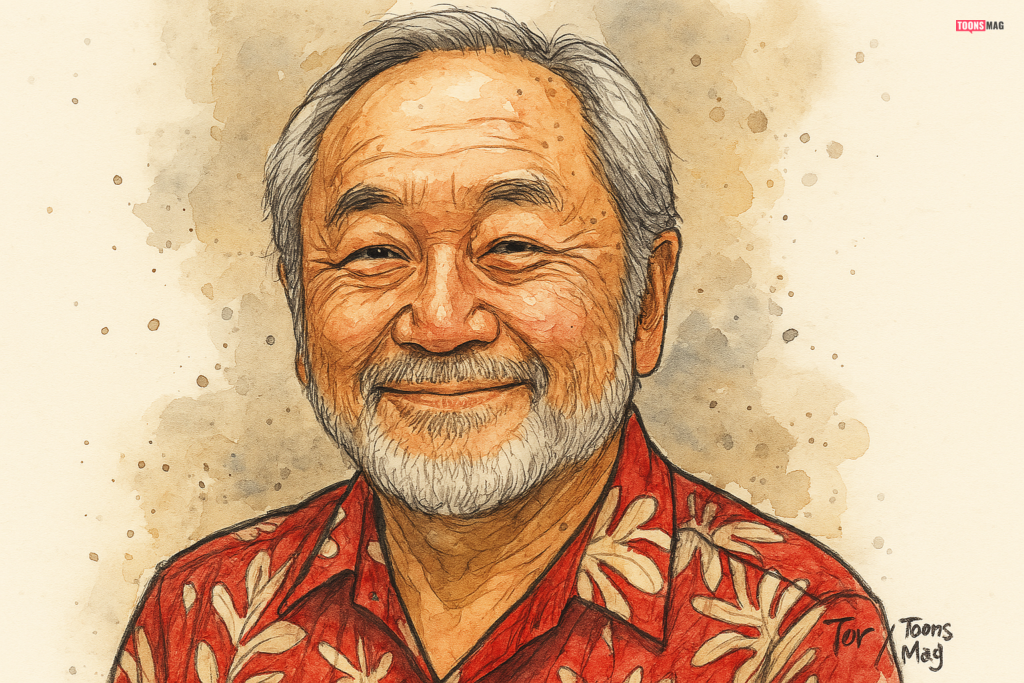
For over 35 years, Stan Sakai has written and drawn Usagi Yojimbo, one of the longest-running creator-owned comics in the world. Debuting in 1984, Usagi Yojimbo follows Miyamoto Usagi, a samurai rabbit in a feudal-Japan-inspired anthropomorphic world. Sakai’s work is a masterclass in consistency and craft: he does everything on the book – writing, penciling, inking, and even lettering (for which he’s won multiple awards).25 Published by indie companies (Fantagraphics, then Dark Horse, and most recently IDW under Sakai’s own imprint), Usagi Yojimbo has remained fiercely independent and true to Sakai’s vision.
Achievements: The series has earned Sakai numerous Eisner Awards – including Best Continuing Series in 2021 – and a worldwide fanbase.26 An exhibit at the Japanese American National Museum and a recent Netflix animated adaptation speak to its cultural impact. Sakai’s success is particularly noteworthy because Usagi is a non-superhero, culturally specific comic that thrived outside the mainstream.
Challenges: Maintaining an indie series for decades requires resilience; Sakai weathered the black-and-white comics bust and industry fluctuations, prioritizing ownership and steady creative output. He also balanced work as an in-demand letterer (notably on Groo the Wanderer) with his passion project Usagi.
Influence: Sakai’s journey underscores the viability of creator-owned comics in the long term. He “has taken the idea of self-publishing and creator-owned work to the limit,” as one interviewer observed, noting Sakai’s pride in owning his character and doing whatever stories he wants.27 Younger creators of action/adventure indie comics (like Teenage Mutant Ninja Turtles’ Eastman and Laird, or Mouse Guard’s David Petersen) often cite Usagi Yojimbo as proof that a unique concept can endure independently. Sakai’s blend of exciting action, meticulous research (into Japanese history and folklore), and warm storytelling has made Usagi Yojimbo a cornerstone of independent comics.
Moebius (Jean Giraud, France) – Visionary World Comics Artist
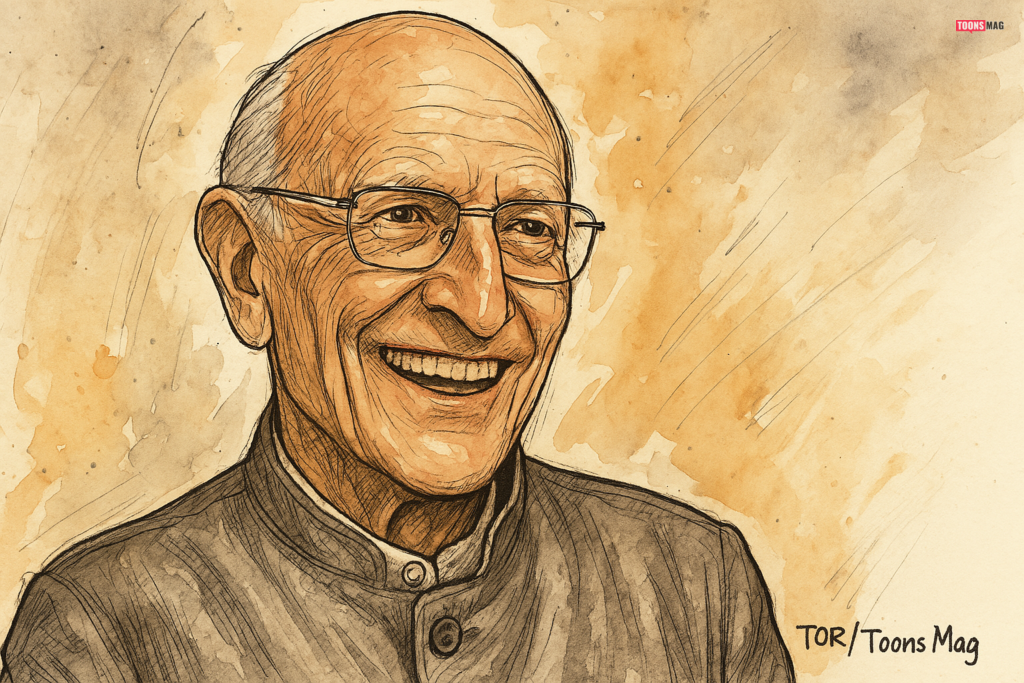
From Europe, Jean Giraud, better known by his pseudonym Moebius, stands as a titan of independent comics whose influence spans continents. In the 1970s, Moebius co-founded Métal Hurlant (Heavy Metal) magazine in France, a publication that became synonymous with cutting-edge, auteur-driven sci-fi and fantasy comics. With works like Arzach (wordless fantasy vignettes) and The Airtight Garage, Moebius pushed comics into surreal, philosophical realms, “reinventing himself” and experimenting with styles, layouts, and content that defied convention.28 He was at the forefront of a new wave of experimental comic authors who treated comics as art, gathering under Les Humanoïdes Associés (the publisher of Métal Hurlant). Under his own name Giraud, he also created the acclaimed Western series Blueberry, showing his versatility.
Unique style: Moebius’s line-work is famously intricate yet airy, and his imagination limitless – he could conjure futuristic deserts or mystical cities with equal believability. By remaining independent (even when he occasionally collaborated on mainstream projects, like a Silver Surfer story for Marvel, he retained a unique voice), Moebius kept full creative freedom.
Influence: Globally, Moebius is revered by comic artists, filmmakers, and illustrators. He “rose as one of the most innovative, groundbreaking and influential comic authors of the second half of the 20th century.” His art and storytelling inspired the look of numerous films (from Blade Runner to Star Wars) and influenced American artists – the anthology Heavy Metal introduced Moebius’s work to the U.S., inspiring creators like Jim Steranko, Geof Darrow, and many independent sci-fi comics. Moebius demonstrated that non-anglophone and non-mainstream comics could have worldwide impact, essentially bridging indie scenes across the globe. His legacy lives on in every ambitious, genre-bending comic that values artistic vision over commercial formula.
Hugo Pratt (Italy) – Creator of Corto Maltese and Global Adventurer

Hugo Pratt was an Italian comic artist whose life and work embodied the spirit of independence and adventure. He is best known for creating Corto Maltese, an iconic globetrotting sailor who stars in a series of sophisticated adventure graphic novels. Starting with The Ballad of the Salty Sea (1967), Pratt wrote and drew Corto’s exploits through World War I-era Africa, Asia, Europe, and beyond. These comics are lavishly illustrated in a loose ink wash style and are celebrated as “some of the most artistic and literary graphic novels ever written.”29 Pratt often worked outside the traditional publishing system: he founded magazines (like Sgt. Kirk in 1967) to publish his own stories and wasn’t afraid to move across countries (Argentina, Italy, France) to find creative freedom.30 Corto Maltese was originally published in Europe (notably in the French magazine Pif Gadget) and gained a wide international readership.
Challenges: Pratt’s elegant, mature storytelling – mixing history, mythology, and political intrigue – was quite different from typical commercial comics of his time, but he found success in Europe’s more accepting bande dessinée market. He retained ownership of Corto Maltese and maintained control over the narrative until his death in 1995.
Influence: Pratt’s work has had lasting influence on independent European comics. He proved that comics could be as poetic and nuanced as any novel, inspiring countless European cartoonists (and some Americans) to treat the medium seriously. Neil Gaiman once cited Pratt as an influence for world-building and atmosphere. Moreover, Corto Maltese became a cultural icon (even name-checked by authors like Umberto Eco), symbolizing the sophistication possible in comics. Pratt’s independent streak – producing literary comics on his own terms – set a precedent followed by many graphic novelists worldwide who seek to blend art, history, and fiction without corporate oversight.
Yoshihiro Tatsumi (Japan) – Father of Alternative Manga (Gekiga)

From Japan, Yoshihiro Tatsumi is credited as the originator of gekiga, the term for “dramatic pictures” that heralded a more mature, alternative style of manga in the late 1950s. Dissatisfied with the cartoonish, child-oriented tone of mainstream manga, Tatsumi and a few peers in Osaka forged a new path: gritty, realistic stories for adults, influenced by film noir and crime novels.31 In 1957 Tatsumi coined gekiga to differentiate this style from “manga” – he wanted readers and publishers to understand these works were something different. Tatsumi’s short stories (collected decades later in English in The Push Man and Other Stories, Abandon the Old in Tokyo, etc.) are bleak, often focusing on downtrodden blue-collar workers, sexual frustration, and social alienation. Working largely outside the major publishing houses, he published in lending library magazines and indie outlets.
Challenges: In the early years, Tatsumi had to create a market for this new form – a literal Gekiga Workshop was formed in 1959 as a collective to promote the style. It was an uphill battle, but by the late 1960s, gekiga had profoundly influenced manga, as an entire generation of adult readers emerged. Tatsumi’s perseverance paid off: he “played a major role in broadening the possibilities of the medium to accommodate mature-reader genres,” effectively pioneering the graphic novel format in Japan long before the term existed.32
Achievements: Tatsumi’s innovations were recognized late in life with honors like the Angoulême Grand Prix (2005) and an Eisner Award (2010).33 His massive autobiographical manga A Drifting Life (2008) further cemented his reputation as one of comics’ most important artists.
Influence: Virtually every seinen (adult) manga artist owes a debt to Tatsumi’s gekiga movement – he opened manga to serious themes and personal expression. Outside Japan, alternative cartoonists see Tatsumi as a kindred spirit; his translated works in the 2000s influenced Western indie creators to explore short story comics and dark themes. Often called the “godfather of alternative manga,” Tatsumi proved that independence in content (if not always in method of publishing) can revolutionize a medium.
Marjane Satrapi (Iran/France) – Personal History as Political Comic

Marjane Satrapi brought a fresh international voice to independent comics with Persepolis (2000-2003), her autobiographical graphic novel about growing up in revolutionary Iran. Originally published by the French indie collective L’Association, Persepolis stood out for its stark black-and-white art and its powerful, personal perspective on war, repression, and family. Satrapi, who moved to France as an adult, wrote and drew Persepolis in French, but the story is distinctly Iranian – making it a bridge between cultures in comic form. The work resonated globally, becoming a bestseller and later adapted into an Academy Award-nominated animated film.34
Unique contributions: Satrapi’s style is simple yet expressive, influenced by Persian miniature art and German Expressionist film (as she has noted in interviews). This accessible visual approach helped Persepolis reach readers who had never read a comic before. Her honest narration about everything from punk music to bombings to teen angst made the memoir both intimate and educational for outsiders to Iranian history.
Challenges: As a Middle Eastern woman creating comics in a second language, Satrapi was outside the typical mold of a “comic artist.” Yet, she turned that to an advantage – her outsider perspective in France’s indie comics scene gave Persepolis an authentic voice that garnered critical acclaim.
Achievements and Influence: Satrapi won major accolades, including the Angoulême Prize for Best Comic Book, and in 2023 she received Spain’s prestigious Princess of Asturias award for her contribution to culture and human rights (the jury called her role “essential” in defending freedom of expression).35 Satrapi’s success helped ignite a wave of graphic memoirs, especially by women and from diverse backgrounds (e.g., works by Alison Bechdel, Thi Bui, and Malaka Gharib owe some debt to the doors Satrapi opened). In independent comics, Persepolis proved that personal stories from outside the Western world have a place and an eager audience. Satrapi remains a symbol of how independent creators can use comics to foster understanding and change narratives on a global scale.
Wendy Pini (USA) – Fantasy Self-Publisher of Elfquest

Wendy Pini, alongside her husband Richard Pini, is the creative force behind Elfquest, one of the earliest and most influential independent fantasy comics in America. In 1978, the Pinis launched Elfquest through their own company WaRP Graphics (an acronym of their initials). Wendy handled the lush art and co-wrote the story, while Richard managed publishing and co-authored. Elfquest follows a tribe of elves on a quest across a richly imagined world – it stood out for its manga-influenced artwork, expansive lore, and appeal to audiences beyond the teenage male demographic. Elfquest was enormously popular among female comic book fans (a rarity at the time) while also drawing in male readers.36 By the mid-1980s, it was selling 100,000 copies per issue – a huge number for an indie title – and achieving something even Marvel and DC found difficult: a large female readership.
Challenges: As independent publishers in the ’70s, the Pinis had to learn on the fly. They famously lugged copies of Elfquest in their car from convention to convention, building a grassroots fanbase. Their success in an era of newsstand comics was groundbreaking. WaRP Graphics also published other indie creators, proving a point that an indie publisher could thrive.
Influence: The visible success of Elfquest inspired many other writers and artists to try their own hand at self-publishing.37 Indeed, seeing Wendy Pini – a woman artist in a fantasy genre – succeed independently motivated later fantasy comics and webcomics creators (like the creators of Elfquest’s spiritual successor, Saga, and numerous indie fantasy webcomics). Wendy Pini’s art style, characterized by dynamic layouts and expressive characters, influenced the aesthetic of 80s indie fantasy. After concluding the main Elfquest saga, the Pinis have licensed reprints to larger publishers, but they retain creative control and have returned to self-publish new stories in recent years. Wendy Pini’s journey with Elfquest exemplifies the passion and perseverance of indie creators, showing that a labor of love can flourish outside the mainstream and build a fan community that spans generations.38
Chester Brown (Canada) – From Underground to Acclaimed Graphic Novelist

Chester Brown is a Canadian cartoonist whose career mirrors the evolution of alternative comics from raw, underground-style works to polished graphic novels. Brown burst onto the scene in the 1980s by self-publishing a minicomic, Yummy Fur, in 1983.39 These early issues, later picked up by Vortex Comics, included surreal, transgressive tales like Ed the Happy Clown – a scatological, darkly comic adventure that gained him notoriety in indie circles. Brown’s work courted controversy: Yummy Fur’s provocative content led some distributors and printers to drop it, and even caused troubles at the U.S.–Canada border. Unfazed, Brown pivoted in the early ’90s to pioneering autobiographical comics. He released deeply confessional graphic novels like The Playboy (1992) and I Never Liked You (1994), which were part of a trend of autobiographical comics that he, along with fellow Toronto creators like Joe Matt and Seth, popularized.40 His drawing style became minimalistic and emotive, focusing on personal truth over flashy art. Brown’s biggest critical success came in 2003 with Louis Riel, a meticulously researched historical graphic novel about a 19th-century Canadian Métis leader. Louis Riel’s unexpected mainstream success (it became a bestseller and is studied in classrooms) marked an indie comic crossing over without losing its independence. Brown published it through Drawn & Quarterly, a leading art-comics publisher he’s been with since 1991.41
Achievements: Louis Riel and later works earned Brown multiple awards and grants, validating his approach. Meanwhile, he continued to challenge norms – his 2011 graphic memoir Paying For It, about his experience with prostitution, stirred debate, yet Brown persisted in freely expressing his views.
Influence: Chester Brown’s trajectory from underground provocateur to respected graphic novelist shows the broad scope indie comics can cover. He helped solidify autobiographical and historical comics as important genres in the independent scene. Many alternative cartoonists who mine their personal lives or tackle nonfiction subjects draw inspiration from Brown’s unflinching honesty and craftsmanship. Despite sometimes courting outrage, he has maintained a loyal readership and critical esteem – all while working outside the mainstream, proving that independent comics can mature and reinvent themselves along with the artist.
These 20 independent comic book artists, hailing from different countries and eras, have each left an indelible mark on the world of comics. Through self-publishing ventures, small-press collaborations, or simply uncompromising creative visions, they expanded what comics can be – from Will Eisner’s literary storytelling and R. Crumb’s underground subversion, to Marjane Satrapi’s cultural memoir and Stan Sakai’s decades-long saga. They faced challenges like censorship, financial uncertainty, or niche audiences, yet achieved milestones that resonate throughout the industry: pioneering new genres (Joe Sacco’s comics journalism, Tatsumi’s gekiga), legitimizing graphic novels as literature (Spiegelman, Bechdel, Clowes), and building global fanbases from the ground up (Hernandez Bros, Pini, Smith). Collectively, these artists proved that independent comics can tackle any subject – personal, political, fantastical – with innovation and heart. Their influence is seen in today’s thriving graphic novel scene, where creator-owned works and diverse voices are more prominent than ever. For readers and aspiring creators alike, the stories of these indie comics luminaries are inspiring reminders that with talent, passion, and persistence, comics can truly be anything the creator envisions.
Sources:
- Will Eisner and the evolution of the graphic novel: He had a lasting influence on comics | The Independent | The Independent ↩︎
- Will Eisner and the evolution of the graphic novel: He had a lasting influence on comics | The Independent | The Independent ↩︎
- Will Eisner and the evolution of the graphic novel: He had a lasting influence on comics | The Independent | The Independent ↩︎
- Robert Crumb – Wikipedia ↩︎
- Raw – Lambiek Comic History ↩︎
- Pulitzer Prize-winning cartoonist Art Spiegelman to headline comics conference at Rice | Rice News | News and Media Relations | Rice University ↩︎
- Pulitzer Prize-winning cartoonist Art Spiegelman to headline comics conference at Rice | Rice News | News and Media Relations | Rice University ↩︎
- 40 Years of Love and Rockets: PW Talks with Gilbert and Jaime ↩︎
- 40 Years of Love and Rockets: PW Talks with Gilbert and Jaime ↩︎
- Love and Rockets” Is Still Independent | The New Yorker ↩︎
- Dan Clowes, Author of ‘Ghost World,’ Has One Rule for Writing Dialogue – The Atlantic ↩︎
- Charles Burns – Fantagraphics ↩︎
- Black Hole by Charles Burns – turn and work ↩︎
- Alison Bechdel’s influence on comics & pop culture, explained | Popverse ↩︎
- Lynda Barry – MacArthur Foundation ↩︎
- WHAT IT IS: LYNDA BARRY AND THE WHY OF COMICS ↩︎
- Graphic novel wins First Book Award – The Guardian ↩︎
- Literary Impressionism and Chris Ware’s Jimmy Corrigan ↩︎
- Chris Ware and the Unassuming Power of the Graphic Novel Form ↩︎
- Chris Ware and the Unassuming Power of the Graphic Novel Form ↩︎
- Palestine – Fantagraphics ↩︎
- Alternative comics – Wikipedia ↩︎
- Alternative comics – Wikipedia ↩︎
- Alternative comics – Wikipedia ↩︎
- Comic-Con Special Guest Stan Sakai: 30 Years with Usagi Yojimbo – Toucan ↩︎
- Usagi Yojimbo – Wikipedia ↩︎
- Comic-Con Special Guest Stan Sakai: 30 Years with Usagi Yojimbo – Toucan ↩︎
- Jean Giraud (Moebius, Gir) – Lambiek Comiclopedia ↩︎
- Corto Maltese – Wikipedia ↩︎
- Hugo Pratt – Lambiek Comiclopedia ↩︎
- Gekiga – Wikipedia ↩︎
- Tatsumi Yoshihiro, 1935-2015 – The Comics Journal ↩︎
- Tatsumi Yoshihiro, 1935-2015 – The Comics Journal ↩︎
- Marjane Satrapi | Biography, Graphic Novels, Movies, & Facts ↩︎
- Persepolis’ author Satrapi wins top Spanish prize – Le Monde ↩︎
- Alternative comics – Wikipedia ↩︎
- Alternative comics – Wikipedia ↩︎
- Alternative comics – Wikipedia ↩︎
- Chester Brown – Wikipedia ↩︎
- Chester Brown – Wikipedia ↩︎
- Chester Brown – Wikipedia ↩︎