

 Sophia Mitchell

Humor in comics is a universal language – but crafting a truly funny comic is no joke. From sharp political satire to silly slapstick, the comic book medium has produced legendary artists who specialize in making readers laugh. Below, we highlight 20 of the funniest comic book artists from across the globe, both classic and contemporary. Each brought a unique comedic style to the page, connecting with audiences through memorable characters and clever visual storytelling. We’ll explore their most famous works, how their humor resonates, the challenges of getting laughs in panels, and the influence they’ve had on comic book comedy.
1. Harvey Kurtzman (USA) – Satirical Trailblazer of MAD Magazine
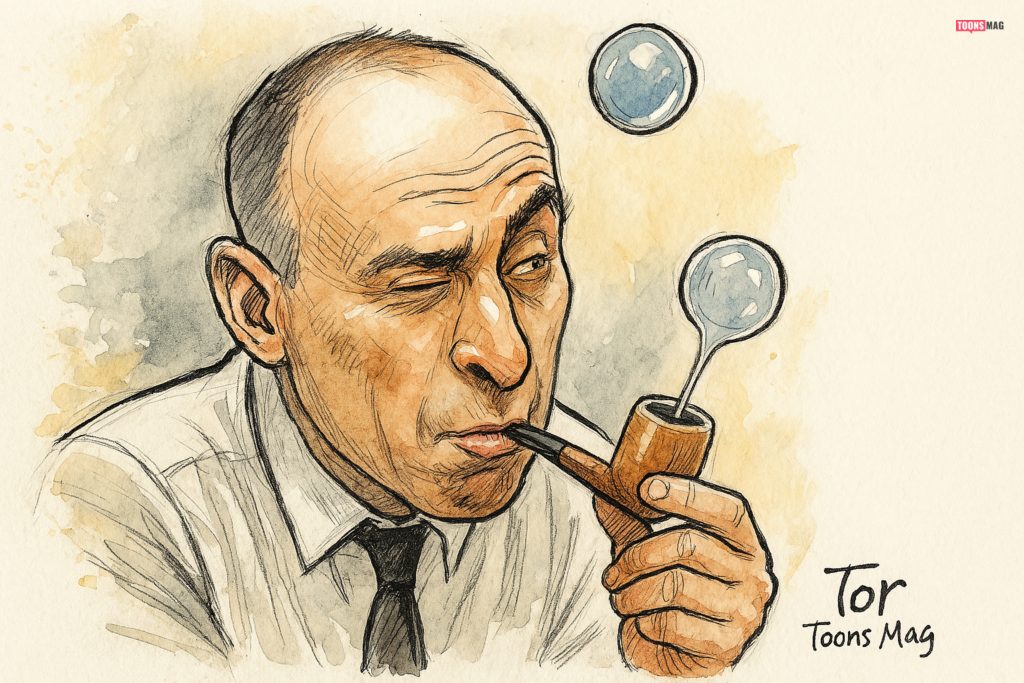
Harvey Kurtzman was the genius who founded MAD Magazine in 1952, revolutionizing comic satire.1 As a writer-artist, Kurtzman spoofed the clichés of advertising, movies, and politics with irreverent wit. Under his editorship, MAD became a template for subversive humor in comics, inspiring countless imitators.23 His stories featured exaggerated caricatures and biting commentary that connected with post-war readers ready to laugh at authority. Kurtzman’s playful, anarchic style laid the groundwork for modern parody comics and even helped spark the underground comix movement of the 1960s.4 The challenge of balancing humor and critique was one he met brilliantly – his work was outrageously funny yet also pointed in its message. To this day, Kurtzman is widely considered one of comics’ most influential satirists,5 proving that smart comedy can leave a lasting legacy in the industry.
2. Will Elder (USA) – Master of Visual Gags and “Chicken Fat”
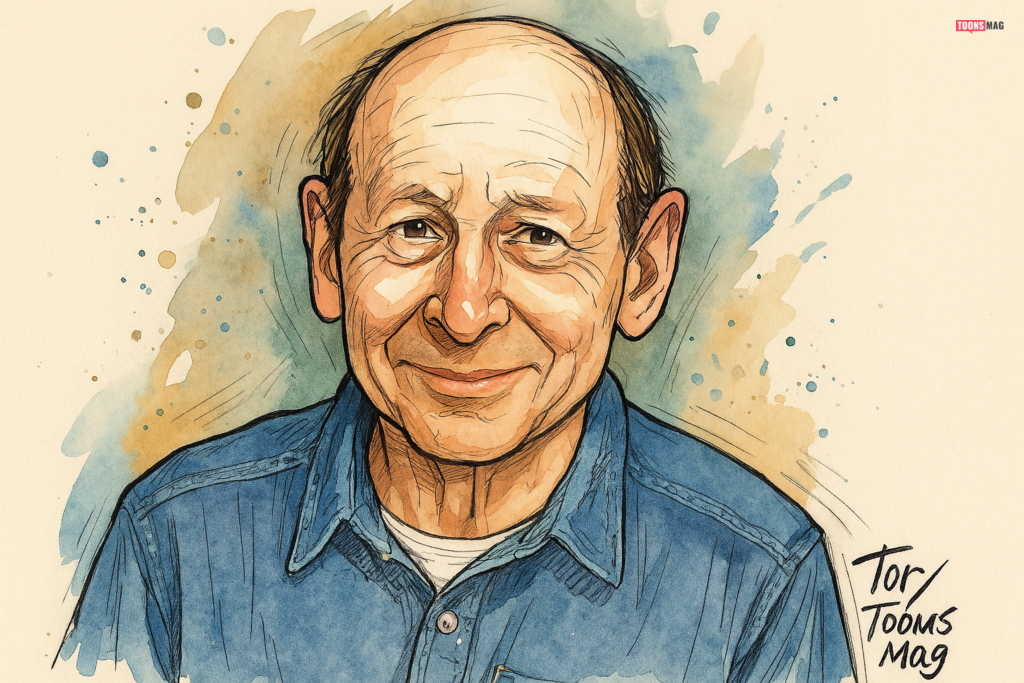
A key collaborator of Kurtzman, Will Elder brought a “frantically funny” cartooning style to MAD’s early years.6 Elder’s pages were dense with background jokes and absurd details – a technique he jokingly called “chicken fat,” meaning all the extra little gags that add flavor.7 In every panel, he crammed in visual puns and slapstick asides that might not advance the story but absolutely increased the laughs. This rampant insertion of sight gags set the comedic tone for MAD and later influenced many humor artists who tried to pack as many jokes as possible into each frame. Elder’s most famous work was with Kurtzman on spoofs like “Starchie” and Little Annie Fanny, where his polished yet zany art shone. His satire was not just in the writing but in how he drew the satire – caricaturing other comics and pop culture with loving ridicule. Longtime MAD colleague Al Jaffee called Elder “absolutely brilliant… he had a feel for the kind of satire that eventually spread everywhere”. For readers, part of the fun was spending extra time hunting for Elder’s hidden jokes in the panels, showing how his humor connected on multiple levels.
3. Al Jaffee (USA) – Inventive Humorist and Legendary MAD Contributor

Al Jaffee spent an astonishing 65+ years creating laughs at MAD Magazine, becoming its longest-running contributor.8 He was the brains behind iconic features like the MAD Fold-In, a back-cover illustration that delivered a punchline when folded, and “Snappy Answers to Stupid Questions,” a series of sarcastic retorts to everyday questions.9 Jaffee’s humor was ingenious and interactive – literally in the case of the Fold-In, which forced readers to participate in the joke. His Snappy Answers strips showcased his sharp wit, turning simple setups into laugh-out-loud payoffs with multiple funny comebacks. Jaffee wasn’t afraid to poke fun at serious subjects; his work satirized consumer culture, politics, and human foibles with equal aplomb. This blend of silliness and smarts helped his humor connect across generations – kids loved the goofy gags, while adults appreciated the satire. Jaffee also proved that comics can push format boundaries: his Fold-Ins were an innovative challenge to the static nature of a page, adding a “hidden” second cartoon within the first. The result was timeless comedy. As one writer noted, Jaffee’s Fold-Ins and Snappy Answers “were as timeless as Dave Berg’s The Lighter Side” in MAD’s pages.10 In short, Al Jaffee’s inventive comedic storytelling, delivered reliably month after month, made him a towering figure in comic humor.
4. Don Martin (USA) – The Sultan of Sound Effects and Absurdity
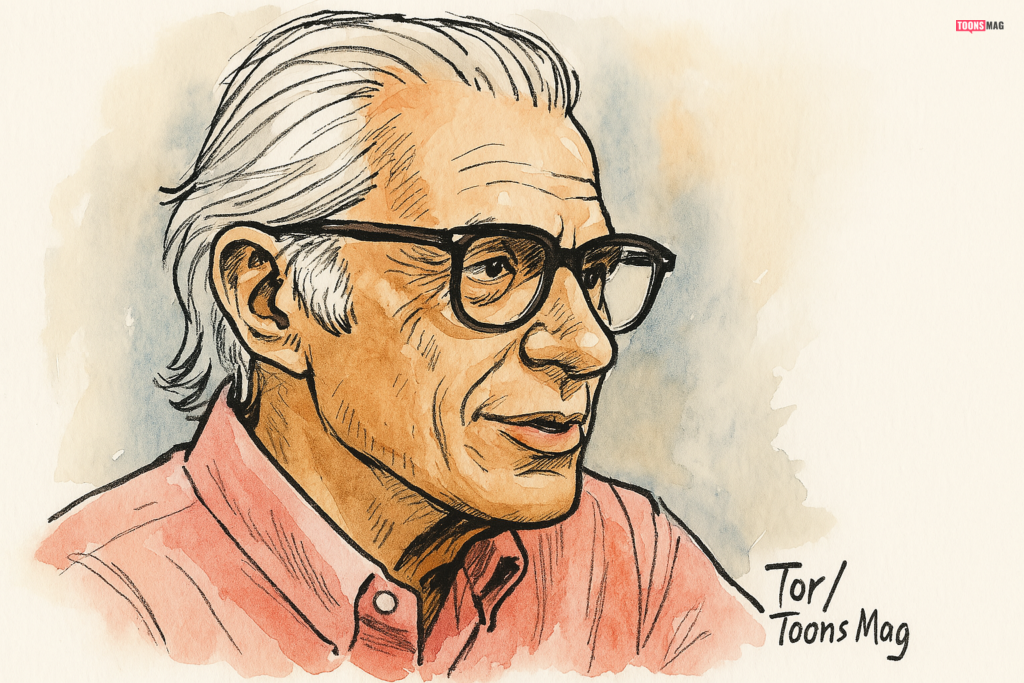
Dubbed “MAD’s Maddest Artist,” Don Martin delighted readers with his bizarre characters and signature sound effects.11 His cartoons in MAD from the 1950s through 1980s were instantly recognizable: bulbous-nosed, floppy-footed figures engaged in outrageous slapstick. Martin’s humor was broad and physical – someone’s limbs might bend like rubber or a hapless fool might fall through a manhole – always depicted in his uniquely wacky art style. Perhaps Martin’s biggest contribution to comic hilarity was his inventive onomatopoeia. He concocted ridiculous, multisyllabic sound effect words for every imaginable action, from “BREEDEET” for a frog croaking to “FAGROON klubble klubble” for a collapsing building. These zany sound captions became beloved punchlines in themselves. Readers would crack up at seeing a character’s head spin with a “SPROING!” or an explosion marked by a giant “KERFLOOSH!” The silliness of such sounds, combined with Martin’s knack for visual timing in sequential panels, created a distinct comedic rhythm. His influence is evident in how later comics and even cartoons approached humor – many have tried to mimic those over-the-top sound effects. As one tribute put it, Martin’s work was filled with “snort-through-the-nose-funny gags” that left us laughing decades later.12 Indeed, Don Martin proved that sometimes the funniest thing in a comic is simply how it sounds in your head.
5. Sergio Aragonés (Spain/Mexico) – The Wordless Wonder of Visual Comedy
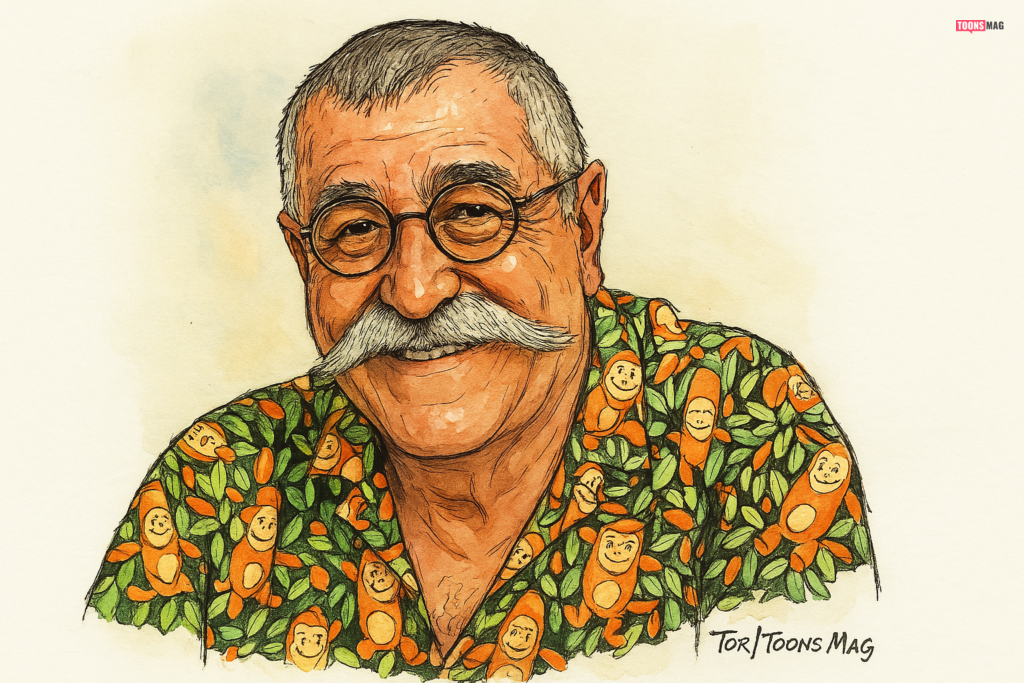
Sergio Aragonés is often called “the world’s fastest cartoonist,” but he might as well be the funniest – few artists can pack as many laughs into the margins of a page as he can.1314 Aragonés, who moved from Spain to Mexico to the U.S., became famous for his contributions to MAD Magazine starting in the 1960s. There, he drew “marginals,” tiny wordless gag cartoons tucked between panels and page edges, which were pure slapstick gold.15 With no dialogue at all, he could set up a situation and deliver a visual punchline in just a few elegant pen strokes. This pantomime style made his humor universal – anyone could get the joke at a glance. Aragonés also created the beloved comic Groo the Wanderer, a parody of sword-and-sorcery adventure that is “almost pure slapstick from stem to stern,” filled with something to laugh at in almost every panel.16 Groo showcased Aragonés’ expressive art: exuberant characters, frantic action, and cheeky background details (often including cameos of Aragonés himself) that reward rereading. His humor connects because it’s so visual and direct – he sets up comedic scenarios that don’t need explaining. A trained clown and mime, Aragonés understands comedic timing intrinsically and translates it into sequential art. Generations of MAD readers came to flip through each issue hunting for Sergio’s tiny doodles, knowing a guaranteed chuckle awaited in the corners. In doing so, Aragonés proved that sometimes the loudest laughs in comics come without a single word.
6. George Herriman (USA) – Surreal Humor and the Poetry of Krazy Kat
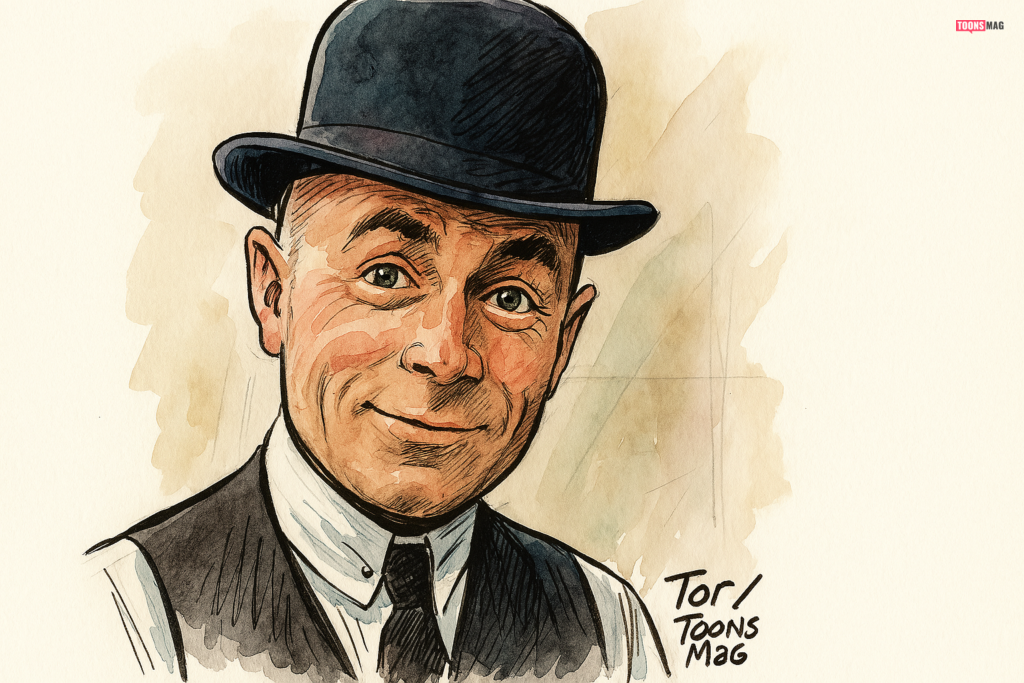
In the early 20th century, George Herriman broke new ground with Krazy Kat, a comic strip often hailed as a masterpiece of playful, surreal humor. Running from 1913 to 1944, Krazy Kat had a simple but absurd premise: a love-struck cat (Krazy) is smitten with a mouse (Ignatz) who expresses his disdain by constantly throwing bricks at the cat’s head.17 A loyal dog policeman (Offissa Pupp) jails the mouse to restore order – and then the cycle repeats. Herriman elevated this silly slapstick into an art form through endless inventive variations. The strip’s dialogue danced in a peculiar patois of mixed dialects, giving it a whimsical, almost poetic humor. Backdrops would shift dreamlike from panel to panel, and the visuals were as playful as the writing. Though Krazy Kat wasn’t a mass phenomenon in its day (its humor was admittedly offbeat and even avant-garde), it had immensely dedicated fans – including intellectuals and artists who adored its originality. The strip’s gentle, anarchic spirit and gender-ambiguous characters were ahead of its time. Decades later, the 1960s underground comics movement rediscovered Herriman’s work and hailed him as a forerunner of experimental comic storytelling. Herriman showed that comic humor could be lyrically beautiful and thematically daring while still being delightfully funny. Every time Krazy blissfully interpreted a brick attack as a sign of love, readers were in on a cosmic joke about unrequited affection. It’s a testament to Herriman’s genius that Krazy Kat remains “read and enjoyed today” as both a hilarious gag and a piece of art.
7. Basil Wolverton (USA) – The “Ghoul of Comics” with Grotesque Guffaws
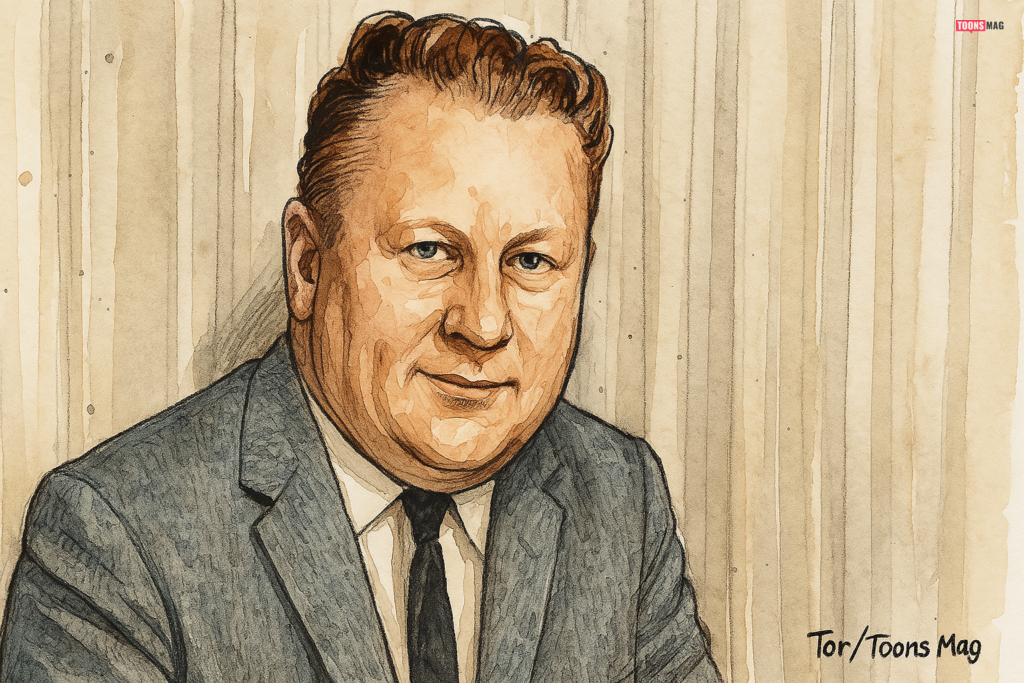
Basil Wolverton earned fame as the “producer of preposterous pictures of peculiar people” – a phrase he coined to describe his own wacky, grotesque art.18 An American cartoonist active from the 1940s through the 70s, Wolverton had a style like no other. He drew bulbous, rubbery figures with wild eyes and tonsils on display – hilarious in their extreme ugliness. This outrageously exaggerated art lent itself to outrageous humor. Wolverton’s comic strip Powerhouse Pepper followed a goofy strongman through pun-filled misadventures, and every panel was filled with silly sight gags. He became notorious for a single drawing in 1946 when he won a contest to depict “Lena the Hyena” – ostensibly the world’s ugliest woman – for Al Capp’s Li’l Abner. Wolverton’s hideous, detailed rendition was so grotesquely funny it became MAD Magazine’s most iconic cover a few years later.19 In MAD, Wolverton delivered bizarre caricatures and horror-comedy that pushed “gross-out” humor to new heights. He’s often called the godfather of gross-out cartoonists, since many later humor artists (like underground comix creators and MAD successors) were clearly inspired by his gleefully ugly style. Yet beneath the drippy faces and spaghetti-and-meatballs line work, Wolverton’s humor had an innocent charm – a zany, almost childlike delight in the absurd. Readers might be half-amazed, half-appalled by his drawings, but they were certainly never bored. By embracing the “so ugly it’s funny” aesthetic, Wolverton expanded the possibilities of visual comedy in comics, proving that even the most repulsive image can get a laugh if done with the right wink to the audience.
8. Carl Barks (USA) – Disney’s Duck Man with Adventure and Laughter
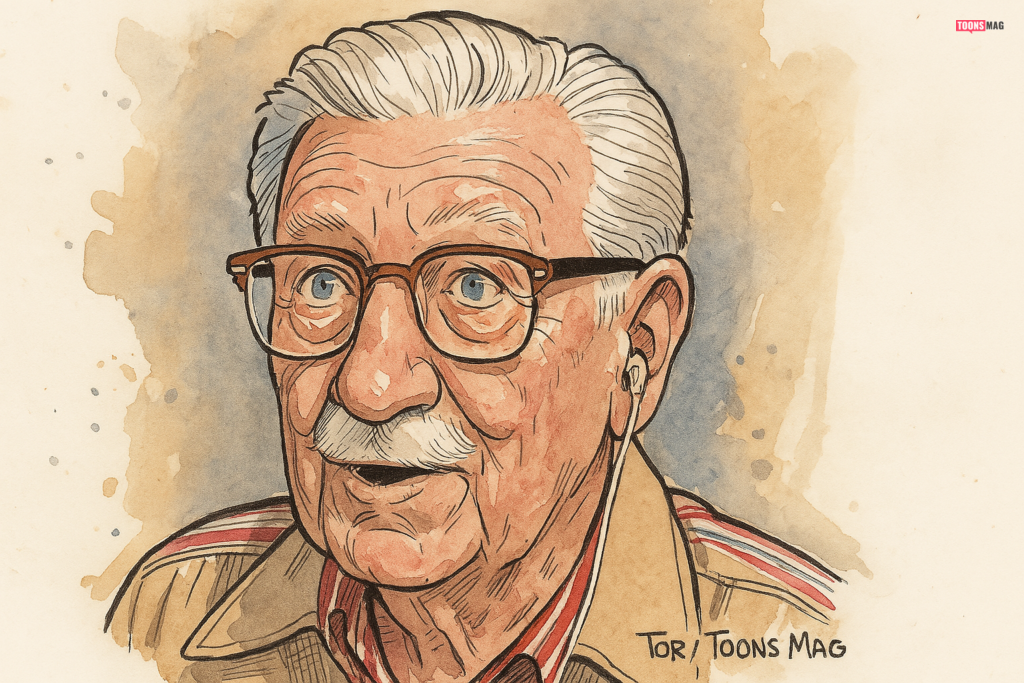
Carl Barks might not have published under his own name at first (Disney comics were unsigned), but fans knew him fondly as the “Good Duck Artist” for his brilliant work on Donald Duck and Uncle Scrooge stories. From the 1940s to 60s, Barks created a treasure trove of comedic adventure tales in Walt Disney’s Comics and Stories. What made them so funny was Barks’ gift for character humor and satire within an all-ages format. His ducks – Donald, the mischief-making nephews, miserly Scrooge McDuck, and others – were not one-note cartoons but complex personalities that bickered, schemed, and stumbled into hilarious situations.20 Barks excelled at both physical gags (Donald’s temper leading to explosive pratfalls) and clever wordplay. He also wove in social satire and moral lessons with a light touch,21 allowing stories to be funny and resonant. Readers around the world laughed at Donald’s get-rich-quick failures or Scrooge’s over-the-top penny-pinching, recognizing human foibles in duck form. Importantly, Barks’ storytelling had heart – audiences connected to these characters, making the comedy even more effective because they cared about the outcomes. Many of Barks’ tales, like “Lost in the Andes” or “Trail of the Unicorn,” are classics that mix comedy with fantasy and adventure. His influence on comic book comedy is immense: besides directly inspiring future Disney artists, he influenced humorous adventure series globally (even European comics like Astérix drew inspiration from Barks’ blend of slapstick and satire). As Lambiek’s Comiclopedia notes, Barks’ versatility – from “funny gag-based stories” to “clever satire” – made him one of the most important comic creators of all time22. Every laugh in a Duckburg tale today owes a bit to Carl Barks showing how it’s done.
9. Bill Watterson (USA) – Childhood Imagination and Philosophical Fun in Calvin and Hobbes
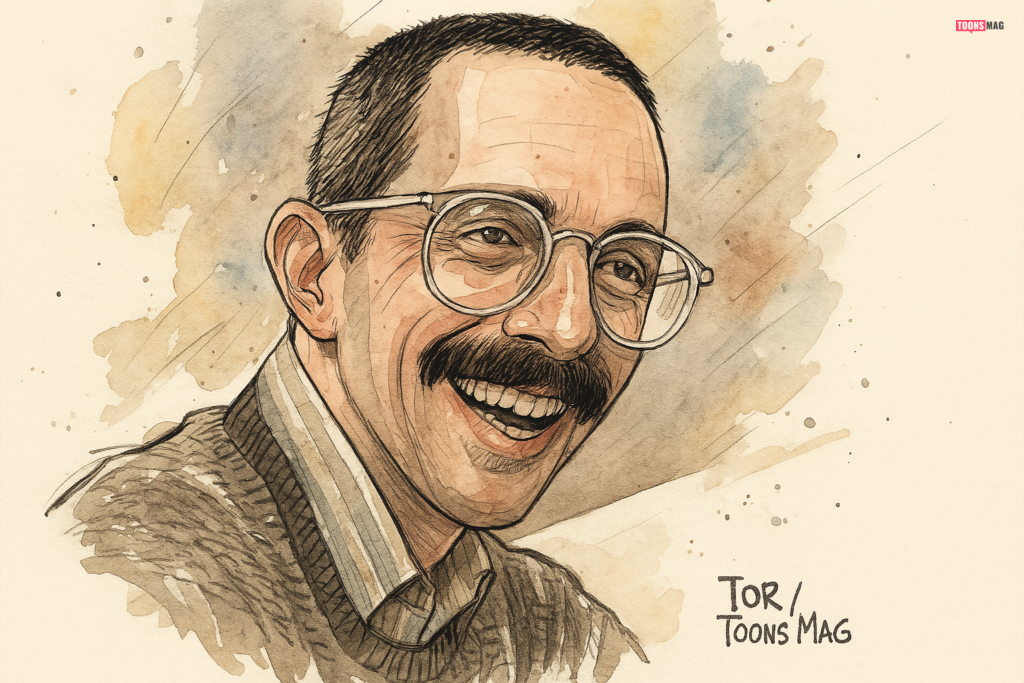
Bill Watterson is celebrated for Calvin and Hobbes (1985–1995), the beloved newspaper comic strip that set a new standard for humor with heart. In Calvin – a six-year-old with a hyperactive imagination – and Hobbes – his sardonic stuffed tiger friend – Watterson created an endlessly funny duo. The humor ranges from Calvin’s wild escapades (wagon crashes, snowman massacres, pretending to be “Spaceman Spiff”) to razor-sharp satire of adult quirks and society, often delivered through the mouth of a precocious kid. Calvin and Hobbes could make readers laugh out loud one moment and ponder life’s meaning the next, a balance that became its signature.23 Watterson’s art was equally important to the comedy: he would stretch expressions to comical effect, switch to ornate fantasy scenes for Calvin’s daydreams, or play with panel layouts for timing. This ambition in both art and writing was praised for reviving the artistic quality of comics during an era when many strips had stagnated.24 Readers connected with Calvin’s antics because they rang true – who hasn’t imagined their cardboard box is a time machine? The strip’s warmth and hilarity come from real childhood experience, elevated to comic extremes. Watterson also famously fought against commercializing his characters, believing that maintaining creative integrity kept the humor pure and special.25 The result is a comic that remains timeless; its jokes about school, parents, and the big questions of life still resonate. Calvin and Hobbes has often been called “the last great newspaper comic”,26 and its influence can be seen in countless webcomics and strips that emulate its wit and wonder. Watterson tackled the challenge of comedic storytelling by never talking down to his audience – he proved kids and adults alike will embrace sophisticated, imaginative humor when it’s delivered from the heart.
10. Kate Beaton (Canada) – Witty Historian of Webcomics
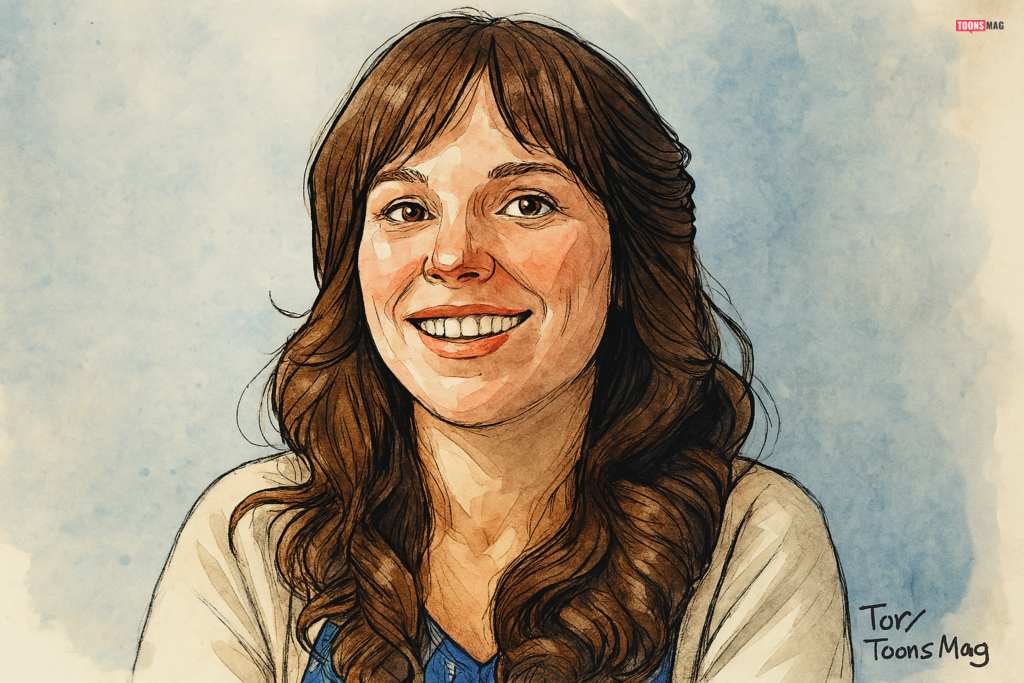
In the 2000s, Kate Beaton emerged as a fresh comedic voice through her webcomic Hark! A Vagrant. A history major, Beaton took on historical and literary figures and gave them a hilarious modern twist.27 Whether it was Napoleon indulging in silliness or Jane Austen characters dropping punchlines, nothing was off-limits for her incisive wit.28 Beaton’s style is characterized by clean, expressive cartooning and razor-sharp dialogue. She excels at exposing the absurdities of famous events or works of literature, making them funny even to readers who might not know the source material. This unique niche – smart satire of history, literature, and pop culture – earned her comics a huge online following (over a million hits a month at its peak).29 Her humor connected especially with younger adult audiences hungry for this kind of brainy, referential comedy. It was common to see one of her comics go viral because it perfectly lampooned, say, a Brontë novel or a figure like Tesla in a way that felt current and relatable. Hark! A Vagrant was later collected into bestselling books, one of which Time magazine named “the wittiest book of the year”.30 Through simple black-and-white panels, Beaton proved that even niche subjects can be laugh-out-loud funny when executed with charm and intelligence. She also opened doors for more women in comics and more web-based creators to gain mainstream recognition. The challenge she met was bringing a personal, even scholarly sense of humor into the gag-per-day comic format – and she succeeded so well that she won an Eisner Award for Best Humor Publication.31 Kate Beaton’s influence can be seen in how webcomics today often blend education with comedy, a testament to the trail she blazed with a quill pen in one hand and a joke in the other.
11. Quino (Argentina) – Social Satire and Sweet Humor in Mafalda

Joaquín Salvador Lavado, better known as Quino, is the most celebrated Argentinian comic artist of all time,32 thanks largely to his iconic comic strip Mafalda. Running from 1964 to 1973, Mafalda features a precocious little girl who questions everything about society with both innocence and biting wit.33 Through Mafalda and her friends, Quino tackled politics, world peace, adults’ hypocrisy, and the struggles of everyday life in Argentina – all through disarming child’s humor. The genius of Mafalda lies in its layering: on the surface, it’s an utterly charming, funny comic about a kid (Mafalda’s quips and antics are delightful in themselves). But for adult readers, those quips often carry sharp social commentary, delivered with a smile. Quino’s strips were laugh-out-loud and thought-provoking simultaneously. For example, Mafalda might earnestly play at cleaning the globe with a rag because she’s worried about the state of the world,34 a gag that’s cute but also a satirical jab at real global issues. This blend of humor and conscience resonated widely – Mafalda became massively popular across Latin America and Europe, beloved by general audiences and praised by intellectuals alike.35 The comic’s “biting and critical humour” made people of all ages chuckle and reflect.36 Quino managed the challenge of comedic storytelling by embedding big ideas in small, everyday moments a child could observe, which made the humor both accessible and impactful. The influence of Mafalda endures: she’s an Argentinian cultural icon (even honored with a statue and a Légion d’Honneur in France),37 and cartoonists worldwide have been inspired by Quino’s example of how to use a comic strip for humor with meaning. In short, Quino proved that a comic character can be as effective a social commentator as any journalist – and a lot funnier to boot.
12. Albert Uderzo (France) – Asterix’s Artistic Jester

French artist Albert Uderzo, co-creator of Astérix the Gaul, gave the world one of the most enduringly funny comic series ever. Starting in 1959, Uderzo (with writer René Goscinny) chronicled the adventures of Asterix and his fellow Gauls, infusing every album with visual comedy, caricature, and slapstick battles. Uderzo’s virtuoso drawing brought Goscinny’s witty scripts to life. His art style in Astérix could switch from cartoony exaggeration – say, a Roman legionnaire’s eyes bulging comically after a punch – to stunningly detailed historical scenes, all in service of humor. One of Uderzo’s talents was funny character design: each figure, from tiny Asterix to roly-poly Obelix, and from pompous Caesars to pirate buffoons, had an immediately humorous look and expression. Even background characters and village animals often pulled silly faces or took pratfalls if you looked closely. This expressive art made the series appealing to young readers, while the clever visual puns and cultural parodies (of French cuisine, British stiff-upper-lip, etc.) tickled adults. Astérix became an international hit despite its wordplay and local satire – as Lambiek notes, “despite near untranslatable puns, it managed to appeal to both children and adults” across many countries.38 That’s a testament to Uderzo’s clear storytelling and universal physical humor. He tackled the challenge of making ancient history funny by peppering it with anachronisms and caricatures that readers anywhere could recognize (for instance, his take on Elvis as a bard, or famous paintings recreated with Gauls). Uderzo’s influence on European humor artists is huge – many Franco-Belgian comics adopted a similar blend of expressive cartooning with witty detail, inspired by Astérix’s success.39 When Uderzo passed away in 2020, he was lauded as a maestro whose “funny characterizations and expressive action” gave Astérix its visual identity and enduring comedic power.40 Indeed, few comics have made the world laugh quite like those of Uderzo’s invincible little Gaul.
13. André Franquin (Belgium) – The King of Gags and Gaston Lagaffe

Belgian artist André Franquin is revered as a maestro of European comic humor. While he did splendid work on the adventure series Spirou et Fantasio, his funniest creation was Gaston Lagaffe (known in English as Gomer Goof). Debuting in 1957, Gaston Lagaffe is a gag strip about an extremely lazy, accident-prone office junior whose very presence in the Spirou magazine office causes chaos. Franquin’s strip started as gentle office humor and evolved into some of the most riotous slapstick ever put on paper.41 He exploited both visual and verbal comedy to the fullest: Gaston might invent some crackpot gadget that backfires spectacularly, rendered in franctic motion by Franquin’s dynamic line. The artist’s style was energetic – characters stretched, bounced, and often ended up in heaps of tangled limbs after an explosion or pratfall. The “hilarious and over-the-top happenings” in later years of Gaston pushed the boundaries of how far a running gag could go.42 Readers loved it, and Gaston became an icon of European comics, proof that an anti-hero (a hero who’s a champion slacker) could carry a series purely on humor.43 Franquin’s ability to time a joke in sequential panels was unmatched; he knew exactly how to pace the setup, pause, and punchline visually. A typical Gaston strip might build with colleagues’ exasperation and end with a single silent panel of devastation for comedic effect – brilliant timing that influenced many cartoonists after him. Franquin also had a darker comedic side (explored in his later one-shot Idées Noires), but it’s Gaston’s light-hearted mischief that has endeared him to generations. With Gaston Lagaffe, Franquin proved that the everyday workplace could be a fountain of comedy – all it takes is one gormless gaffer with too much free time. His work popularized the gag-a-day format in Europe and showed that recurring characters can generate endless laughs with the right imagination behind them.44 Many today still turn to Gaston comics whenever they need a good chuckle (and perhaps an excuse to procrastinate at work).
14. Morris (Belgium) – Spaghetti Western Spoofery in Lucky Luke

Maurice De Bevere, known by his pen name Morris, was the creator of Lucky Luke, the cowboy who “shoots faster than his shadow.” This long-running series (from 1946 onward) is both a loving tribute to Wild West legends and a brilliant parody of them.45 Together with writer René Goscinny, Morris turned Lucky Luke into an “iconic western satire, spoofing Hollywood clichés” of cowboys and outlaws.46 The humor comes through in the characters: Luke himself is a straight man hero with a deadpan demeanor, but he’s surrounded by goofballs – the bumbling Dalton Brothers (four bandit siblings of descending height and intelligence), a dimwitted dog, a talkative horse, and countless caricatures of historical figures. Morris’s art style was clean and cartoony, perfect for comedy. Early Lucky Luke strips were very gag-heavy, full of slapstick violence and exaggerated action that felt like a Warner Bros. cartoon in comic form.47 In fact, Morris was inspired by American animation and silent film comedians, and it shows: fights often end with comedic “bang!” flags or characters tied up in ridiculous knots. One hallmark of Lucky Luke is its visual puns and Easter eggs – for instance, Morris might draw cameo appearances of famous actors (Gary Cooper, etc.) or parody a well-known painting, rewarding readers who catch the reference. Such layers made the series enjoyable for both kids (who loved the action and silly gags) and adults (who caught the satirical subtext). Underneath the humor, Lucky Luke also gently mocked cultural stereotypes and human greed, making it a sly social satire of its own. The comic became one of the best-selling European comics worldwide,48 attesting to its broad appeal. Morris influenced countless European humorists by proving that genre fiction (like a Western) could be both exciting and funny. His “poor lonesome cowboy” hero still rides on today in new albums, but it’s Morris’s original run – with its wit, charm, and impeccable comedic staging – that secured Lucky Luke’s place in the comic comedy hall of fame.49
15. Leo Baxendale (UK) – Britain’s Mischief Maker in The Beano
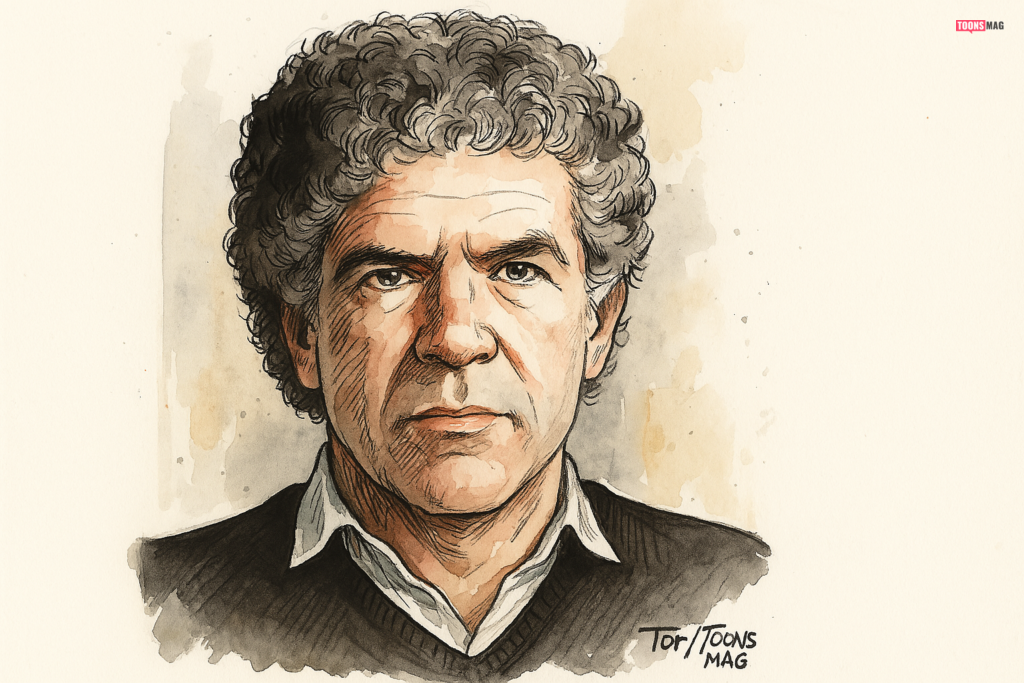
Leo Baxendale was the creative tornado behind many classic strips in Britain’s famous kids’ comic The Beano. In the 1950s and 60s, Baxendale co-created Minnie the Minx, The Bash Street Kids, and more – anarchic schoolyard and home-front comedies that defined British humor comics for generations. His art was bursting with “tremendous energy and vitality,” making every panel as “hilarious as anything ever published” in children’s comics.50 The Bash Street Kids, for example, featured a classroom of unruly children perpetually outsmarting authority (their teacher, the police, even the whole town of Beanotown) in chaotic fashion. Baxendale’s style was roguish and over-the-top: characters often had comically knobbly knees, huge boots, and wild expressions, and the action in a single scene could involve dozens of tiny figures each causing some trouble. These densely packed prank scenes invited kids to pore over the details and laugh at every corner of the frame. Baxendale’s humor connected so strongly with young readers because it felt liberating – he indulged every child’s fantasy of breaking rules and poking fun at strict teachers, all without real consequences. At the same time, the strips were genuinely witty and well-crafted, so even adults with a nostalgic bent could appreciate their cleverness. Colleagues have called Baxendale “the most influential artist in UK humour comics”, and it’s hard to argue: the look and tone of The Beano (and other UK humor comics like Wham! and Smash! where he later worked) stayed in line with the template he set. His influence is seen in how British comics embraced a kind of gentle anarchism – sweet-natured troublemakers and absurd situations – as a staple of their comedy. Creating truly funny comics for children has its own challenges (one must be zany but also clear, rebellious but also safe). Baxendale walked that tightrope masterfully. He made kids laugh till their sides hurt, and inspired many future artists, from Watchmen’s Dave Gibbons (who praised Baxendale’s detail and anti-authoritarian streak to the current Beano artists who still emulate his style. Leo Baxendale’s legacy is a testament to the power of pure, unbridled fun in comics.
16. Rumiko Takahashi (Japan) – Queen of Rom-Com Manga and Absurd Situations
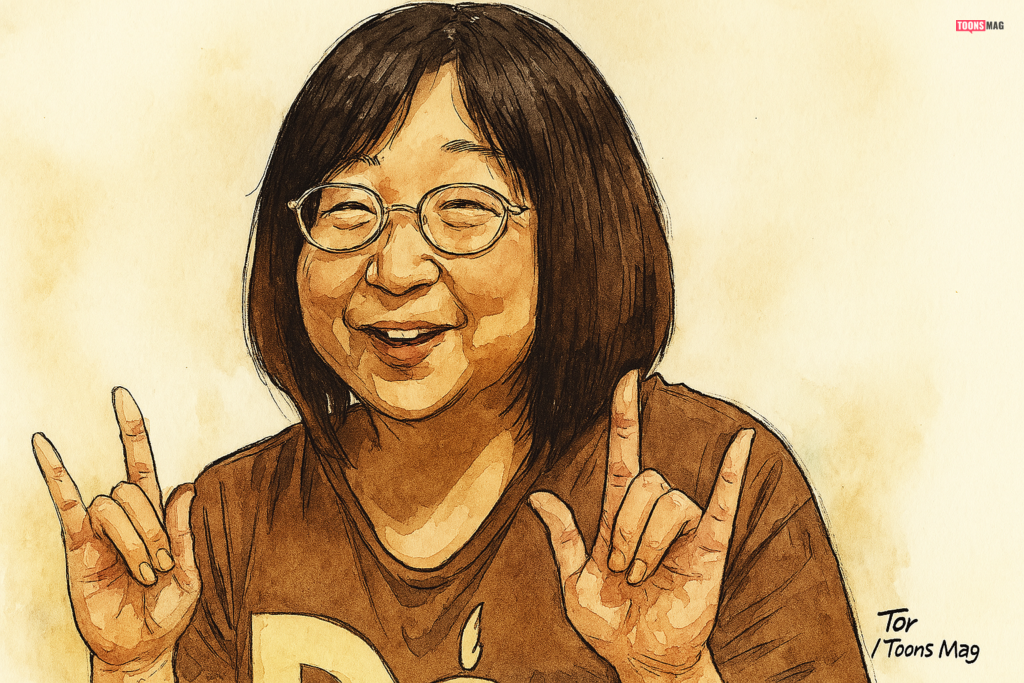
Rumiko Takahashi is one of Japan’s most successful comic creators, known for blending comedy with romance, fantasy, and everyday life in hit series like Urusei Yatsura, Ranma ½, and Maison Ikkoku. In the 1980s, Takahashi’s Urusei Yatsura (about a luckless boy and a feisty alien princess) pioneered crazy slapstick and love-triangle humor in manga. She followed that with Ranma ½, a martial arts farce where the teenage hero Ranma is cursed to turn into a girl when splashed with cold water – leading to endless gender-bending hijinks and comedic confusion.51 These works shocked and delighted readers with how forward-thinking and unabashedly silly they were.5253 Takahashi has a special talent for character-driven comedy: she populates her stories with loud, memorable characters whose clashing personalities produce natural humor (e.g., the vain Ranma bickering with his hotheaded fiancée Akane, while a menagerie of oddball rivals and suitors complicate matters). She isn’t afraid to dive into the absurd – for instance, Ranma’s father turns into a giant panda under the same curse, prompting visual gags of a panda holding up signs to communicate.54 Yet amid the chaos, Takahashi also builds genuine emotional arcs, so readers are invested in the characters even as they laugh at them. Her manga were among the first from Japan to gain huge popularity in the West,55 proving that her brand of humor – a mix of slapstick, satire of gender roles, and heartfelt moments – transcended cultural barriers. One challenge of humor in translation is cultural nuance, and Takahashi once noted that some jokes may puzzle foreign readers and vice versa.56 Even so, her works struck a chord globally; Ranma ½ in particular became a gateway series for international fans in the 1990s, often cited as the example of manga’s unique comedic flair.57 Many modern creators (including Western graphic novelists like Bryan Lee O’Malley of Scott Pilgrim fame) cite her influence. With dozens of volumes and anime episodes of her comedies devoured worldwide, Rumiko Takahashi has more than earned her reputation as a grandmaster of comic book comedy. She showed that even in a medium known for wild imagination, a well-timed joke or a ridiculous scenario (like a sudden panda appearance!) can still catch readers off guard and leave them giggling.
17. Akira Toriyama (Japan) – Gag Manga Genius from Dr. Slump to Dragon Ball
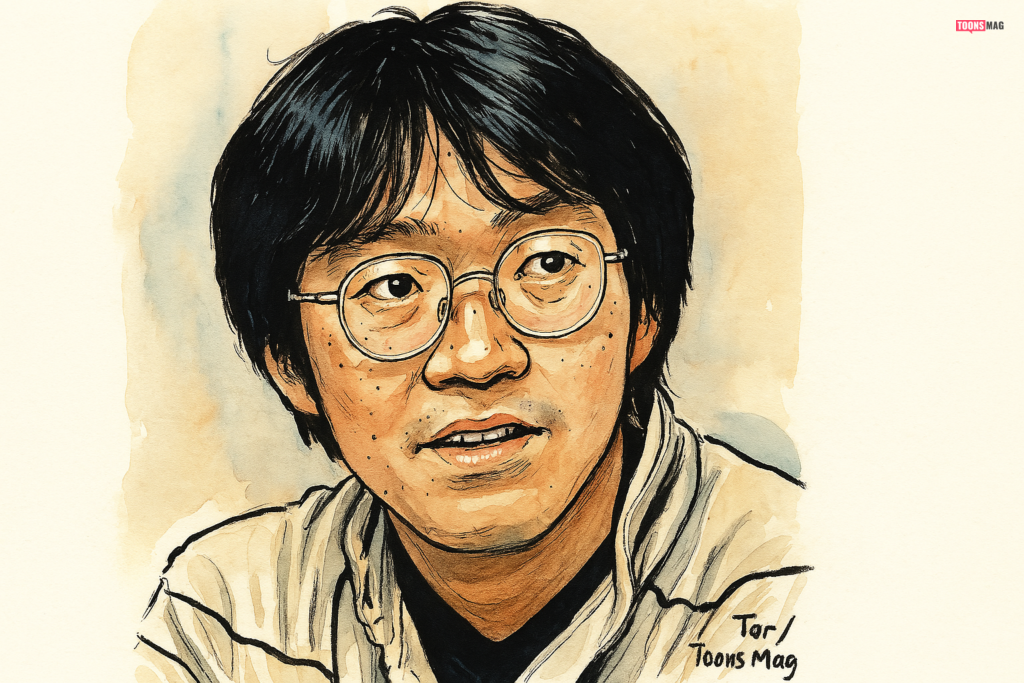
Before Dragon Ball became a global phenomenon, Akira Toriyama made his mark with Dr. Slump (1980–1984), one of the zaniest gag manga ever created. Dr. Slump is set in the anything-goes Penguin Village and follows a nerdy inventor and his super-strong little robot girl, Arale, through madcap comedic adventures. The series is filled with puns and toilet humor, and parodies of both Japanese and American culture.58 Readers never knew what to expect next: cute aliens, time-traveling poop monsters, Superman spoofs like “Suppaman” (a dimwitted hero who eats pickled plums for power)59 – Toriyama threw in every absurd idea he could think of. His clean, dynamic art style made the slapstick action easy to follow and even funnier; characters often deform into chibi caricatures at just the right moment for a gag. Dr. Slump became an instant hit, defining 1980s Japanese comedy manga and winning awards for its hilarity. Toriyama then applied his comedic touch to Dragon Ball (1984–1995). While Dragon Ball later became more action-focused, its early chapters are essentially a humor comic riffing on the Chinese Journey to the West legend and Kung Fu movies. Young Goku’s clueless innocence, Bulma’s temper, and the perverted antics of Master Roshi led to laugh-out-loud moments in between the fights. Toriyama masterfully balanced cartoonish comedy with adventure – an approach that made Dragon Ball appealing to a broad audience and set it apart from more serious shonen titles. The challenges of combining gag humor with long-form storytelling were met by Toriyama’s impeccable pacing and character work; he knew just when to break a tense moment with a joke to keep readers smiling. His influence on the industry is enormous: Dr. Slump essentially introduced the irreverent, fourth-wall-breaking style that many manga (and anime) comedies use to this day, and Dragon Ball inspired generations of creators to mix humor with heroics. In fact, elements of Toriyama’s gag style are evident in today’s popular series (for example, One Piece’s creator Eiichiro Oda grew up reading his work and infuses similar goofy humor). Whether it’s Arale shouting “N’Cha!” as she cracks the Earth in half, or Goku patting someone’s crotch to check their gender, Toriyama’s jokes have a way of catching readers off guard and leaving them in stitches. He proved that from simple fart jokes to clever parodies, no laugh was out of reach in a comic – and sometimes the sillier, the better.60
18. Fujiko Fujio (Japan) – Doraemon’s Duo and the Joy of Gadget Comedy

Under the shared pen name Fujiko Fujio, childhood friends Hiroshi Fujimoto and Motoo Abiko co-created some of Japan’s most beloved humor comics. Their greatest creation is Doraemon (started 1969), the robotic cat from the future who has a gadget for every occasion. Doraemon’s manga is a staple of children’s comics across Asia, known for its imaginative humor and gentle life lessons. In each chapter, Doraemon pulls wondrous devices from his fourth-dimensional pocket to help (or hamper) his friend Nobita, a lazy schoolboy. These gadgets – whether it’s a “Anywhere Door” for instant travel or “Take-copter” helicopter hats – inevitably lead to a comedic misadventure that teaches Nobita a lesson by the end. The brilliance of Fujiko Fujio’s approach is that they combined sci-fi whimsy with everyday childhood problems, resulting in stories that are funny, fantastical, and relatable all at once. Kids laugh at Nobita’s crazy antics with the gadgets (who wouldn’t want a tool to cheat on homework, and then giggle when it backfires?), while adults appreciate the strip’s enduring themes and the satire of over-relying on quick fixes. Doraemon’s design – a round, blobby blue cat with a huge grin – itself invites smiles, and the artists kept the visuals clean and expressive to land the jokes effectively. The series became immensely popular all through the East and a multimedia empire, from anime to toys,61 solidifying its status as an international icon of comic humor. Beyond Doraemon, Fujiko Fujio created other comedic hits (like Ninja Hattori and the ghost Q-Taro), and they pioneered the “gag manga” genre in the 60s and 70s. Their influence is everywhere in Japanese pop culture – Doraemon, for instance, is often used as a symbol of optimism and creativity. The challenge of keeping a long-running comedy fresh was handled by their endless inventiveness; even after hundreds of chapters, they kept coming up with new gadgets and twists to make readers laugh. Fujimoto and Abiko eventually split in 1987 to pursue solo work, but together as Fujiko Fujio they proved how powerful a simple premise (a helpful/funny robot and a boy) can be when executed with imagination and heart. Many millions of children have grown up chuckling at Doraemon’s exploits, and he remains a gateway to reading for kids – a testament to Fujiko Fujio’s mastery of accessible, delightful comic storytelling.
19. Pran Kumar Sharma (India) – Desi Humor and Wisdom in Chacha Chaudhary
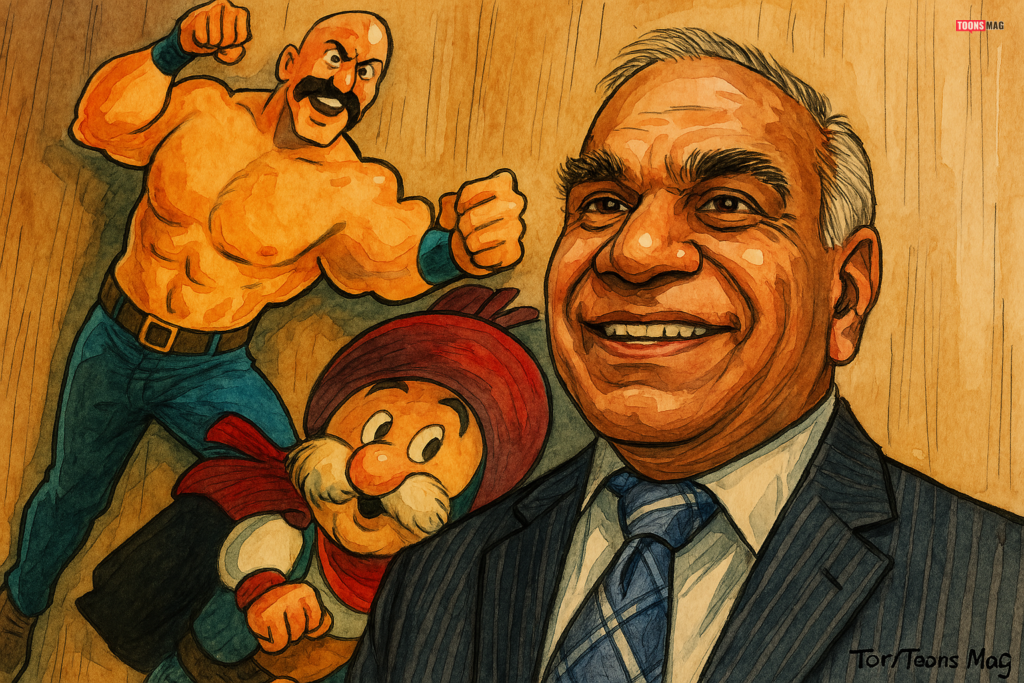
In India, one comic character has entertained families for over five decades: Chacha Chaudhary, the creation of cartoonist Pran Kumar Sharma (simply known as Pran). Chacha Chaudhary is a genial old man in a turban with a mind “sharper than a computer,” who, along with his giant alien friend Sabu, uses wit and wisdom to solve problems. Since 1971, Pran’s comics of Chacha Chaudhary have delighted readers in multiple Indian languages, selling millions of copies.6263 The humor of the series is gentle but impactful. Chacha’s quick thinking often foils bandits and tricksters – for example, he might con a robber into defeating himself, all with a clever one-liner and a twinkle in his eye. These stories blend humor, morality, and cultural nuances seamlessly.64 One page you’re laughing at Sabu’s comical rage (when he’s angry, volcanoes erupt on Jupiter, as the running joke goes,65 and the next you’re nodding at the little lesson embedded in the tale (such as the importance of intelligence over brute force.66 Pran mastered the art of the short comic-strip format, usually 1 to 4 pages, to deliver a setup, a humorous resolution, and a moral without ever feeling preachy. His art is straightforward and cartoony, ensuring the jokes land clearly – whether it’s a slapstick visual of Sabu knocking heads, or Chacha’s famous thought balloon with a crackling brain when he gets an idea. This made the comics accessible to all ages and literacy levels. For many in India, Chacha Chaudhary was an introduction to reading for fun, and Pran’s work became “an integral part of childhood for millions of Indians”.67 The challenge of writing pan-Indian humor (in a country with diverse languages and cultures) was met by grounding Chacha as a wise village elder archetype that everyone recognizes, then adding universally funny situations. Pran’s influence on Indian comics is immeasurable – he’s often called “the Walt Disney of India”68 for creating a local comics industry almost single-handedly. Characters like Chacha (and others Pran created, like the naughty schoolgirl Pinki) remain household names. Even in the age of digital entertainment, the phrase “Chacha Chaudhary’s brain works faster than a computer” is widely known, often used humorously in conversation – a tribute to how deeply this comic hero and his creator have embedded themselves in Indian pop culture.6970
20. Mauricio de Sousa (Brazil) – The Mickey of Brazil and His Monica Gang
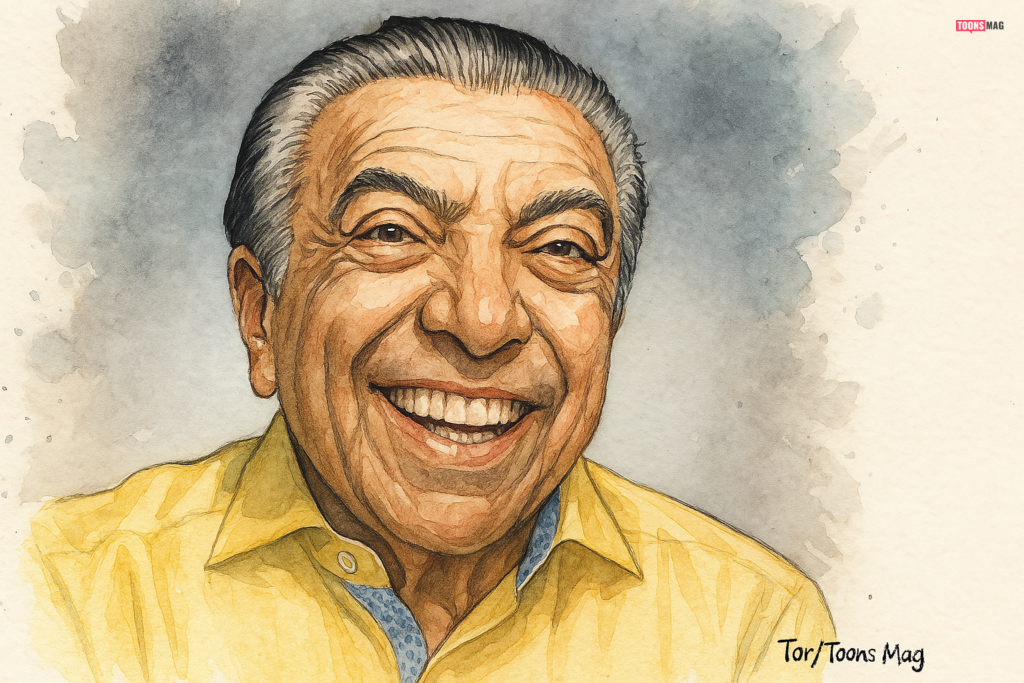
Often likened to a Brazilian Walt Disney,71 Mauricio de Sousa has delighted South American audiences with his Turma da Mônica (Monica and Friends) comics since 1959. Mauricio’s charming characters – inspired by kids from his childhood and his own family – inhabit the everyday neighborhood of Lemon Tree, where they engage in lighthearted mischief and adventures. The star, Monica, is a spirited, buck-toothed little girl with a strong arm (woe to the boys who provoke her wrath!). Alongside her and often at odds is Jimmy Five (Cebolinha), a boy who can’t pronounce “R” and is always hatching plans to steal Monica’s stuffed bunny – only to get thumped by it in the end. These simple running gags form the core of the humor, but Mauricio wraps them in such warmth and comic timing that they never get old. His drawing style is clean, rounded, and extremely expressive, perfect for slapstick: characters have stars and swirls dancing around their heads after a knock, or giant sweat drops of embarrassment, in a style somewhat influenced by classic animation and manga.7273 In fact, de Sousa was inspired by Charles Schulz’s Peanuts – he aimed to fill a gap in Brazilian comics for relatable kid characters.74 The result was groundbreaking: Monica and her friends not only became Brazil’s most popular comic series, but they helped establish a unique Brazilian comics identity.7576 The humor in Monica comics is wholesome and universal – battles of the sexes on the playground, misunderstandings leading to comical predicaments, a touch of fantasy here and there (one friend, Cascão, famously hates water and never bathes, prompting many jokes). Mauricio tackled the challenge of making these characters resonate across a vast country by infusing them with Brazilian cultural flavor (local slang, settings, and values) while keeping the scenarios universally funny. This approach paid off: the comic’s immense popularity led to cartoons, merchandise, even a theme park, and Mauricio becoming an ambassador of Brazilian culture through comics.77 He has created over 200 characters,78 but Monica remains the crown jewel – a bossy, lovable girl who turned the typical damsel trope on its head and made it hilariously empowering. Generations have learned to read with Monica and Friends, laughing all the way. The influence is clear in Brazil’s subsequent cartoonists, many of whom were directly encouraged or even employed by Mauricio’s studio.79 As one Brazilian comic artist said, “He was quite simply the most influential artist in [our] humour comics.” In other words, Mauricio de Sousa and his funny, feisty kids gave Brazil a comic tradition to call its own, one where laughter and local color go hand in hand.
The 20 Funniest Comic Book Artists Around the World
These 20 artists represent a kaleidoscope of comic book comedy – from the subtle satire of societal norms to the outrageous slapstick of fantasy scenarios. Despite their different styles and cultural backdrops, they all share a common triumph: they learned how to make readers laugh in a static medium, finding comedy in panel pacing, character expression, and the interplay of words and pictures. This is no easy feat; comedic timing on a comic page requires precision, and jokes must often transcend language barriers or be cleverly localized. Many of the above creators became experts at using visuals to convey humor (so that even if a pun didn’t translate, a goofy drawing still got the giggle). And importantly, each built a rapport with their audience – readers came to feel they knew these artists through their distinct comedic “voice” on the page.
From MAD’s margin doodles to manga’s most lovable robot cat, comic book humor has evolved and thrived because of these trailblazers. They have influenced not only other artists and the industry (shaping magazines, spawning genres, inspiring adaptations) but also influenced us, the readers, by coloring our view of the world with a bit more laughter. As long as there are problems to poke fun at or simple joys to celebrate, the legacy of these funny comic book artists will live on. After all, in comics as in life, sometimes the greatest wisdom comes wrapped in a joke and a punchline – and we have these masters to thank for showing us that truth, one panel at a time.
Footnotes
- Harvey Kurtzman – Lambiek Comiclopedia ↩︎
- Harvey Kurtzman – Lambiek Comiclopedia ↩︎
- Harvey Kurtzman – Lambiek Comiclopedia ↩︎
- Harvey Kurtzman – Lambiek Comiclopedia ↩︎
- Harvey Kurtzman – Lambiek Comiclopedia ↩︎
- Will Elder – Wikipedia ↩︎
- Will Elder – Wikipedia ↩︎
- Al Jaffee – Wikipedia ↩︎
- Al Jaffee – Lambiek Comiclopedia ↩︎
- Al Jaffee Made Us Laugh – Queens Jewish Link ↩︎
- Don Martin (cartoonist) – Wikipedia ↩︎
- 13 CARTOONS: A DON MARTIN Salute | 13th Dimension, Comics, Creators, Culture ↩︎
- Sergio Aragonés (1937-): The Fastest Cartoonist’s Journey From … ↩︎
- Sergio Aragonés – Lambiek Comiclopedia ↩︎
- Sergio Aragonés – Lambiek Comiclopedia ↩︎
- Sergio – The Comics Journal ↩︎
- George Herriman – Lambiek Comiclopedia ↩︎
- Basil Wolverton – Lambiek Comiclopedia ↩︎
- Basil Wolverton – Lambiek Comiclopedia ↩︎
- Carl Barks – Lambiek Comiclopedia ↩︎
- Carl Barks – Lambiek Comiclopedia ↩︎
- Carl Barks – Lambiek Comiclopedia ↩︎
- Bill Watterson – Lambiek Comiclopedia ↩︎
- Bill Watterson – Lambiek Comiclopedia ↩︎
- Bill Watterson – Lambiek Comiclopedia ↩︎
- Bill Watterson – Lambiek Comiclopedia ↩︎
- The Paris Review – Kate Beaton on ‘Hark! A Vagrant’ – The Paris Review ↩︎
- The Paris Review – Kate Beaton on ‘Hark! A Vagrant’ – The Paris Review ↩︎
- The Paris Review – Kate Beaton on ‘Hark! A Vagrant’ – The Paris Review ↩︎
- Kate Beaton – Wikipedia ↩︎
- Kate Beaton – Wikipedia ↩︎
- Quino (Joaquin Salvador Lavado) – Lambiek Comiclopedia ↩︎
- Quino (Joaquin Salvador Lavado) – Lambiek Comiclopedia ↩︎
- Quino (Joaquin Salvador Lavado) – Lambiek Comiclopedia ↩︎
- Quino (Joaquin Salvador Lavado) – Lambiek Comiclopedia ↩︎
- The biting and critical humour of Quino and his iconic character … ↩︎
- Quino (Joaquin Salvador Lavado) – Lambiek Comiclopedia ↩︎
- Albert Uderzo – Lambiek Comiclopedia ↩︎
- Albert Uderzo – Lambiek Comiclopedia ↩︎
- Albert Uderzo – Lambiek Comiclopedia ↩︎
- André Franquin – Lambiek Comiclopedia ↩︎
- André Franquin – Lambiek Comiclopedia ↩︎
- André Franquin – Lambiek Comiclopedia ↩︎
- André Franquin – Lambiek Comiclopedia ↩︎
- Morris (Maurice De Bevere) – Lambiek Comiclopedia ↩︎
- Morris (Maurice De Bevere) – Lambiek Comiclopedia ↩︎
- Morris (Maurice De Bevere) – Lambiek Comiclopedia ↩︎
- Morris (Maurice De Bevere) – Lambiek Comiclopedia ↩︎
- Morris (Maurice De Bevere) – Lambiek Comiclopedia ↩︎
- Artists pay homage to Beano legend Leo Baxendale | Creative Bloq ↩︎
- The Accidental Trans Narratives of Rumiko Takahashi | Video Games of the Oppressed ↩︎
- How Rumiko Takahashi Defined Character Culture ↩︎
- The Accidental Trans Narratives of Rumiko Takahashi | Video Games of the Oppressed ↩︎
- The Accidental Trans Narratives of Rumiko Takahashi | Video Games of the Oppressed ↩︎
- Rumiko Takahashi – Wikipedia ↩︎
- Rumiko Takahashi – Wikipedia ↩︎
- The Accidental Trans Narratives of Rumiko Takahashi | Video Games of the Oppressed ↩︎
- Dr. Slump – Wikipedia ↩︎
- Dr. Slump – Wikipedia ↩︎
- Dr. Slump – Wikipedia ↩︎
- Fujio-Fujiko – Lambiek Comiclopedia ↩︎
- Chacha Chaudhary Comics: India’s Beloved Brainy Hero ↩︎
- Chacha Chaudhary Comics: India’s Beloved Brainy Hero ↩︎
- Chacha Chaudhary Comics: India’s Beloved Brainy Hero ↩︎
- Chacha Chaudhary Comics: India’s Beloved Brainy Hero ↩︎
- Chacha Chaudhary Comics: India’s Beloved Brainy Hero ↩︎
- Chacha Chaudhary Comics: India’s Beloved Brainy Hero ↩︎
- Pran Kumar Sharma: The Life & Times Of India’s Walt Disney ↩︎
- Chacha Chaudhary Comics: India’s Beloved Brainy Hero ↩︎
- Chacha Chaudhary Comics: India’s Beloved Brainy Hero ↩︎
- Quadrinhos: Alert Famous Brazilian Comics Out Now – Gutternaut ↩︎
- Mauricio de Sousa – Wikipedia ↩︎
- Quadrinhos: Alert Famous Brazilian Comics Out Now – Gutternaut ↩︎
- Quadrinhos: Alert Famous Brazilian Comics Out Now – Gutternaut ↩︎
- Quadrinhos: Alert Famous Brazilian Comics Out Now – Gutternaut ↩︎
- Quadrinhos: Alert Famous Brazilian Comics Out Now – Gutternaut ↩︎
- Quadrinhos: Alert Famous Brazilian Comics Out Now – Gutternaut ↩︎
- Mauricio de Sousa – Wikipedia ↩︎
- For you, what is the importance of Maurício de Sousa for Brazilian … ↩︎



One Comment